Unlucky gifts around the world and what to give instead
A clock in China, four of anything in Japan, an even bouquet in Russia: here are the gift taboos worth knowing, why they exist, and safer swaps.

Quick answer
The most widespread gift taboos come from wordplay and funeral customs. In Chinese-speaking cultures, avoid clocks, umbrellas, sharp objects, green hats and sets of four. In Japan, avoid sets of four or nine, combs and potted plants for someone who is ill. In Korea, avoid sets of four and writing names in red. In Russia, give odd numbers of flowers and skip yellow ones for romance. In Brazil, avoid purple and sharp gifts. When in doubt, food to share, nicely wrapped, is safe almost everywhere.
- Most common taboo Sharp objects (they "cut" a relationship)
- Most common unlucky number Four, in China, Japan and Korea
- Safe swap Sweets, fruit or tea to share
Why some gifts are considered unlucky
Most taboos have one of three roots:
- Sound-alike words. In Chinese, Japanese and Korean, some words sound like "death", "end" or "separate", and that meaning attaches to the object or number.
- Funeral associations. Colors and flowers linked with funerals and mourning, such as purple in Brazil or carnations in Russia, feel wrong for a happy occasion.
- Symbolism. Knives and scissors suggest cutting ties, which is why they turn up on taboo lists from Brazil to Japan.
These beliefs are held with very different strength. Nippon.com points out that in Japan, what was taboo yesterday is often fine today, and many younger people don't mind. But the cost of avoiding them is low, so it makes sense to follow them when you give.
China, Hong Kong and Taiwan
Cultural Atlas lists knives, scissors, clocks, handkerchiefs, umbrellas, green hats, mirrors and yellow or white flowers as taboo gifts in Chinese culture, and says gifts should not add up to four, because "four" sounds like the word for death.
- Clocks. "Giving a clock" (sòng zhōng) sounds like the phrase for attending someone's funeral. Wikipedia's article on these sound-alike faux pas notes that if a clock is given anyway, the recipient can hand over a small coin to "buy" it instead. Wristwatches are generally less of a problem.
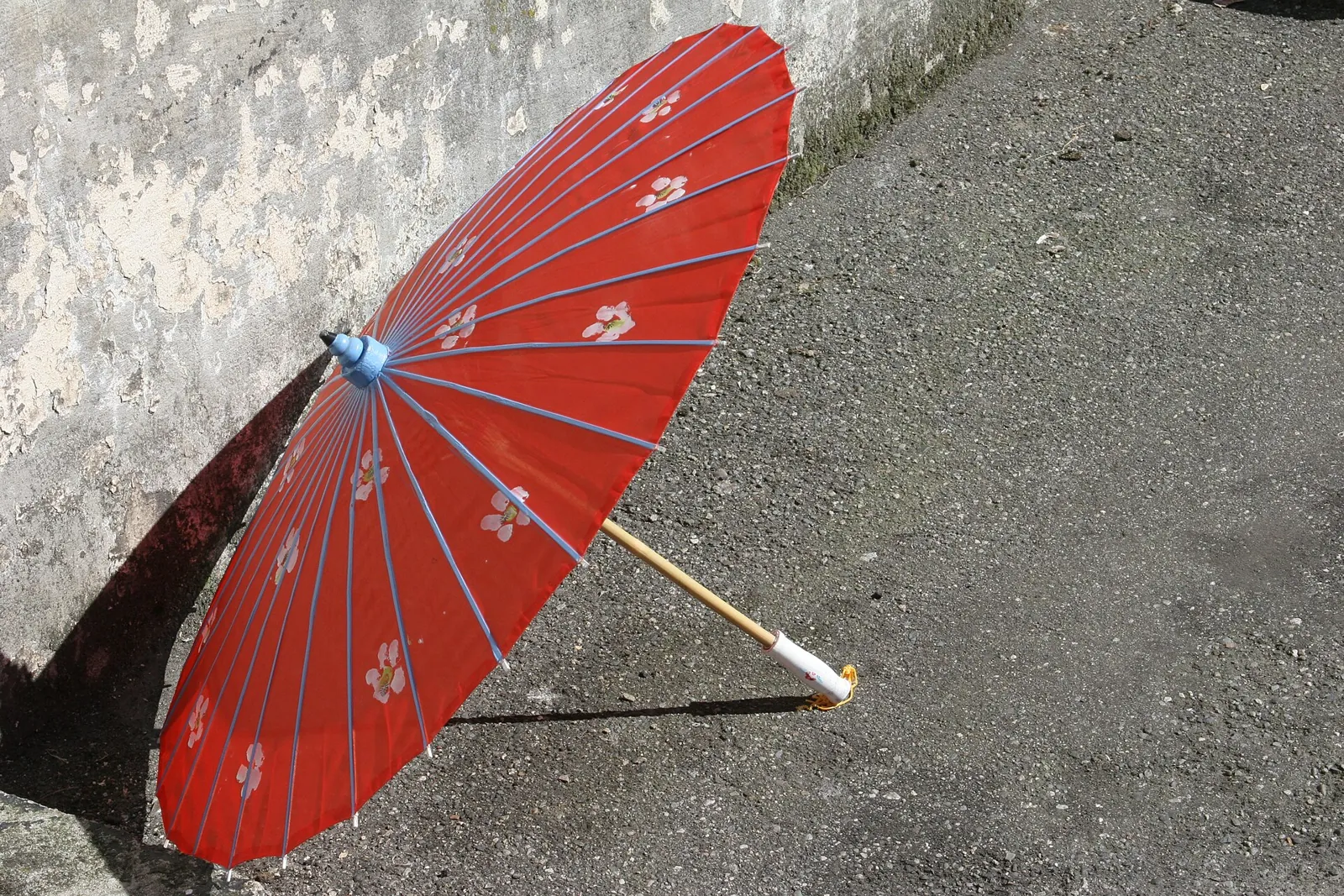
- Umbrellas and fans. Both sound like the word for scattering or separating, which suggests a breakup.
- Green hats. A green hat implies a man's partner is unfaithful.
- Books, in some contexts. The word for book sounds like "lose", so some people avoid them around gambling or investing.
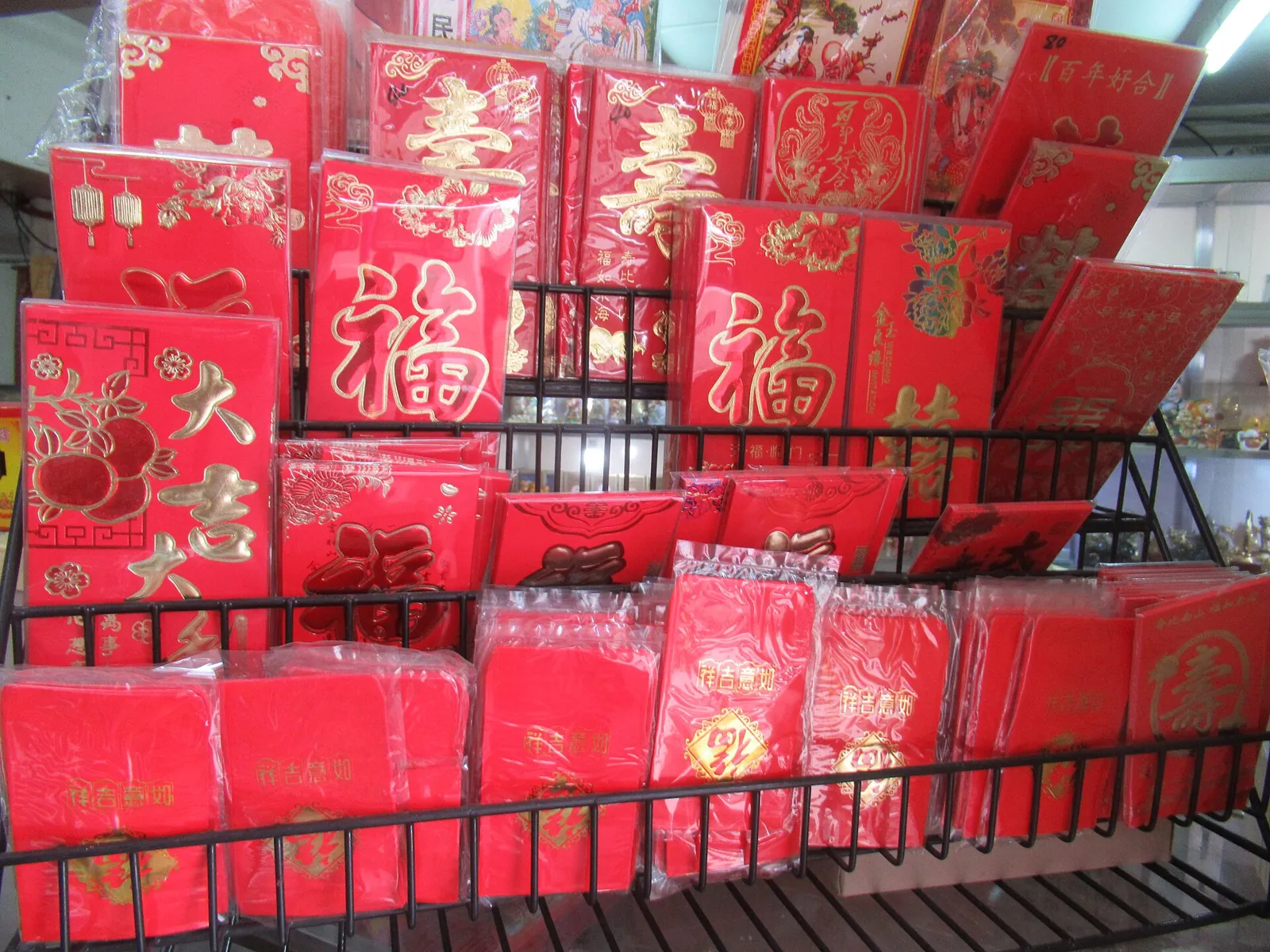
- White, blue or black wrapping. Cultural Atlas says these colors have sour connotations; red and gold signal luck.
More detail: gift etiquette in China, Hong Kong and Taiwan.
Japan and Korea
Nippon.com's guide to Japanese gift etiquette names the main taboos:
- Sets of four or nine. Four (shi) sounds like death and nine (ku) like suffering.
- Combs. They carry inauspicious associations.
- Knives and scissors for weddings or a move. They suggest cutting ties.
- Cyclamen. The Japanese name contains the sounds "shi" and "ku".
- Potted plants for someone who is ill. Illness should not "take root".
- Socks or shoes for a parent or boss. They suggest stepping on the person.
In South Korea, Commisceo Global advises avoiding gifts in sets of four and notes that writing a living person's name in red ink was traditionally associated with death, so use black or blue on cards. See our guides to Japan and South Korea.
Russia and Brazil
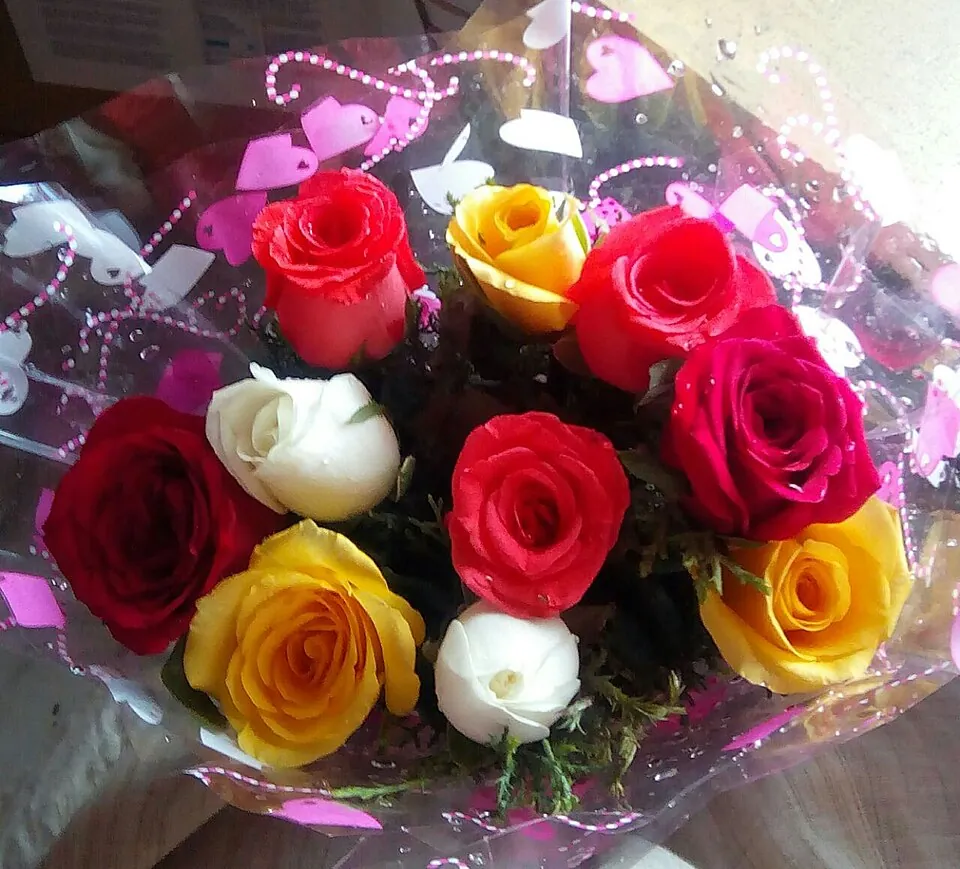
In Russia, flowers are the most common gift, and the rules are about numbers and color. Cultural Atlas says to give an odd number of flowers for any occasion other than a funeral, not to give yellow flowers to a romantic interest, and that any yellow gift to a friend can imply disloyalty. Carnations are associated with funerals and Soviet holidays. More in our Russia gift etiquette guide.
In Brazil, Cultural Atlas advises against gifts that are purple or wrapped in purple, including purple orchids, because the color is associated with mourning. Knives and scissors suggest an intention to sever ties. Flowers or a small gift for the hostess are welcome. See gift etiquette in Brazil.
Safer swaps
| Instead of | Try |
|---|---|
| A clock (Chinese recipients) | Tea, fruit or a box of sweets in red or gold wrapping |
| A set of four (China, Japan, Korea) | A pair, or a box of six or eight |
| Kitchen knives as a wedding gift | A serving board, good glassware or a cooking class |
| A potted plant for a hospital visit (Japan) | Cut flowers or fruit |
| An even-numbered bouquet (Russia) | Three, five or seven stems |
| Purple flowers or wrapping (Brazil) | White, yellow or pink flowers in bright paper |
Flowers have their own set of rules in many countries; our guide to flower meanings covers them, and lucky colors and numbers explains what to choose instead.
Frequently asked questions
Why is giving a clock bad luck in China?
The phrase for giving a clock sounds like the phrase for attending a dying person or a funeral. Some people neutralize it by having the recipient pay a small coin, which turns the gift into a purchase.
Is the number four unlucky everywhere in Asia?
It is widely avoided in Chinese, Japanese and Korean contexts because it sounds like "death". It is not a universal rule across Asia, and how seriously people take it varies.
Can I give a knife as a gift?
In many cultures sharp objects suggest cutting a relationship, so avoid them for Chinese, Japanese and Brazilian recipients, especially for weddings. Among people who don't hold the belief, a good knife can be a welcome gift.
What is a safe gift almost anywhere?
Good food to share, such as sweets, fruit or tea from your home region, wrapped neatly and handed over politely.
Sources
- Cultural Atlas — Chinese culture: etiquette. theculturalatlas.org
- Wikipedia — Faux pas derived from Chinese pronunciation. en.wikipedia.org
- Nippon.com — Gift-giving etiquette in Japan. nippon.com
- Commisceo Global — South Korea guide. commisceo-global.com
- Cultural Atlas — Russian culture: etiquette. theculturalatlas.org
- Cultural Atlas — Brazilian culture: etiquette. theculturalatlas.org
Image credits. Top image: Classic alarm clock 20180513 by Santeri Viinamäki, CC BY-SA 4.0, via Wikimedia Commons · In-article image: Parasolo by Richard from Vancouver, Canada, CC BY 2.0, via Wikimedia Commons
Spotted something out of date or a gift that's no longer available? Tell our editors — we review every correction.