Gift Etiquette in Hong Kong: Lai See, Taboos and Host Gifts
What to bring to a Hong Kong home, which gifts, colors and numbers to avoid, who gets lai see at Lunar New Year, and how anti-bribery rules shape business gifts.
We independently research every pick. If you buy through our links we may earn a small commission, at no extra cost to you. Affiliate disclosure.
Quick answer
When visiting a home in Hong Kong, let your host know you are coming and bring a small edible gift such as tea, sweets or fruit. Hand it over with both hands, wrapped in red or gold rather than blue or black, and do not expect it to be opened in front of you. Avoid clocks, sharp objects, umbrellas and anything in fours. At Lunar New Year, married people give red packets called lai see. Business gifts are governed by the Prevention of Bribery Ordinance, so check the rules first.
- Typical host gift $15 – $50
- Hands Both hands
- Lucky colors Red and gold wrapping
- Key occasions Lunar New Year, Mid-Autumn Festival, Christmas
What to give
In Hong Kong, gifts can express gratitude and appreciation, but they can also be read as a request for a favor, so think about whether your gift is personal or professional. Presentation matters, and good gifts are usually ones the recipient can easily accept and repay in kind.
For a host
A small edible gift is the norm: quality tea, a box of sweets or pastries, or a basket of fruit. Flowers are fine as long as they are not red or white, and a bottle of spirits is a good choice for a host who drinks. Give it on arrival with both hands.
For friends, coworkers and in-laws
For in-laws and elders, spend a little more on presentation: a fine tea, a well-wrapped food hamper or premium fruit. For coworkers, shared snacks or pastries are easy. Avoid gifts that are much more expensive than the recipient could return, because being unable to reciprocate can cause them to lose face.
Premium tea
Why it works: Tea is a classic, easily shared gift that suits almost any household and age group.
Skip it if: you are giving it as part of a set of four; choose a pair or a single tin.
Boxed sweets or pastries
Why it works: Sweets are a standard visiting gift and are appreciated during festivals.
Skip it if: the box is wrapped in blue or black; ask for red or gold wrapping.
A fruit basket
Why it works: Fruit is a safe, welcome visiting gift that suits almost any household.
Skip it if: it contains four pieces of anything.
A bottle of good spirits
Why it works: Spirits are a well-regarded gift for hosts and older relatives who drink.
Skip it if: you do not know the recipient drinks, or they are a public servant or business contact bound by gift rules.
What to avoid
- Clocks. "Giving a clock" sounds like the phrase for attending a funeral, and many Cantonese speakers regard such a gift as a curse.
- Knives, scissors and other sharp objects. They suggest cutting off the relationship.
- Umbrellas. The word sounds like "scatter" or "separate." Cantonese even uses a different everyday word for umbrella to avoid the association.
- Handkerchiefs, mirrors and green hats. All are traditional bad-luck gifts; a green hat implies a man's partner is unfaithful.
- White, yellow or red flowers. White and yellow flowers are linked to funerals, and red flowers are also best avoided.
- Anything in fours. "Four" sounds like the Cantonese word for death.
- Blue or black wrapping. These colors carry negative connotations; red and gold symbolize luck.
- Books for people who gamble or invest. In Cantonese, "book" sounds like "lose," so some people avoid them, especially around the New Year.
How to give and receive
- Give and receive with both hands. It is the polite way to pass gifts, business cards and red packets.
- Let the gift be opened later. Gifts are not usually opened immediately; waiting until the giver has left saves face if the gift disappoints.
- Expect a polite refusal. A recipient may decline two or three times before accepting. Offer again, but respect a refusal that seems genuine.
- Wrap in red or gold. These colors symbolize luck. Avoid blue and black.
- Contact your host in advance. Let your host know you are coming rather than dropping by unannounced.
- Pour drinks for others. At the table, top up other people's glasses; tapping two fingers on the table is a way to say thank you when someone pours for you.
Holidays and occasions
Lunar New Year
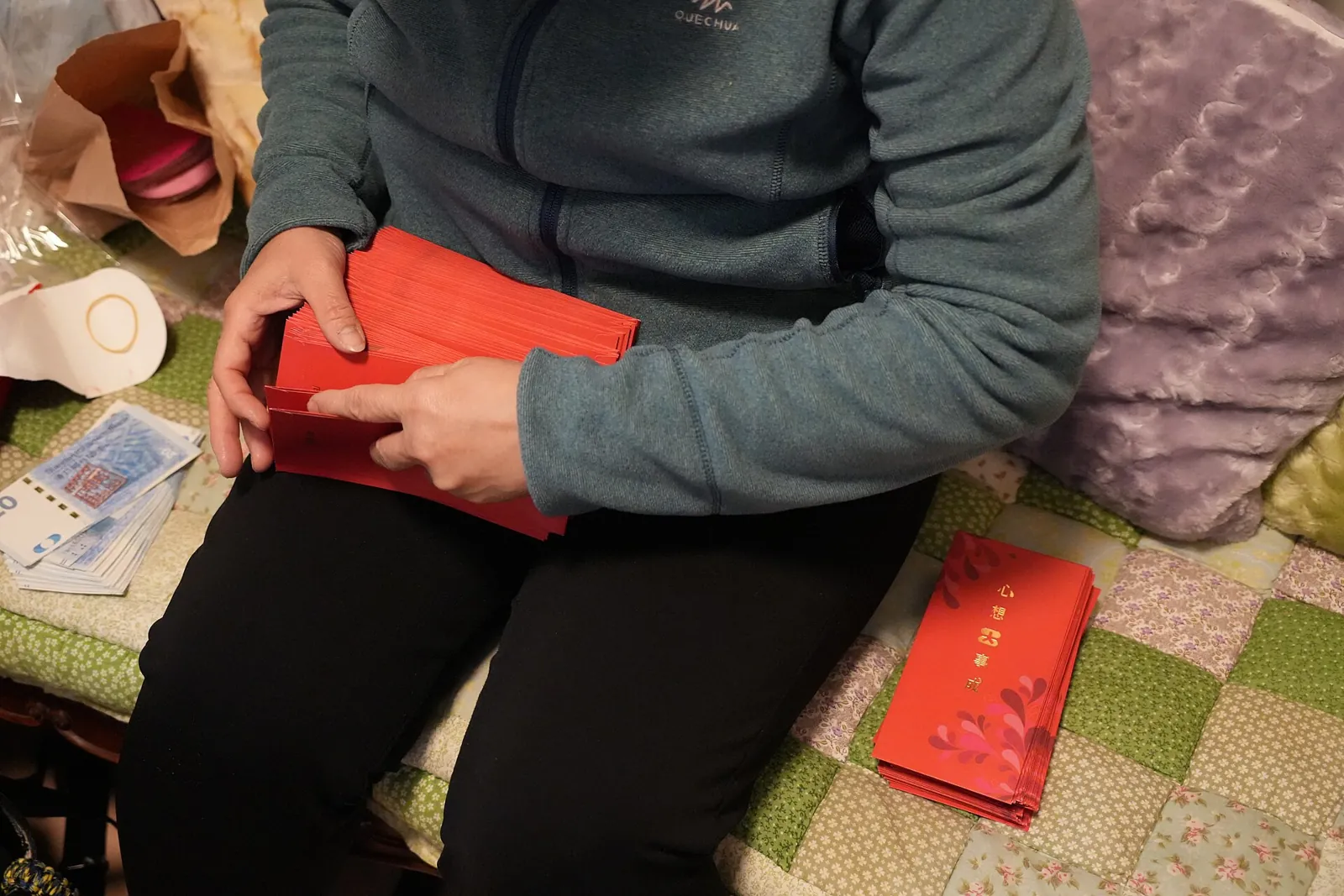
Lunar New Year follows the lunar calendar, so the date varies each year, usually falling in January or February. The central gift is lai see, money in red packets. Married people give lai see to children and unmarried younger relatives, employers give them to staff, and during the first days of the New Year many people also give them to building staff such as doormen, security guards and cleaners. Amounts usually avoid the number four, and new or nearly new notes are preferred. Recipients traditionally hold off opening packets until later in the holiday rather than in front of the giver. If you visit during the New Year, bring fruit, sweets or a hamper; see our Lunar New Year guides for ideas.
Mid-Autumn Festival
The Mid-Autumn Festival falls on the 15th day of the eighth lunar month, so its date varies each year, usually between early September and early October. In Hong Kong, mooncakes are bought mainly as presents for relatives, friends and business contacts, often in decorative boxes, and exchanges begin weeks before the festival. The day after the festival is a public holiday.
Christmas and birthdays
Christmas is widely celebrated in Hong Kong, especially at work and among friends. The same taboos about clocks, sharp objects and fours apply. Our Christmas guides have more ideas.
Business gifting
Gifts are common in Hong Kong business, particularly hampers and lai see around the New Year, but they are tightly regulated. Under Section 9 of the Prevention of Bribery Ordinance, enforced by the Independent Commission Against Corruption (ICAC), an employee may not solicit or accept any advantage in connection with their employer's business without the employer's permission, ideally given in advance. ICAC guidance urges companies to set written policies on what kinds and values of gifts staff may accept.
Rules for public servants are stricter. According to the ICAC, almost anything of value except entertainment counts as an advantage, regardless of value; accepting one in connection with official duties without permission is an offense for both the giver and the receiver, and the fact that red packets or festive hampers are customary is no defense. Do not send gifts or lai see to public servants. For private-sector contacts, keep gifts modest, ask about their company policy and see our business gifts guide.
Frequently asked questions
What should I bring to a Hong Kong home?
A small edible gift such as quality tea, sweets or fruit, wrapped in red or gold and given with both hands.
Who should I give lai see to in Hong Kong?
Married people traditionally give lai see to children and unmarried younger relatives and friends. Employers give them to staff, and many people also give them to building staff in the first days of the New Year.
How much should I put in a lai see packet?
There is no official amount; it depends on your relationship. Avoid amounts containing four, and use new or clean notes.
Why is giving a clock bad luck in Hong Kong?
"Giving a clock" sounds like the phrase for attending a funeral, so many Cantonese speakers regard it as a curse. If it happens by accident, the recipient may pay a coin to turn it into a purchase.
Can I give a gift to a Hong Kong client?
Modest gifts are common, but the client may need their employer's permission to accept under the Prevention of Bribery Ordinance. Keep it small and check their policy; never give to public servants.
For related customs, see our guides to China and Taiwan, or browse all countries.
Sources
- The Cultural Atlas — Hong Kong Culture: Etiquette. theculturalatlas.org
- Wikipedia — Faux pas derived from Chinese pronunciation. en.wikipedia.org
- Wikipedia — Red envelope. en.wikipedia.org
- Wikipedia — Mid-Autumn Festival. en.wikipedia.org
- ICAC Integrity Resource Hub for Public Bodies — FAQ. icac.org.hk
- ICAC Private Sector Integrity Centre — Principal's permission should be definite and given in advance. psic.icac.org.hk
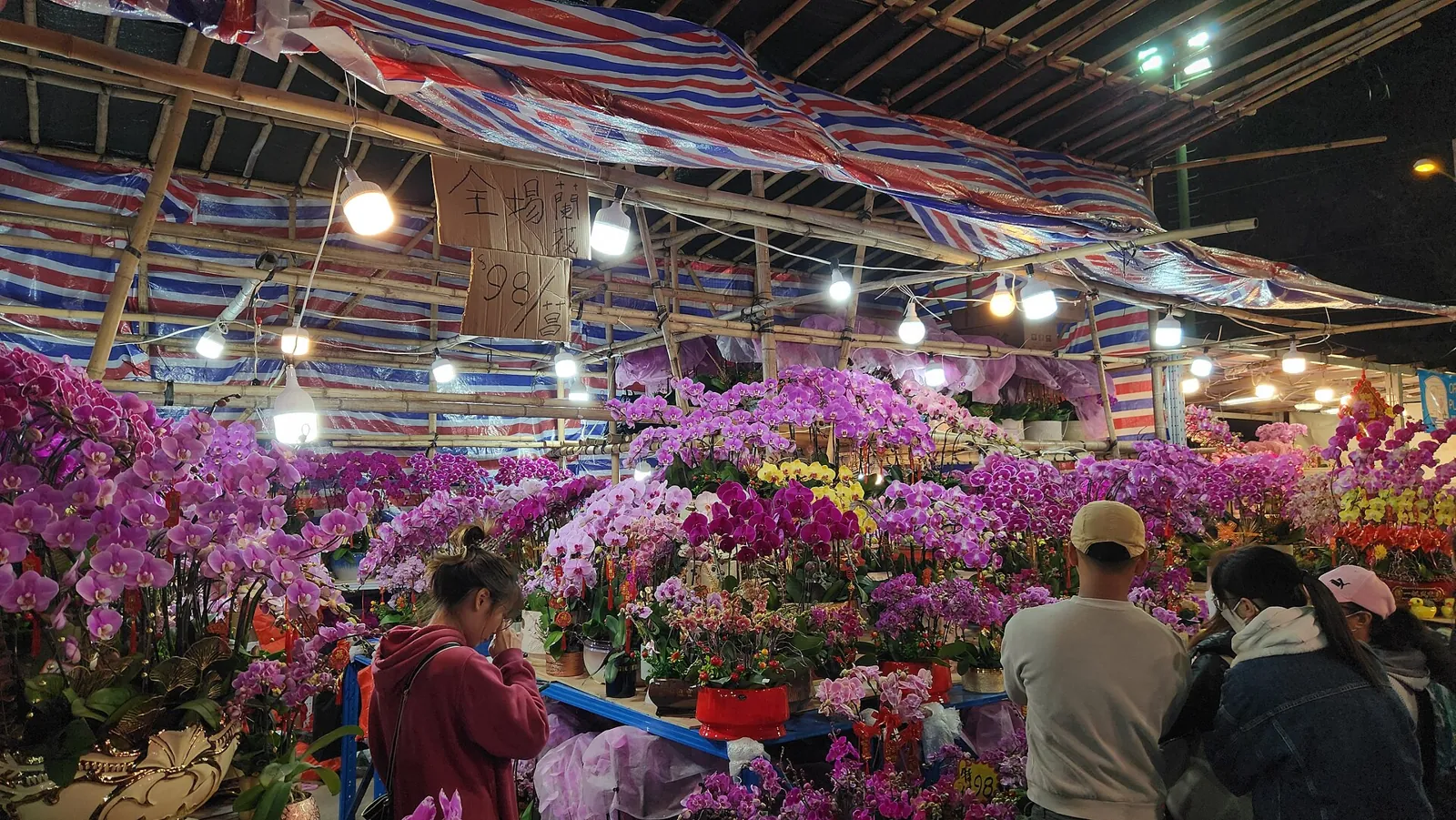
Image credits. Top image: Orchid sellers at Lunar New Year fair in Hong Kong by Evancyk, CC BY-SA 4.0, via Wikimedia Commons · In-article image: Putting some lucky money at red packet in home by Peachyeung316, CC BY-SA 4.0, via Wikimedia Commons
Spotted something out of date or a gift that's no longer available? Tell our editors — we review every correction.




