Gift Etiquette in Taiwan: What to Give, Avoid and How to Present It
What to bring to a Taiwanese home, which gifts and numbers to avoid, how to present and receive gifts, and how red envelopes work at Lunar New Year and weddings.
We independently research every pick. If you buy through our links we may earn a small commission, at no extra cost to you. Affiliate disclosure.
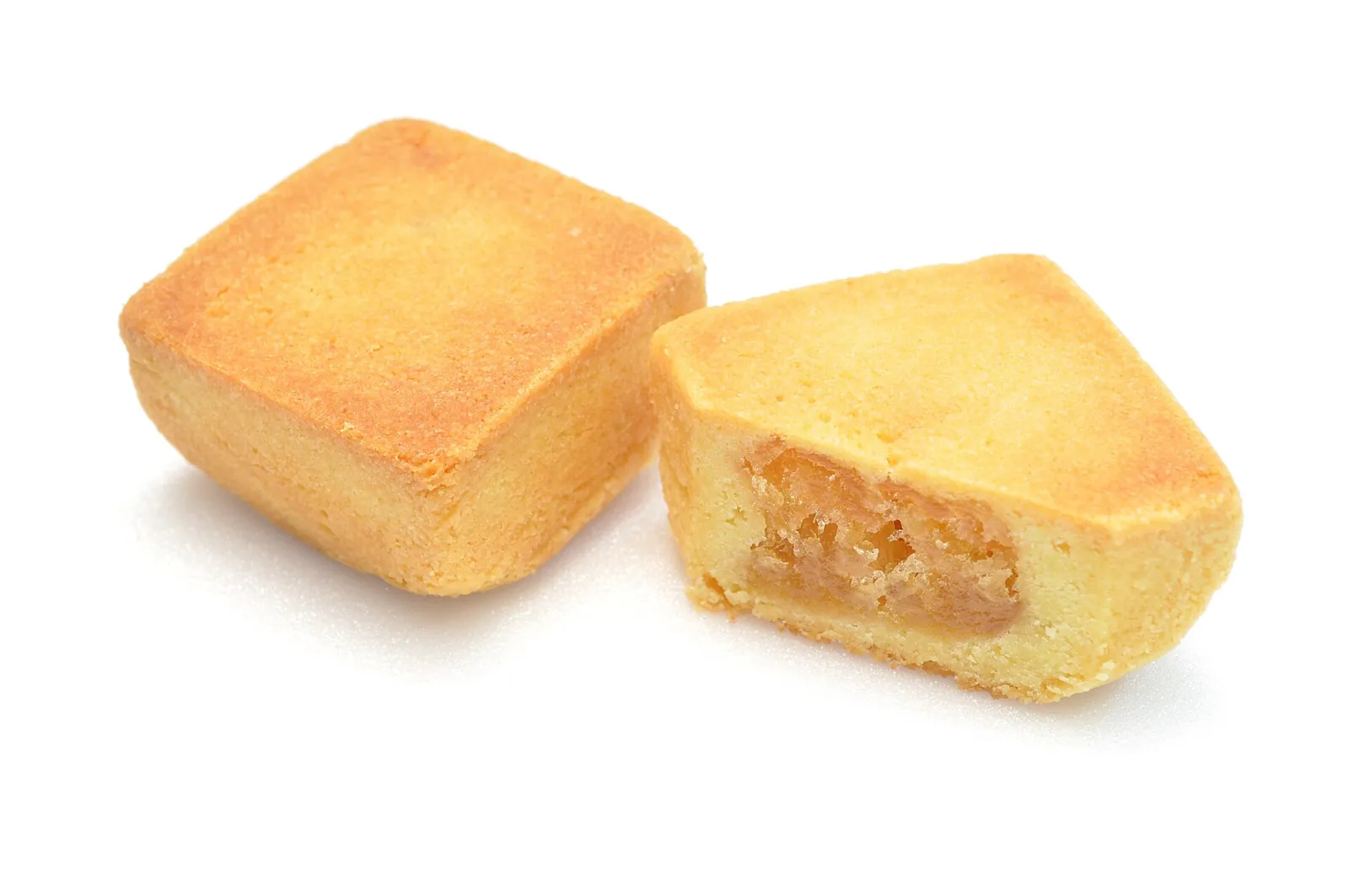
Quick answer
Being invited to a home in Taiwan is an honor, so bring a small, nicely wrapped gift such as fruit, pastries or a quality food basket, and offer it with both hands. Expect it to be politely declined at first and opened after you leave. Avoid clocks, umbrellas, knives and scissors, and anything in fours. At Lunar New Year and weddings, money in red envelopes is the main gift, always in even amounts.
- Typical host gift $15 – $50
- Hands Both hands to give and receive
- Opening Usually later, not in front of the giver
- Key occasions Lunar New Year, Mid-Autumn Festival, weddings
What to give
Gifts in Taiwan are about showing gratitude and respect, and the container and wrapping can matter as much as the gift itself. Food is the safest category: a nice food basket, boxed pastries or premium fruit are well received. Good-quality alcohol is also appreciated by many hosts. It is customary to return a gift of roughly equal value later, so a modest gift keeps things comfortable for both sides.
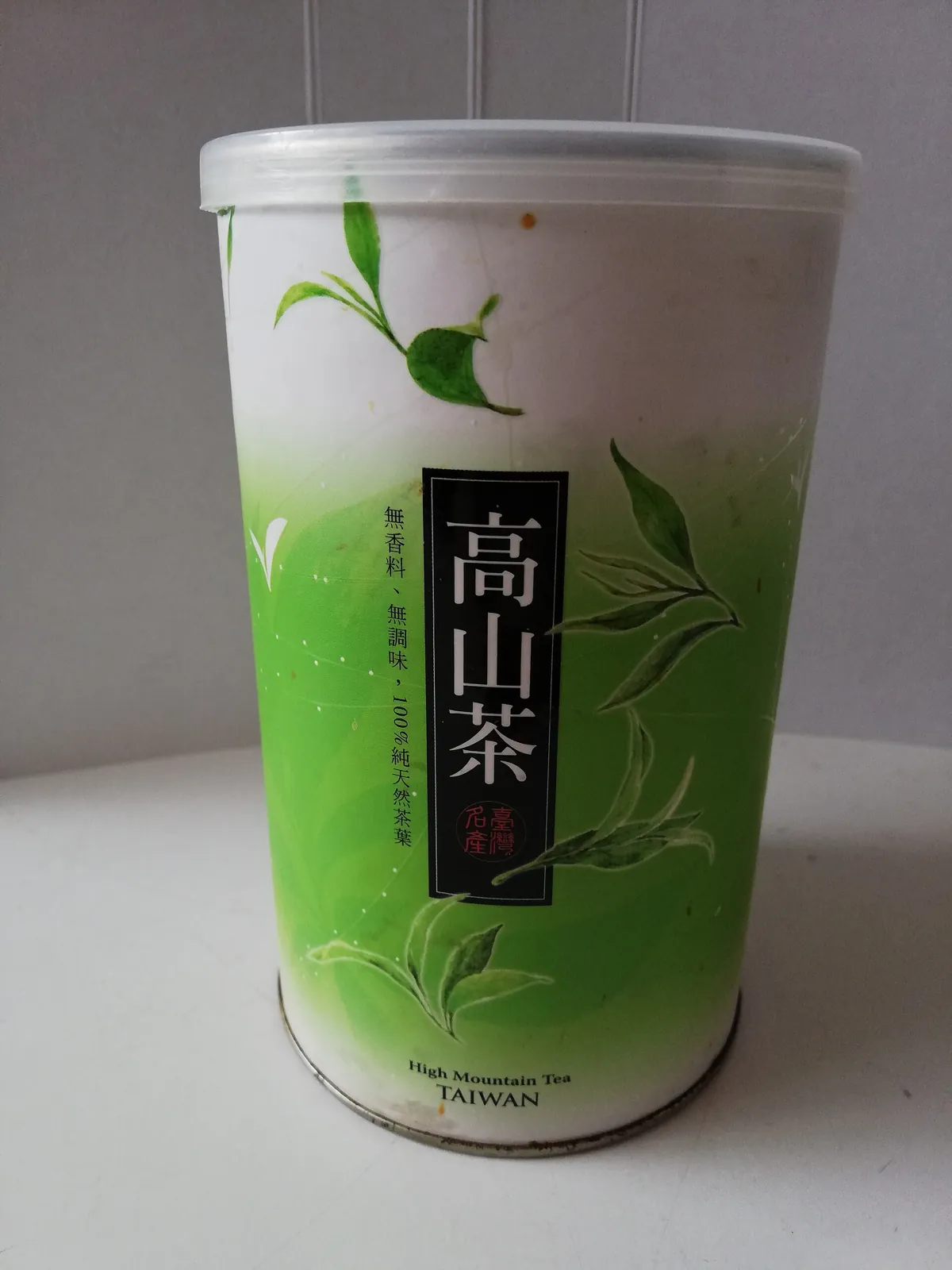
For a host
Fruit is a classic visiting gift that expresses thanks for the invitation. Pastries, sweets or a bottle of good wine or spirits also work well. Specialty items from your home country are a safe choice and a good conversation starter. Avoid bringing something that was made in Taiwan, which may be seen as offensive.
For friends, coworkers and in-laws
For in-laws and elders, choose quality over size and pay attention to presentation; red wrapping is festive. For coworkers, a box of snacks or pastries for the office is easy to share. Giving an even number of items, such as a pair, is common, since many people in Taiwan consider odd numbers unlucky.
A premium fruit box or food basket
Why it works: Fruit and food baskets are traditional host gifts and suit almost every household.
Skip it if: it contains four of anything; choose six or eight pieces instead.
Boxed pastries or sweets
Why it works: Pastries and sweets are traditional New Year and visiting gifts and are easy to share.
Skip it if: the host has dietary restrictions you know of; fruit is a simple alternative.
A bottle of good wine or spirits
Why it works: High-quality alcohol is a well-regarded gift and a traditional choice when visiting at New Year.
Skip it if: you know the host does not drink or is in recovery.
A specialty from your home country
Why it works: Something from where you live shows thought and avoids the awkwardness of a locally made gift.
Skip it if: it is a clock, an umbrella, a knife or a mirror; see the taboo list below.
What to avoid
- Clocks. In Mandarin, "giving a clock" sounds like the phrase for attending a dying person or a funeral. Wristwatches are generally less of a problem, but a watch caused a well-publicized faux pas in Taipei in 2015, so many people avoid them too.
- Umbrellas. The word for umbrella sounds like the word for "separate," suggesting a breakup.
- Knives, scissors and other blades. They symbolize severing the relationship.
- Mirrors. They are associated with bad luck and can break into sharp pieces.
- Shoes. Many people see them as a hint that you want the person to walk away, especially between couples.
- Four of anything. The number four sounds like "death." Avoid sets of four and money amounts containing four.
- Odd amounts of money at celebrations. Odd sums are traditionally linked to funerals.
- Gifts made in Taiwan. A locally made item may be seen as offensive coming from a visitor.
How to give and receive
- Use both hands. Offering and receiving objects and food with both hands shows respect.
- Expect a polite refusal. A gift is often declined at first. Insist gently until it is accepted rather than forcing the issue.
- Do not expect it to be opened. Gifts are generally not opened in front of the giver.
- Wrap it well. The container and wrapping can be as important as the gift. Red is festive; many people avoid black and white at celebrations.
- Take off your shoes. Shoes usually come off at the door. Accept the slippers you are offered, even if they are a bit small.
- Compliment the home. Praising something in the home gives "face" to your host.
Holidays and occasions
Lunar New Year
Lunar New Year is the biggest holiday in Taiwan. It follows the lunar calendar, so the date changes each year, usually falling in late January or February. Elders give red envelopes (hongbao) to children, and working adults give envelopes to their parents and grandparents as a sign of respect, usually with the largest amounts. Use crisp new bills and even amounts; Taiwan News lists NT$600, NT$1,200, NT$2,200 and NT$3,600 as common safe choices, and anything containing a four is avoided. Guests are not expected to give money to the host, though a red envelope for the host's children is a generous gesture. Fruit, pastries and liquor are traditional gifts when visiting. See our Lunar New Year guides for more ideas.
Mid-Autumn Festival
The Mid-Autumn Festival falls on the 15th day of the eighth lunar month, so the date varies each year, usually between early September and early October. It is a public holiday in Taiwan. Boxes of mooncakes and pomelos are popular gifts, and outdoor barbecues with family and friends have become a widespread way to celebrate.
Weddings
At weddings, money in a red envelope is the preferred gift. As at New Year, use an even amount and avoid fours. Odd sums belong to funerals, so getting this right matters. See our wedding section for gift ideas if you also want to give a present.
Business gifting
In business, modest, well-wrapped gifts are welcome, especially food or items from your company's home region. Present the gift with both hands, expect it to be declined at first, and do not expect it to be opened in front of you. Apply the same taboos as in personal gifting, and remember that a gift may be reciprocated, so lavish gifts can create an uncomfortable obligation.
Gifts to public officials are strictly limited. Under Taiwan's Integrity and Ethics Guidelines for Public Officials, a gift from a party with an interest in an official's duties generally must not exceed NT$500 in value, with a higher cap of NT$3,000 for special occasions such as weddings, and bribery is a criminal offense. Private companies often have their own gift policies, so ask before giving anything of value. Our business gifts guide has general advice.
Frequently asked questions
What should I bring to a Taiwanese home?
Fruit, boxed pastries, a food basket or good wine or spirits are all well received. Wrap the gift nicely and give it with both hands.
Why can't you give a clock in Taiwan?
In Mandarin, "giving a clock" sounds like the phrase for seeing someone off at death, so a clock is seen as a bad omen, especially for older people.
How much should I put in a red envelope in Taiwan?
It depends on the relationship. Use an even amount without fours, such as NT$600 or NT$1,200, and new bills. Parents and grandparents usually receive more.
Should I open a gift in front of the giver in Taiwan?
Usually not. Thank the giver and open it later, unless they encourage you to open it.
Can I give a gift to a Taiwanese government official?
Only a token one, if at all. Officials generally may not accept gifts above NT$500 from people with an interest in their work.
For related customs, see our guides to Hong Kong and Japan, or browse all countries.
Sources
- The Cultural Atlas — Taiwanese Culture: Etiquette. theculturalatlas.org
- Wikipedia — Faux pas derived from Chinese pronunciation. en.wikipedia.org
- Taiwan Scene — Chinese New Year in Taiwan part two: gift giving, etiquette and more. taiwan-scene.com
- Taiwan News — Taiwan Lunar New Year red envelope traditions explained. taiwannews.com.tw
- Wikipedia — Mid-Autumn Festival. en.wikipedia.org
- Global Compliance News (Baker McKenzie) — Anti-corruption in Taiwan. globalcompliancenews.com
Image credits. Top image: Taiwanese Pineapple Cake 001 by Ocdp, CC0 1.0, via Wikimedia Commons · In-article image: High Mountain Tea Box from Taiwan by Mojmir Churavy, CC BY-SA 4.0, via Wikimedia Commons
Spotted something out of date or a gift that's no longer available? Tell our editors — we review every correction.




