Gift etiquette in Japan: what to give, avoid and how to present it
In Japan, a modest gift wrapped with care says more than an expensive one. Here is what to bring, what to avoid and how to present it.
We independently research every pick. If you buy through our links we may earn a small commission, at no extra cost to you. Affiliate disclosure.
Quick answer
In Japan, a modest, beautifully wrapped gift matters more than an expensive one. Bring a small edible gift (temiyage) when you visit someone, and a regional snack for coworkers after a trip (omiyage). Hand gifts over with both hands, play them down a little, and don't expect them to be opened in front of you. Avoid sets of four or nine, white flowers such as lilies, and sharp or fire-related items for a home. The big seasonal gift periods are ochugen in summer and oseibo at year end.
- Typical budget About 1,000 to 5,000 yen (roughly $7 to $35) for a personal gift
- Hand it over With both hands
- Numbers to avoid 4 and 9
- Gift seasons Ochugen (summer) and oseibo (December)
What to give
Gifts in Japan are part of an ongoing cycle of thanks and obligation, and they mark everything from house visits to births, graduations and weddings. Cultural Atlas notes that people nearly always bring something when visiting another person's home. Two words are worth knowing:
- Temiyage is the thank-you gift you bring when you visit someone, such as a host family, friends or in-laws.
- Omiyage are souvenirs you bring back from a trip for family, friends and coworkers. Regional foods and local specialties are the classic choice, often sold pre-wrapped at stations and airports.
For visitors, japan-guide.com suggests food, drinks or other products from your home country, at a price that is neither too cheap nor too expensive. Edible gifts work well because hosts often share them during the visit, so pick something you would happily eat yourself. Keep in mind that Japan restricts some food and plant products at the border, so check before you pack fresh or meat-based items. For more ideas that travel well, see our guide to food gifts.
Specialty sweets or snacks from your home region
Why it works: A local specialty is the spirit of both temiyage and omiyage, and a box of individually wrapped treats is easy for a family or office to share.
Skip it if: The box holds four or nine pieces, or the item needs refrigeration on a long trip.
Quality alcohol, tea or coffee
Why it works: Drinks are among the most common seasonal gifts in Japan, and beer, coffee and tea feature heavily in summer gift catalogs. A good bottle of wine or whisky from your country is a welcome host gift for adults who drink.
Skip it if: You know your host doesn't drink, or you are bringing green tea to a celebration (some people associate it with funerals).
Small household items or stationery
Why it works: Cultural Atlas lists hand towels, small household goods and stationery among popular gifts. A nicely made set of tea towels or a notebook is practical and modest.
Skip it if: The recipient is your boss. Pens and watches can be read as a hint to work harder.
Fruit or a flower arrangement
Why it works: Fruit is a standard seasonal gift, and flowers or plants are commonly given, sometimes outside before going indoors.
Skip it if: You are visiting someone in hospital (potted plants suggest illness "taking root") or the bouquet includes lilies, lotus, camellias or white flowers.
What to avoid
- Sets of four or nine. The Japanese reading of four, shi, sounds like the word for death, and nine, ku, sounds like the word for suffering. Avoid four cakes, nine cookies or similar.
- White flowers, lilies, lotus and camellias. These are associated with funerals. Potted cyclamen is also avoided because its Japanese name contains the sounds shi and ku.
- Knives and scissors for weddings or a new home. They can suggest cutting ties, although some people read them more positively today.
- Fire-related gifts for a home, such as ashtrays, heaters, lighters or scented candles. Some people also avoid red items for a housewarming because of the link with fire.
- Glassware for a wedding. Breakable items can suggest a broken marriage.
- Socks or shoes for a parent or boss, since anything linked with stepping on someone is considered impolite.
- Anything lavish or very personal for someone you don't know well. It can create an awkward obligation to give back at the same level.
Nippon.com's etiquette guide makes a useful point: apart from obviously unwelcome items, a gift you are confident will please the recipient is fine. Many of these beliefs are softening, especially among younger people.
How to give and receive
- Use both hands to give and to receive. This applies to the giver and the recipient alike.
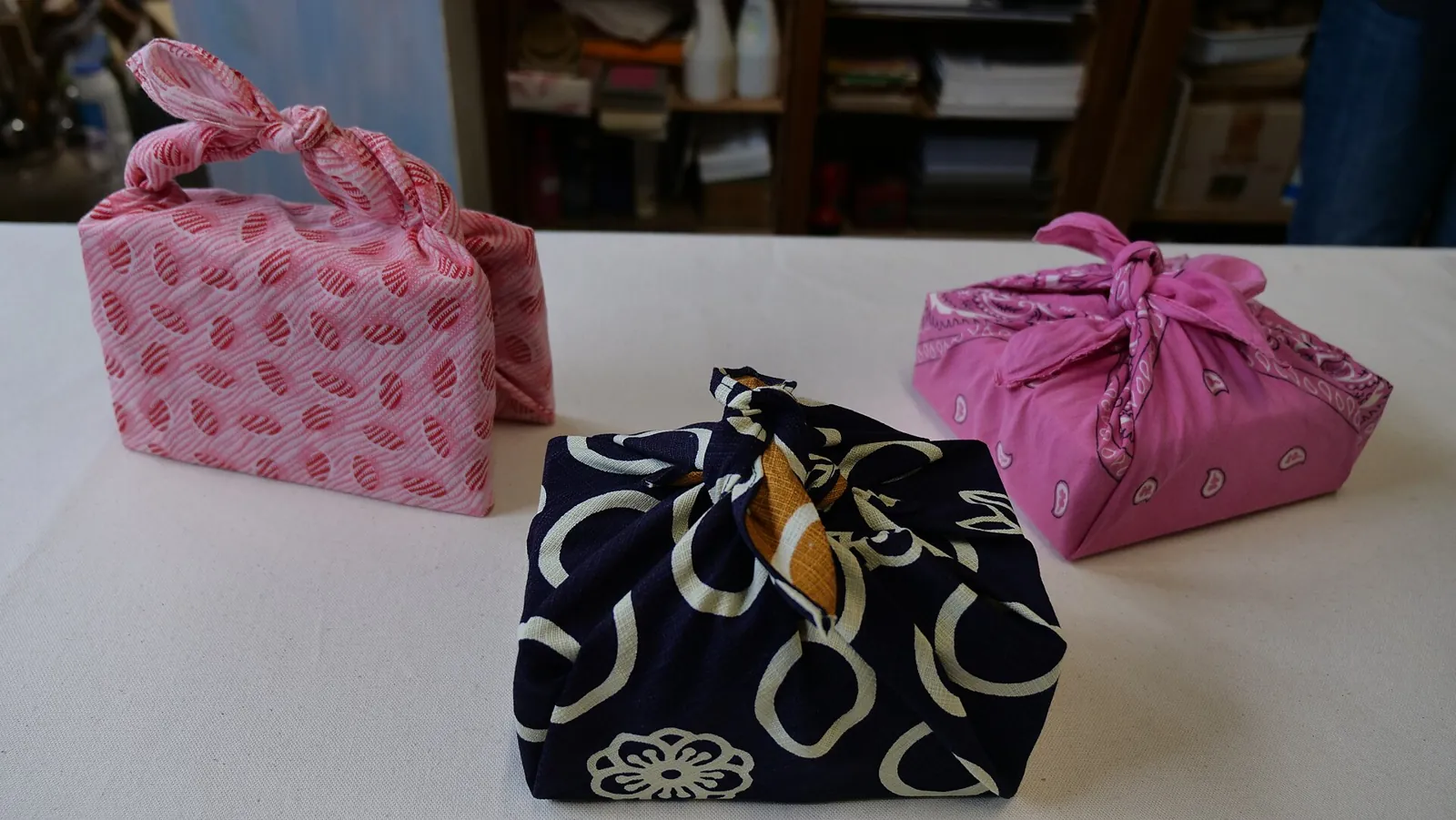
- Wrap it well. Presentation gets real attention in Japan. If you don't wrap the gift, hand it over in a neat bag, ideally from the shop where you bought it. For more on presentation, see our gift wrapping guide.
- Choose the moment. Gifts for individuals are usually given privately and once you are indoors. Gifts for a group, such as omiyage for the office, can be left in a shared area.
- Be modest about it. People tend to downplay the value of what they give, so avoid talking up the price.
- Expect a polite refusal. The recipient may decline once or twice before accepting. Offer again gently. If someone senior offers you a gift, accept it, as refusing can be rude.
- Don't open on the spot by default. Gifts are often opened later. If you would like to open one in front of the giver, ask first.
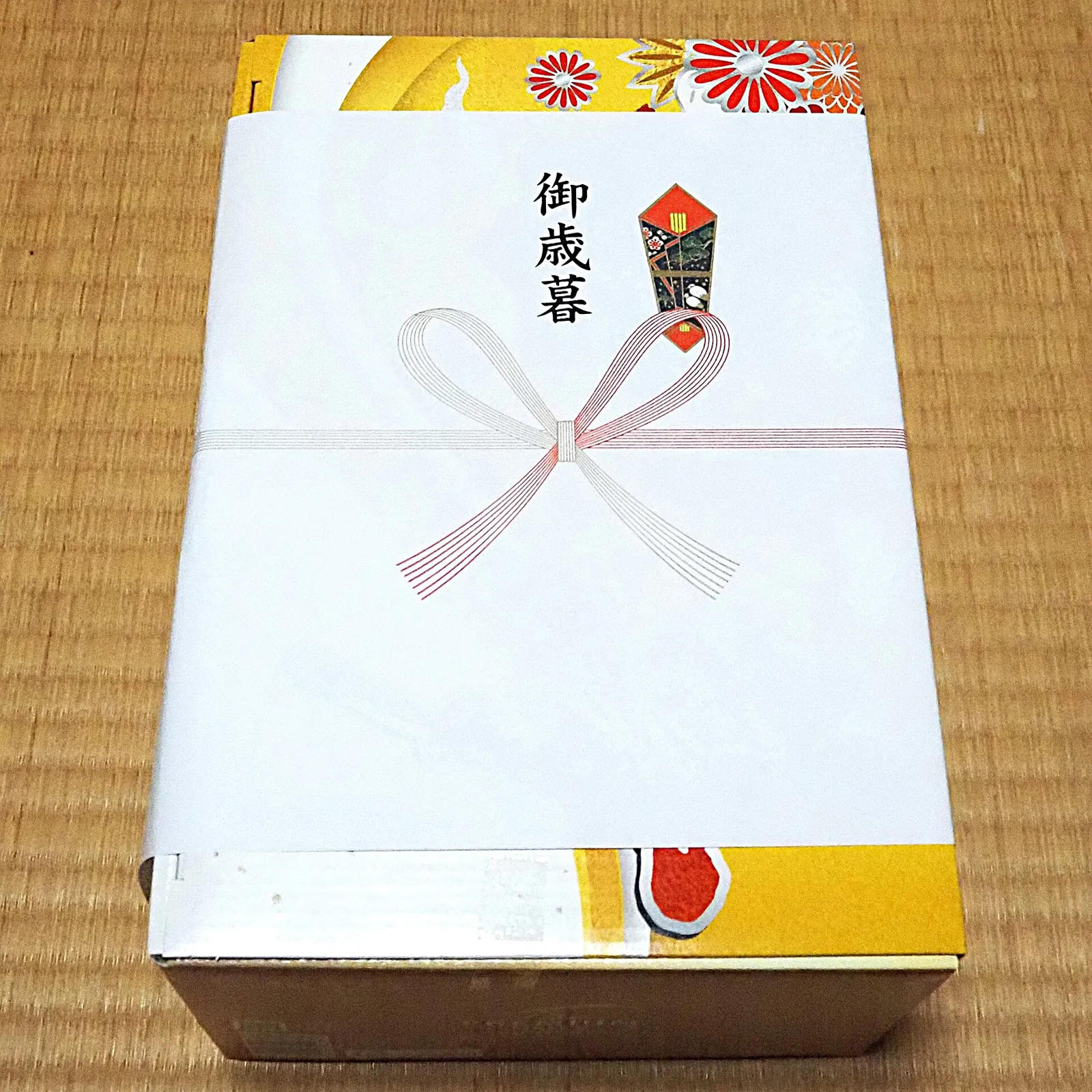
- Money goes in an envelope. Cash gifts, such as at weddings, are placed in a decorative envelope, never handed over loose. Formal gifts may carry a noshi decoration and mizuhiki cord, whose colors and knots depend on the occasion.
- Say thank you afterward. A note or call is customary, and for weddings, births and some other events a return gift (okaeshi) of roughly half the value is traditional.
Holidays and occasions
Ochugen (summer)
Ochugen gifts thank people you owe a debt of gratitude, often a boss, teacher or client. Nippon.com puts the season at roughly early July to mid-August, with regional variation, overlapping the Obon period. Typical gifts are beer and other drinks, fruit, sweets, seafood and gift coupons, usually costing about 3,000 to 5,000 yen per item.
Oseibo (year end)
Oseibo gifts thank people for favors received during the year and are sent mainly in December. The contents are similar to ochugen. japan-guide.com notes that both traditions are fading, but many companies and older households still keep them.
New Year
Children receive otoshidama, New Year money in small decorated envelopes, from parents and relatives.
Valentine's Day and White Day
On Valentine's Day, chocolate is traditionally given, and gifts are returned one month later on White Day, March 14.
Christmas and birthdays
These are not traditional Japanese gift occasions, but exchanging presents for them has become popular in recent decades, especially among couples and families with children. See our Christmas gift ideas if you are visiting in December.
Business gifting
Gifts still play a role in Japanese business relationships, but expectations depend on the company. A modest, good-quality item tied to your home country or region is a safe choice, and food that a team can share works well. Present it with both hands and with modest words rather than a speech about what it cost.
- Timing: Gifts often come at a first meeting, at the end of a visit, or during the ochugen and oseibo seasons.
- Value: Keep it moderate. Expensive or unusually personal gifts can raise awkward questions about what is expected in return.
- Rules: Check your own company's policy and the recipient's. Many organizations cap gift values, and public officials are subject to strict ethics rules. Anti-bribery laws in Japan and in your home country can apply to gifts for officials and business partners.
Our business gift guide and country etiquette hub cover more destinations, including neighboring South Korea and China.
Frequently asked questions
What gift should I bring to a Japanese host family?
A specialty food or drink from your home country or region is ideal, ideally in an attractive box that can be shared. Japan-guide.com suggests a price of about 1,000 to 5,000 yen. Avoid sets of four or nine and check customs rules before packing food.
What is the difference between omiyage and temiyage?
Omiyage are souvenirs brought back from a trip for family, friends and coworkers. Temiyage are thank-you gifts you bring when visiting someone's home.
Should I open a gift in front of a Japanese person?
Not automatically. Gifts are often opened later. If you would like to open it right away, ask first, and receive it with both hands.
Why is the number four unlucky in Japan?
One reading of four, shi, sounds like the word for death, and nine, ku, sounds like the word for suffering. That is why gifts in sets of four or nine are avoided.
When are ochugen and oseibo?
Ochugen is roughly early July to mid-August and oseibo is mainly in December. Exact windows vary by region, so check local practice if you are sending gifts.
Sources
- Cultural Atlas — Japanese culture: Etiquette. theculturalatlas.org
- Nippon.com — Gift-giving etiquette in Japan (A basic guide to Japanese etiquette). nippon.com
- Nippon.com — Japan Glances: The social custom of gift giving. nippon.com
- japan-guide.com — Giving gifts. japan-guide.com
- Commisceo Global — Japan: Language, culture, customs and etiquette. commisceo-global.com
- Tofugu — Gift giving in Japan. tofugu.com
Image credits. Top image: Furoshiki, traditional japanese wrapping technique with cloths (1) by Culture Japon, CC BY-SA 4.0, via Wikimedia Commons · In-article image: Oseibo gift with noshi paper by Huugo, CC0 1.0, via Wikimedia Commons
Spotted something out of date or a gift that's no longer available? Tell our editors — we review every correction.




