Lucky colors and numbers in gift giving around the world
Eight is lucky and four is not in Chinese culture, Russians give odd numbers of flowers, Indian money gifts end in one. Here is how colors and numbers work.
Quick answer
In Chinese culture, red and gold are the lucky gift colors, eight is the luckiest number and even amounts are preferred, while four is avoided. Money in red envelopes should be in new notes and even sums. In Russia the rule flips: flowers go in odd numbers, because even numbers are for funerals. Indian money gifts traditionally end in one, such as 101 or 501 rupees. In Thailand, blue, black and green wrapping is avoided. Knowing which rule applies to your recipient matters more than any universal list.
- Luckiest number (Chinese) 8
- Number to avoid (Chinese, Japanese, Korean) 4
- Flowers in Russia Odd numbers
- Indian money gifts End in 1
Lucky numbers in Chinese gift giving
Most Chinese number beliefs come from how numbers sound. Wikipedia's overview of Chinese numerology explains the main ones:
| Number | Sounds like | In practice |
|---|---|---|
| 2 | "Good things come in pairs" | Pairs and even numbers are generally preferred |
| 4 | Death (especially in Cantonese) | Avoid sets of four and amounts like 40 or 400 |
| 6 | Smooth (Mandarin), good fortune (Cantonese) | Popular for business and money gifts |
| 8 | To prosper (fā) | The luckiest number; the Beijing Olympics opened at 8:08 pm on 8/8/08 |
| 9 | Long-lasting | Often used at weddings |
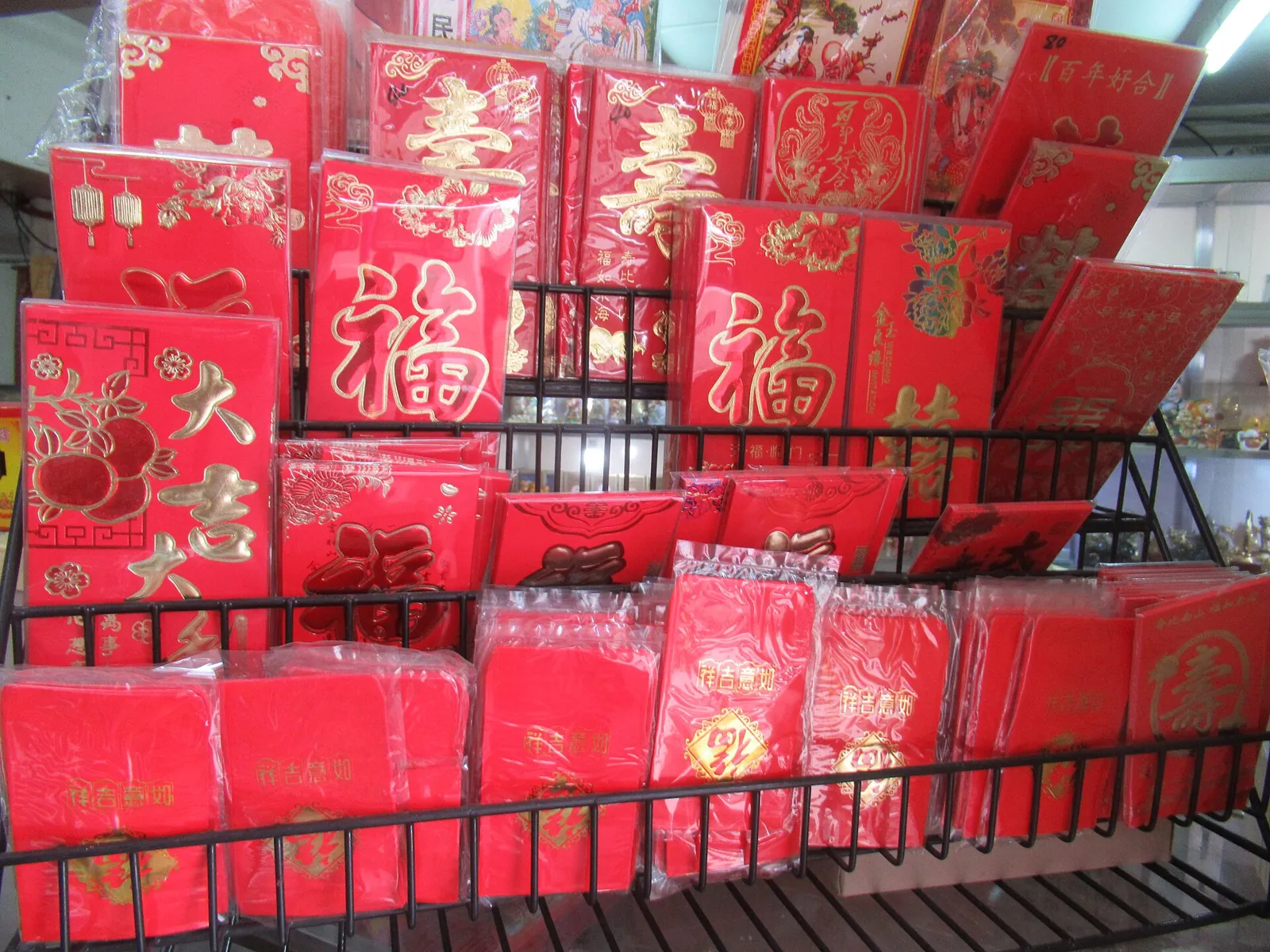
Wikipedia's article on red envelopes adds the money rules: amounts usually end in an even digit, with nine as an exception; money should not be given in fours; and odd-numbered money gifts are traditionally associated with funerals, although some regions and families prefer odd sums for weddings because they are hard to divide. New notes are favored over old ones, which is why people queue at banks before Lunar New Year. Our guide to Lunar New Year red envelopes has practical amounts and etiquette.
Lucky colors in Chinese gift giving
Cultural Atlas says gifts wrapped in red and gold paper denote luck, while white, blue or black wrapping has sour connotations. If you are unsure, a plain red bag or red paper with gold ribbon is hard to get wrong. See gift etiquette in China for more.
The four-is-unlucky rule also applies in Japan and Korea. Wikipedia notes that in Japan four was once considered auspicious but became associated with death under Chinese influence; today sets of four (and nine) are avoided in Japanese gifts.
Odd and even numbers in Russia
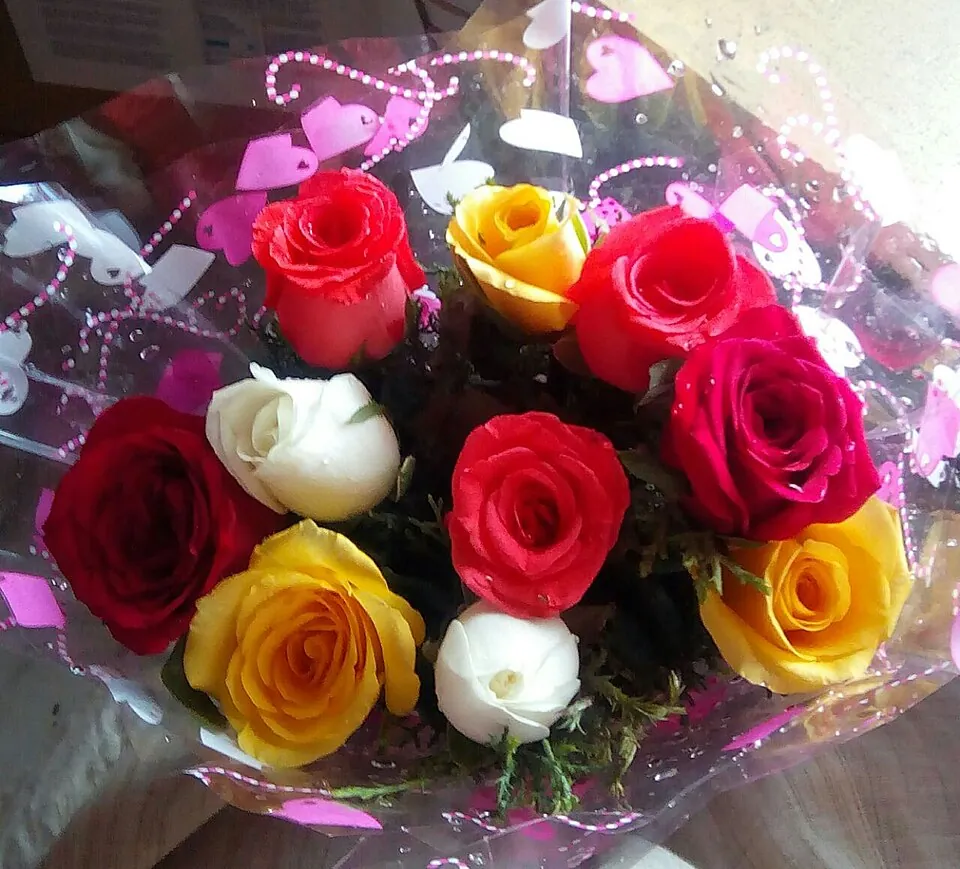
Russia is the clearest example of a culture where odd numbers are lucky. Cultural Atlas advises giving an uneven number of flowers for any occasion except a funeral, where even numbers are used, and notes that bigger bouquets are considered better. Yellow flowers are not for a romantic interest, and a yellow gift to a friend can imply disloyalty. Three, five or seven stems is the easy choice. More in our Russia gift etiquette guide.
Why Indian money gifts end in one
At Indian weddings, birthdays and festivals, cash gifts (shagun) are often given as 101, 501 or 1,001 rupees. DNA India explains several reasons for the extra rupee: zero suggests an ending while one signals a new beginning; an odd sum can't be divided evenly, which traditionally symbolized a couple working together; and the coin itself is linked with prosperity and the goddess Lakshmi. Some families attach a one-rupee coin to the envelope rather than adding it to the notes. See gift etiquette in India.
Wrapping colors in Thailand
In Thailand, Cultural Atlas says blue, black and green are avoided for gift wrapping because they are typically associated with death and mourning. Bright paper is a safer choice. Hand the gift over with your right hand or both hands, since using only the left is taboo. See our Thailand gift etiquette page.
A quick reference
| Culture | Lucky | Avoid |
|---|---|---|
| Chinese | Red, gold; 8, 6, 9; even amounts | White, blue, black wrapping; 4 |
| Japanese | Pairs or sets of other sizes | Sets of 4 and 9 |
| Russian | Odd numbers of flowers | Even bouquets; yellow flowers for romance |
| Indian | Amounts ending in 1 | Round sums ending in 0 for money gifts |
| Thai | Bright wrapping | Blue, black, green wrapping |
How to use these rules
Colors and numbers are easy to get right once you think about them before you shop, not after. A few habits help:
- Count what is in the box. Chocolates, cookies and glasses often come in fours; choose a box of six or eight for Chinese, Japanese or Korean recipients.
- Count the stems before you hand over a bouquet in Russia or to Russian friends, and remove one if needed.
- Ask for wrapping at the store and name the color you want, since many shops default to white or dark paper.
- For money gifts, plan the amount in advance and get new notes from the bank.
- Remember that families differ. Many people in diaspora communities follow some customs and not others, so if you know the person well, it is fine to ask.
Our gift wrapping guides help with the presentation side. For the objects (not just numbers) to avoid, see unlucky gifts around the world.
Frequently asked questions
Why is eight lucky in Chinese culture?
Because the word for eight sounds like the word for prospering. Numbers with several eights are considered especially lucky.
How much should I put in a red envelope?
An even amount, never one involving four, in new notes. Amounts with eights are popular. The right sum depends on your relationship and local custom.
Why do Russians give odd numbers of flowers?
Even numbers of flowers are used at funerals, so odd numbers are given for every happy occasion.
Is white an unlucky color for gifts?
In Chinese culture, white wrapping has negative associations, so it is best avoided. In the US and UK, white is associated with weddings and is perfectly fine.
Sources
- Wikipedia — Chinese numerology. en.wikipedia.org
- Wikipedia — Red envelope. en.wikipedia.org
- Cultural Atlas — Chinese culture: etiquette. theculturalatlas.org
- Cultural Atlas — Russian culture: etiquette. theculturalatlas.org
- DNA India — Why do we add a Rs 1 coin in a shagun envelope? dnaindia.com
- Cultural Atlas — Thai culture: etiquette. theculturalatlas.org
Image credits. Top image: Lunar Year Water Rabbit in Manila Chinatown 22 by Zarate123, CC BY-SA 4.0, via Wikimedia Commons
Spotted something out of date or a gift that's no longer available? Tell our editors — we review every correction.