Flower meanings for gifts: what each bloom and color says
Red roses say love, yellow carnations once said disdain. Here is what common gift flowers traditionally mean, and the cultural rules that matter more.
Quick answer
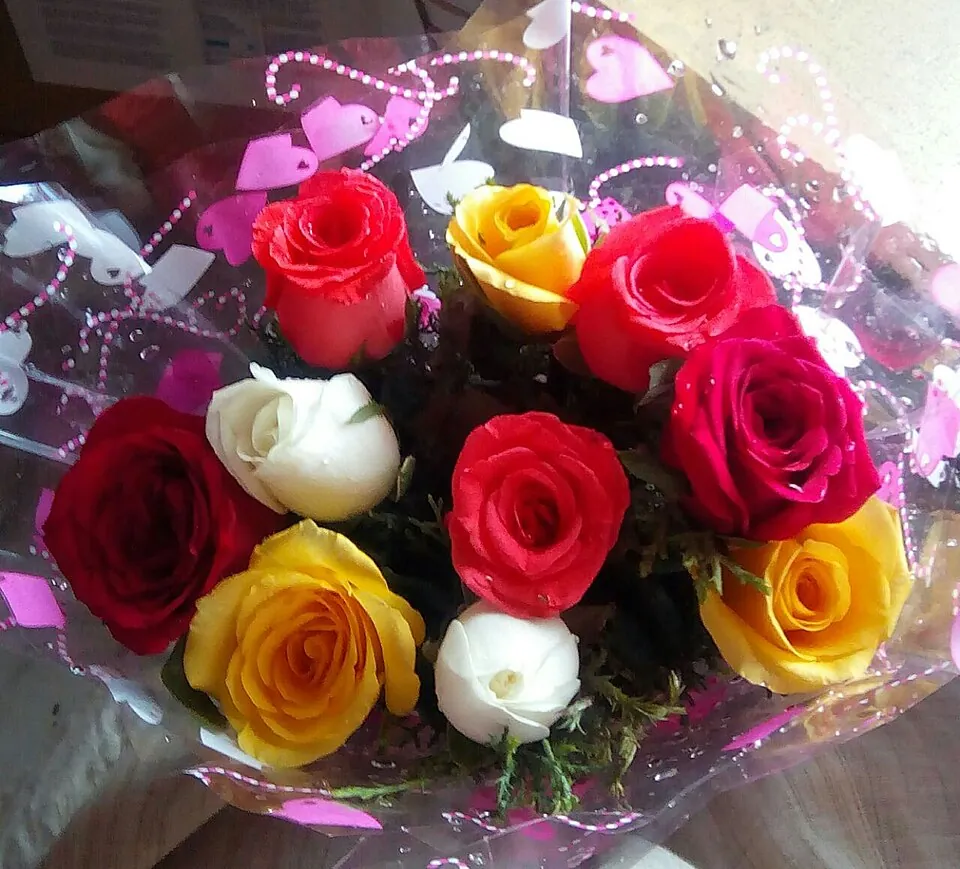
Most flower meanings come from nineteenth-century "language of flowers" dictionaries, which often disagreed. The meanings that still matter: red roses signal romantic love, white flowers suggest purity or sympathy, and yellow can mean friendship or, on older lists, jealousy. When giving abroad, local customs count for more than symbolism: chrysanthemums are grave flowers in parts of Europe, white and yellow flowers can be unlucky in China, and Russians give odd numbers of stems for happy occasions.
- Origin Ottoman sélam and Victorian floriography
- First flower dictionary Charlotte de la Tour, 1819
- Safest gift color Mixed or pastel bouquets
Where flower meanings come from
Wikipedia's history of floriography traces the idea to the Ottoman sélam, a custom of sending coded messages with objects, which the writer Mary Wortley Montagu described to English readers after her time in Constantinople in 1718. Joseph Hammer-Purgstall published what appears to be the first list of flower meanings in 1809, and in 1819 Louise Cortambert, writing as Madame Charlotte de la Tour, published Le langage des fleurs, the first true flower dictionary. English and American versions followed, and "talking bouquets" became a Victorian pastime.
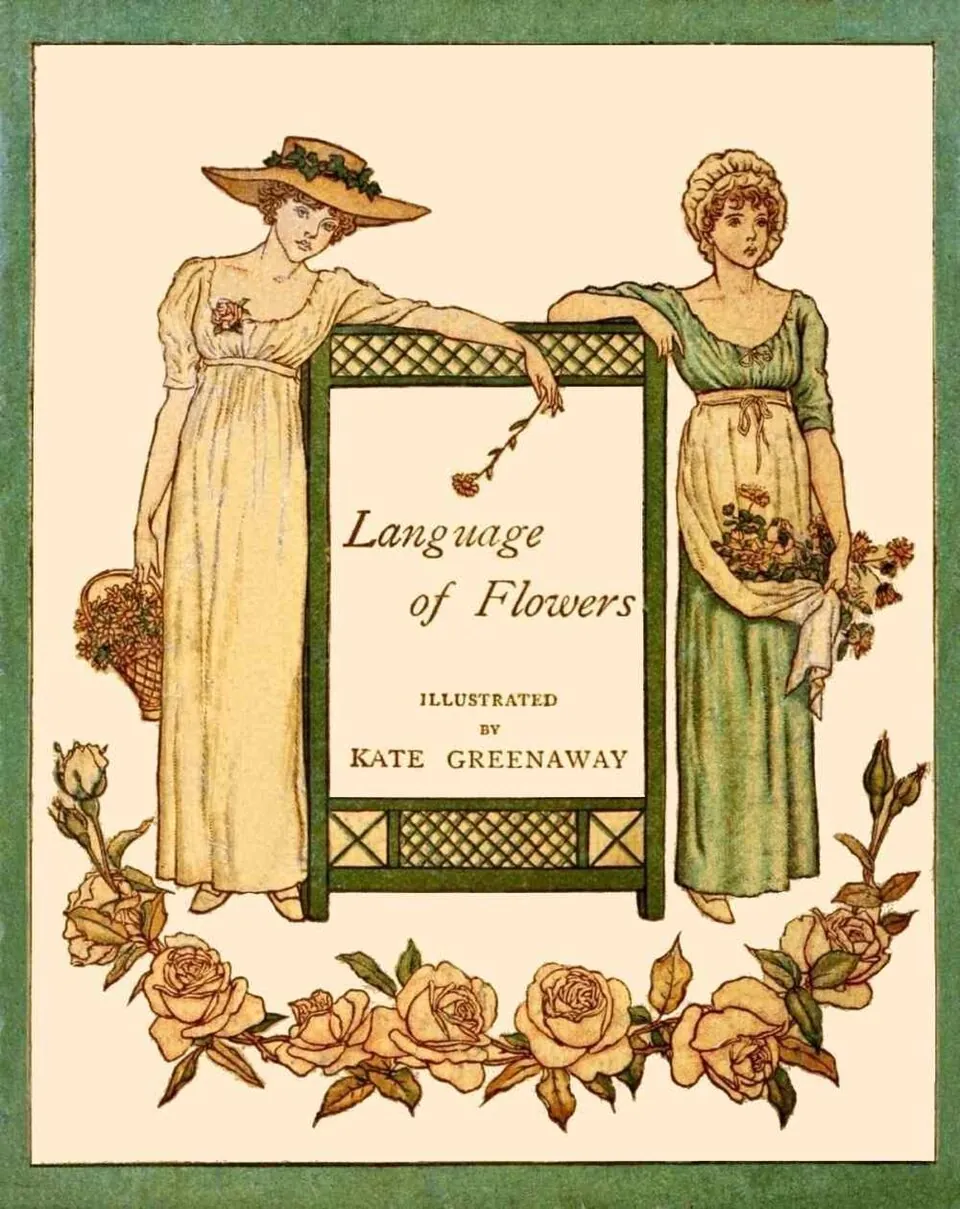
The catch is that these books did not agree. Wikipedia notes there is no universally accepted set of meanings, and interpretations varied between sources. So use the list below as a guide to the common associations, not a code your recipient will decode.
Common gift flowers and their meanings
These meanings are taken from The Old Farmer's Almanac, which draws on Victorian sources.
| Flower | Traditional meaning | Good for |
|---|---|---|
| Red rose | Love and desire, "I love you" | Partners, Valentine's Day, anniversaries |
| Pink rose | Happiness, grace, gentleness | Thanks, friends, mothers |
| White rose | Innocence, purity, new beginnings | Weddings, sympathy |
| Yellow rose | Jealousy or decreased love (Victorian); today often friendship | Friends, if you know they won't read it the old way |
| Pink carnation | "I'll never forget you" | Mothers, remembrance |
| Red tulip | Passion, a declaration of love | Romantic gifts in spring |
| Yellow tulip | Sunshine in your smile | Cheerful thank-yous, get well |
| White lily | Purity | Weddings, sympathy |
| Daisy | Innocence, loyal love | Casual, friendly bouquets |
| Iris | Faith, hope, wisdom | Encouragement, graduations |
| Peony | A happy life (also bashfulness) | Weddings, birthdays |
| Forget-me-not | True love's memories | Farewells, long-distance gifts |
| Rosemary | Remembrance | Sympathy, memorial gifts |
| Ivy | Friendship, fidelity | Weddings, housewarmings |
| Zinnia | Thoughts of absent friends | Missing someone |
| Daffodil | Regard, new beginnings | Spring birthdays, fresh starts |
Meanings to be careful with
A few flowers carried negative messages in Victorian lists. Almost nobody reads them that way today, but if your recipient loves floriography, it is worth knowing:
- Yellow carnations: disdain, disappointment or rejection.
- Orange lilies: hatred.
- Lavender: distrust.
- Marigolds: grief and jealousy.
- Yellow chrysanthemums: slighted love.
- Hydrangea: gratitude for being understood, but also heartlessness.
In practice, a handwritten card that says why you chose the flowers removes any doubt.
What flowers mean in other countries
Cultural rules have a far bigger effect than Victorian symbolism, because they reflect what flowers are used for locally, especially at funerals.
- Chrysanthemums in France and much of Europe. The Connexion explains that chrysanthemums are the usual flower laid on graves in France for Toussaint (All Saints' Day). Keep them out of host and birthday bouquets.
- Even numbers of stems in Russia. Cultural Atlas advises an odd number of flowers for any occasion except a funeral, and says yellow flowers should not go to a romantic interest. It also says carnations are associated with funerals and Soviet holidays. See our gift etiquette guide for Russia.
- White or yellow flowers in China. Cultural Atlas lists yellow and white flowers among taboo gifts in Chinese culture.
- Purple in Brazil. Cultural Atlas says purple is associated with mourning in Brazil and suggests avoiding purple flowers, including purple orchids.
For a country-by-country overview, see our gift etiquette hub, and our guide to unlucky gifts around the world covers more than flowers.
How to choose flowers with meaning
- Match the main flower to the relationship: red roses for a partner, pink roses or tulips for friends and family.
- Use the recipient's birth flower for a birthday; it is a personal touch without any hidden message.
- Add a card explaining the meaning if you chose the flowers for it.
- Ask the florist what is in season; seasonal stems last longer and cost less.
- When in doubt abroad, choose a mixed bouquet in soft colors and an odd number of stems.
For practical tips on ordering, see our flower delivery guide.
Frequently asked questions
Do yellow roses mean jealousy?
On Victorian lists they could mean jealousy or decreased love. Today they are widely given for friendship and cheer, which is how most people will read them.
What flowers mean "thank you"?
Pink roses and sweet peas are both associated with gratitude and good wishes in traditional lists, and they suit most relationships.
Which flowers are best for sympathy?
White flowers such as lilies and roses are traditional for sympathy in the US and UK, and rosemary means remembrance. Customs differ abroad, so check local practice.
Is there one official list of flower meanings?
No. Flower dictionaries from the 1800s often contradicted each other, so meanings vary by source.
Sources
- The Old Farmer's Almanac — Flower meanings: the language of flowers. almanac.com
- Wikipedia — Language of flowers. en.wikipedia.org
- The Connexion — Why are chrysanthemums the flower of Toussaint in France? connexionfrance.com
- Cultural Atlas — Russian culture: etiquette. theculturalatlas.org
- Cultural Atlas — Chinese culture: etiquette. theculturalatlas.org
- Cultural Atlas — Brazilian culture: etiquette. theculturalatlas.org
Image credits. Top image: Bouquet of roses of various colours by Rohini, CC BY-SA 4.0, via Wikimedia Commons · In-article image: Gut LanguageofFlowers KGreenaway by Kate Greenaway, Public domain, via Wikimedia Commons
Spotted something out of date or a gift that's no longer available? Tell our editors — we review every correction.