Gift etiquette in South Korea: what to give, avoid and when
In South Korea, a neat, modest gift offered with both hands is always a good start. Here is what to give, what to skip and how the holidays work.
We independently research every pick. If you buy through our links we may earn a small commission, at no extra cost to you. Affiliate disclosure.
Quick answer
In South Korea, a neatly wrapped, modest gift handed over with both hands is the safe default. Quality chocolates, a specialty from your home country or a food gift set are all good choices. Avoid sets of four, never write a living person's name in red ink, and don't use your left hand alone. The two biggest gift seasons are Seollal (Lunar New Year) and Chuseok (the autumn harvest holiday), both of which move each year. If the recipient is a public official, teacher or journalist, Korea's anti-graft law limits what they can accept.
- Hand it over With both hands, or the right hand
- Number to avoid 4
- Ink for names Black or blue, not red
- Main gift seasons Seollal and Chuseok (dates vary each year)
What to give
Gift giving in Korea is about care and relationships more than price. Commisceo Global notes that the thought behind a gift generally matters more than its value, and that attractive packaging is appreciated. Whether you are visiting friends, meeting a partner's parents or thanking a coworker, choose something you can present neatly and that doesn't create a sense of obligation.
Quality chocolates or baked goods
Why it works: Commisceo lists quality chocolates among suitable gifts. A nicely boxed selection is easy to share with a host family or office.
Skip it if: The box contains four pieces or is packed in fours.
A specialty from your home country
Why it works: Small items that represent where you come from are a natural conversation starter and work for hosts, in-laws and colleagues alike.
Skip it if: It is bulky, fragile or hard to carry home on public transport.
A holiday food gift set
Why it works: Packaged gift sets are a big part of the holiday season, especially Chuseok. Food companies sell large ranges of them, from canned tuna and seaweed to cooking oils, including budget-friendly mixed sets.
Skip it if: The recipient is a public official, teacher or journalist and the value may exceed legal limits.
Tasteful company or branded items
Why it works: For business contacts, a well-made item carrying your organization's name is appropriate without being personal.
Skip it if: It looks like cheap promotional merchandise.
For in-laws and older relatives, a polished food gift set or a specialty from home fits the general preference for modest, well-presented gifts. More shareable ideas are in our food gifts guide.
What to avoid
- Sets of four. The Korean word for four, sa, sounds like the word for death, so four of anything is best avoided.
- Writing a living person's name in red. Traditionally, writing a living person's name in red ink was associated with death or misfortune. Red is everywhere in modern Korean design, so red wrapping is not the issue; just write names on cards and tags in black or blue.
- Using your left hand alone. Offer and receive gifts with both hands, or with the right hand.
- Gifts meant to win favors. Gifts should express appreciation, not secure a decision. Even inexpensive gifts may be prohibited when the recipient has a direct official interest in your business.
- Overly lavish gifts. They can embarrass the recipient and create pressure to reciprocate.
How to give and receive
- Use both hands. Objects, gifts and food are offered and received with two hands as a sign of respect.
- Wrap it neatly. Attractive packaging is appreciated. Our gift wrapping guide has simple techniques.
- Write cards in black or blue ink, especially the recipient's name.
- Don't expect it to be opened right away. In some settings, gifts are opened later rather than in front of the giver.
- Accept a refusal gracefully. If someone declines, don't push. They may be bound by workplace rules or the anti-graft law.
- Take your shoes off when you enter a home, and wait to be invited into other rooms.
Holidays and occasions
Seollal (Lunar New Year)
Seollal falls on the first day of the lunar calendar, so the date changes each year (in 2026 it was February 17, with a three-day holiday around it). Many people travel to their hometowns and families gather. Younger relatives perform a deep New Year's bow, sebae, to their elders, who respond with blessings and New Year's money called sebaetdon. Families traditionally eat tteokguk, rice cake soup. If you are invited to join a family, a modest gift for the household is a kind gesture. Our Lunar New Year gift guide has more ideas.
Chuseok (autumn harvest festival)
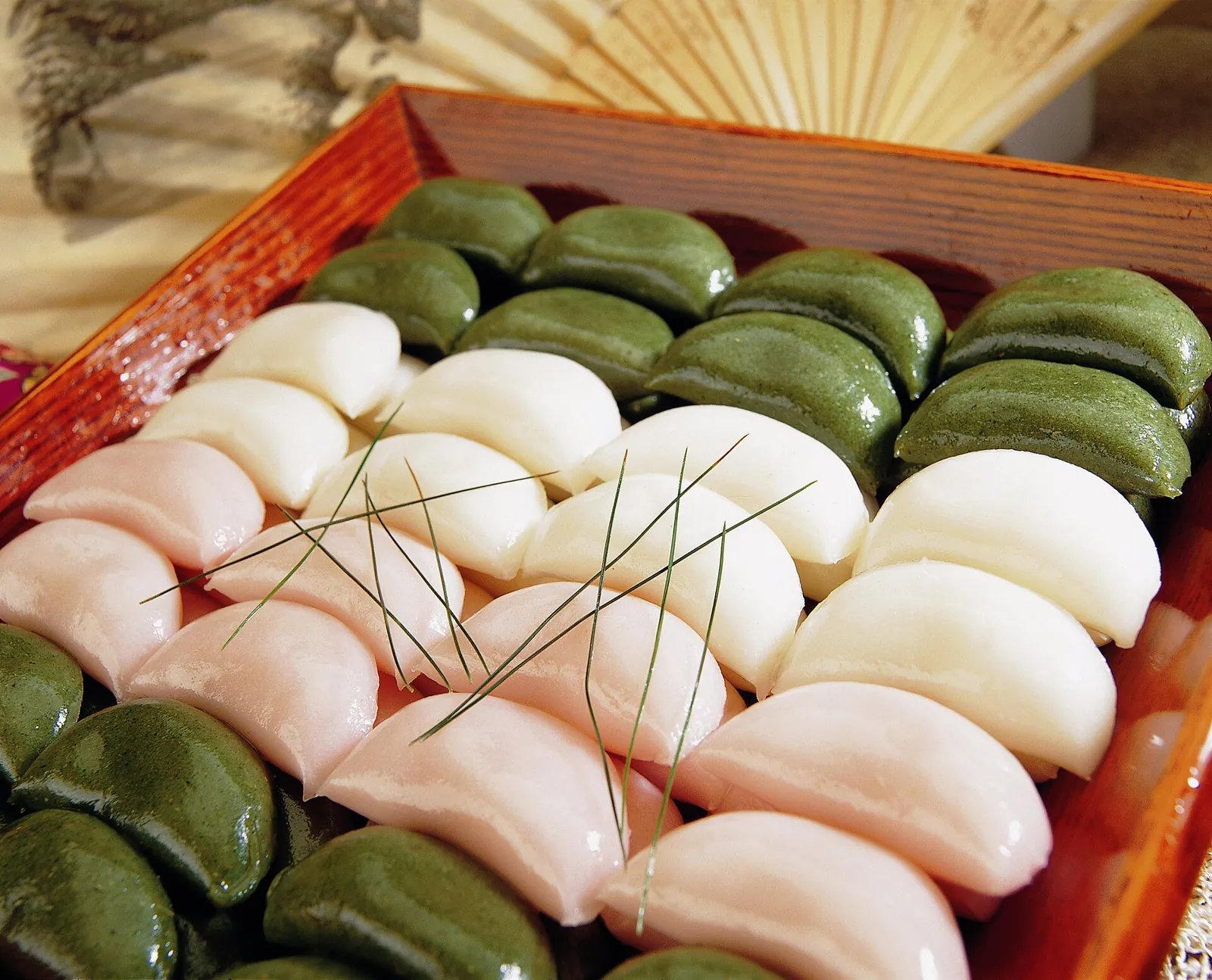
Chuseok falls on the 15th day of the eighth lunar month, so it also moves each year, usually landing in September or early October. Families gather, hold ancestral rites with newly harvested food, visit ancestral graves and make songpyeon, half-moon-shaped rice cakes. It is a major gift-giving season, and gift sets are widely sold to send to relatives, friends and business partners.
Other occasions
Birthdays, weddings and housewarmings also involve gifts. When in doubt about the custom for a specific event, ask a Korean friend or colleague what is expected; practices can differ between families.
Business gifting
Gifts are welcome in Korean business but not obligatory, and expectations vary between organizations. Commisceo suggests quality chocolates, local specialties or tasteful company gifts, wrapped neatly and handed over with both hands. Business visits and the Seollal and Chuseok holidays are natural moments to give.
Be aware of Korea's Improper Solicitation and Graft Act, in force since 2016. It covers public officials, journalists and private school staff, and limits the meals and gifts they may accept. According to The Korea Times in 2024, the meal limit was raised to 50,000 won and gifts of agricultural, livestock and fishery products were capped at 150,000 won, with that cap temporarily doubled around Seollal and Chuseok. These thresholds are adjusted from time to time, so check the current figures with the recipient's organization before sending anything. Your own country's anti-bribery rules and your company's policy may also apply.
See our business gift guide for general advice, and compare customs with Japan and China on our countries page.
Frequently asked questions
What should I bring when visiting a Korean home?
A modest, nicely wrapped gift such as quality chocolates, baked goods or a specialty from your home country. Hand it over with both hands, and remember to take off your shoes at the entrance.
Why shouldn't you write names in red ink in Korea?
Traditionally, a living person's name written in red was associated with death or misfortune. Use black or blue ink for names on cards and gift tags.
Is the number four unlucky in Korea?
Yes. The word for four sounds like the word for death, so gifts in sets of four are avoided.
What do people give for Chuseok and Seollal?
Packaged food gift sets are a staple of the Chuseok season for relatives, friends and business contacts. At Seollal, elders also give New Year's money, sebaetdon, to younger relatives after their New Year's bow.
Can I give a gift to my child's teacher in Korea?
Be careful. Teachers at private schools are covered by the Improper Solicitation and Graft Act, and public school teachers are public officials. Even small gifts can be a problem, so check the school's policy first.
Sources
- Cultural Atlas — South Korean culture: Etiquette. theculturalatlas.org
- Commisceo Global — South Korea: Language, culture, customs and etiquette. commisceo-global.com
- Stars and Stripes Korea — Seollal: Korea's Lunar New Year. korea.stripes.com
- Ministry of Culture, Sports and Tourism (KOCIS) — Chuseok: old and new. mcst.go.kr
- The Korea Times — Limit of allowable free meal under Korea's anti-graft law increases to 50,000 won. koreatimes.co.kr
- The Korea Times — Dongwon F&B launches health-focused Chuseok gift sets. koreatimes.co.kr
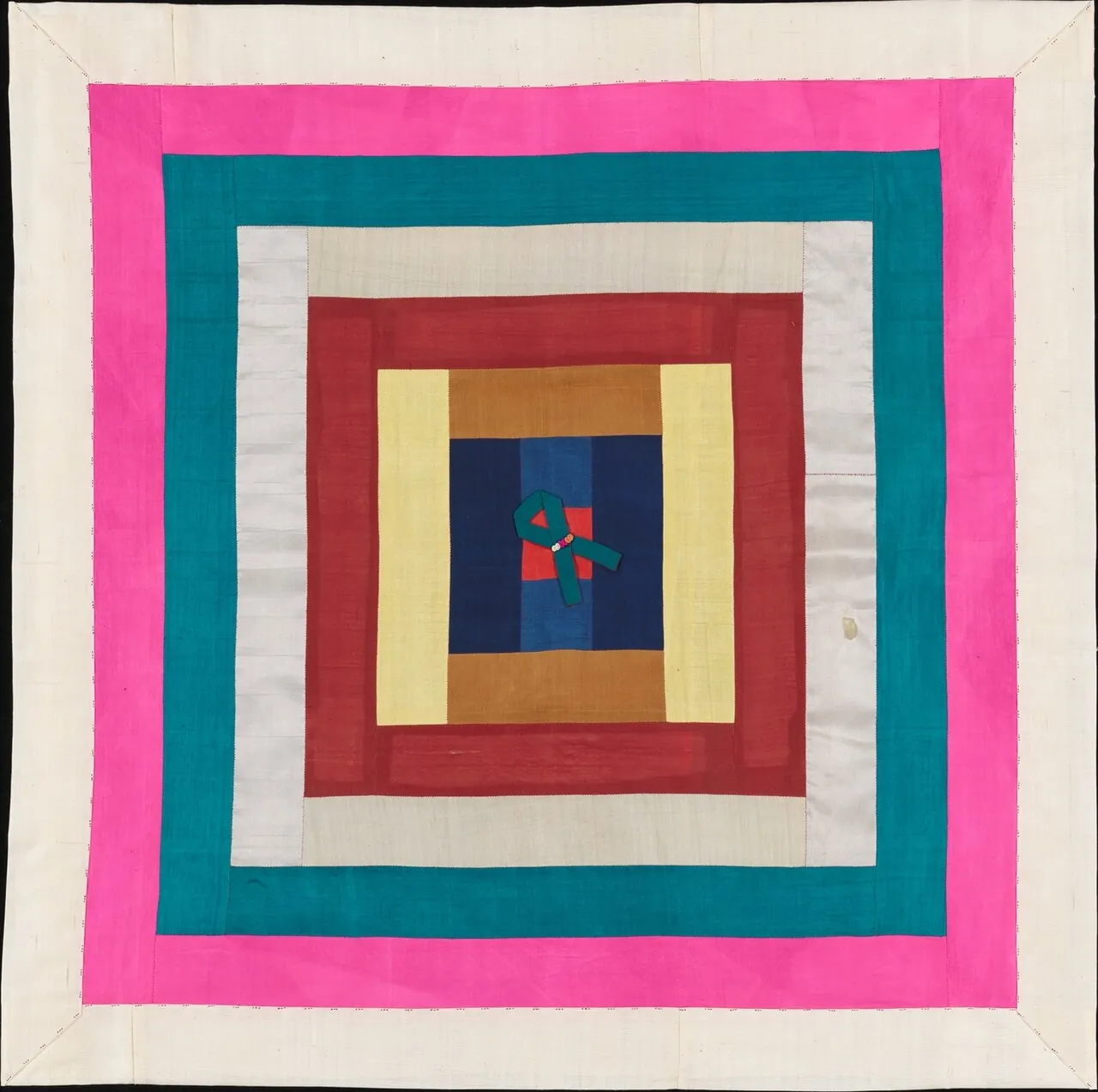
Image credits. Top image: Songpyeon by wizdata, CC0 1.0, via Wikimedia Commons · In-article image: Patchwork Bojagi (Wrapping Cloth) MET DP158238 by Unknown, CC0 1.0, via Wikimedia Commons
Spotted something out of date or a gift that's no longer available? Tell our editors — we review every correction.