Gift etiquette in China: what to give, avoid and how to present it
A practical guide to giving gifts in China: safe choices, symbolic taboos, two-handed etiquette, business gifts and Lunar New Year red envelopes.
Quick answer
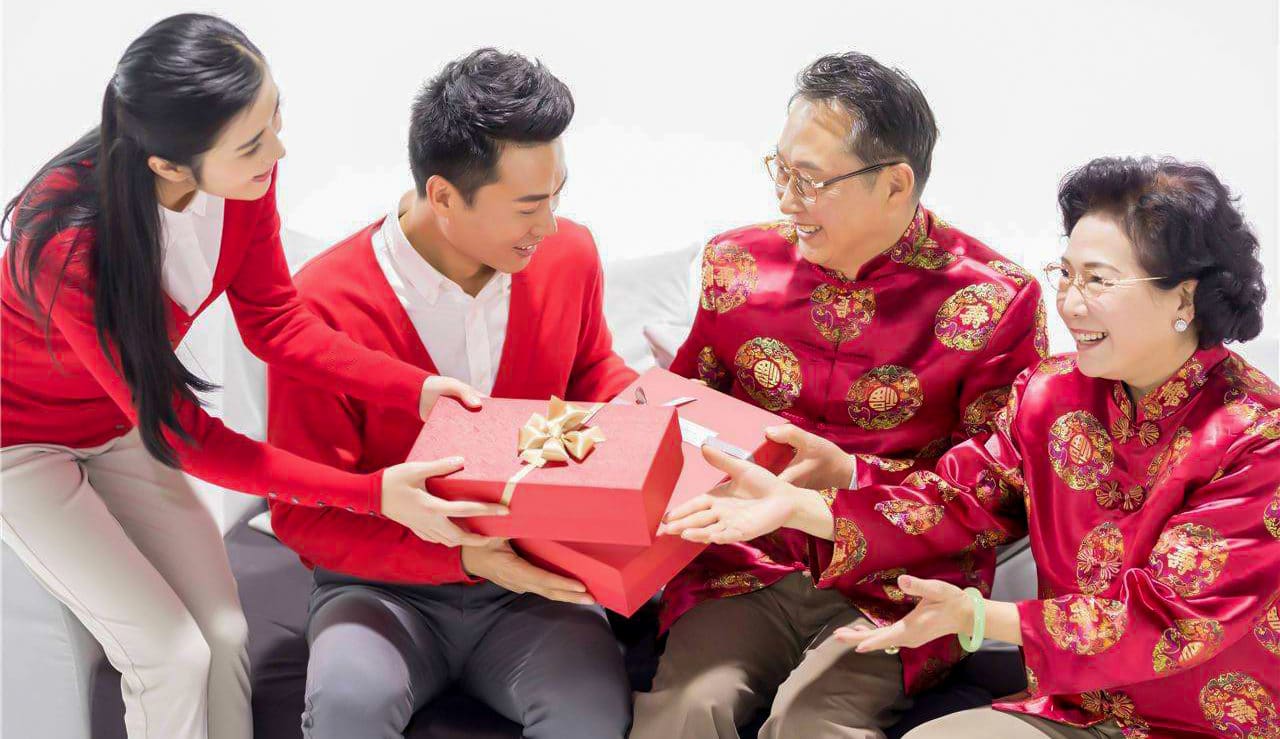
In China, a modest, well-wrapped gift such as good tea, fruit, sweets or a specialty from your home country is a safe choice. Offer it with both hands, expect it to be politely declined once or twice, and don't expect it to be opened in front of you. Avoid clocks, knives, scissors, umbrellas, green hats, white or yellow flowers, and anything in fours. At Lunar New Year, red envelopes with crisp new notes are the classic gift.
- Safe gifts Tea, fruit, sweets, a specialty from home
- Hand it over With both hands
- Opening Usually later, not in front of you
- Lucky colors Red and gold wrapping
What to give
Gifts in China tend to carry symbolic weight, so what an item suggests can matter as much as what it is. The good news is that the safest choices are simple. Cultural Atlas lists sweets, fruit, flowers (not white ones) and spirits as good options, and notes that friends visiting a home often bring small things like tea, fruit, chocolates or cake as a sign of good intentions.
For a first visit or a business contact, Commisceo Global suggests good-quality chocolates, specialty foods, fruit or something distinctive from your home country. A local product from where you live gives the recipient a story to tell and avoids the trap of buying something they can easily get themselves. See our food gifts guide for ideas that travel well.
Keep the value sensible. An expensive present can backfire: Cultural Atlas notes that a gift the recipient can't reciprocate may cause a loss of face and even be refused. Chinese recipients often feel obliged to return a gift of similar value, so modest is kind.
Wrapping and colors
Red and gold wrapping signals luck. White, blue and black paper have negative or funeral associations and are best avoided. If you are unsure, plain red paper or a red gift bag is hard to get wrong. Our gift wrapping guide covers neat techniques if you want to wrap by hand.
What to avoid
Several common taboos come from wordplay: the Chinese words for some objects sound like words for death, endings or separation. They matter most to older and more traditional recipients, but they are worth respecting with everyone.
- Clocks are linked to funerals and are a well-known taboo gift.
- Knives and scissors can suggest cutting off a relationship.
- Anything in fours. The word for four sounds like the word for death, so avoid sets of four or amounts containing 4.
- Umbrellas, handkerchiefs, mirrors and green hats all appear on lists of traditional taboo gifts.
- White or yellow flowers, which are associated with mourning.
- Lavish gifts that the recipient can't match.
The number eight, by contrast, is associated with prosperity, so pairs and eights are popular in gift sets and money amounts.
How to give and receive
- Offer the gift with both hands, which shows respect.
- Expect a polite refusal. Recipients may decline two or three times before accepting, so gently insist.
- Don't expect the gift to be opened right away. Opening it later avoids embarrassment for both sides if the item isn't what was expected.
- When you receive a gift, accept it with both hands and thank the giver; it is fine to open it later.
- Arrive on time when invited to someone's home, and expect your host to press fruit, nuts or tea on you more than once.
Lunar New Year and red envelopes
Spring Festival, the Lunar New Year, is the biggest gift-giving season. Families visit one another, and the signature gift is the red envelope (hongbao) filled with money. For the wider holiday, see our Lunar New Year gift guide.
Who gives red envelopes
Traditionally, married adults give them. Parents and grandparents give to children and grandchildren, grown children often give to their parents and grandparents, and employers commonly give them to staff before the holiday. Unmarried adults may receive them too.
How to fill and give them
- Use crisp, new banknotes. Worn or dirty notes look careless, and coins aren't used.
- Even amounts are generally preferred; amounts with 8 are considered especially lucky.
- Avoid any amount containing 4.
- Hand the envelope over with both hands. The recipient thanks you and opens it later, not in front of you.
There is no fixed amount; it depends on the relationship and on local norms, so ask a friend from the same region if you are unsure. Digital red envelopes sent through messaging apps such as WeChat have become common for people who can't visit in person.
When visiting during the festival, a box of mandarin oranges or other fruit is a popular gift. In Cantonese the word for mandarin orange sounds like the word for gold, which is part of its appeal. Red envelopes are also given at weddings, births and milestone birthdays; funerals use white envelopes instead.
Business gifts
In business, keep gifts modest and check your own organization's policy first. Commisceo Global warns that expensive gifts, or anything that looks intended to influence a decision, can raise ethical concerns. Many companies and public bodies, in China and elsewhere, have strict rules on what staff may accept, and anti-bribery laws in many countries apply to gifts given abroad.
A good approach is a quality item from your company's home region, presented with both hands at the end of a meeting. If you are meeting a group, give a gift to the organization or bring something comparable for each senior person rather than singling one out. For broader advice on workplace giving, see our guides to gifts for coworkers and gift etiquette.
Frequently asked questions
Why shouldn't you give a clock as a gift in China?
The phrase for giving a clock sounds like the phrase for attending to someone's death or funeral, so clocks are a classic taboo gift, especially for older or more traditional recipients.
Should I open a gift in front of a Chinese host?
Usually not. Gifts are traditionally set aside and opened later. If the giver encourages you to open it, it is fine to do so and thank them warmly.
How much money goes in a red envelope?
There is no fixed rule. Amounts depend on the relationship and region. Use new notes, prefer even amounts (8 is lucky), and never use amounts containing 4.
Is wine or liquor a good gift in China?
Spirits are listed by Cultural Atlas as a good gift choice, and fine liquor is often given. Check first whether the recipient drinks, and keep the price reasonable for business gifts.
Sources
- Cultural Atlas — Chinese Culture: Etiquette. theculturalatlas.org
- Commisceo Global — Chinese Business Culture & Etiquette Guide. commisceo-global.com
- China Highlights — Red Envelopes/Packets (Hongbao): Significance, Amount, and How to Give. chinahighlights.com
- HISTORY — Why Do People Give Red Envelopes on Lunar New Year? history.com
- Free Malaysia Today — Oranges symbolise blessings, abundance during CNY. freemalaysiatoday.com
Spotted something out of date or a gift that's no longer available? Tell our editors — we review every correction.


