Gift etiquette in India: what to give, avoid and how to give it
Sweets, dried fruits and thoughtful vegetarian treats are safe gifts in India. Here is what to avoid by religion, how to give, and how Diwali, Raksha Bandhan and weddings work.
We independently research every pick. If you buy through our links we may earn a small commission, at no extra cost to you. Affiliate disclosure.
Quick answer
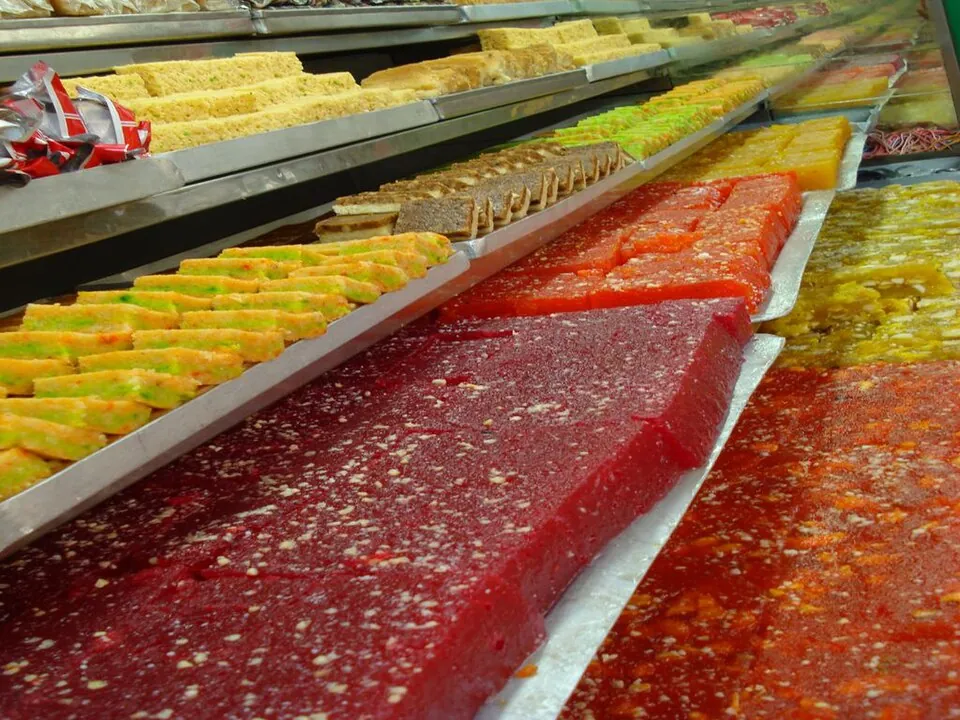
In India, a small, thoughtful gift is welcome but rarely expected. Boxed Indian sweets (mithai), dried fruits, good chocolates or a gift for the host's children are safe choices for a home visit. Religion shapes the rules: avoid leather and beef for Hindu recipients, pork and alcohol for Muslims, tobacco and alcohol for observant Sikhs, and anything non-vegetarian for Jains. Give with your right hand or both hands, and don't expect the gift to be opened in front of you. For cash gifts at weddings, many families give amounts ending in 1, such as 101 or 501 rupees.
- Safe host gifts Sweets, dried fruits, chocolates, flowers (not white)
- Avoid Leather, beef, pork, alcohol unless you know the person drinks
- Lucky wrapping colors Red, yellow, green
- Big gifting seasons Diwali, weddings, Raksha Bandhan, Eid, Christmas
What to give
India is home to Hindus, Muslims, Christians, Sikhs, Jains, Buddhists and others, and customs differ by religion, region and family. The safest approach is to choose something modest, edible and vegetarian, or a small item that says something about where you come from. A gift is not usually expected for a casual visit, but it is appreciated, and a token such as chocolates or a present for the children is usually enough.
A box of Indian sweets or dried fruits
Why it works: Mithai and dried fruits are classic gifts for hosts and festivals, and a box from a good vegetarian sweet shop suits almost any household.
Skip it if: your host is a strict Jain and you can't confirm the ingredients; ask the shop or choose dried fruit instead.
Good chocolates or a treat for the children
Why it works: An easy, low-pressure host gift that the whole family can share. Toys or books for the children are often especially appreciated.
Skip it if: the chocolates contain gelatin or alcohol and your hosts are vegetarian or Muslim.
A specialty from your home country
Why it works: Something distinctive from home, such as a regional food (vegetarian), a craft item or a quality book, makes a good gift for in-laws, friends or a business contact.
Skip it if: it is made of leather or is meat-based.
Flowers for the hostess
Why it works: A colorful bouquet is a pleasant gesture when visiting a family home.
Skip it if: they are white flowers or frangipani, which are usually associated with funerals and mourning.
For in-laws and close family, gifts tend to be more personal and tied to occasions such as festivals and weddings. When in doubt, ask your partner or a family member what is usual in their household. For more ideas, see our food gifts guide, checking ingredients as you go.
What to avoid
- Leather goods for Hindu recipients. Cows are sacred in Hinduism, so a leather wallet, belt or bag may offend.
- Beef, or food containing beef derivatives. Many Hindus avoid beef for the same reason.
- Pork and pigskin for Muslim recipients. Pork is forbidden in Islam, and pigskin items are inappropriate too.
- Alcohol, unless you are sure. Many Indians don't drink for religious or personal reasons; only give wine or spirits if you know the person drinks.
- Tobacco or alcohol for observant Sikhs. The Sikh code of conduct prohibits intoxicants, naming tobacco and alcohol explicitly. Initiated (Amritdhari) Sikhs follow this strictly.
- Non-vegetarian food for Jains. Many Jains are strictly vegetarian, and many Hindus are vegetarian too, so make food gifts vegetarian.
- White flowers and frangipani. These are usually reserved for funerals and mourning.
- Personal gifts from a man to a woman. A man should present a gift as coming from himself and his wife, mother or sister so it doesn't seem flirtatious.
- Very expensive gifts in business. They can embarrass the recipient or look like an attempt to influence, especially with government officials.
How to give and receive
- Offer and receive gifts with your right hand or with both hands. The left hand is traditionally avoided for eating and passing food.
- Wrap in bright colors. Red, yellow and green are considered lucky and are often used for wrapping.
- Don't insist that a gift be opened right away; it may be set aside and opened later.
- When giving cash, choose an amount ending in 1, such as 101, 501 or 1,001 rupees. Amounts ending in zero can feel like an ending, while the extra rupee is meant to bring good luck and a positive start.
- When you receive a gift, thank the giver warmly, and thank them again later.
- If you have to decline food or drink, give a polite reason. Hosts often insist, especially with chai, so accepting a little is usually the smoothest choice.
Visiting an Indian home
Take off your shoes at the door, follow your host's lead on seating and when to start eating, and expect to be offered chai. Eat and serve with your right hand. Don't assume alcohol will be served, and check dietary needs before bringing food. Complimenting your hosts' hospitality goes down well, and it is polite to ask permission before you leave, especially with elders.
Holidays and occasions
Most Hindu, Sikh, Jain and Muslim festivals follow lunar or lunisolar calendars, so their dates vary each year. Check a current calendar before you plan a gift.
Diwali
The festival of lights falls in autumn, usually October or November, and is celebrated by Hindus, Sikhs and Jains, each with their own meaning. Sikhs mark the release of Guru Hargobind, and Jains mark the nirvana of Lord Mahavira. Families light clay lamps, wear new clothes and exchange sweets. It is also the main corporate gifting season: businesses often send mithai, dried fruits, chocolates or gift hampers.
Raksha Bandhan
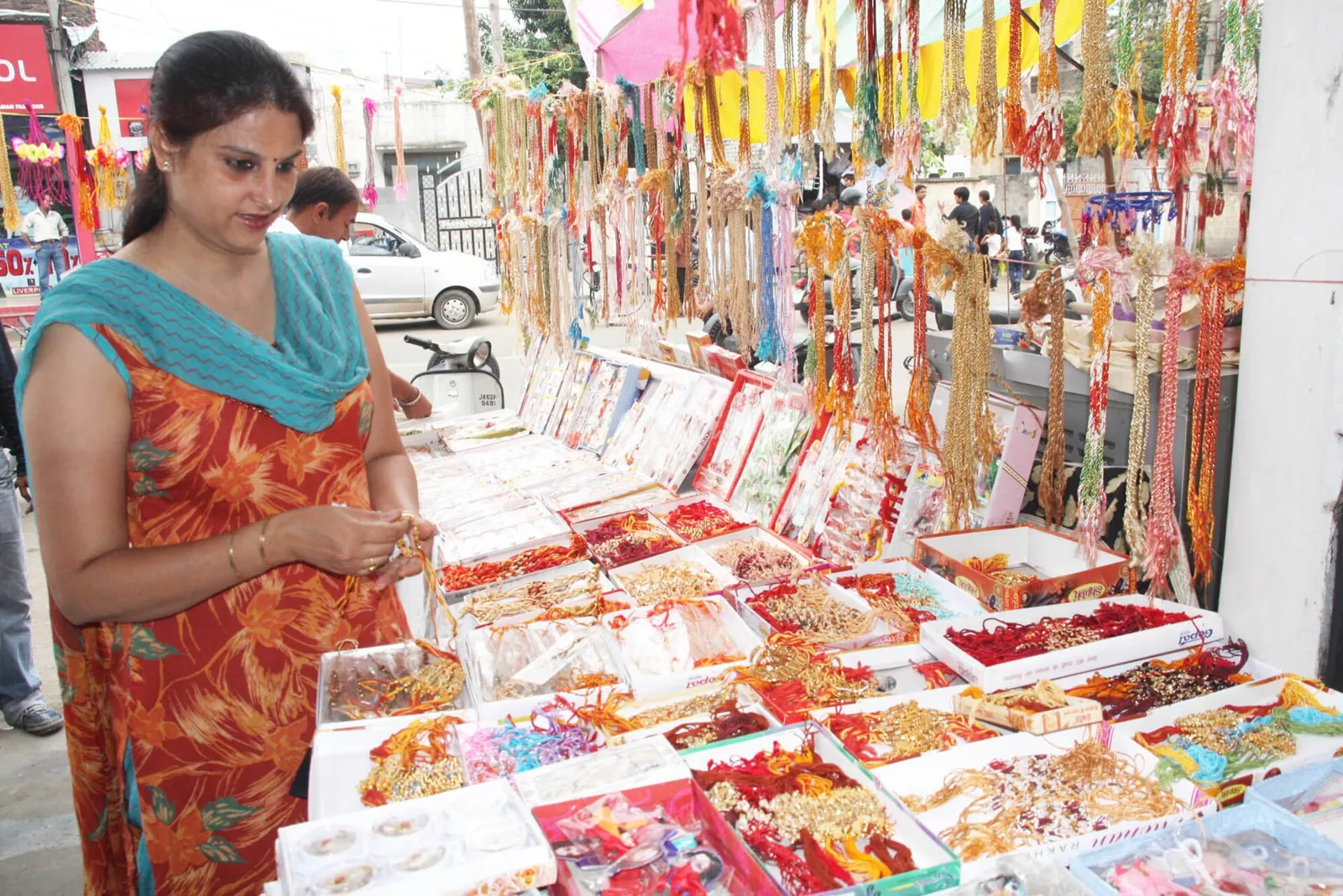
Held on the full moon of the Hindu month of Shravana, usually in August, this mainly Hindu festival celebrates brothers and sisters. A sister ties a rakhi, a protective thread, around her brother's wrist, and the brother gives her a gift in return, traditionally money.
Weddings
Cash in a decorated envelope is the most common wedding gift, often in an odd amount ending in 1, such as 501 or 1,001 rupees. Traditionally, wedding money was given in odd sums that couldn't be divided equally. Amounts depend on how close you are to the family and on local custom, so ask a mutual friend if you're unsure. See our wedding gift ideas if you'd rather give an item.
Eid and Christmas
Muslim families celebrate Eid al-Fitr and Eid al-Adha, whose dates move each year with the Islamic calendar; sweets or a small gift for the children are a kind gesture if you are invited. Christian families celebrate Christmas on December 25, with gifts and visits much as in other countries.
Business gifting
Business relationships in India are built on trust and time, and gifts are not needed at a first meeting. Once you know someone, a modest, good-quality item such as stationery, a book or something made in your home country is appropriate. Diwali is the natural moment for company gifts, typically sweets, dried fruits or hampers for clients and staff.
Keep values modest and check both companies' gift policies first. India's anti-corruption law makes it an offense not only to take but also to offer an undue advantage to a public servant, and companies can be held liable for people acting on their behalf, so be especially careful with anything given to government officials. Exchange business cards with your right hand. For more ideas, see our business gifts guide.
Frequently asked questions
What should I bring to an Indian host's home?
A box of vegetarian sweets, dried fruits, good chocolates or a small gift for the children. Avoid leather, beef, pork and alcohol unless you know your hosts well.
Why do Indians give 101 or 501 rupees instead of 100 or 500?
Amounts ending in zero can feel like an ending, so an extra rupee is added for good luck and a positive start. Traditionally, wedding money was also given in odd sums that couldn't be split evenly.
Can I give alcohol as a gift in India?
Only if you're sure the person drinks. Many Indians abstain for religious or personal reasons, and observant Sikhs and many Muslims and Jains avoid alcohol entirely.
Is leather a bad gift in India?
For Hindu recipients it can be, because cows are sacred in Hinduism. Choose fabric, metal, wood or paper goods instead.
What is a good Diwali gift for coworkers?
Mithai, dried fruits, chocolates or a small hamper are traditional and suit most colleagues. Keep it vegetarian so everyone can enjoy it.
Browse more country gift guides, including our guides to Bangladesh and the United Arab Emirates.
Sources
- Commisceo Global — India Business Culture, Etiquette and Customs. commisceo-global.com
- The Cultural Atlas — Indian Culture: Etiquette. theculturalatlas.org
- The Old Farmer's Almanac — Diwali: Dates, Traditions, and Recipes. almanac.com
- Wikipedia — Raksha Bandhan. wikipedia.org
- DNA India — Why do we add Rs 1 coin in 'Shagun' envelope? dnaindia.com
- Wikipedia — Prohibitions in Sikhism. wikipedia.org
Image credits. Top image: Display of Indian Sweets Mithai in Kolkata, West Bengal by Dipanker Dutta, CC BY 2.0, via Wikimedia Commons · In-article image: Rakhi shopping Raksha Bandhan Hindu festival by vishal dutta photo's, CC BY 2.0, via Wikimedia Commons
Spotted something out of date or a gift that's no longer available? Tell our editors — we review every correction.




