Gifts for international business partners: what travels well
Safe gift types, presentation customs and the anti-bribery basics to know before you hand a gift to a partner from another country.
Quick answer
The safest gift for an international partner is a modest, well-wrapped item that represents your home region: a quality local food specialty without alcohol or pork, a book of photographs of your city, artisan stationery, or a small craft object. Present it with both hands (or the right hand in much of the Middle East), do not be surprised if it is politely refused at first or opened later, and avoid anything lavish. Check the customs of the specific country, your own company's policy, and anti-bribery rules if your partner works for a government or state-owned firm.
- Typical budget $30 – $100, depending on seniority and policy
- Safest categories Regional food specialties, books, stationery, crafts
- Risky categories Alcohol, leather or pork products, sharp objects, clocks
- Always check Country customs, company policy, anti-bribery rules
In some business cultures a gift is an expected part of building a relationship; in others it can make people uncomfortable. The right approach is to research the specific country and person, keep the gesture modest, and let the gift say something about where you come from.
Gift types that work almost everywhere
- A specialty from your region. Maple syrup from Vermont, chocolate from a local maker, quality tea or coffee roasted in your city. Food gifts are easy to share with a team. Check ingredients for alcohol, pork and gelatin when the recipient may avoid them.
- A photo book of your city or country. Light to carry, easy to accept, and a conversation starter at the next meeting.
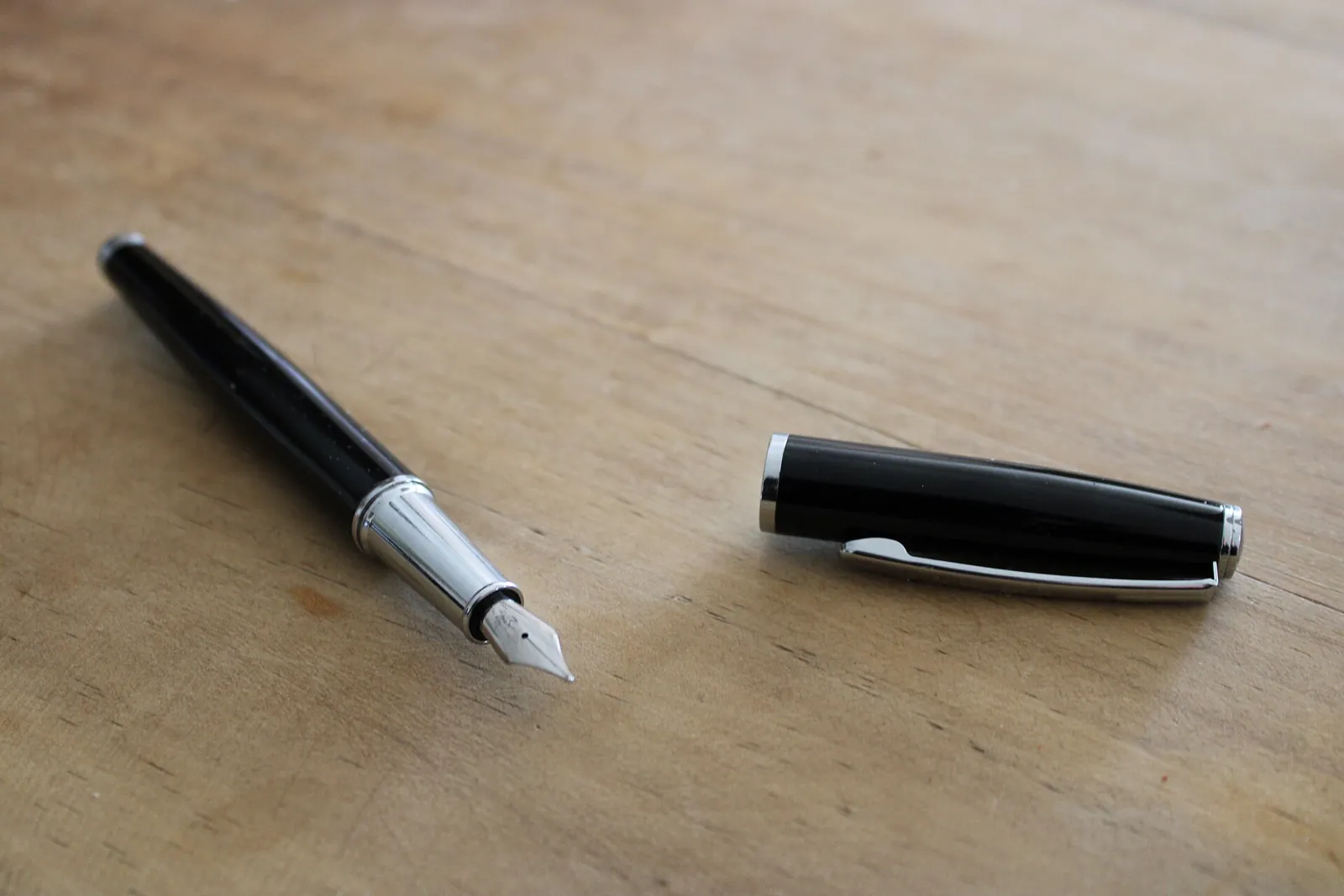
- Artisan stationery or a quality pen. Practical, neutral and suitable for any level of seniority.
- A small craft object. Ceramics, woven textiles or a carved item made in your region, ideally with a card explaining who made it.
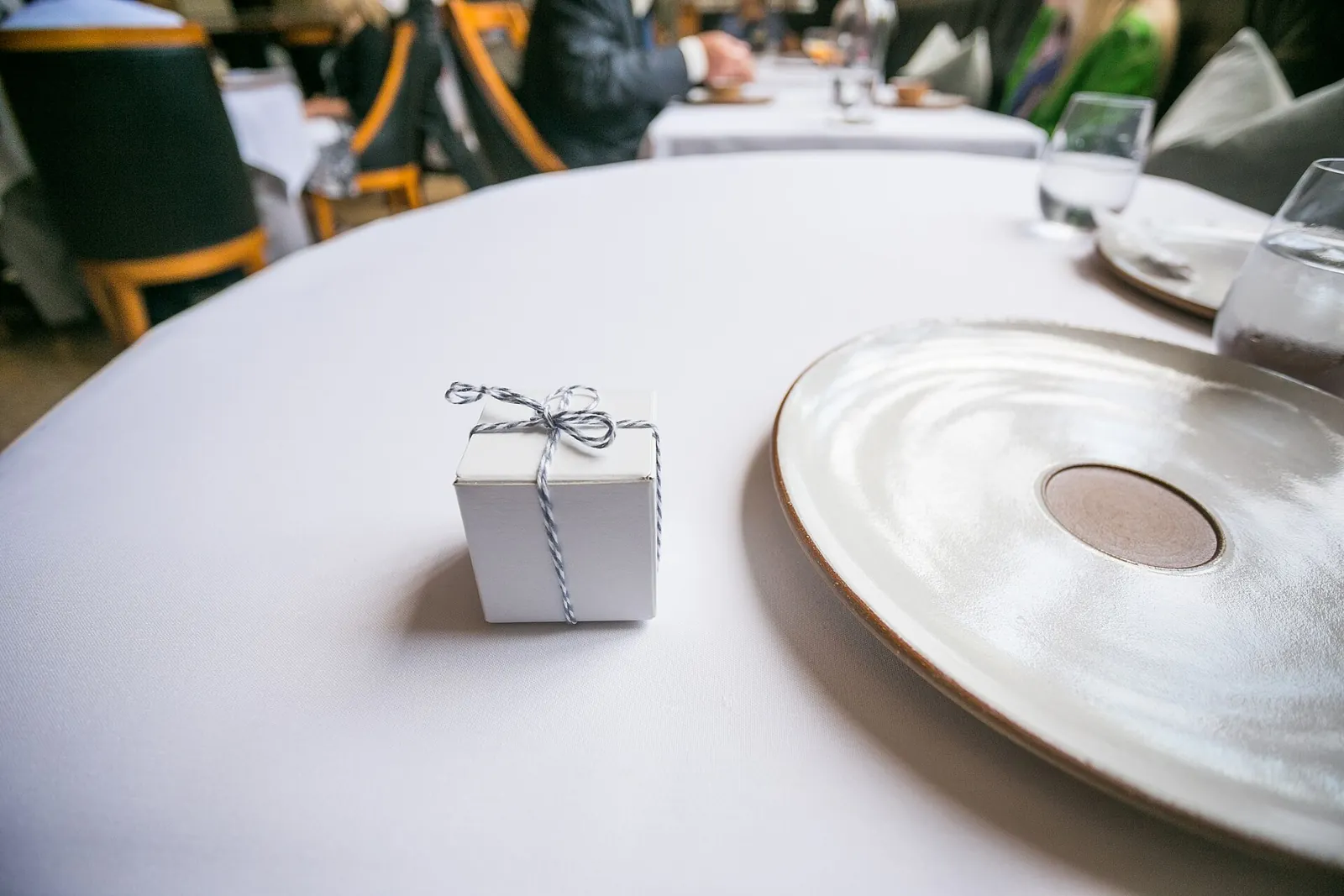
- Something for the whole office. A box of individually wrapped treats avoids singling anyone out.
Keep company branding discreet. A small logo on the box or card is fine; a branded item as the main gift reads as marketing.
Presentation and receiving customs
How you hand over a gift can matter as much as what it is. A few examples from Cultural Atlas country profiles:
- Japan. Gifts are given and received with both hands, and neat wrapping or a nice gift bag matters. An initial polite refusal is common. Avoid items that prominently feature the numbers four or nine, and white flowers, which are associated with funerals.
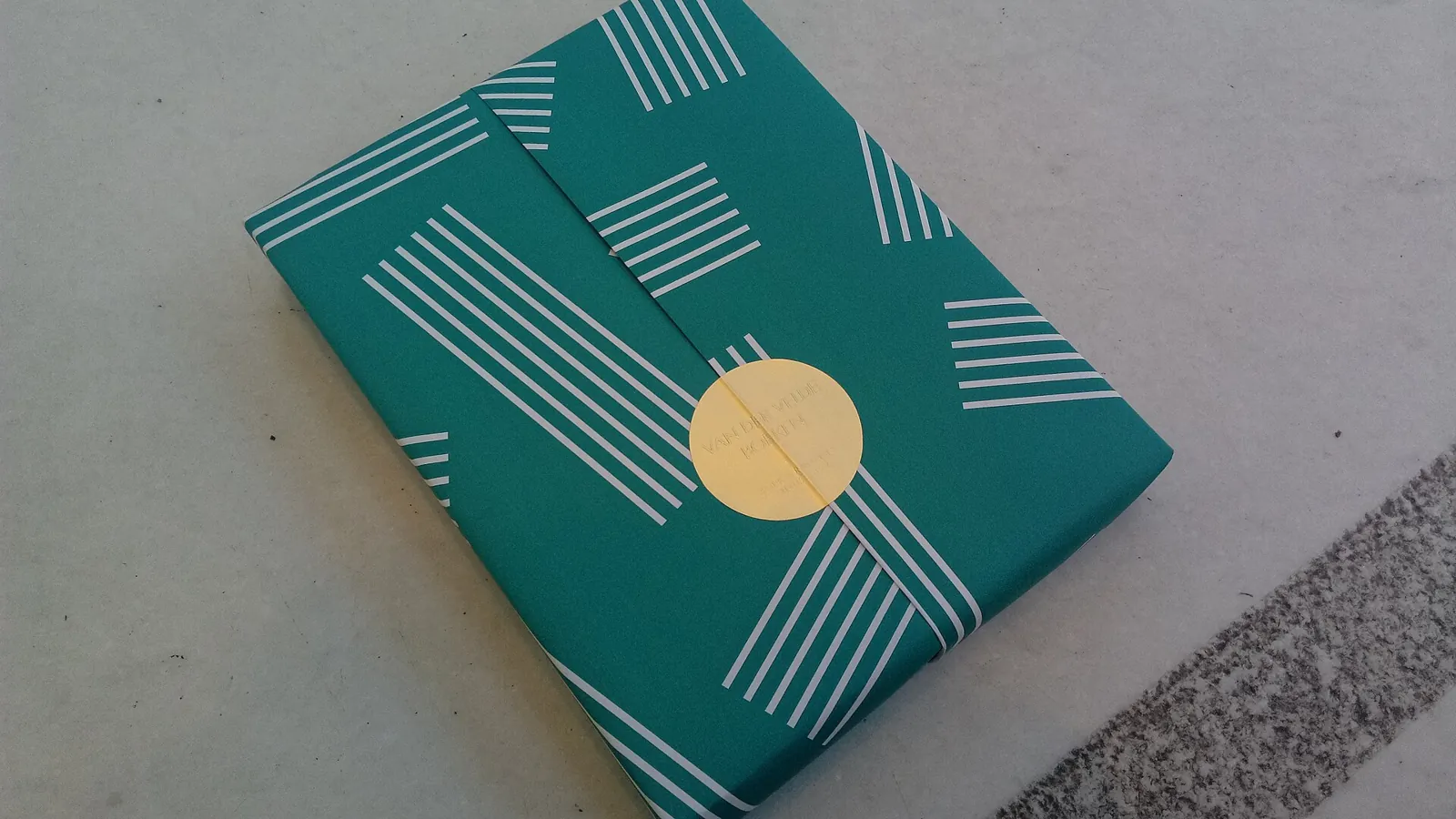
- China. Gifts are given and received with both hands, and a recipient may decline two or three times before accepting. Gifts are usually opened later, not in front of the giver. Avoid sets of four, clocks, sharp objects, umbrellas and white or yellow flowers; red and gold wrapping is considered lucky, while white, blue or black wrapping has negative associations. Very expensive gifts that cannot easily be reciprocated can cause embarrassment.
- Saudi Arabia. Pass gifts with the right hand (or both hands if heavy). Do not give alcohol, pork or pigskin products, perfume containing alcohol, or knives. A gift is often not opened in front of the giver, and extravagant gifts, especially in front of others, can embarrass the recipient.
Customs vary within every country, and individuals differ. Read the country guide before a trip: our pages on gift etiquette in Japan, China and Saudi Arabia cover business settings in more detail, and our guide to lucky colors and numbers in gift giving explains the symbolism behind many of these rules.
Gifts to avoid until you know the person
- Alcohol, unless you are sure the recipient drinks and it is appropriate locally.
- Pork, gelatin or leather products for recipients who may observe religious dietary rules.
- Knives, scissors and other sharp objects, which Cultural Atlas lists among taboo gifts in China (and knives in Saudi Arabia).
- Clocks as gifts to Chinese partners, a well-known taboo.
- Anything in sets of four for East Asian partners.
- Personal items such as clothing, perfume or jewelry.
- Cash or gift cards, which can look like payment and are banned by many policies.
Timing and reciprocity
Many partners exchange gifts at a first visit, at the close of a deal, or at a major holiday such as Lunar New Year, Diwali or the end of the year. If you are visiting, bring a gift for your main host and consider a shared gift for their team. If you receive a gift, accept graciously, thank the giver, and be ready to reciprocate at a similar, modest level. Giving something far more valuable than what you received can cause loss of face. For more ideas by occasion and budget, browse our business gifts section.
Anti-bribery rules still apply abroad
Gift customs never override the law. The US Foreign Corrupt Practices Act and the UK Bribery Act both apply to gifts given to foreign officials, which can include employees of state-owned companies. Neither sets a minimum value. The DOJ and SEC Resource Guide lists hallmarks of appropriate gifts: given openly and transparently, properly recorded, given only to reflect esteem or gratitude, and permitted under local law. The UK Ministry of Justice guidance says reasonable and proportionate hospitality is legitimate, but the more lavish it is, the stronger the inference of an intent to influence.
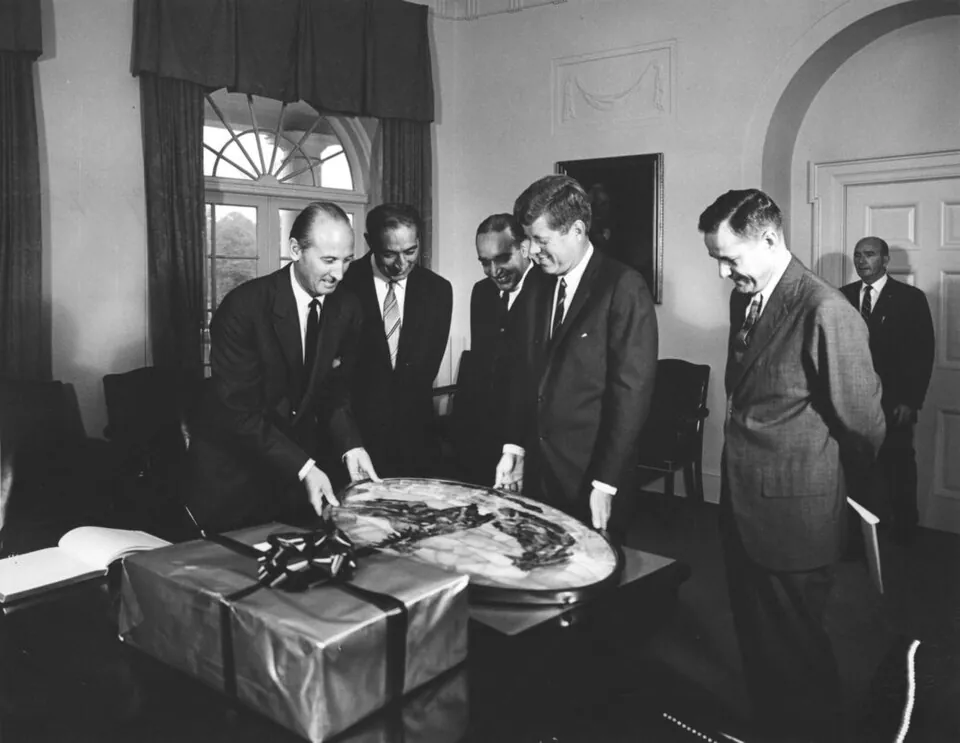
In practice: keep gifts modest, record them, give them openly rather than privately, and check your employer's policy and the recipient's local rules. Our guide to business gift value limits and policies covers the details.
Practical shipping and customs tips
- Carry gifts in your luggage when possible; shipping food internationally can trigger customs restrictions.
- Check your destination's import rules for food, plants, wood and animal products.
- Wrap gifts after security if you are flying, or carry them unwrapped with wrapping supplies.
- Include a short card explaining what the gift is and why you chose it.
Frequently asked questions
What is a good gift for a Japanese business partner?
A neatly wrapped, modest gift from your region, such as quality sweets or a craft item, presented with both hands. Avoid sets of four or nine and white flowers.
Can I give wine to an international client?
Only if you know they drink and it is appropriate in their country and company. Many people avoid alcohol for religious or personal reasons, so a food specialty is safer.
Should I open a gift from a foreign partner right away?
Follow their lead. In China, Saudi Arabia and many other places, gifts are often opened later. If unsure, ask, "Would you like me to open it now?"
How much should I spend on a gift for an international partner?
Modest is safest. Something in the $30 to $100 range, within your company's policy, avoids embarrassment and any appearance of bribery.
Sources
- Cultural Atlas — Japanese Culture: Etiquette. theculturalatlas.org
- Cultural Atlas — Chinese Culture: Etiquette. theculturalatlas.org
- Cultural Atlas — Saudi Arabian Culture: Etiquette. theculturalatlas.org
- U.S. Department of Justice and SEC — A Resource Guide to the U.S. Foreign Corrupt Practices Act. sec.gov
- UK Ministry of Justice — The Bribery Act 2010: Guidance. gov.uk
Image credits. Top image: Basic Fountain Pen by A. Scott Fulkerson, CC BY-SA 4.0, via Wikimedia Commons · In-article image: President John F. Kennedy Receives Gift from Deputy Prime Minister and Foreign Minister of Afghanistan, Prince Mohammad Naim by Abbie Rowe. White House Photographs. John F. Kennedy Presidential Library and Mu, Public domain, via Wikimedia Commons
Spotted something out of date or a gift that's no longer available? Tell our editors — we review every correction.