Gift Etiquette in Mauritania: Tea, Host Gifts and Islamic Customs
In Mauritania, hospitality revolves around tea and gifts flow both ways. Here is what to bring, what to avoid in an Islamic republic, and how gifts work at Eid and in business.
We independently research every pick. If you buy through our links we may earn a small commission, at no extra cost to you. Affiliate disclosure.
Quick answer
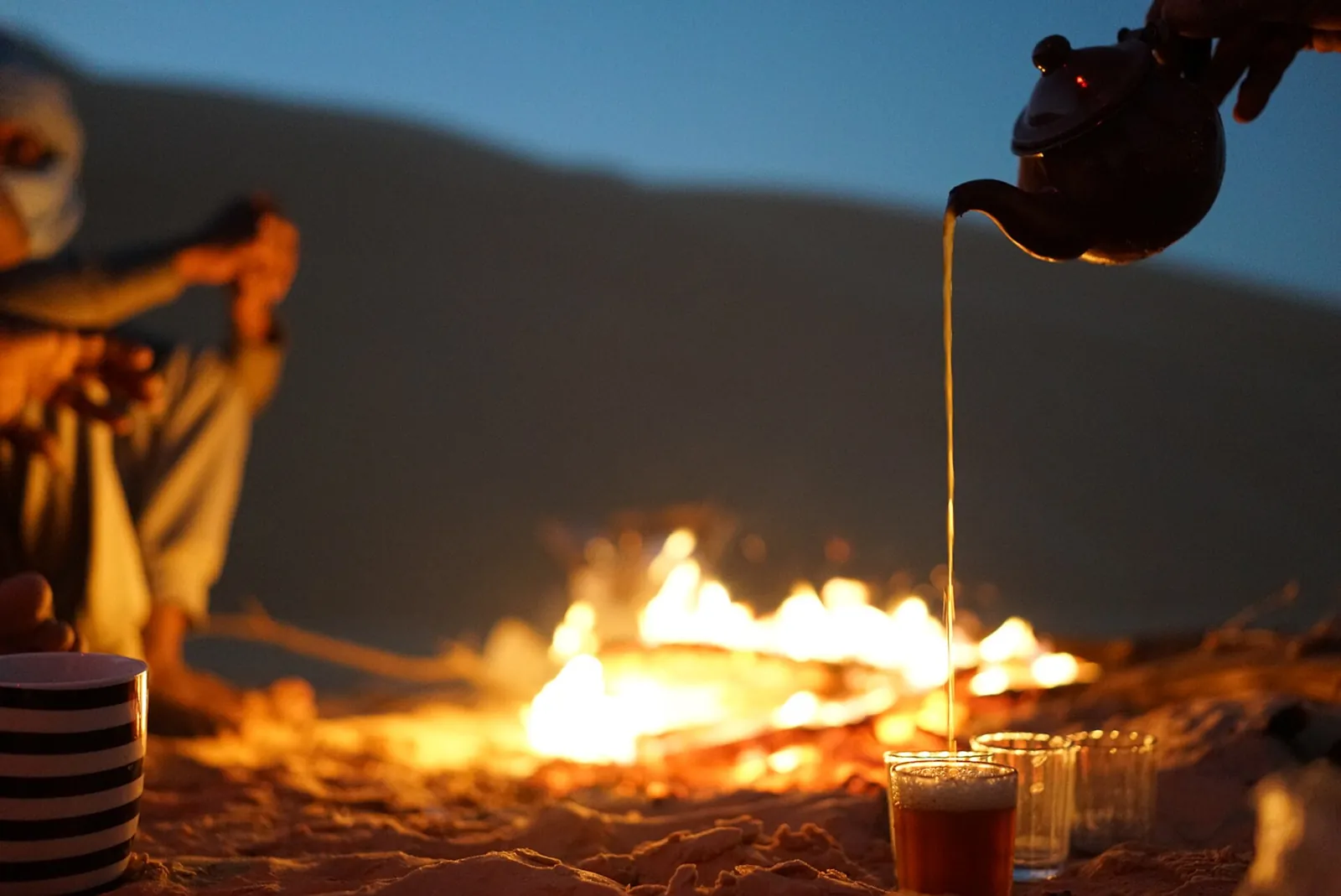
Mauritania is an Islamic republic where hospitality is taken seriously and giving and receiving gifts is a common tradition; hosts often consider it an honor to send a guest home with a souvenir. Bring a modest gift such as good tea, sugar, dates or sweets, never alcohol or pork. Use your right hand, wait to see whether someone of the opposite sex offers a handshake, and if tea is served, plan to stay for the customary three glasses.
- Host gift Green tea, sugar, dates, sweets or something from home
- Never give Alcohol or pork, which are forbidden for Mauritanians
- Hand to use The right hand
- Big gift times Eid al-Fitr, Eid al-Adha (Tabaski), weddings and naming ceremonies
Virtually all Mauritanians are Sunni Muslims, and Islam shapes daily life, food and dress. Arabic is the official language, Pulaar, Soninke and Wolof are national languages, and French is widely used in business. Arab-Berber (Moorish) and Black African communities have different customs, for example in meal times and gender norms, so follow your host's lead.
What to give
Gift giving is a natural part of Mauritanian hospitality, and guests are often given a souvenir to take home. As a visitor, a modest, well-chosen gift that respects Islamic norms is the right approach.
For a host
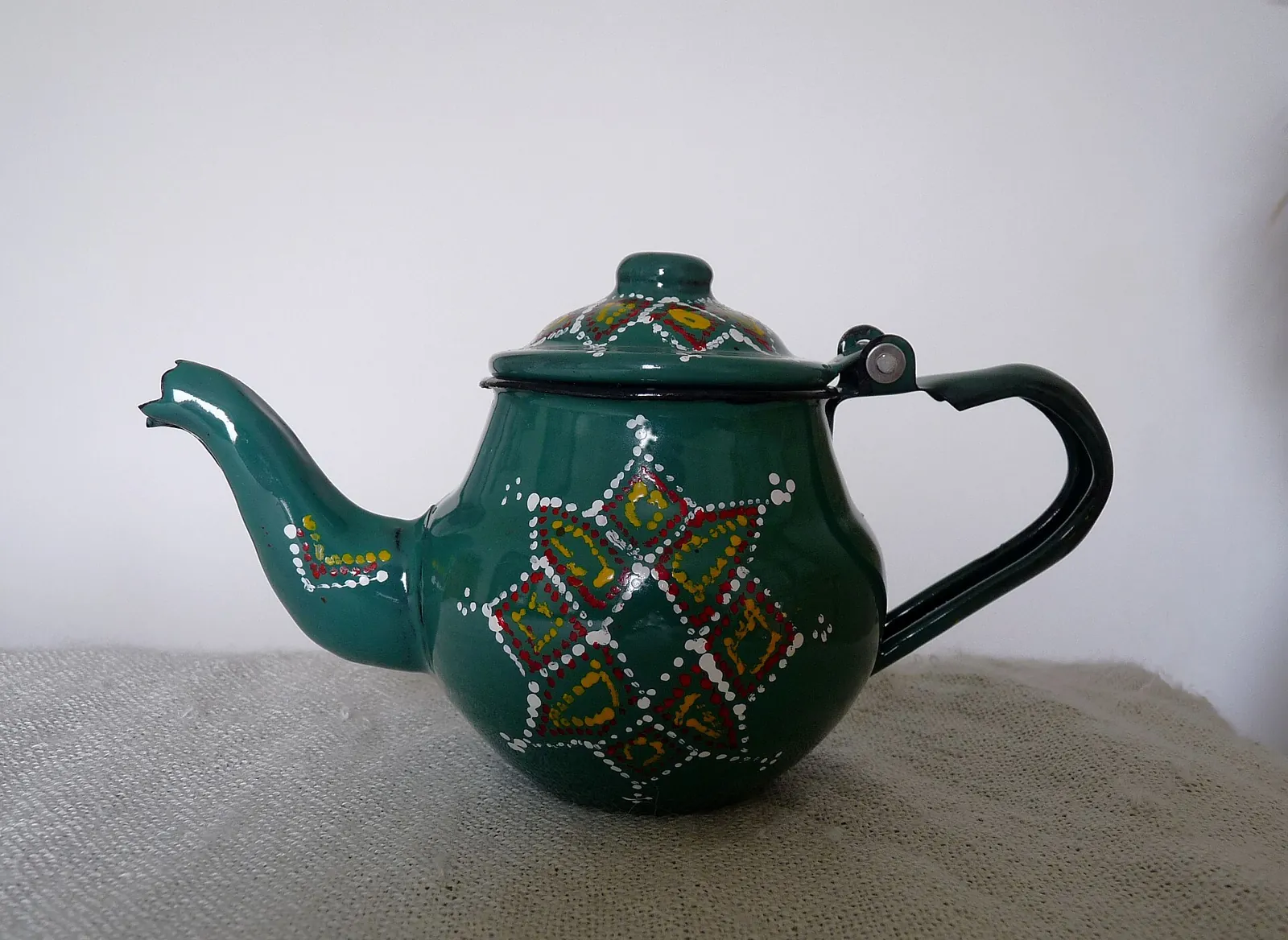
Tea is at the center of social life, served several times a day in nearly every home, so quality green tea, sugar or a pretty set of small tea glasses is a natural choice. Dates, good sweets or biscuits are also safe and easy to share.
For friends, in-laws and families with children
For people you know well, a quality item from your home country, a fine scarf or fabric, perfume without alcohol, or a well-made household item shows thought. Toys or school supplies for children are welcome when you know the family. Marriage traditionally involves generous gifts from the groom's side to the bride's relatives, so for in-laws, quality matters more than novelty.
Green tea and sugar
Why it works: Tea is part of every visit and every gathering, so good tea is always used and appreciated.
Skip it if: your hosts are tea connoisseurs with a favorite brand; ask a local friend what they buy.
A set of tea glasses or a tray
Why it works: Tea is served in small glasses, and a nice set is useful and a little special.
Skip it if: you are flying with limited luggage; glass breaks easily.
Dates, sweets or quality biscuits
Why it works: Easy to share, especially welcome around Ramadan and Eid.
Skip it if: you can't check ingredients; avoid anything containing alcohol, gelatin or pork products.
Fabric, a scarf or alcohol-free perfume
Why it works: A thoughtful personal gift for in-laws or close friends.
Skip it if: you are a man giving to a woman outside your family; give household or shared gifts to the family instead.
For more ideas that pack well, see our food gifts guide.
What to avoid
- Alcohol and pork. Consumption of both is forbidden for Mauritanians. Never bring alcohol as a gift, and check food labels for pork derivatives and alcohol-based flavorings.
- The left hand. Food from a shared bowl is eaten with the right hand, and eating with the left is forbidden. Give and receive with the right hand too.
- Offering a handshake across genders. Some conservative Mauritanians don't shake hands with the opposite sex, and Moorish women traditionally don't shake hands with foreign men. Wait for a cue.
- Leaving before the tea is finished. Tea is traditionally served in three glasses. Leaving after the first can seem abrupt; if you must go, apologize and explain.
- Personal gifts between unrelated men and women. Clothing, jewelry or perfume from a man to an unrelated woman can be misread. Give to the family as a whole.
- Revealing clothing. Dress modestly when visiting homes and offices.
How to give and receive
- Greet warmly and at length. Mauritanians greet with a handshake (where appropriate) and ask about health and well-being, often several times. Respond in kind before getting to the point.
- Use your right hand to hand over gifts and to take food from a shared dish.
- Respect elders. Older people are not addressed by their first names; use a title or a respectful form of address.
- Accept the tea. Tea is rarely made for one person; it is a way of including everyone present, and the conversation is timed around it. Accepting is part of accepting the welcome.
- Accept a parting gift graciously. Hosts often regard it as an honor to give guests a souvenir. Thank them warmly; you don't need to reciprocate on the spot.
- Keep wrapping simple. A neat bag or simple paper is fine. Our gift wrapping ideas cover easy options.
Holidays and occasions
Ramadan and Eid al-Fitr (dates vary)
Ramadan and the holidays around it follow the Islamic lunar calendar and depend on the sighting of the moon, so the dates move earlier each year. During Ramadan, don't eat, drink or smoke in public during daylight hours. Eid al-Fitr, which ends the month, is a public holiday and a time for family visits, new clothes and sweets; dates, pastries or a small gift for the children make a good contribution if you are invited.
Eid al-Adha or Tabaski (date varies)
The Feast of the Sacrifice is a major public holiday. Families sacrifice an animal and share the meat with relatives, neighbors and those in need. The Islamic New Year and the Prophet's birthday (Mawlid) are also public holidays.
National days
National Independence Day on November 28 is the main civic holiday. Christmas and the Western New Year are not traditional Mauritanian celebrations, though January 1 is a public holiday.
Weddings, naming ceremonies and returns from Mecca
Family occasions such as name-giving, weddings and a pilgrim's return from Mecca are often marked by offering animals and hosting a large meal. Weddings involve a bride price paid by the groom and gifts to the bride's relatives and friends. If you are invited, ask a local friend what an appropriate guest gift would be.
Business gifting
Courtesy and protocol matter in Mauritanian business. Meetings start with extended greetings, tea is served in almost every office, and business cards are appreciated. Product literature and correspondence should ideally be in French and, where possible, Arabic. The work week runs Monday to Friday, with many businesses closing at noon on Friday for prayers.
A modest gift once a relationship is established, such as a quality item from your home country or a box of dates or sweets, is appropriate; never alcohol. Expect your hosts to offer hospitality, such as a meal of grilled lamb, in return. Keep values low and be careful with gifts to government officials: anti-corruption laws in Mauritania, and often in your home country, can apply, and many companies set their own limits. See our business gifts section for general guidance.
Frequently asked questions
What should I bring a Mauritanian host?
Green tea, sugar, dates, sweets or a quality item from your home country. Keep it modest, and never bring alcohol.
Can I give alcohol in Mauritania?
No. Mauritania is an Islamic republic and alcohol and pork are forbidden for Mauritanians, so they are never appropriate gifts.
Why do Mauritanians serve three glasses of tea?
Tea is served in three rounds and is a central part of hospitality. A popular saying describes the first glass as bitter like life, the second strong like love and the third sweet like death. Staying for all three is polite.
Should I shake hands with a Mauritanian of the opposite sex?
Wait for them to offer. Some conservative Mauritanians don't shake hands with the opposite sex, and a smile and a hand on your heart is a polite alternative.
When do Mauritanians exchange gifts?
Mostly at Eid al-Fitr, Eid al-Adha and family occasions such as weddings and naming ceremonies. Hosts also often give guests a small souvenir.
Exploring the region? Read our guides to Morocco, Senegal and Mali, or browse all country etiquette guides.
Sources
- International Trade Administration — Mauritania Country Commercial Guide: Business travel. trade.gov
- Countries and Their Cultures — Culture of Mauritania. everyculture.com
- Global Voices — Tea, the heartbeat of daily life in Mauritania. globalvoices.org
Image credits. Top image: Tea time in Mauritania 3 by IssamBarhoumi, CC BY-SA 4.0, via Wikimedia Commons · In-article image: Adrar teapot (Mauritania) by Ji-Elle, CC BY-SA 3.0, via Wikimedia Commons
Spotted something out of date or a gift that's no longer available? Tell our editors — we review every correction.




