Gift Etiquette in Morocco: Host Gifts, Ramadan and Eid
Moroccan hospitality runs on mint tea, sweets and generosity. Here is what to bring a host, what to avoid, and how Ramadan and Eid shape gift-giving.
We independently research every pick. If you buy through our links we may earn a small commission, at no extra cost to you. Affiliate disclosure.
Quick answer
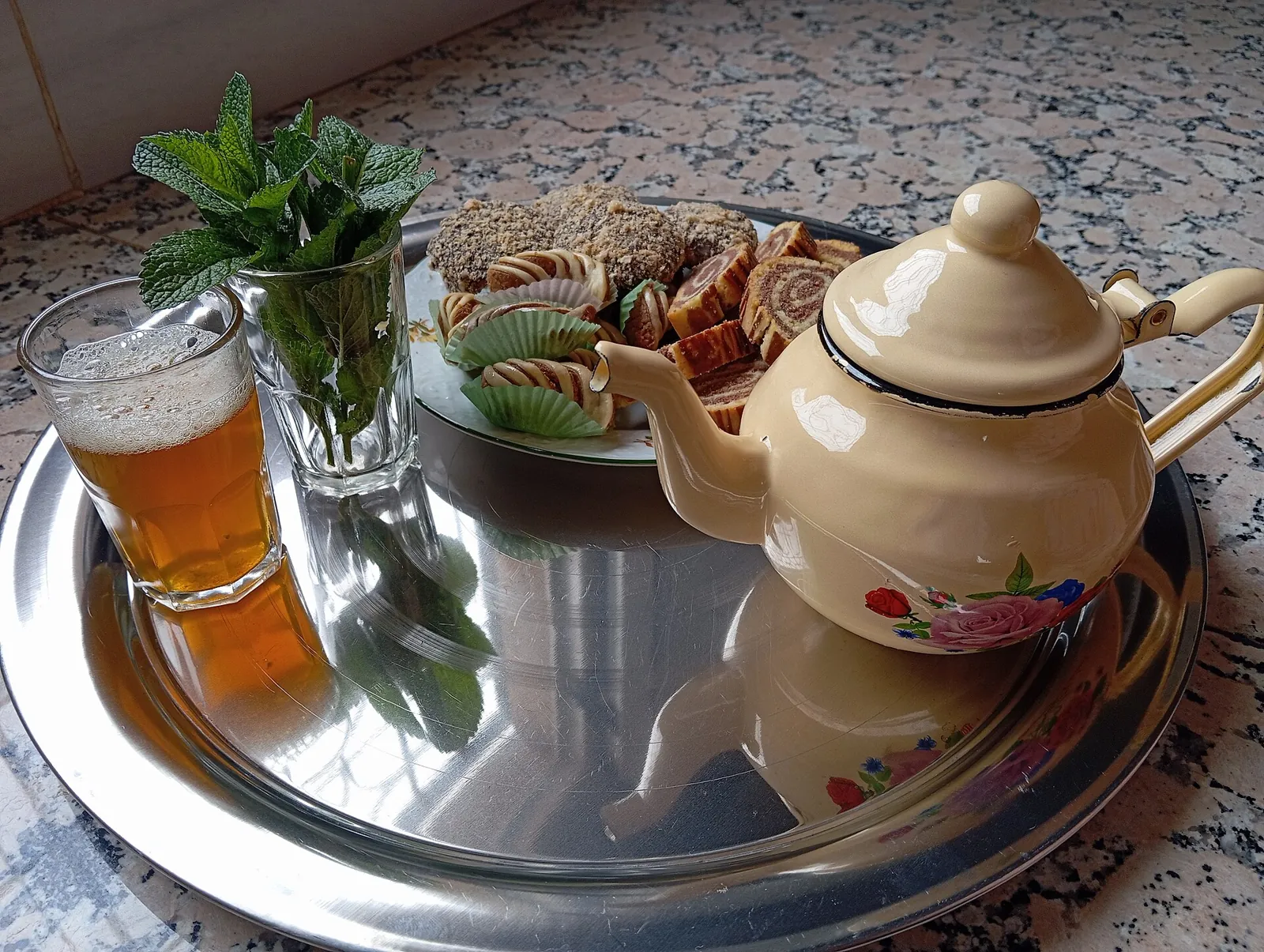
Moroccan hospitality is generous, and guests are expected to bring a small gift. Sweet pastries, dates, figs, nuts, or tea and sugar are all classic choices, and a little something for the children is a warm touch. Use your right hand for giving, eating and greeting, and do not expect your gift to be opened right away. Skip alcohol unless you know your host drinks. During Ramadan, avoid eating, drinking or smoking in public.
- Typical host gift $10 – $35
- Main gift occasions Eid al-Fitr, Eid al-Adha
- Hands Right hand for giving and eating
- Opening Usually later, not on the spot
What to give
In Morocco, gifts are usually modest, thoughtful and tied to hospitality rather than display. The gesture matters more than the cost. Food gifts that can be shared with the household are the most natural choice.
For a host
When invited to a home, bring sweet pastries, nuts, figs, dates, or tea and sugar, which are always acceptable. Fresh flowers also make a good gift, and a small present for the children of the household is a thoughtful touch. Avoid bringing hot dishes; your hosts will have the meal planned.
For friends, in-laws and coworkers
Respect for elders is important in many Moroccan families, so greet older relatives first and consider a gift they will appreciate, such as good tea or sweets. For in-laws, a quality item for the home or a generous box of pastries is a safe choice. If you are unsure who will be present, confirm in advance; in conservative settings, mixed-gender socializing may be handled carefully. For coworkers, a shared box of sweets is more natural than individual gifts.
A box of pastries or sweets
Why it works: Sweet pastries are one of the most commonly recommended host gifts and can be shared with everyone at the table.
Skip it if: the fillings include alcohol or non-halal ingredients.
Dates, figs and nuts
Why it works: A well-presented selection is a classic, halal-friendly gift that suits any household.
Skip it if: you are visiting at the end of Ramadan and the family is already stocked; a gift for the children may be more welcome.
Good tea and sugar
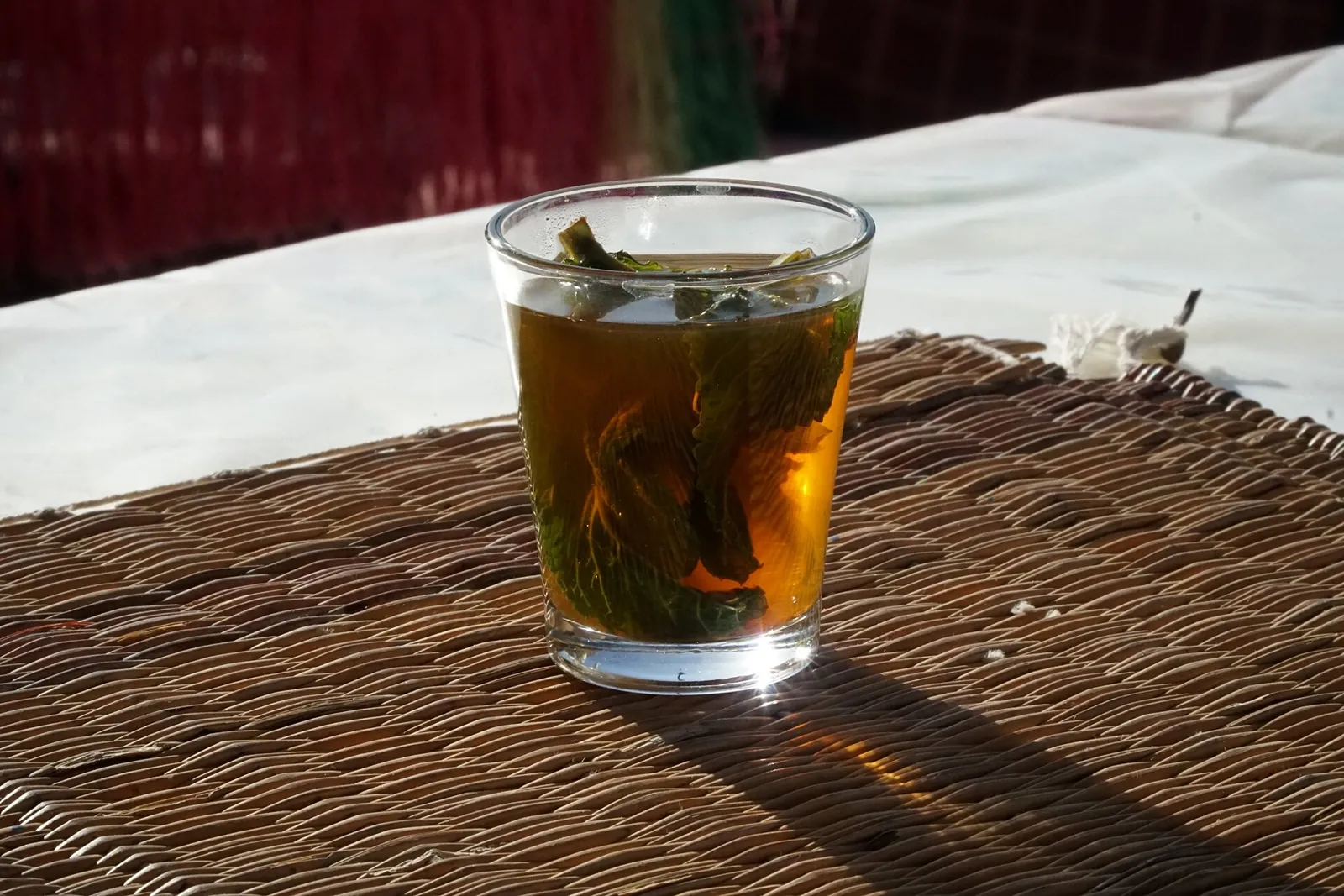
Why it works: Mint tea is a sign of welcome and respect in Morocco, and tea and sugar are a traditional, always-acceptable gift for a host.
Skip it if: you want something more personal for a close friend; pair it with a small item from your home region.
A small gift for the children
Why it works: Bringing something for the children is seen as affectionate and is widely appreciated.
Skip it if: it is noisy or messy; parents will thank you for a book or puzzle.
More ideas in our food gifts section.
What to avoid
- Alcohol, unless you know your host drinks. Morocco is a Muslim-majority country and many people do not drink, so choose sweets or tea instead.
- Pork or non-halal food. Food gifts for Muslim households should be halal; pork is forbidden in Islam.
- Using your left hand. The left hand is considered impure because it is used for hygiene, so use your right hand to give, eat and greet.
- Bringing hot dishes. A prepared dish can clash with the host's menu; stick to sweets or dry goods.
- Eating in public during Ramadan. Non-Muslims are not required to fast, but eating, drinking or smoking in public during daylight is disrespectful.
- Criticizing someone in front of others. Protecting dignity matters; any concern should be raised privately.
How to give and receive
- Give with your right hand. Use it for gestures, greetings, eating and handing over gifts.
- Do not expect it to be opened. Gifts are usually not opened when received, so do not wait for a reaction.
- Follow your host's lead on shoes. Shoes are often removed on entering a home or the reception rooms; watch what your host does.
- Accept the tea. Mint tea is a gesture of welcome. Accepting it is part of accepting the hospitality.
- Eat from the section in front of you. When sharing a communal dish, take food from your side unless the host offers you a choice piece of meat.
- Expect to be urged to eat more. It is part of Moroccan hospitality. A polite "La, shukran" (no, thank you) works when you are full.
- Wrap neatly. Simple, attractive wrapping is fine; there are no widely cited color or number taboos.
Holidays and occasions
Islamic holidays follow the lunar Hijri calendar, so their dates on the Western calendar vary each year. Check a current calendar before planning a visit.
Ramadan
During Ramadan, working hours, energy levels and evening routines shift. Avoid scheduling important meetings, and do not eat, drink or smoke in public, even if you are not fasting. If you are invited to break the fast with a family in the evening, a box of pastries or dates is a natural host gift.
Eid al-Fitr
Eid al-Fitr marks the end of Ramadan. It is a time for family visits and festive food. If you are visiting a Moroccan family during Eid, bring sweets for the household and something small for the children.
Eid al-Adha
Eid al-Adha, also called Eid al-Kabir, is the Festival of Sacrifice. Families who can afford it sacrifice a sheep, often after the morning prayer, and a portion of the meat is traditionally given to the poor. Families buy new clothes or gifts for children and visit relatives and friends. A guest's gift of sweets or tea fits the occasion. See our gifts for kids for ideas for the children.
Weddings and family milestones
Customs for weddings and births vary widely by region and family. Ask a friend from the family what is expected before choosing a gift.
Business gifting
Morocco has a relationship-driven business culture, where trust and personal connection come before formal detail. Hospitality is part of business communication, and mint tea in a meeting is a sign of welcome. Hierarchy matters, with senior people usually making final decisions. Negotiations often involve bargaining and may take patience.
Language choice matters too. Arabic and Tamazight are the official languages, Darija is the everyday spoken Arabic, and French is widely used in commerce and government. Ask in advance which language a meeting will use. Casablanca is the commercial center and Rabat the administrative capital, and practices in rural and Amazigh areas may differ.
If you give a business gift, keep it modest: a quality item from your home region or good tea or sweets. Business gifts in Morocco are tied to hospitality rather than commercial display. Many companies and public bodies have rules on accepting gifts, and anti-bribery laws apply in Morocco as in other countries. Check the recipient's policy and avoid gifts during negotiations or tenders. For general advice, see our business gifts guide.
Frequently asked questions
What should I bring to a Moroccan host?
Sweet pastries, dates, figs, nuts, or tea and sugar are classic host gifts. Flowers are also fine, and a small gift for the children is appreciated.
Can I bring wine to a Moroccan home?
Only if you know your host drinks. Many Moroccans do not drink alcohol, so sweets or tea are the safer choice.
Will my Moroccan host open my gift right away?
Usually not. Gifts are often set aside and opened later, so do not expect an immediate reaction.
How should I behave during Ramadan in Morocco?
You do not have to fast, but avoid eating, drinking or smoking in public during the day, and avoid scheduling important meetings.
Which hand should I use in Morocco?
Your right hand, for eating, greeting, and giving or receiving gifts. The left hand is associated with hygiene.
Compare customs with our guide to gift etiquette in Egypt or browse all country guides.
Sources
- Commisceo Global — Morocco Business Culture Guide. commisceo-global.com
- Rough Guides — Customs and etiquette in Morocco. roughguides.com
- Journey Beyond Travel — Moroccan culture and etiquette. journeybeyondtravel.com
- Taste of Maroc — Eid al-Adha in Morocco. tasteofmaroc.com
Image credits. Top image: Moroccan mint tea with sweets by مصطفى ملو, CC BY-SA 4.0, via Wikimedia Commons · In-article image: Mint tea, Marrakesh by Adam Harangozó, CC BY-SA 4.0, via Wikimedia Commons
Spotted something out of date or a gift that's no longer available? Tell our editors — we review every correction.




