Why do we give gifts on birthdays? A short history
From royal feasts and Roman birthday books to cake and candles, here is where the custom of birthday presents came from and why it has lasted.
We independently research every pick. If you buy through our links we may earn a small commission, at no extra cost to you. Affiliate disclosure.
Quick answer
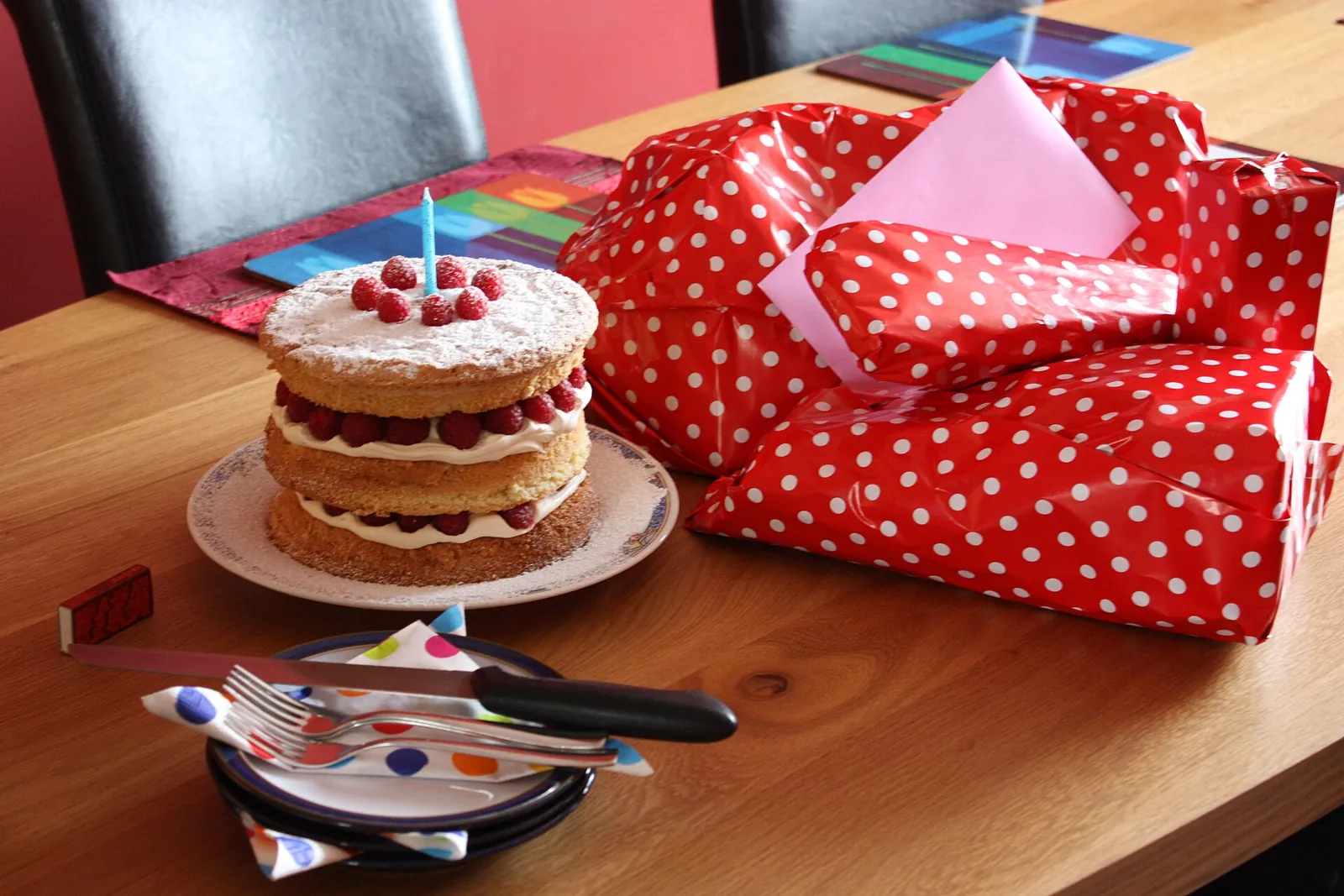
Why do we give gifts on birthdays? Because for more than 2,000 years a birthday has been a day to honor a person, and a gift is the simplest way to show that. Ancient Romans marked birthdays with offerings to a personal guardian spirit and gave friends books and poems; German children's birthday parties added cake and candles; and the modern party, with presents for the guest of honor, spread widely in the 20th century.
- Earliest written mention Pharaoh's birthday feast, Genesis 40:20
- Roman birthday gifts Books and birthday poems were popular
- Cake and candles Linked to the German Kinderfest
- Alternative Name days, still celebrated in some countries
Birthday presents feel so normal that it is easy to forget they had to start somewhere. This article traces where the custom came from and why it has lasted, from royal feasts to the Roman frontier to the kitchen table. For the bigger story of giving across all occasions, see our history of gift giving; here we stay with one day of the year: yours. When you are ready to shop, our birthday gift guides are sorted by person and age.
Birthdays in the ancient world: feasts for kings
The oldest birthday celebrations on record belong to rulers. The Book of Genesis describes how, on Pharaoh's birthday, "he gave a feast for all his officials" (Genesis 40:20). It is the only birthday mentioned in the Torah.
The Greek historian Herodotus, writing in the 5th century BC, said that of all days the Persians honored most the day on which each of them was born. Wealthier Persians served a whole roasted ox, horse, camel or donkey, while poorer families roasted smaller animals. He also describes a royal birthday feast at which the king gave gifts and no request could be refused.
In these early accounts the gifts flowed mainly from the powerful: a king marked his birthday by feasting and rewarding others. The idea of friends bringing presents to an ordinary person came later.
Why do people give gifts on birthdays? The Roman answer
Ancient Rome is where birthday gifts start to look familiar. A Roman birthday, the dies natalis, began as a religious occasion. Each person was believed to have a guardian spirit, the Genius (or Juno for women), honored on the birthday with prayers, wreaths and offerings of incense, cakes and wine, often at the household shrine.
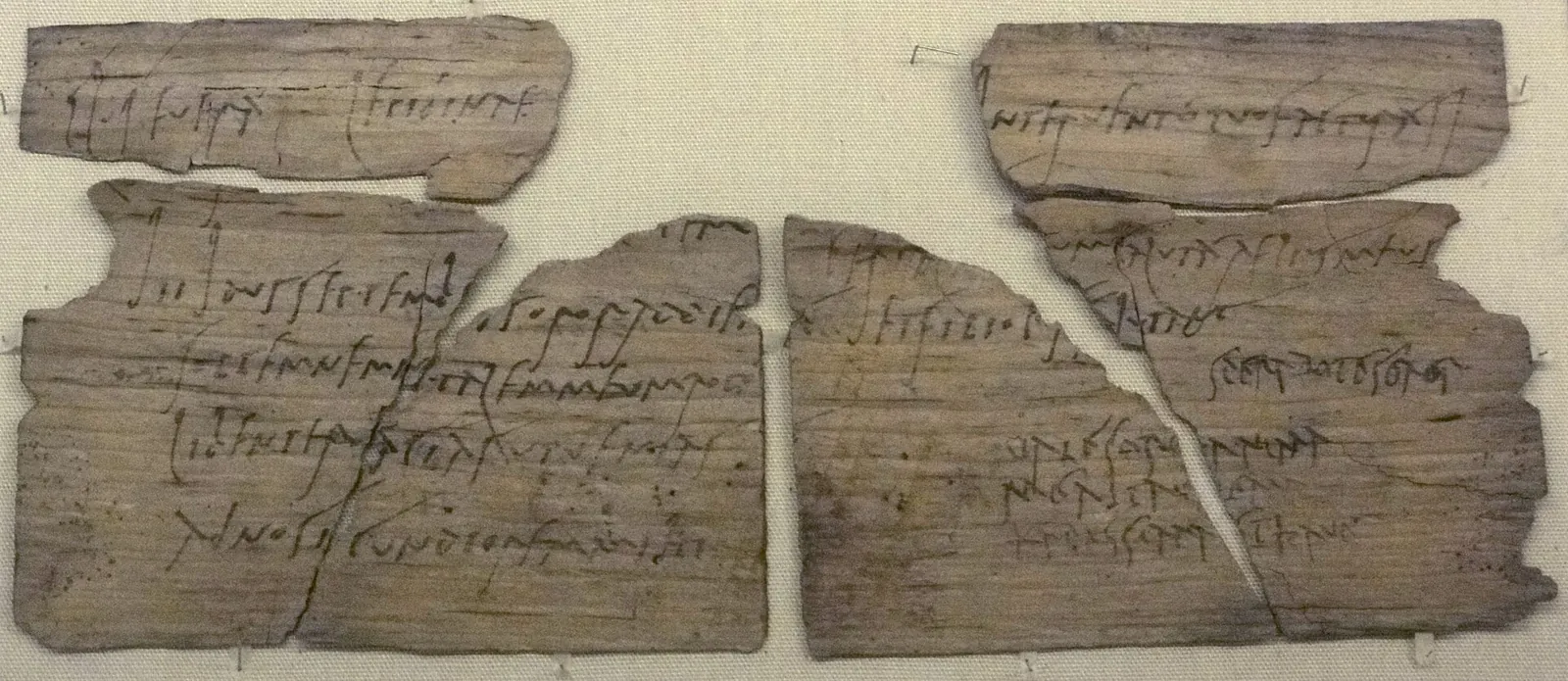
Celebrating someone else's birthday was a way to show affection, friendship or respect. Books were popular birthday gifts, sometimes luxury copies or works written for the person being honored, and birthday poems became a small genre of Latin literature. The poet Ovid, writing from exile, marked both his own birthday and his wife's far away.
One of the most touching surviving birthday documents comes from the edge of the empire. At Vindolanda, a Roman fort near Hadrian's Wall in northern England, archaeologists found a wooden writing tablet from around AD 97 to 105 in which Claudia Severa invites her friend Sulpicia Lepidina to her birthday celebration on 11 September. It is now in the British Museum. Its message is the heart of every birthday party since: please come and celebrate with me.
From saints' days to the children's party
Early Christian writers were wary of birthday celebrations; Origen, for example, saw them as a pagan custom. The church honored saints on the anniversary of their death instead, and in many historically Catholic and Orthodox countries people still celebrate a name day, the feast of the saint whose name they share, often much like a birthday.
The modern children's party owes a great deal to Germany. The 18th-century Kinderfest celebrated a child's birthday with cake and candles. In 1746 a guest at Count Ludwig von Zinzendorf's birthday festival in Marienborn described a cake "as large as any Oven could be found to bake it," with a candle for each year of his age. National Geographic notes that the link between the Kinderfest and today's candles is indirect, and that candles may once have been meant to protect children from evil spirits.
For a long time elaborate cakes were a luxury of the wealthy. As the Industrial Revolution made goods cheaper and more widely available, birthday cakes reached ordinary households. German immigrants brought the candle custom to the United States in the 19th century; by about 1900 to 1920 candles on cakes were standard among the middle class in the US and UK, and in the 1920s retailers such as Sears sold candles by the age. After World War II, American consumer culture helped spread the cake-and-presents birthday around the world, including to Japan by the 1950s.
Why do we give gifts on birthdays today?
The forms have changed, but the reasons the Romans had still hold:
- It says "you matter." A birthday is the one day that belongs only to that person. A gift, even a small one, recognizes them individually rather than as part of a holiday crowd.
- It marks time. Gifts tie a year of someone's life to a memory, which is why milestone birthdays get bigger gestures and why we remember the presents from childhood.
- It keeps relationships warm. Like Claudia Severa's invitation, a birthday gift is a reason to reach out, especially to friends and family who live far away.
- It is a ritual we share. Cake, candles, a song and a gift give everyone, from toddlers to grandparents, a familiar role to play.
Thoughtfulness matters more than price, which is the theme of our guide to the psychology of gift giving. A card with a real message counts too; our birthday card messages can help you find the words.
Birthday gifts with a nod to history
If you like a present with a story, these ideas borrow from the customs above.
A carefully chosen book with a handwritten inscription
Why it works: Books were a favorite Roman birthday gift. Write a few lines inside the cover about why you chose it, and it becomes a keepsake.
Skip it if: they are not a reader; a framed letter carries the same personal touch.
A birthday poem or letter, framed or bound
Why it works: Romans wrote birthday poems for friends. A short poem or a letter about the past year, printed on good paper, costs little and is rarely thrown away.
Skip it if: writing feels forced; a heartfelt card is enough.
A homemade or bakery cake with real candles
Why it works: The Kinderfest cake is the centerpiece of the modern birthday. Add one candle per year, or one extra for luck as some families do.
Skip it if: the person avoids sugar or gluten; ask about a favorite dessert alternative.
Birthstone jewelry
Why it works: A piece set with the stone for their birth month ties the gift to the day itself. See our birthstones by month list.
Skip it if: they do not wear jewelry; a birth-flower print is a gentler nod to their month.
A dinner invitation in their honor
Why it works: The oldest birthday custom of all is a feast. Hosting a small dinner, or booking a table for their favorite cuisine, is a gift of time.
Skip it if: they dislike being the center of attention; a quiet one-on-one meal suits them better.
Frequently asked questions
When did people start giving birthday gifts?
Gift-giving tied to birthdays appears in ancient Persia and Rome. Herodotus describes a Persian king giving gifts at his birthday feast, and in Rome books and poems were popular presents for friends' birthdays.
Where do birthday cakes and candles come from?
Romans sometimes served cakes on special birthdays, but the cake with one candle per year is usually linked to the 18th-century German Kinderfest. Historians describe that link as indirect.
Did early Christians celebrate birthdays?
Many early Christian writers, such as Origen, regarded birthday parties as pagan. Saints were honored on the day they died, and name days remain popular in some countries.
Is it rude not to give a birthday gift?
No. Customs vary by family and culture, and a warm message, a call or time together can mean as much as a present.
Sources
- Bible Gateway — Genesis 40:20 (NIV). biblegateway.com
- Herodotus — The History of Herodotus, Book I, section 133 (trans. G. C. Macaulay), Wikisource. wikisource.org
- Wikipedia — Birthday (history section: Persia, Rome, early Christianity, name days). en.wikipedia.org
- Roman Inscriptions of Britain — Tab. Vindol. 291, Birthday Invitation of Sulpicia Lepidina. romaninscriptionsofbritain.org
- Wikipedia — Birthday cake (history: Kinderfest, Zinzendorf, Industrial Revolution). en.wikipedia.org
- National Geographic — Blowing out birthday candles is surprisingly ancient (July 17, 2025). nationalgeographic.com
Image credits. Top image: Birthday cake and presents, Downpatrick, April 2010 by Ardfern, CC BY-SA 3.0, via Wikimedia Commons · In-article image: Vindolanda tablet 291 by Fæ, CC BY-SA 3.0, via Wikimedia Commons
Spotted something out of date or a gift that's no longer available? Tell our editors — we review every correction.