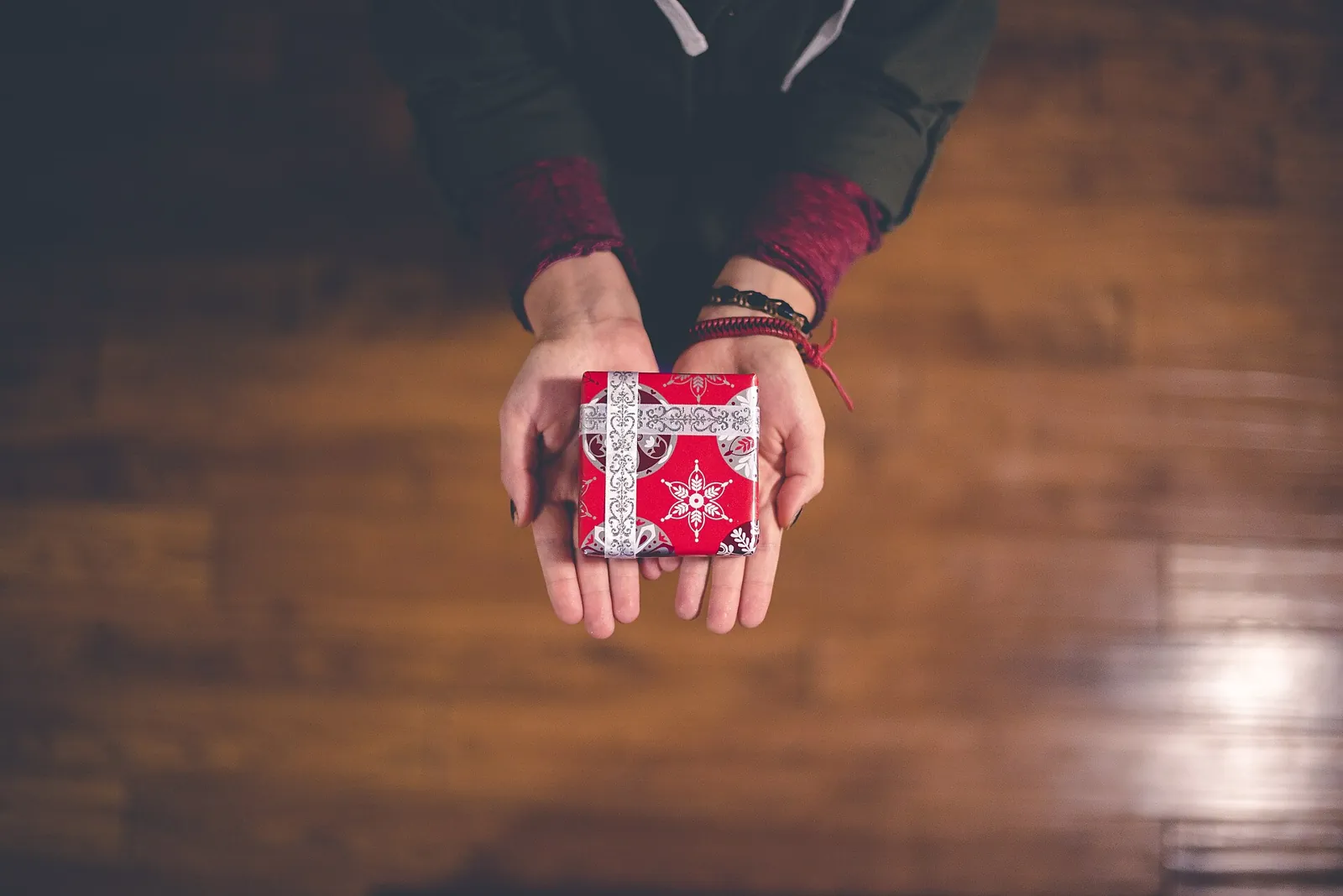
Gifts that give back: how to tell if a purchase really helps
Donation gifts, fair trade goods and social enterprise finds, with simple checks to make sure a gift that gives back actually does.
We independently research every pick. If you buy through our links we may earn a small commission, at no extra cost to you. Affiliate disclosure.
Quick answer
The best gifts that give back tell you exactly who benefits and how much: a donation in someone's name to a charity you have checked, a product from a social enterprise that publishes its impact, or certified fair trade goods. Before you buy, look for a clear amount or percentage, a named beneficiary and a time frame, and check the charity on the IRS search tool or a charity evaluator. Vague promises like "a portion of proceeds" deserve a second look.
- Typical budget $10 – $100
- Most direct impact A donation made in the recipient's name
- Look for A stated amount, a named charity, campaign dates
- Red flag "A portion of proceeds" with no details
Gifts that give back promise two things at once: a present for someone you love and help for a cause. Some deliver on both. Others use a charitable message mainly as marketing. This guide explains the main models, the checks worth doing in five minutes, and gift types that hold up, whether you want gifts that give back to charity, to the environment or to animals. If you also care about packaging and waste, pair it with our guides to plastic-free gifts and zero-waste gifts.
How gifts that give back work
- Donation gifts. You give money to a charity in someone's honor and they receive a card. Nearly all of your money goes to the cause, minus the charity's own costs.
- Percentage or fixed-amount pledges. A company donates part of each sale. The real impact depends on the amount, which is often small.
- One-for-one. For every item sold, the company donates an item or a service. Useful when the donated item is genuinely needed locally; less so when it displaces local sellers.
- Social enterprises. The business itself exists to create jobs, training or fair income, for example for artisans or people facing barriers to work.
- Certified goods. Fair trade and similar labels set standards for how producers are paid and treated, checked by an independent body.
Five checks before you buy
- Find the numbers. The BBB Wise Giving Alliance standards for charities ask that cause marketing clearly disclose how the charity benefits, including the actual or anticipated portion of the purchase price that goes to it, how long the campaign runs and any maximum or guaranteed minimum contribution. If a product page cannot tell you that, be cautious.
- Name the charity, then check it. The Federal Trade Commission suggests searching a charity's name with words like "complaint", "review" or "scam", looking at reports from the BBB Wise Giving Alliance or CharityWatch, and using the IRS Tax Exempt Organization Search to see whether a donation would be tax deductible. Most states also require charities or their fundraisers to register with a state charity regulator.
- Verify the label. A certification is only meaningful if the certifier lists the product or company. Fairtrade standards include a minimum price for many products, with producers receiving the market price when it is higher, and an additional Fairtrade Premium paid on top. Companies certified as B Corporations by B Lab must recertify every three years to keep the label.
- Ask what the gift replaces. A tote bag "that gives back" is still a tote bag. The greenest give-back gift is often one the recipient will genuinely use.
- Pay safely. For direct donations, the FTC recommends paying by credit card or check, keeping records and avoiding anyone who asks for cash, gift cards or wire transfers.
Gifts that give back to charity and communities
A donation in their name
Why it works: The most direct form of giving back. Choose a cause the recipient already cares about, such as a food bank, a literacy program or a disaster relief fund, and give them a card explaining what you did and why.
Skip it if: you are guessing at their values; a cause they would not choose can feel like a statement rather than a gift.
Handmade goods from a fair trade or artisan cooperative
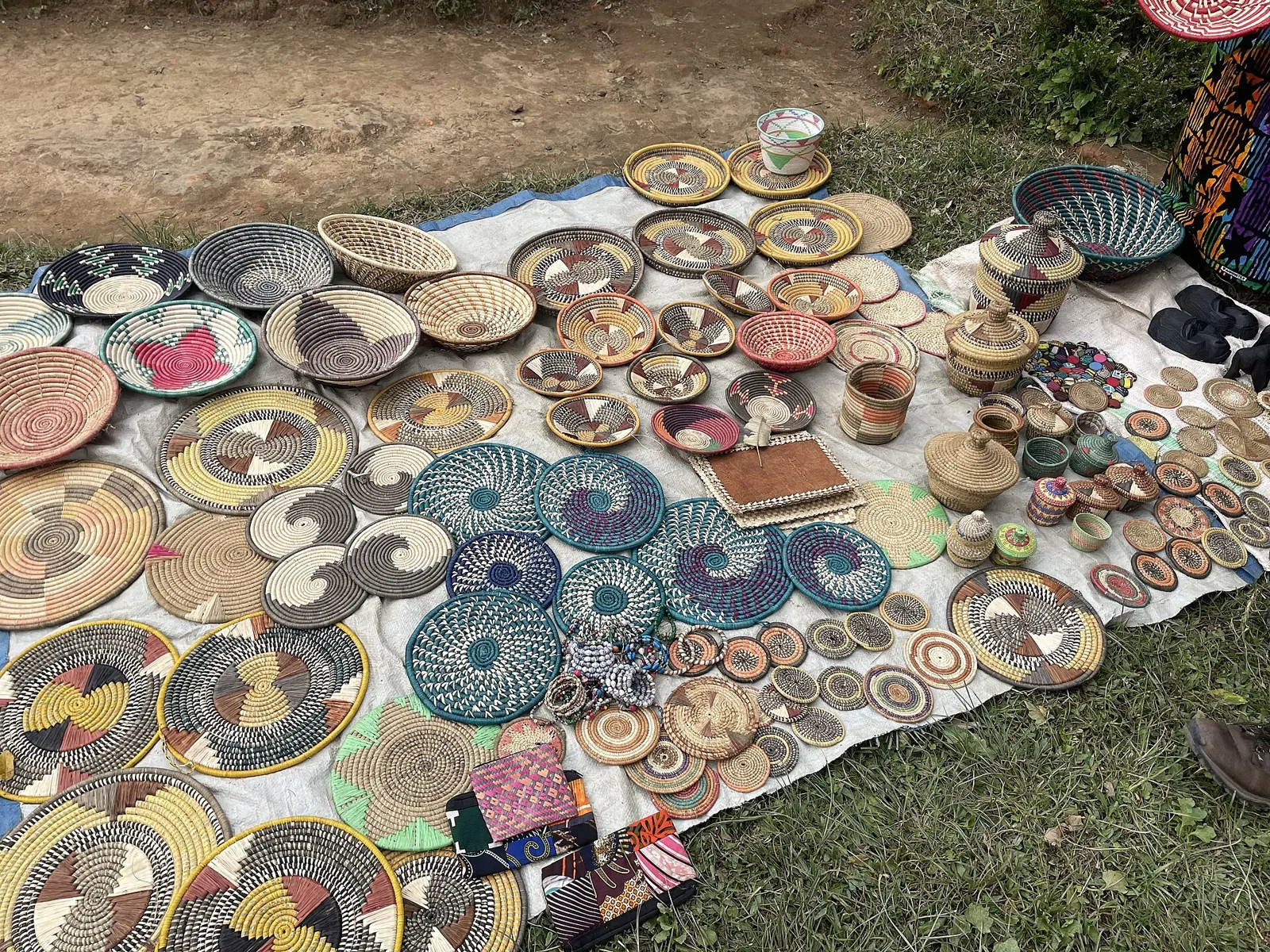
Why it works: Baskets, textiles, ceramics and jewelry from cooperatives put income directly into makers' hands. Look for the maker group named on the product page and, where relevant, a fair trade membership you can verify.
Skip it if: the seller gives no information about who made the item or how they are paid.
Products from a social enterprise
Why it works: Bakeries, coffee roasters and craft workshops that employ and train people facing barriers to work turn an everyday purchase into a job. The best ones publish annual impact reports.
Skip it if: the "mission" is one line on the packaging with nothing behind it.
Certified fair trade coffee, tea or chocolate
Why it works: Consumables are easy to give and get used up, and a fair trade label means an independent standard applies to how producers are paid. Wrap two or three varieties together for a tasting gift.
Skip it if: the recipient has strong brand loyalties or dietary limits; ask first or pick a non-food option.
A ticket to a charity event or fundraiser
Why it works: A charity dinner, run or concert gives the recipient an experience while the ticket price supports the organization. It also shows them the cause in person.
Skip it if: their calendar is packed; a donation card is easier to enjoy.
Gifts that give back to the environment
A membership to a park, garden or conservation group
Why it works: Memberships to botanical gardens, nature reserves or local land trusts fund conservation and give the recipient free visits all year.
Skip it if: they live far from any of the sites; choose a group with a newsletter or volunteer days near them.
A tree-planting or habitat donation
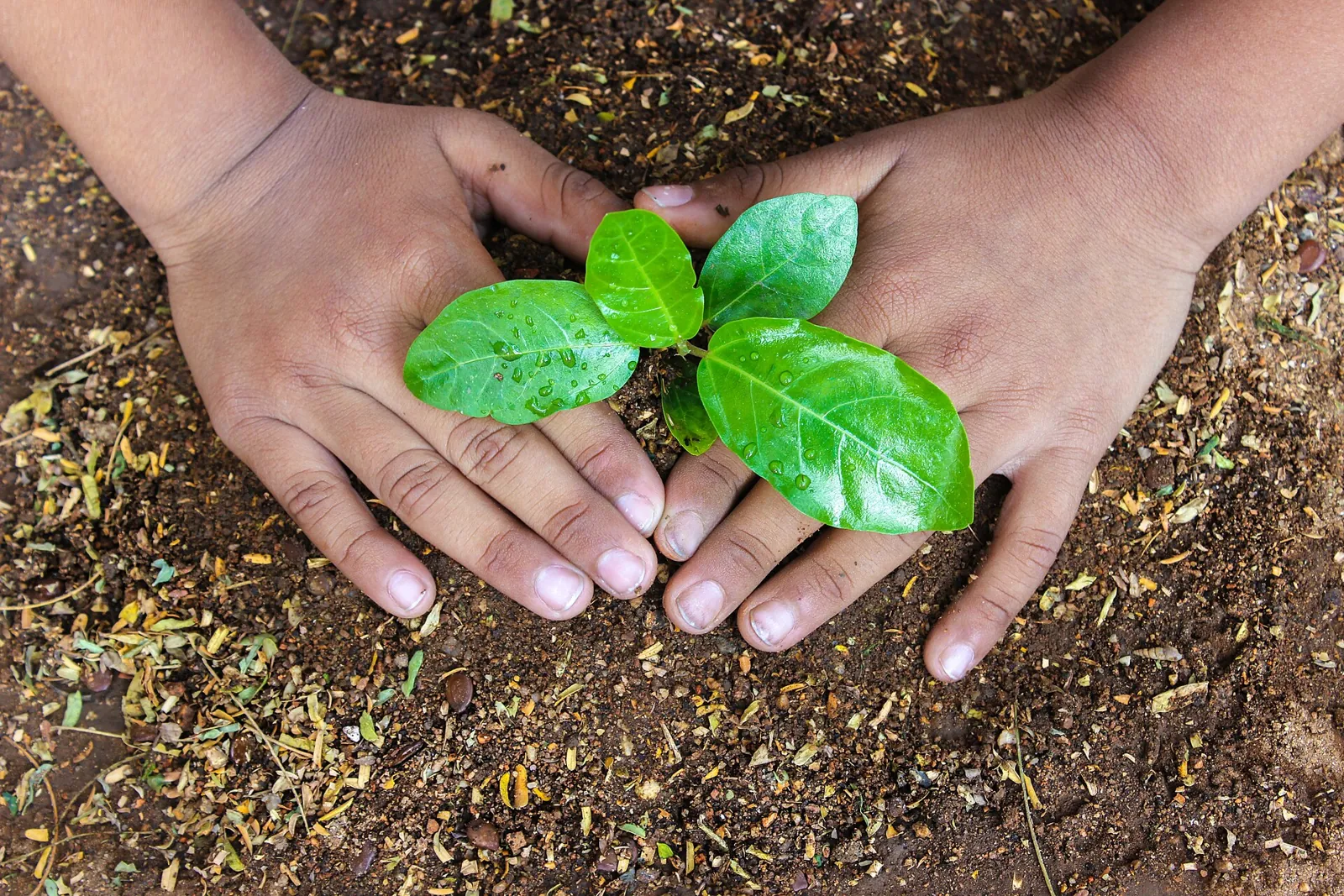
Why it works: A planting donation in their name is a gift with no packaging at all. Choose a program that explains where trees are planted and who cares for them afterwards.
Skip it if: the program cannot tell you where or how the trees are planted and maintained.
Secondhand finds from a charity shop
Why it works: Vintage glassware, books and records from a charity thrift store keep items out of landfill while the purchase price supports the charity that runs the shop. See our eco-friendly gifts section for more ideas.
Skip it if: the recipient prefers new items; some people do, and that is fine.
Gifts that give back to animals
A shelter wish-list delivery
Why it works: Many local animal shelters publish wish lists of food, bedding and toys. Deliver items in the recipient's name and give them a photo and a note.
Skip it if: you have not checked the shelter's current list; unwanted donations can create work for staff.
A symbolic wildlife adoption
Why it works: Conservation charities offer "adoption" packs for a species, often with a certificate and updates. Check whether your money funds that animal or the charity's wider work; both are legitimate, but the difference should be clear.
Skip it if: the recipient expects a real animal connection; set expectations in your card.
How to choose a gift that gives back
- Start with the person, not the cause. A gift that gives back should still be something they would enjoy.
- Prefer transparency over size. A clear $2 donation per item is more trustworthy than a vague promise.
- Explain it in the card. Two sentences on why you chose this cause make the gift personal. Our why we give section explores the meaning behind giving.
- Combine when it makes sense. A small fair trade treat plus a donation card works well for a recipient who would not want a donation alone.
Frequently asked questions
What are gifts that give back?
Gifts where part or all of the money supports a cause: a donation in someone's name, a product from a company that donates part of each sale, a social enterprise product or certified fair trade goods.
How do I know a charity is legitimate?
Search its name with "scam" or "complaint", check reports from the BBB Wise Giving Alliance or CharityWatch, and use the IRS Tax Exempt Organization Search to see whether donations are tax deductible, as the FTC recommends.
Is a donation in someone's name a good gift?
Yes, if the cause matters to them. Pair it with a card that explains your choice, and consider a small physical gift for people who like something to unwrap.
Are one-for-one products worth buying?
They can be, if the company explains where donations go and how needs are assessed. Without that information, a direct donation usually does more good.
Sources
- Federal Trade Commission — Donating safely and avoiding scams. consumer.ftc.gov
- BBB Wise Giving Alliance — BBB Standards for Charity Accountability. give.org
- Fairtrade International — Fairtrade Minimum Price and Premium information. www.fairtrade.net
- B Lab UK — After you certify. bcorporation.uk
Image credits. Top image: A set of crafts for sale in Uganda by Owobusingye, CC BY 4.0, via Wikimedia Commons · In-article image: Plant a Sapling for Better Future by Robbieross123, CC BY-SA 4.0, via Wikimedia Commons
Spotted something out of date or a gift that's no longer available? Tell our editors — we review every correction.