The psychology of gift giving: what research says works
Givers and recipients often want different things. Here is what published research says about why we give, what recipients appreciate, and how to choose better.
Quick answer
Research on gift giving points to a consistent gap between givers and recipients. Givers aim for a surprise that impresses at the moment of opening; recipients care more about how useful or enjoyable a gift is over time. Studies have found that recipients appreciate gifts they asked for more than givers expect, that the "thought that counts" often goes unnoticed unless a gift misses, and that experiences can strengthen relationships more than objects. Spending on others is also linked to the giver's own happiness.
- Main finding Givers and recipients judge gifts differently
- Practical rule Give what they will like and use
- Best bet for closeness Shared or emotional experiences
Why we give at all
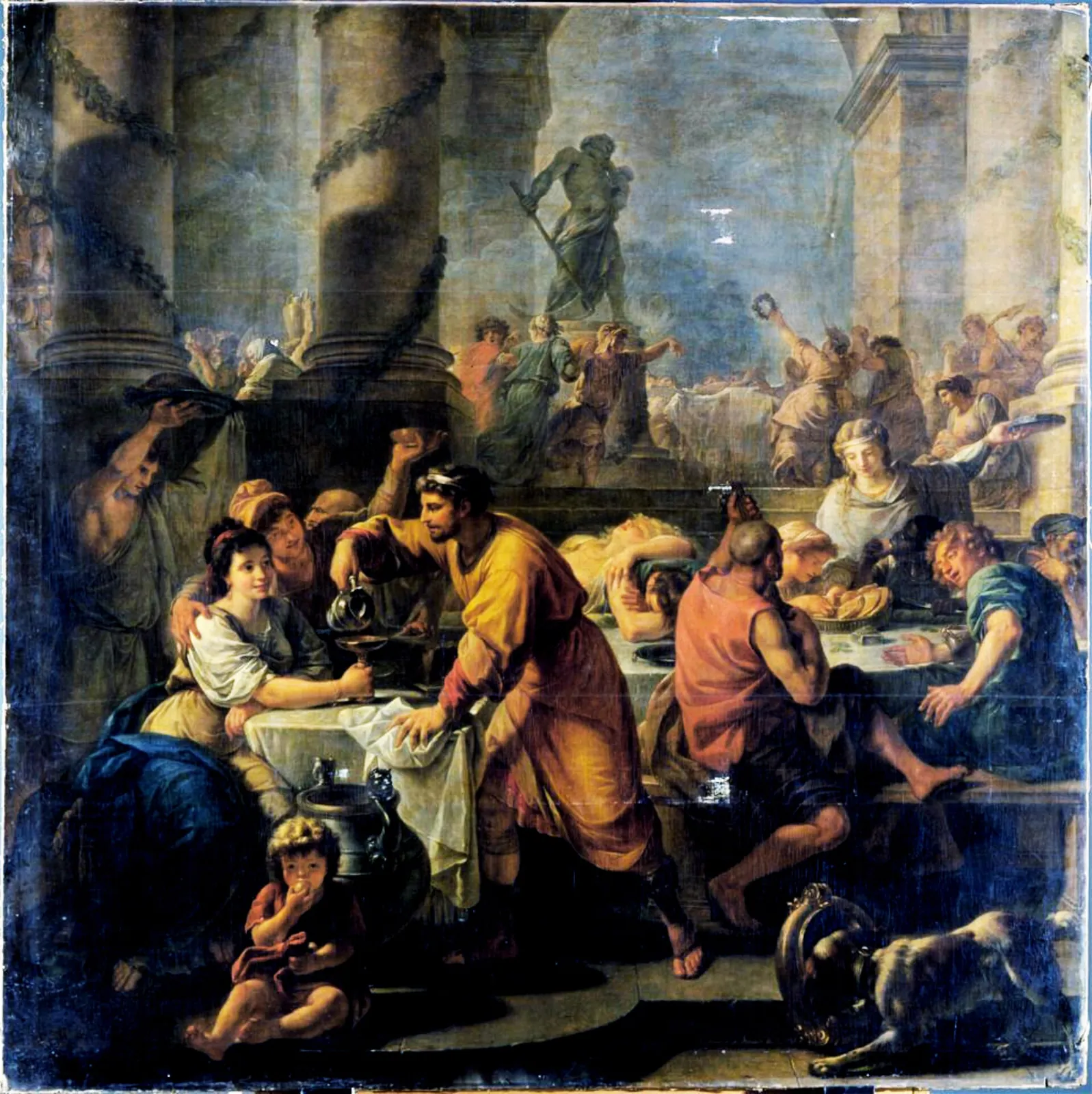
The classic answer comes from anthropology. In The Gift (1925), Marcel Mauss argued that exchange rests on three obligations, to give, to receive and to reciprocate, and that gifts create and maintain relationships rather than being purely free. That is why gifts feel loaded: they say something about the bond, and they invite a response. Our article on the history of gift giving covers this background.
Psychologists add that giving can be rewarding for the giver. In a widely cited 2008 paper in Science, Elizabeth Dunn, Lara Aknin and Michael Norton reported, as summarized by National Geographic, that people who spent more on others reported greater happiness in a survey of 632 Americans; that employees who spent more of a bonus on others were happier about two months later; and that participants randomly assigned to spend $5 or $20 on someone else or a charity felt happier by evening than those told to spend it on themselves. The survey part is correlational, and the experimental samples were small, so it shows a link rather than a guarantee.
The giver-recipient gap
A review by Jeff Galak, Julian Givi and Elanor Williams, described by Carnegie Mellon University, sums up much of the field. Givers focus on the moment of exchange and want to "wow" the recipient. Recipients are more interested in a gift's long-term usefulness. The authors identify several common errors that follow:
- Choosing surprises over requests. Recipients often prefer something from a wish list or registry.
- Choosing objects over experiences. Material gifts get an immediate reaction, while an experience may bring more enjoyment later.
- Choosing "socially responsible" gifts. A charity donation in someone's name feels special when announced but gives the recipient little lasting value.
Their example is memorable: a vacuum cleaner won't impress on Christmas morning, but it may be used and appreciated for years.
Requested gifts beat surprises
Francesca Gino and Francis Flynn tested this directly in studies published in 2011, summarized by the British Psychological Society's Research Digest. In one, people recalling wedding gifts appreciated gifts chosen from the registry more than unrequested ones, while givers expected no difference. In another, with Amazon wish lists, recipients saw gifts from their list as more thoughtful and personal, again unlike givers' predictions. The researchers' advice: pay attention to registries, wish lists and explicit requests. Interestingly, recipients also said they would appreciate money more than givers expected.
When "it's the thought that counts"
Yan Zhang and Nicholas Epley studied the familiar saying in four studies published in 2012, described by the University of Chicago's Chicago Booth Review. Givers see all the effort behind a choice; recipients usually don't. Recipients' liking of a gift was generally unrelated to how thoughtful they judged the giver to be, unless something prompted them to think about it. Thoughtfulness became noticeable when it was obvious, as with a handmade item, or when a friend's gift turned out badly, which led recipients to look for the good intention behind it. Thoughtful choosing also made givers feel closer to the recipient. The authors' conclusion: givers should prioritize gifts the recipient will actually like.
Experiences connect people
Cindy Chan and Cassie Mogilner reported in the Journal of Consumer Research that, across four studies, experiential gifts such as concert tickets or a spa visit strengthened the relationship between giver and recipient more than material gifts. The University of Toronto explains that the effect comes from emotion: experiences tend to be more emotionally evocative when the recipient uses them. Material gifts that evoke strong emotion, such as a framed photo or engraved jewelry, can have a similar effect. Browse our experience gifts for ideas.
Putting the research to work
- Use the wish list. Choosing from it is not lazy; recipients see it as thoughtful.
- Think about the gift in a month, not at the moment of opening.
- Consider an experience, or a material gift with real emotional meaning.
- Make your thought visible with a short note explaining why you chose it.
- Don't overspend to impress; none of these studies suggests that a bigger price is what recipients value.
If choosing still feels stressful, our guide to gift-giving anxiety offers practical steps, and the why we give section has more.
Frequently asked questions
Do people prefer surprise gifts or gifts they asked for?
In Gino and Flynn's studies, recipients appreciated requested gifts more than surprises, while givers expected no difference.
Is it really the thought that counts?
Less than givers think. Zhang and Epley found that recipients mostly notice thoughtfulness when it is obvious or when a friend's gift misses the mark.
Are experiences better gifts than things?
Chan and Mogilner found that experiential gifts strengthened relationships more than material ones, largely because they are more emotional to use.
Does giving make you happier?
Dunn, Aknin and Norton found that spending on others was linked to greater happiness, including in a small experiment. It is a well-known result, but based on modest samples.
Sources
- Carnegie Mellon University — Research on gift-giving errors (Galak, Givi and Williams, Current Directions in Psychological Science, 2016). cmu.edu
- British Psychological Society Research Digest — The psychology of gift giving (Gino and Flynn, Journal of Experimental Social Psychology, 2011). bps.org.uk
- Chicago Booth Review — Using behavioral science to pick the perfect holiday gift (Zhang and Epley, Journal of Experimental Psychology: General, 2012). chicagobooth.edu
- University of Toronto — The science of gift giving (Chan and Mogilner, Journal of Consumer Research). utoronto.ca
- National Geographic — Money can buy happiness if you spend it on other people (Dunn, Aknin and Norton, Science, 2008). nationalgeographic.com
- Wikipedia — The Gift (essay). en.wikipedia.org
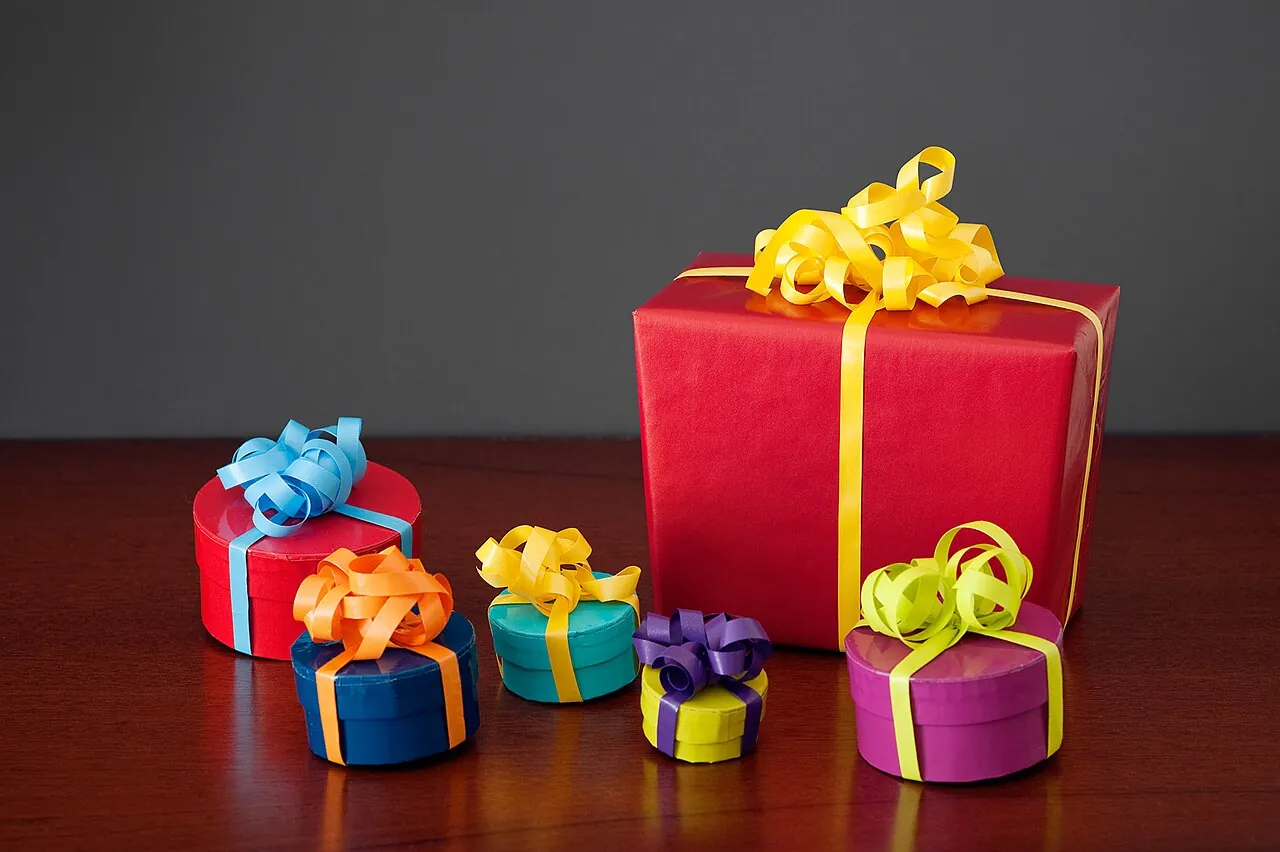
Image credits. Top image: Schöne Geschenke by geschenkhamster.de, CC BY-SA 3.0, via Wikimedia Commons
Spotted something out of date or a gift that's no longer available? Tell our editors — we review every correction.