The history of gift giving, from Saturnalia to Christmas morning
People have exchanged gifts for as long as records exist. Here is how the custom developed, what anthropologists learned from it, and how Christmas took over.
Quick answer
Gift giving appears in the earliest written records and in societies all over the world. The Romans exchanged small gifts at Saturnalia in December; early Christians tied gifts to New Year's Day and later to the Magi and Saint Nicholas. Anthropologists studying systems like the Pacific kula ring and the potlatch of the Pacific Northwest showed that gifts create obligations and relationships, an idea Marcel Mauss set out in The Gift (1925). The shop-bought Christmas present is a nineteenth-century development.
- Roman gift day Sigillaria, December 19, at the end of Saturnalia
- Key theory Marcel Mauss, The Gift, 1925
- Christmas Eve becomes main gift day By the late 1800s
Gifts in the ancient world
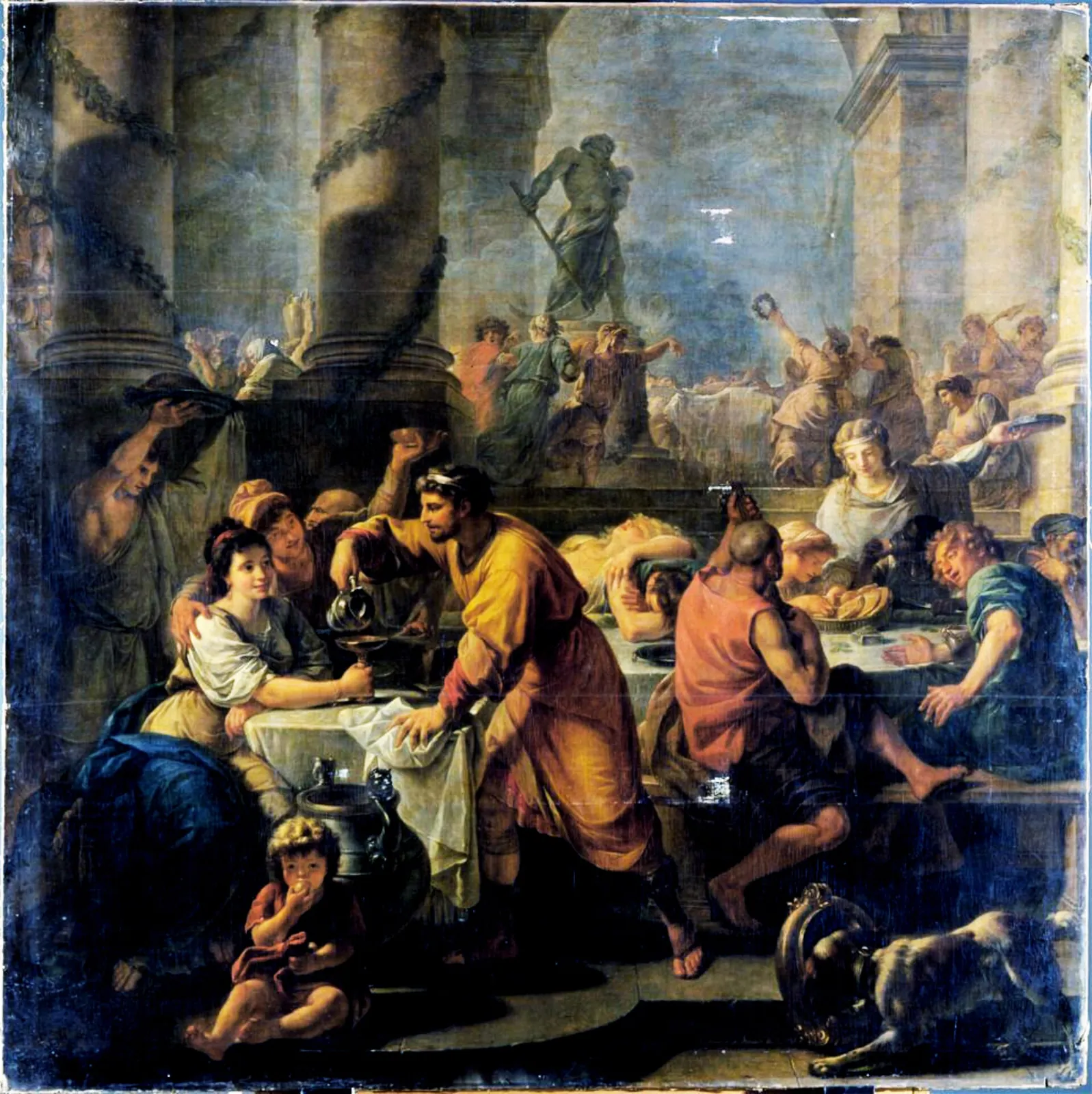
The best-documented ancient gift festival is the Roman Saturnalia. According to Wikipedia's summary of the sources, it began on December 17 and by the first century BC ran for seven days, to December 23. The Sigillaria on December 19 was a day of gift giving. Because lavish presents were a status display, people often gave modest things: small pottery or wax figurines, candles and gag gifts, which the emperor Augustus reportedly enjoyed. The poet Martial devoted a book of short poems, the Apophoreta, to gifts ranging from cheap trinkets to costly items, some written to accompany the presents themselves.
Wax candles were a typical Saturnalia present, and may have symbolized the sun's light returning after the winter solstice. Historians see possible links between Saturnalia and later Christmas customs, including gift giving, though direct descent is debated.
Gifts that build relationships: what anthropologists found
In the early twentieth century, anthropologists began documenting societies where gift exchange organized much of social life.
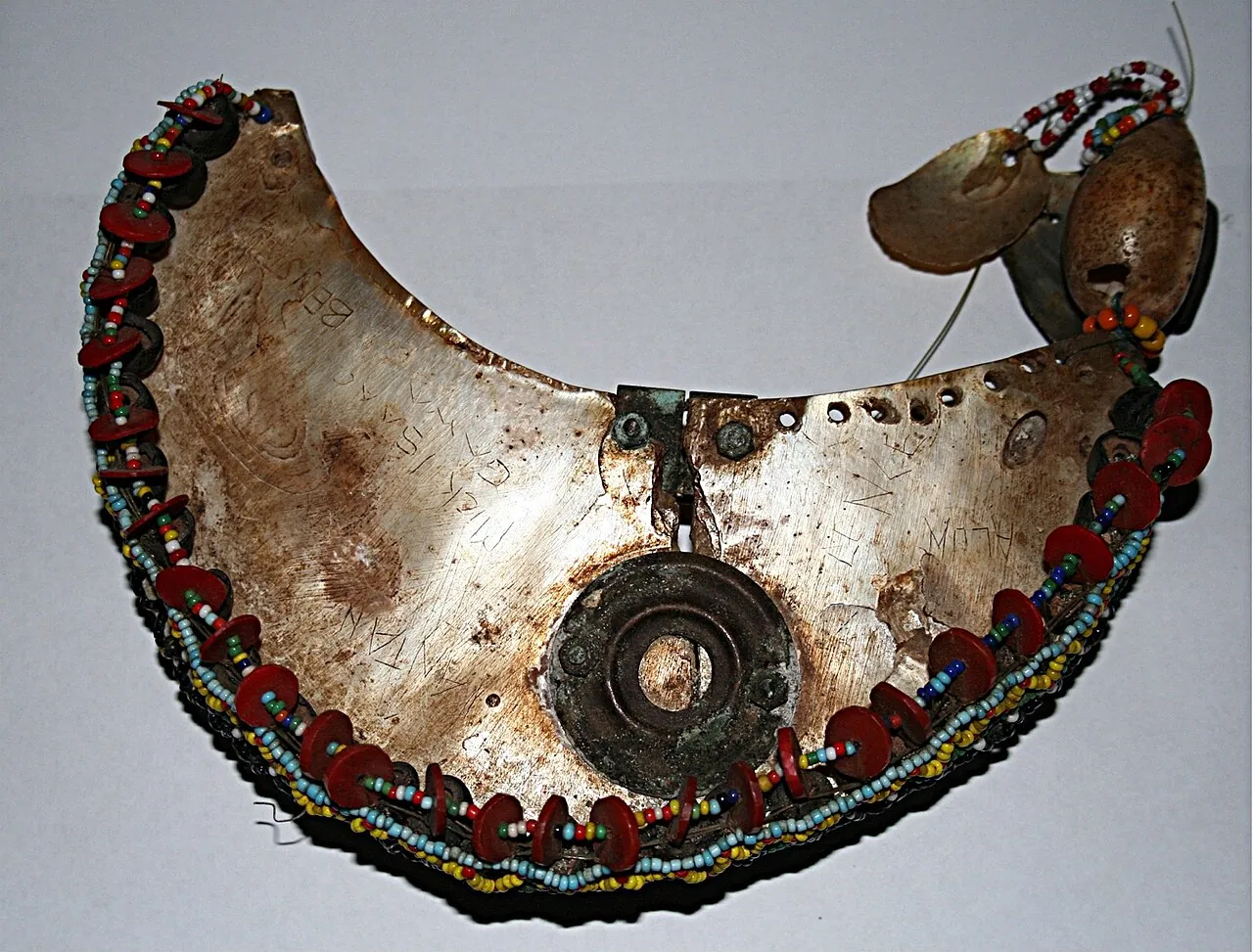
- The kula ring. In Milne Bay Province, Papua New Guinea, communities across eighteen islands, including the Trobriand Islands, circulate two kinds of shell valuables: red shell-disc necklaces travel clockwise around the ring and white shell armbands counterclockwise. Bronisław Malinowski described the system in Argonauts of the Western Pacific (1922), asking why people would risk long sea voyages to give away objects with no practical use. Malinowski linked the exchanges to status and political authority.
- The potlatch. Among Indigenous peoples of the Pacific Northwest Coast, including the Haida, Tlingit, Tsimshian, Kwakwaka'wakw and Coast Salish, the potlatch is a feast at which hosts give away wealth such as blankets, canoes, food and ornamental coppers. It marks births, deaths, weddings and the transfer of names and titles, and a family's standing comes from how much it gives, not how much it keeps. Canada banned the potlatch through an amendment to the Indian Act in the 1880s; the ban was lifted in 1951.
Marcel Mauss and The Gift
In 1925 the French sociologist Marcel Mauss drew these and other examples together in his essay The Gift. His central argument is that gifts are never entirely free. Exchange rests on three obligations: to give, to receive and, above all, to reciprocate. Because gift exchange runs through a society's economic, legal, religious and political life, Mauss called it a "total social fact".
His insight still explains everyday experiences: why an unexpected present can feel awkward if you have nothing to give back, why people keep mental track of who hosted last, and why refusing a gift can be read as refusing the relationship. Our article on the psychology of gift giving looks at what modern research adds.
How Christmas became the big gift day
Christmas gifts have a shorter history than many people assume. Wikipedia's history of Christmas gifts notes that as Christianity spread, gifts were often exchanged on New Year's Day; December 25 had become established as the date of Jesus's birth by around 336 AD, and the gifts of the Magi gave Christians a reason to link presents with the season. In many European countries, Saint Nicholas Day on December 6 became a gift day, especially for children, and giving to children spread more widely around the time of the Reformation.
The modern pattern took shape in the nineteenth century. Clement Clarke Moore's poem now known as "The Night Before Christmas" (1823) and Dickens's A Christmas Carol (1843) helped make Christmas a home-centered family holiday, and by the end of the century Christmas Eve was the most common gift-giving date in Western culture.
Commerce followed quickly. The Irish Times notes that Christmas present advertisements appeared in the US in the 1820s, that by the 1840s Santa Claus was endorsing products, and that in 1867 Macy's in Manhattan stayed open until midnight on Christmas Eve. Complaints about the commercial side are just as old: the same article cites an 1834 magazine letter warning of goods that tempt "the bewildered purchaser". See our Christmas gift guides for the modern version.
What history teaches about giving well
- Modest gifts have always been normal. Romans gave candles and figurines precisely so that gifts did not become a contest.
- Gifts are about the relationship. From kula shells to wedding presents, the exchange matters because it keeps people connected.
- Reciprocity is built in. Mauss's three obligations explain why thank-you notes and return invitations still matter.
- Customs change. The date, the type of gift and the wrapping have all shifted, so there is room to start your own traditions.
Customs elsewhere, such as Lunar New Year red envelopes, show how varied the forms can be. More essays on why we give are collected in our why we give section.
Frequently asked questions
When did people start giving gifts?
There is no known starting point; gift exchange appears in very early records and in cultures around the world. The Roman Saturnalia is one of the best-documented ancient gift festivals.
Did Christmas gifts come from Saturnalia?
Possibly in part. Saturnalia gift giving resembles later Christmas customs, but historians debate how directly one led to the other. The Magi and Saint Nicholas are the Christian roots.
What did Marcel Mauss argue about gifts?
That gifts create obligations to give, receive and reciprocate, so they build and maintain social relationships rather than being purely free.
When did Christmas become commercial?
In the US, Christmas present advertising dates to at least the 1820s, and department stores were extending hours for Christmas shoppers by the 1860s.
Sources
- Wikipedia — Saturnalia. en.wikipedia.org
- Wikipedia — Kula ring. en.wikipedia.org
- Wikipedia — Potlatch. en.wikipedia.org
- Wikipedia — The Gift (essay). en.wikipedia.org
- Wikipedia — Christmas gift. en.wikipedia.org
- The Irish Times — Commercialising Christmas has a long and complicated history. irishtimes.com
Image credits. Top image: Saturnalia by Antoine Callet by Themadchopper, Antoine-François Callet, CC0 1.0, via Wikimedia Commons · In-article image: Kula bracelet by Brocken Inaglory, CC BY-SA 3.0, via Wikimedia Commons
Spotted something out of date or a gift that's no longer available? Tell our editors — we review every correction.