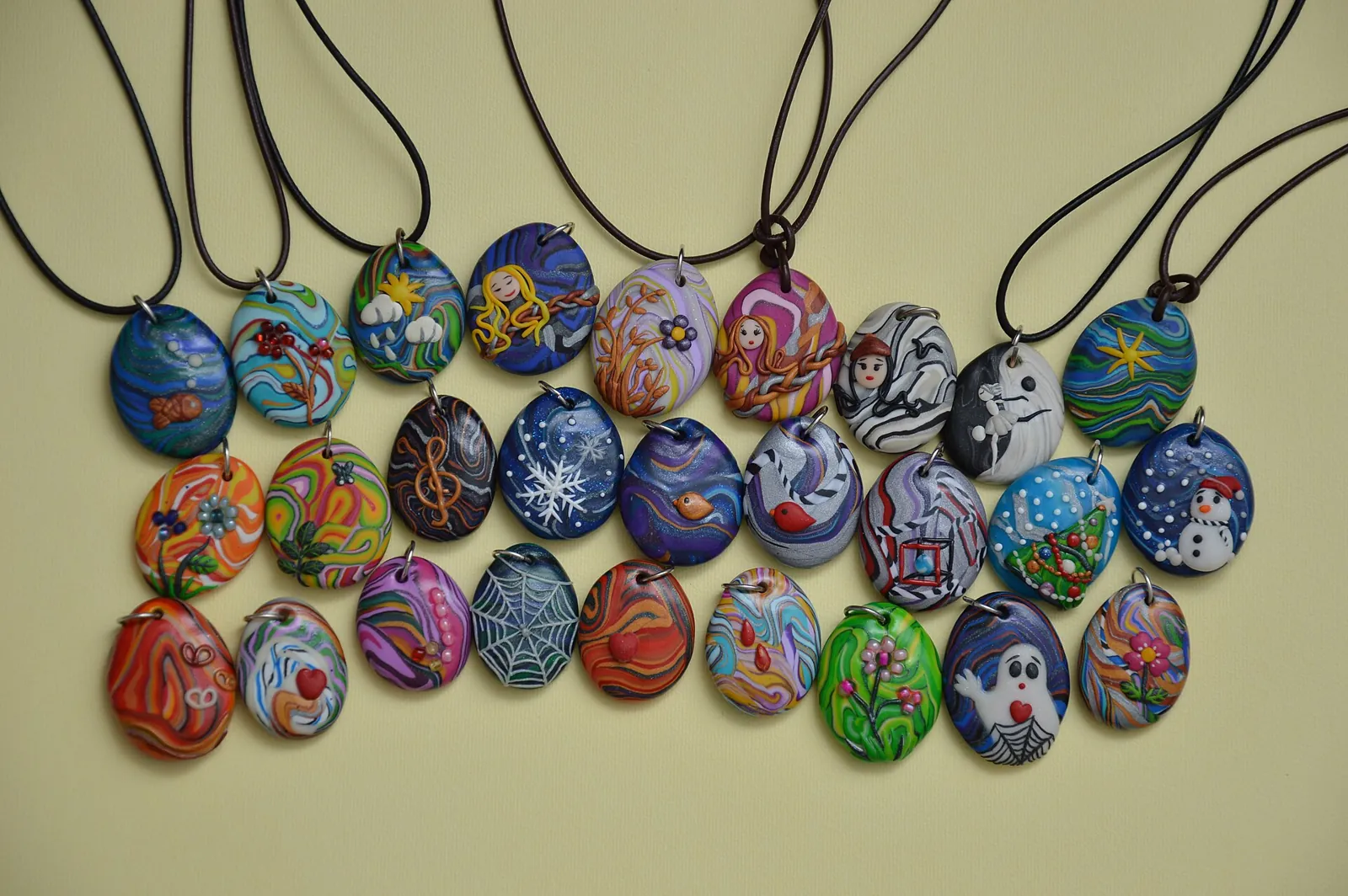
Salt dough ornaments: recipe, handprints and gift ideas
A tested salt dough recipe, how to make crisp handprint keepsakes, how to seal ornaments so they last, and the pet and raw-flour safety rules to know first.
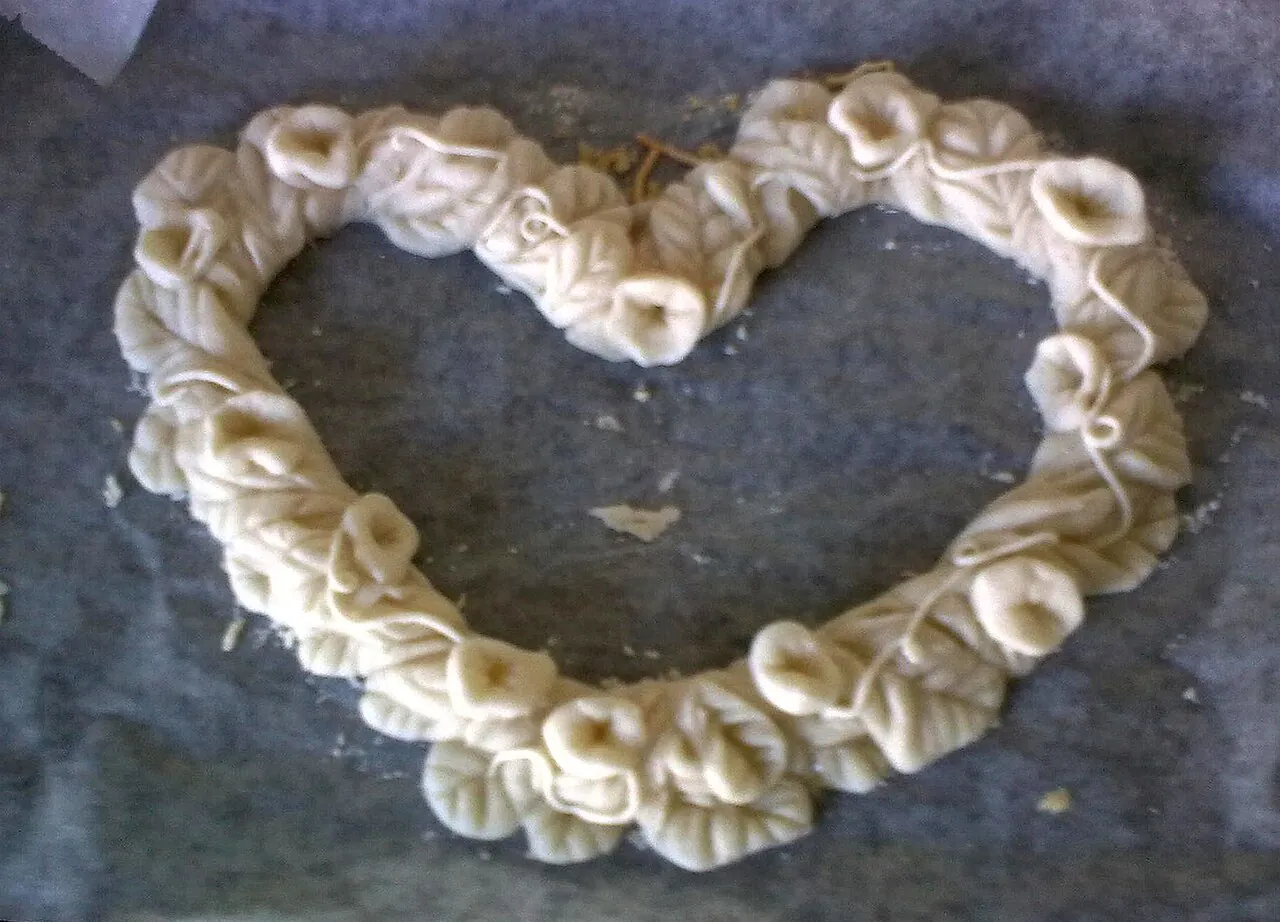
Quick answer
Mix 4 cups flour, 1 cup table salt and 1½ cups water, knead, roll ¼ to ½ inch thick, cut shapes, poke a ribbon hole and bake at 300°F for about an hour, until hard (the University of Nebraska–Lincoln Extension recipe). Cool completely, paint, seal every surface, and add a name and year. Salt dough is not food: raw flour can carry germs, and the salt makes finished ornaments dangerous for dogs and cats, so wash hands, supervise kids and hang them well out of pets' reach.
- Time 30 minutes to mix and cut, about 1 hour baking, plus cooling, painting and sealing (spread over a day or two)
- Difficulty Easy; an adult handles the raw dough and the oven, kids can paint
- Cost About $10 – $25, most of it paint, sealer and ribbon
- Makes A full batch gives roughly 20 – 30 cookie-cutter ornaments, or 6 – 10 large handprint rounds
Our guide to DIY Christmas ornaments covers salt dough alongside other ornament ideas. This page goes deeper: keepsake handprints, fixing puffing and cracks, sealing so they last, and gifting.
What you'll need
- 4 cups all-purpose flour
- 1 cup table salt
- 1½ cups water (have a little extra on hand)
- Large bowl, rolling pin, and a baking sheet lined with parchment
- Cookie cutters, or a 4 – 5 inch bowl or lid to cut circles for handprints
- A drinking straw or skewer for the hanging hole
- Optional: rubber stamps, lace or alphabet stamps for texture
- Water-based acrylic craft paint, brushes and a fine paint pen
- Clear acrylic sealer (brush-on or spray) in matte or gloss
- Ribbon, baker's twine or ornament hooks; tissue paper and small boxes for gifting
The recipe above is from the University of Nebraska–Lincoln Extension. For a smaller batch, halve everything: 2 cups flour, ½ cup salt and ¾ cup water.
How to make salt dough ornaments
Mix and knead
Stir the flour and salt together in a large bowl, then add the water and mix until the dough forms a ball. Knead on a floured counter for a few minutes until it is smooth and firm. If it sticks to your hands, knead in a spoonful of flour; if it cracks at the edges, add water a few drops at a time.
Roll to an even thickness
Divide the dough into two to four pieces and roll each to between ¼ and ½ inch. Evenness matters more than the exact figure: thin edges brown first, while thick centers stay soft.
Cut, stamp and press
Cut shapes with cookie cutters and lift them onto the parchment with a spatula. Press in stamps, lace or a name now, or cut a 4 – 5 inch circle for a handprint (see below).
Make the hanging hole
Push a straw straight through about ½ inch below the top edge and twist it out. Make the hole a little larger than your ribbon needs; it is impossible to enlarge neatly once the ornament is hard.
Bake until hard
Bake at 300°F for about 1 hour, or until the dough has hardened, which is the time and temperature the UNL Extension recipe gives. Thick pieces and large handprints often need longer. Check them toward the end: a finished ornament feels hard on both sides and sounds solid when tapped. If the tops look dry but the backs feel soft, flip them and keep going. Let everything cool completely on the tray.
Paint
Once the pieces are cool and fully dry, paint with water-based acrylics. A white base coat makes colors brighter; natural dough with just a name and year in paint pen looks simple and rustic.
Seal every surface
Salt draws moisture from the air, and unsealed ornaments can soften or get sticky in a damp room or attic. Apply two or three thin coats of clear acrylic sealer to the front, back and edges, letting each coat dry as the label directs. Use spray sealers outdoors or in a well-ventilated room, and keep children away while spraying.
Add ribbon and a label
Thread 6 – 8 inches of ribbon through the hole and knot it. Write the maker's name and the year on the back (before sealing if you can).
Tip: Make a few extra plain shapes. Write a name on each and use them as reusable gift tags on wrapped presents; our guide to homemade gift tags has more ideas.
Handprint and keepsake ornaments
The UNL Extension recipe suggests rolling the dough ¼ to ½ inch thick, cutting 4 – 5 inch circles and pressing a child's hand into each one. A few things make the difference between a crisp print and a smudge:
- Lightly flour the hand and press straight down, one finger at a time, then lift straight up.
- Roll the circle a little thicker (closer to ½ inch) so fingers do not push through.
- Scratch the name and date into the dough with a toothpick before baking; it survives better than paint.
- Bake handprint rounds longer than small ornaments and check that the center is hard.
Pawprints are popular too, but think twice: the dough is salty and pets lick their paws. Wipe the paw thoroughly straight away, or use air-dry clay for pawprints instead. For more keepsake ideas, see our handprint craft gifts.
Safety: kids, raw flour and pets
Raw flour is a raw food. The FDA and CDC both warn that raw flour can carry germs such as E. coli, and the CDC's advice explicitly includes crafts made with raw flour, such as homemade play dough and holiday ornaments. The FDA goes further and advises not letting children use raw dough for crafts or play clay, because little hands end up in mouths. If you do involve children, follow the extension advice to wash hands before and after handling the dough, supervise closely, never let anyone taste it, and wash bowls and counters with warm, soapy water afterward. The cautious split: an adult mixes, rolls and cuts, and children paint the baked, cooled ornaments.
Dangerous for dogs and cats. The ASPCA Animal Poison Control Center warns that pets can mistake salt dough for a salty treat. The salt can cause vomiting, heavy drinking and high blood sodium, which can lead to seizures and, untreated, death. Pet Poison Helpline adds that as few as one or two ornaments could make a dog very sick and that baked pieces can cause a blockage. That applies to old ornaments too, so:
- Keep pets out of the room while you make and dry them.
- Hang salt dough ornaments high and on sturdy branches.
- Add a "not edible, keep away from pets" line to the gift tag if the recipient has a dog or cat.
- If a pet eats any, call your veterinarian, the ASPCA Animal Poison Control Center (888-426-4435) or Pet Poison Helpline (855-764-7661) right away.
Oven and sealers. An adult should handle the oven and hot trays. Use sprays in a ventilated area and follow the label's age and safety guidance.
Troubleshooting common problems
| Problem | Likely cause | What to try |
|---|---|---|
| Puffed or bubbled | Oven too hot for the thickness | Use a lower setting for longer, check that the oven is in °F, or let pieces air-dry for a day before baking |
| Cracks while drying | Dough too dry, or dried too fast | Knead in a little more water next time; dry more gently |
| Soft center days later | Not fully dried | Return to a low oven until hard before sealing |
| Sticky or soft in storage | Moisture absorbed through unsealed areas | Dry out, then seal all sides including edges |
Air-drying instead of baking works, but it is slow: expect several days, turning pieces daily, and longer for thick shapes or humid weather. Do not seal until they are completely hard all the way through.
Gift ideas and how to package them
- Grandparent set: one handprint round per grandchild, each with name and year, in a single box. It pairs well with other gifts for grandma from the grandkids.
- Teacher or neighbor ornament: one stamped star with the year on the back, tied to a small treat.
- Gift topper: a single ornament tied onto a wrapped present instead of a bow.

Wrap each ornament in tissue and nest it in a small box with crinkle paper, since salt dough chips if it knocks against other pieces. Add a care card: keep dry, store in tissue, hang out of pets' reach, not edible. For more seasonal makes, browse DIY Christmas and our projects kids can make.
Frequently asked questions
How long do salt dough ornaments last?
When they are dried all the way through and sealed on every surface, they can last for many years. Moisture is the main enemy, so store them wrapped in tissue in a dry place rather than a damp basement or hot, humid attic.
Are salt dough ornaments toxic to dogs?
Yes, they can be. The ASPCA warns the salt can cause high blood sodium, seizures and death if untreated, and Pet Poison Helpline says one or two ornaments could make a dog very sick. Cats are at risk too. Call your vet or a pet poison line immediately if any are eaten.
Can I bake salt dough at a lower temperature?
Yes. Many crafters use a lower oven for a longer time to reduce puffing and browning. The trade-off is time, so check often and keep going until the pieces are hard on both sides.
Can toddlers make salt dough?
The FDA advises against letting children use raw flour dough for crafts because of germs such as E. coli. A safer approach for little ones is to let an adult make and bake the shapes, then let the child paint them, with hands washed afterward.
Sources
- University of Nebraska–Lincoln Extension — Making Holiday Memories (salt dough recipe and handprint ornaments). food.unl.edu
- ASPCA — Crafting with Care: Pet Safety Tips for Holiday Arts and Crafts. aspca.org
- Pet Poison Helpline — Salt Dough Ornaments. petpoisonhelpline.com
- Pet Poison Helpline — Play Dough (Homemade). petpoisonhelpline.com
- U.S. Food and Drug Administration — Handling Flour Safely: What You Need to Know. fda.gov
- Centers for Disease Control and Prevention — Raw Flour and Dough. cdc.gov
Image credits. Top image: Sydän kranssi by Paroja, CC BY-SA 3.0, via Wikimedia Commons · In-article image: Taikataikinasta tehty taulu by Paroja, CC BY-SA 3.0, via Wikimedia Commons
Spotted something out of date or a gift that's no longer available? Tell our editors — we review every correction.