Lunar New Year gifts for in-laws that show respect
What to bring your partner's parents for Lunar New Year, Tết or Seollal, with realistic budgets and the taboos that matter most.
We independently research every pick. If you buy through our links we may earn a small commission, at no extra cost to you. Affiliate disclosure.
Quick answer
For in-laws at Lunar New Year, choose gifts that look generous and wish them health and prosperity: a premium fruit box (oranges or mandarins for Chinese and Vietnamese families), good tea, a wellness gift such as Korean red ginseng, or a box of New Year sweets. Wrap in red or gold, never give a clock or pears to a Chinese family, and ask your partner what the family usually brings.
- Typical budget $40 – $150 per household
- Lunar New Year 2027 February 6 (Korean Seollal: February 7)
- Safest bets Fruit, tea, wellness gifts, traditional sweets
- Avoid (Chinese families) Clocks, pears, umbrellas, sharp objects, sets of four
Start by asking your partner
A first Lunar New Year with a partner's family carries more weight than a casual visit. Your gift is often read as a sign of respect for the household and its elders, so the most useful step costs nothing: ask your partner what the family usually brings, whether red envelopes are expected from you, and which tradition the family follows. A Cantonese family in California, a Vietnamese family celebrating Tết and a Korean family observing Seollal will have different habits.
A few points hold across all three. Bring something for the household rather than a single person, present it with both hands, and arrive with a New Year greeting ready.
Gifts that work for most families
A premium fruit box
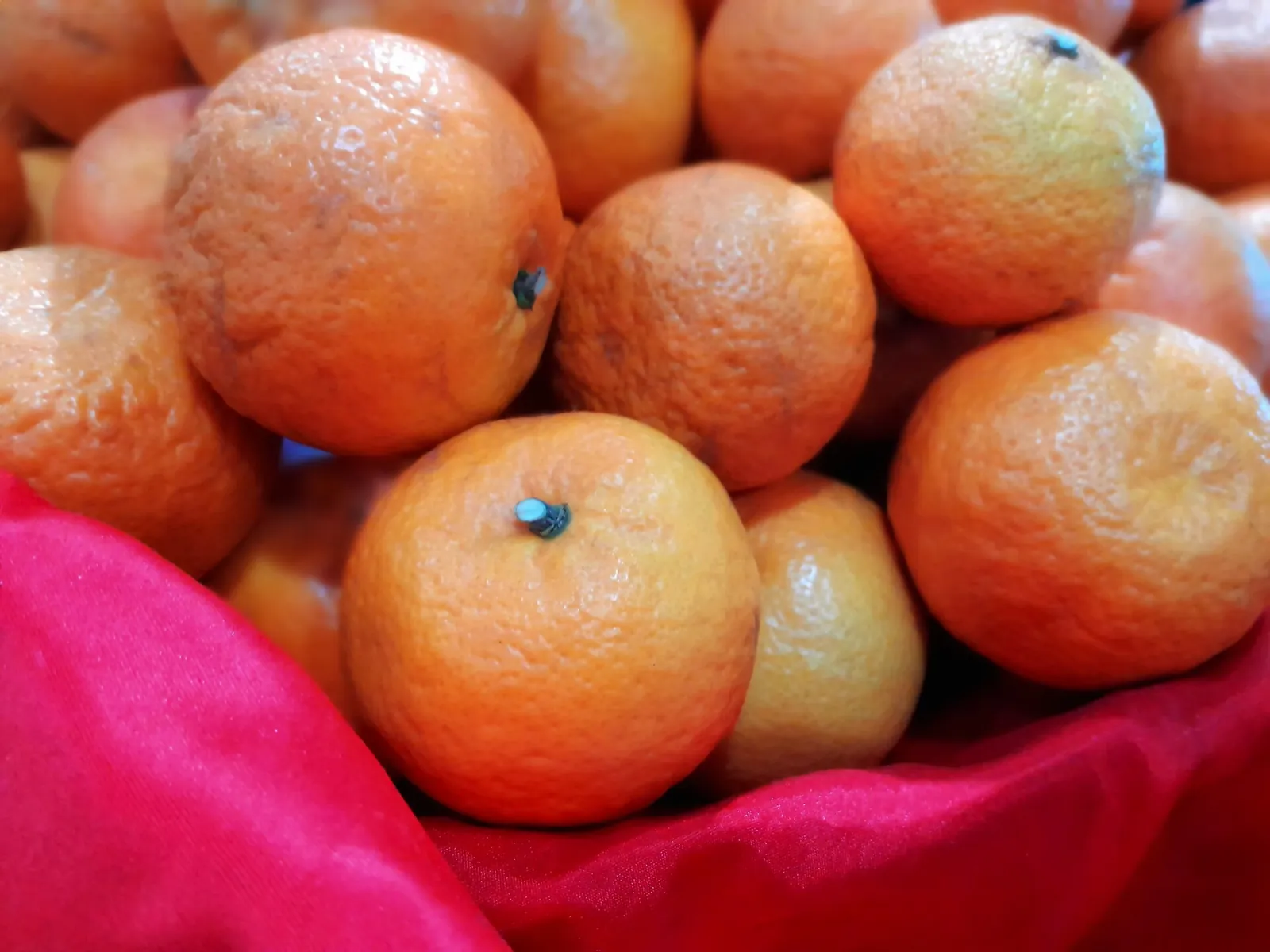
Why it works: Fruit is a standard New Year gift across all three traditions. Mandarins and oranges are favorites for Chinese and Vietnamese families, and in Korea fruit is popular partly because it is also placed on the table for ancestral rites. Choose large, unblemished fruit in a sturdy box.
Skip it if: the box contains pears and the family is Chinese; pear (lí) sounds like "separation." Korean families, by contrast, often treat large Korean pears as a classic holiday fruit.
A fine tea gift set
Why it works: Good tea is respectful, easy to share with visitors over the holiday, and fits most ages. Oolong, pu'erh or jasmine suit many Chinese households; Thái Nguyên green tea is a well-known Vietnamese choice.
Skip it if: your father-in-law is a tea connoisseur; ask your partner which teas he already drinks, or let him guide you to a shop he trusts.
A wellness gift
Why it works: Gifts that wish elders good health, such as Korean red ginseng extract or quality honey, are a long-standing holiday choice, especially in Korean households.
Skip it if: your in-laws take medication; check with your partner, as ginseng and supplements are not right for everyone.
A box of New Year sweets
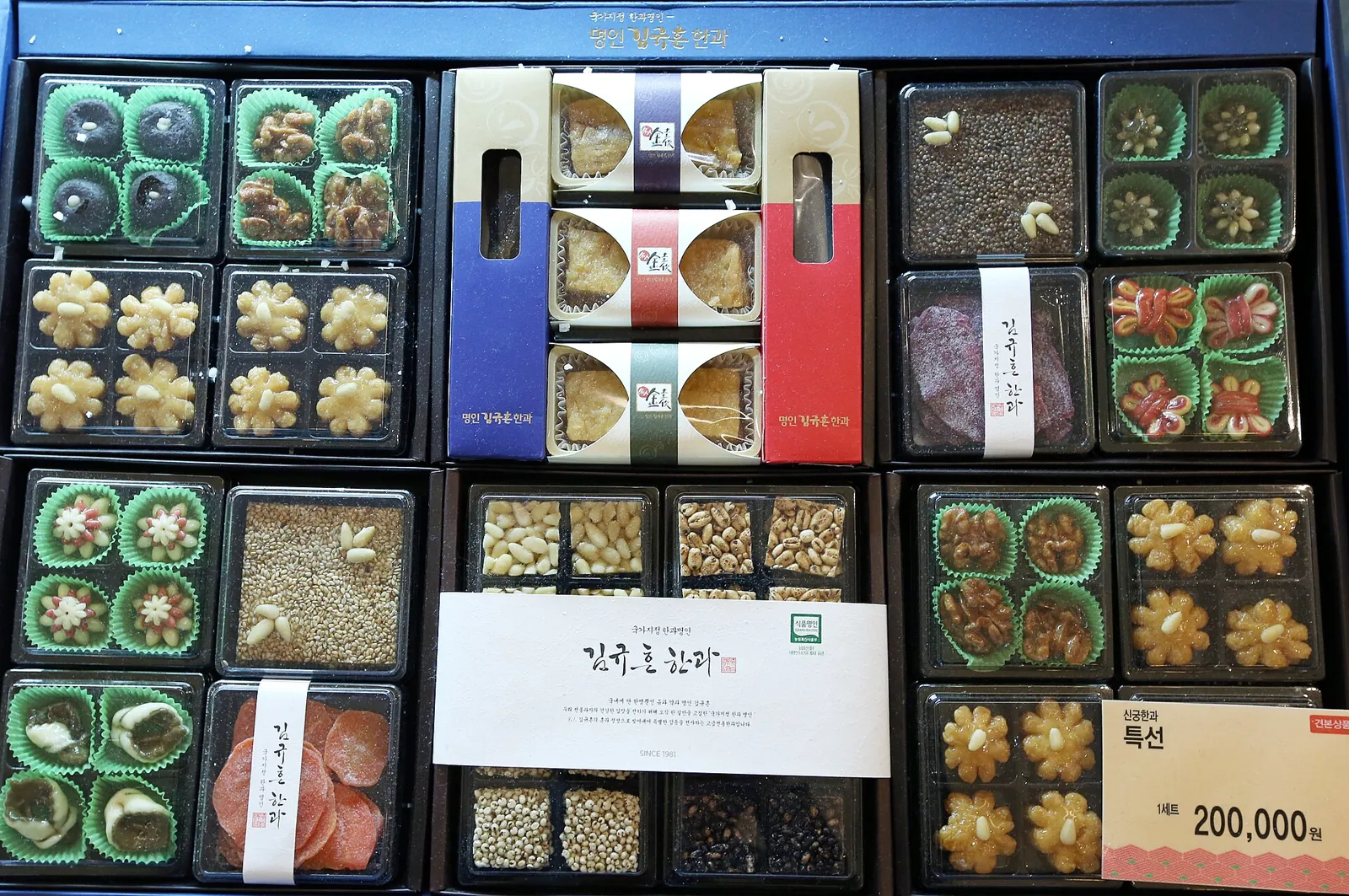
Why it works: Candied fruit, nuts and festive cakes are served to visitors throughout the holiday, so a beautiful tin helps the hosts. Korean hangwa confectionery sets are a traditional Seollal gift.
Skip it if: someone in the family is managing diabetes; fruit or tea is the kinder option.
For Chinese and Vietnamese in-laws
A bottle of good liquor or wine
Why it works: Cognac, baijiu or a quality red wine is a common gift for a father-in-law who drinks. In Vietnam, rice wine and wine also appear on many Tết gift lists.
Skip it if: the family does not drink for health or religious reasons. A tea set says the same thing without the risk.
A gift hamper in red and gold
Why it works: A basket combining tea, sweets, dried mushrooms or other premium pantry items looks generous and gives the household something for every guest who drops by.
Skip it if: the hamper is wrapped in white, black or blue cellophane; those colors are linked with mourning.
Red envelopes for the children and elders
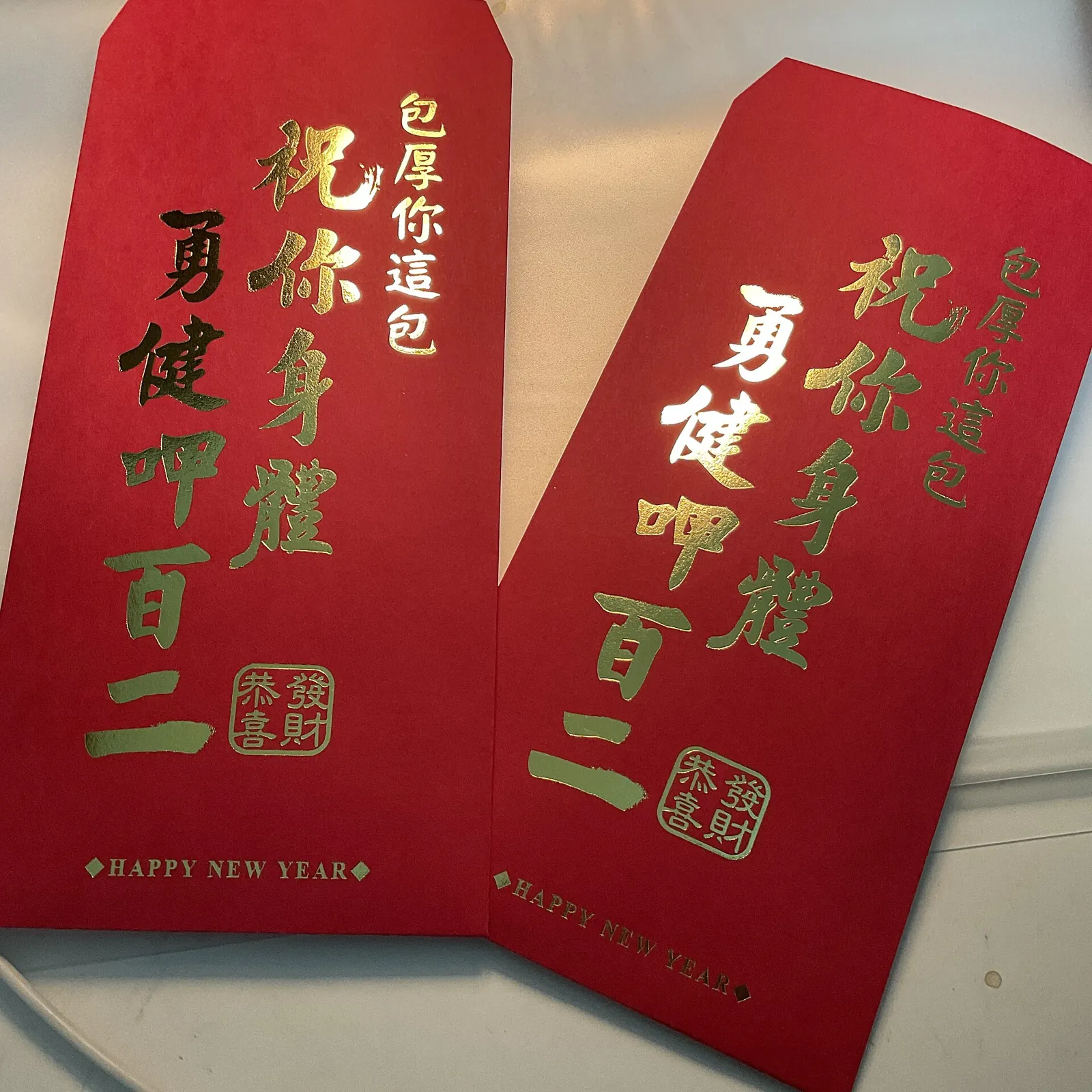
Why it works: If you are married, many families expect you to give red envelopes to younger children and sometimes to your partner's parents and grandparents. See our red envelope amount guide.
Skip it if: you are not yet married and your partner says it is not expected; giving too early can feel presumptuous.
For Korean in-laws
A Korean beef or premium food gift set
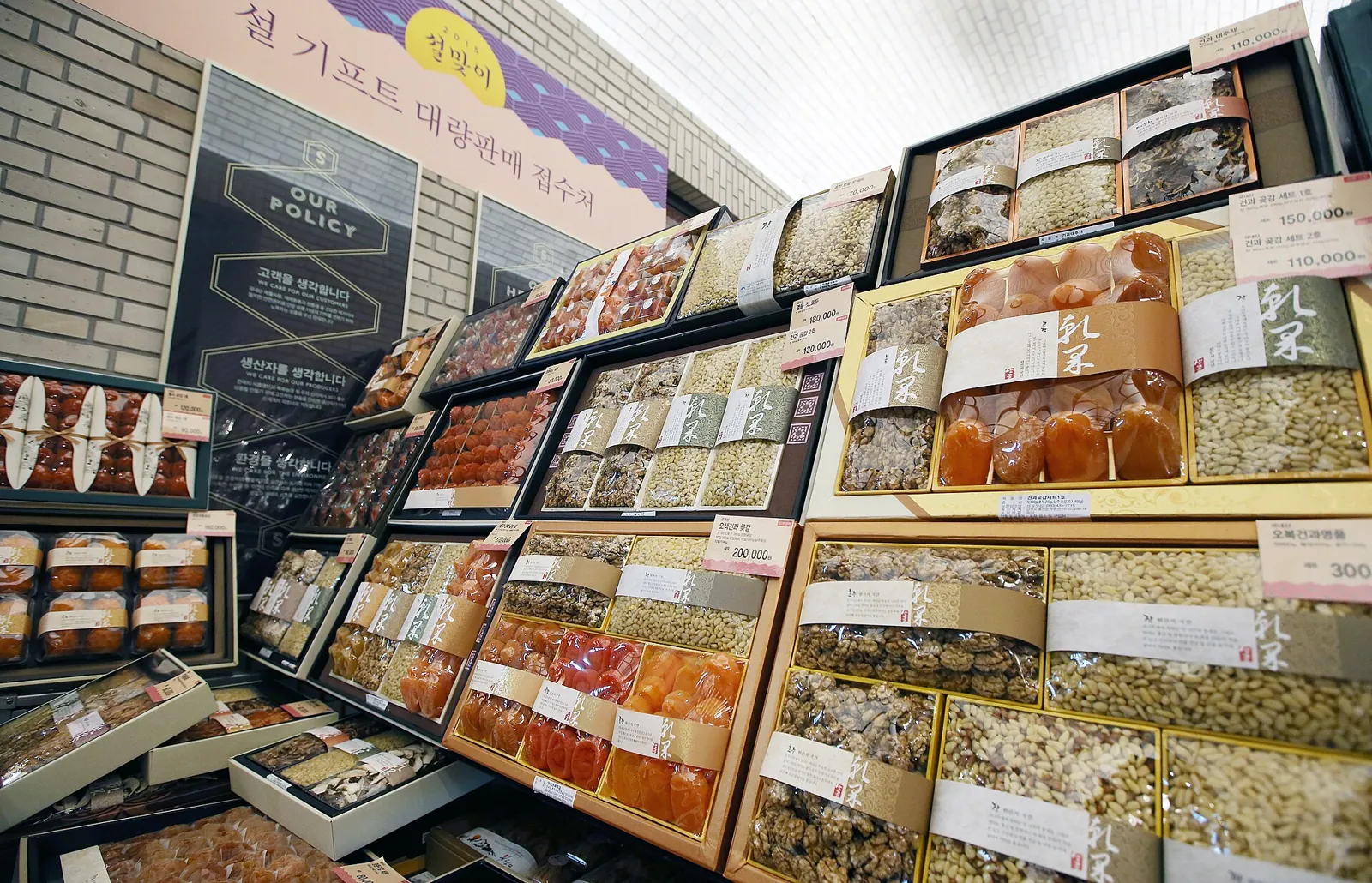
Why it works: Hanwoo beef, galbi and bulgogi sets are traditional, generous Seollal gifts. Korean grocery stores in the US sell holiday gift sets in the weeks before the new year.
Skip it if: you cannot deliver it chilled on the day; a nut, honey or hangwa set travels better.
A practical household set
Why it works: It may surprise Western readers, but boxed sets of canned ham, cooking oil or toiletries are long-standing Korean holiday gifts. Useful, shareable and unpretentious.
Skip it if: this is your first visit and you want to make an impression; pair it with fruit or ginseng.
How to choose and present your gift
- Bring one generous gift for the household, plus envelopes for children if expected.
- Wrap in red or gold; ask the store to gift wrap if you are unsure.
- Present it with both hands, to the eldest person first.
- Expect it to be set aside unopened; that is good manners, not indifference.
- Don't give clocks, umbrellas, mirrors, sharp objects or shoes to Chinese in-laws; their names or meaning suggest endings, separation or bad luck.
- Don't give anything in a set of four.
- Don't arrive empty-handed, even for a short visit.
- Don't drop in unannounced on the first day of Tết; ask when the family receives visitors.
Our gifts for in-laws and gifts for your mother-in-law guides help for the rest of the year, and the Lunar New Year hub covers other recipients. For more on regional customs, read our China gift etiquette guide.
Frequently asked questions
How much should I spend on Lunar New Year gifts for in-laws?
There is no rule. Most families appreciate a quality gift in the $40 to $150 range for the household; generosity shows in presentation and thoughtfulness more than in price.
Should I give my in-laws a red envelope?
It depends on the family. Married adults often give envelopes to their parents and in-laws, but practice varies, so ask your partner first.
Are pears a bad gift for Lunar New Year?
For Chinese families, yes, because the word for pear sounds like "separation." Korean families often give Korean pears as a holiday fruit, so the taboo does not carry over.
Can I give flowers?
Flowers and blooming plants can work as a household decoration, but ask your partner first. Avoid chrysanthemums, especially white or yellow ones, for Chinese families, as they are linked with funerals.
Sources
- Travel China Guide — 10 Things to Be Avoided as Chinese New Year Gifts. travelchinaguide.com
- China Highlights — Chinese New Year gift giving etiquette. chinahighlights.com
- Vietcetera — Vietnam Survival Guide: Lunar New Year Celebration 101. vietcetera.com
- Korea.net — Seollal gift sets (2015). korea.net
- Royal Museums Greenwich — Lunar New Year dates and animals. rmg.co.uk
Image credits. Top image: Pile of mandarin oranges on red cloth, Indonesia by Undeka 11, CC BY-SA 4.0, via Wikimedia Commons · In-article image: Seoul Before Seollal Week 05 (15893954694) by Republic of Korea from Seoul, Republic of Korea, CC BY-SA 2.0, via Wikimedia Commons
Spotted something out of date or a gift that's no longer available? Tell our editors — we review every correction.