Knitted and crocheted dishcloths: two easy patterns
Two beginner patterns for everyday cotton dishcloths, one knitted corner to corner and one crocheted in rows, plus care tips and how to bundle a gift set.
Quick answer
Use 100% cotton worsted-weight yarn. To knit the classic diagonal dishcloth, cast on 4 stitches on US 7 (4.5 mm) needles, knit one row, then work "knit 2, yarn over, knit to end" every row until you have 44 stitches. Decrease with "knit 1, knit 2 together, yarn over, knit 2 together, knit to end" until 4 stitches remain, then bind off. To crochet one, chain 29 with a 5 mm (H-8) hook and work rows of single crochet until it is square. Each cloth is about 8 to 9 inches (20 – 23 cm) and uses roughly one small ball of cotton.
- Time 2 – 4 hours per cloth
- Difficulty Beginner
- Cost $3 – $6 per cloth
- Makes One square cloth about 8 – 9 in (20 – 23 cm)
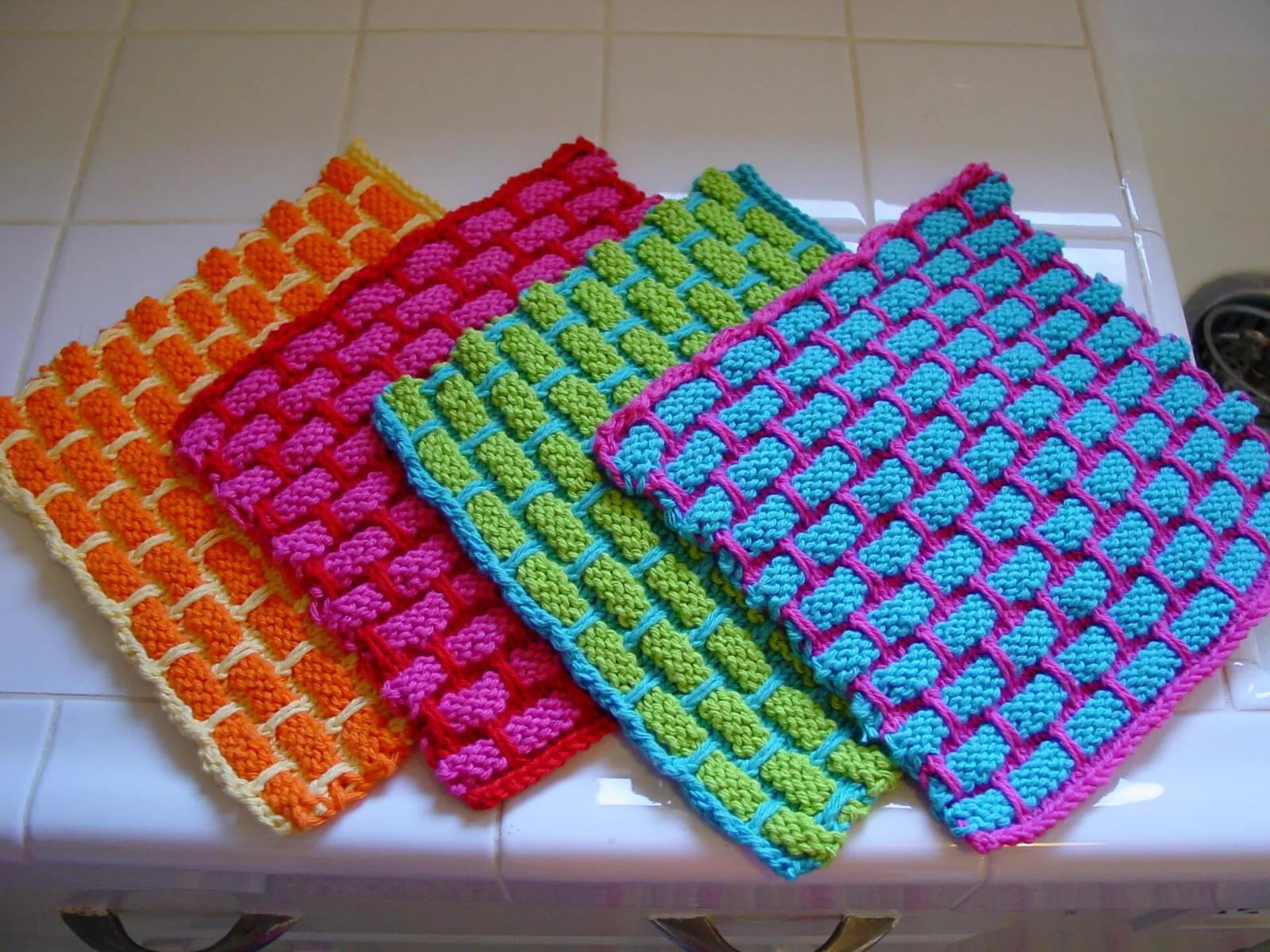
Handmade dishcloths are the quiet workhorses of handmade gifts. They are quick, inexpensive, and genuinely used every day, and many people who receive one come back asking for more. Cotton cloths are textured enough to scrub, soften with every wash, and can be laundered hot. A set of three tied with twine makes a lovely housewarming or hostess gift, especially paired with a bar of handmade soap.
Materials
- 100% cotton worsted-weight (category 4) yarn: about 95 – 120 yd (87 – 110 m) per cloth, roughly one 2 – 2½ oz (56 – 71 g) ball
- For knitting: US 7 (4.5 mm) straight needles
- For crochet: a 5 mm (US H-8) hook
- Tapestry needle and scissors
- Optional: stitch marker
US 7 needles sit at the small end of the Craft Yarn Council's 4.5 – 5.5 mm range for category 4 yarn, and the 5 mm hook is just below its 5.5 – 6.5 mm crochet range. Slightly small tools give the dense, scrubby fabric a dishcloth needs.
Tip: Choose cotton or a cotton-linen blend, not acrylic. Acrylic does not absorb water well and can melt if it touches a hot pan. Cotton has little stretch, so knit or crochet slightly looser than you normally would to protect your hands.
Knit pattern: the diagonal "grandmother's favorite" dishcloth
This much-shared traditional pattern is worked corner to corner. The yarn-over at the start of each row makes a pretty eyelet edge, and the garter stitch body has a nice scrubbing texture. Abbreviations: k = knit, yo = yarn over, k2tog = knit 2 stitches together.
Cast on and set up
Cast on 4 stitches. Knit 1 row.
Increase rows
Every row: k2, yo, knit to the end. Each row adds one stitch. To make a yarn over, bring the yarn forward between the needles, then knit the next stitch, so the yarn wraps over the right needle.
Stop at the widest point
Continue until you have 44 stitches on the needle. The cloth is now a triangle. For a smaller cloth, stop at 38 stitches; for a larger one, go to 50.
Decrease rows
Every row: k1, k2tog, yo, k2tog, knit to the end. Each row loses one stitch while keeping the eyelet edge.
Finish the point
Continue until 4 stitches remain. Bind off loosely, cut the yarn, and pull it through the last stitch.
Weave in the ends
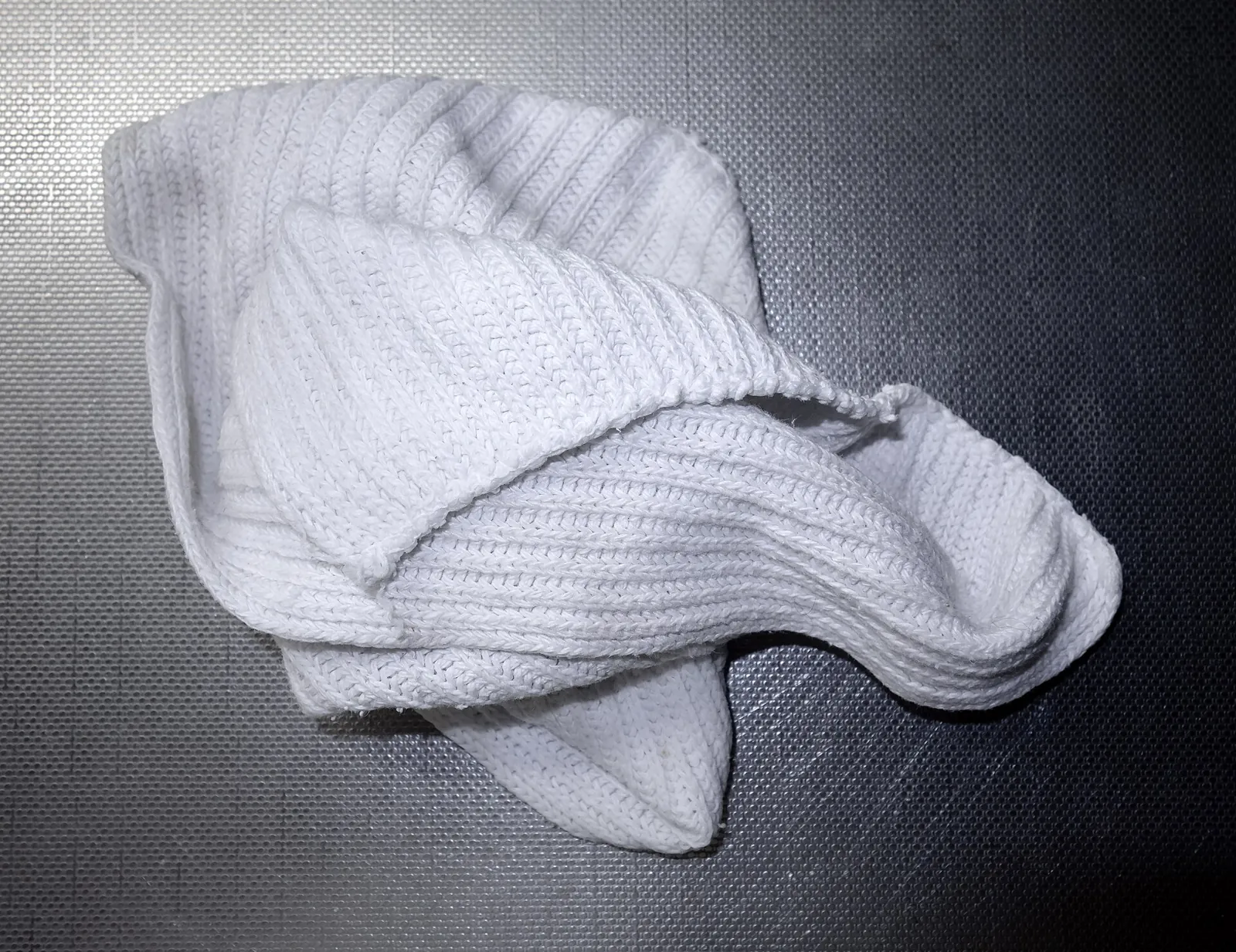
Weave each tail through several stitches in two directions, then trim. Cotton is slippery, so weave a little farther than you would with wool.
Crochet pattern: simple single crochet cloth
Abbreviations: ch = chain, sc = single crochet, st = stitch.
Make the foundation
Ch 29. Row 1: sc in the second ch from the hook and in each ch across (28 sc). Measure the width; it should be about 8 – 9 in. Add or remove chains if needed.
Work the rows
Ch 1 and turn. Sc in each st across (28 sc). Repeat this row until the cloth is as tall as it is wide, roughly 30 – 34 rows.
Add a border
Without turning, work a round of sc evenly around all four edges, putting 3 sc into each corner. Join with a slip stitch to the first sc and fasten off.
Finish
Weave in the ends securely and trim. For extra texture, try alternating rows of sc and double crochet, or the moss stitch (sc, ch 1, skip 1) once you are comfortable.
Washing, safety and care
- Cotton dishcloths can be machine washed and dried. They may shrink a little the first time, which makes them denser.
- Damp cloths can harbor bacteria. Let them dry between uses, and swap in a clean one often; Cleveland Clinic advises swapping out dishcloths that are dirty or smelly and washing kitchen towels at least weekly.
- Use separate cloths for dishes and for wiping up after raw meat, or use paper towels for those spills.
- Do not use a thin dishcloth as a pot holder. It is too thin to insulate, and a damp cloth passes heat (and steam) to your hand very quickly.
- Store knitting needles and hooks away from small children.
How to give a dishcloth set
Make three or four cloths in coordinating colors, fold each into a square and stack them, then tie with baker's twine and add a handwritten tag with washing instructions. Bundling a cloth around a bar of soap, a wooden spoon or a jar of homemade jam makes a thoughtful kitchen gift; see our homemade jam guide and melt-and-pour soap. If you are new to knitting, start with a beginner garter-stitch scarf or try crochet with amigurumi, and browse all projects in knit and crochet.
Frequently asked questions
What is the best yarn for dishcloths?
100% cotton worsted-weight yarn is the classic choice because it absorbs water, can be washed hot and holds up to scrubbing. Cotton-linen blends also work well.
How many dishcloths does one ball of cotton make?
A small ball of about 95 to 120 yd usually makes one 8 – 9 in cloth. Larger "cone" sizes make many.
Why is my diagonal dishcloth not square?
Usually the stitch count at the widest point is off, or you missed a yarn over on some rows. Count stitches every few rows during the increase section.
Are crocheted or knitted dishcloths better?
Both work. Crochet uses a little more yarn and is thicker and scrubbier; knitted cloths are thinner and drape more.
Sources
- Cleveland Clinic — What is cross-contamination and how can you avoid it? health.clevelandclinic.org
- Craft Yarn Council — Standard yarn weight system. craftyarncouncil.com
Image credits. Top image: Dishcloths by anna saccheri from Palo Alto, United States, CC BY-SA 2.0, via Wikimedia Commons · In-article image: White dishcloth on a stainless steel kitchen sink 1 by W.carter, CC0 1.0, via Wikimedia Commons
Spotted something out of date or a gift that's no longer available? Tell our editors — we review every correction.