Beginner knit scarf pattern for gifts
One stitch, 30 stitches wide, about 64 inches long: a garter-stitch scarf any new knitter can finish and proudly give, with yarn, needles and yardage explained.
Quick answer
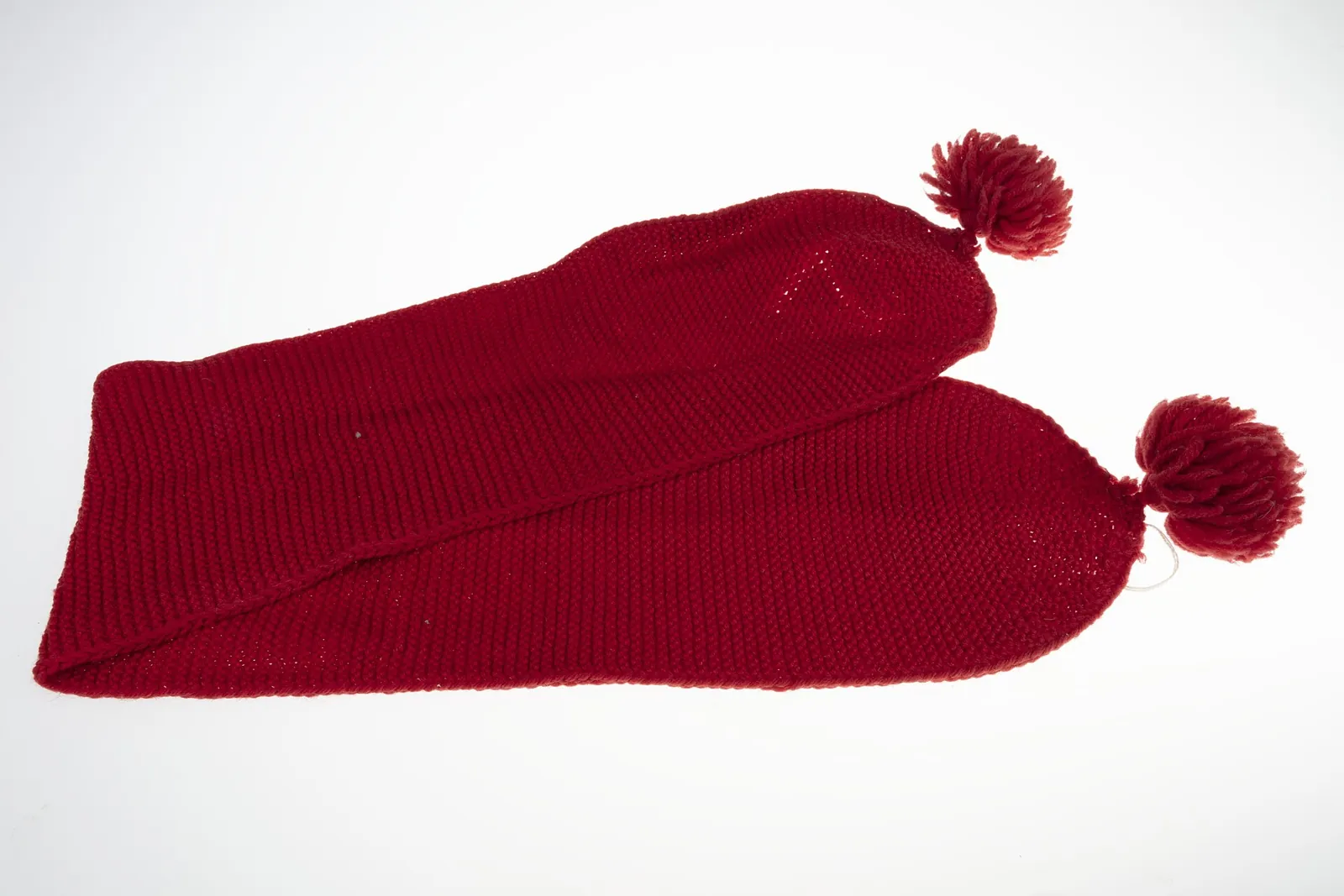
For a first gift scarf, use worsted-weight (category 4) yarn and US size 8 (5 mm) needles. Cast on 30 stitches, knit every row (garter stitch) until the scarf is about 60 to 70 inches (152 – 178 cm) long, bind off and weave in the ends. It comes out roughly 6½ to 7½ inches (16 – 19 cm) wide, lies flat without curling, and needs about 300 to 400 yards of yarn. In bulky yarn on US 10½ (6.5 mm) needles, cast on 22 stitches and it knits up much faster.
- Time 8 – 15 hours for worsted; 5 – 9 hours for bulky
- Difficulty Beginner (one stitch only)
- Cost $15 – $45 for yarn, depending on fiber
- Makes One scarf about 7 × 64 in (18 × 163 cm)
A garter-stitch scarf is the traditional first knitting project, and for good reason: it uses only the knit stitch, the fabric is reversible and squishy, and it does not curl at the edges the way stockinette does. That makes it an honest, beautiful gift even if it is the first thing you have ever knitted. Good yarn does most of the work, so spend your budget there.
Yarn and needles
- Worsted-weight yarn (category 4, "medium"): about 300 – 400 yd (275 – 365 m). Buy all skeins from the same dye lot, plus one extra
- Or bulky yarn (category 5): about 220 – 300 yd (200 – 275 m)
- Straight needles, 10 – 14 in long: US 8 (5 mm) for worsted, or US 10½ (6.5 mm) for bulky
- A blunt tapestry (yarn) needle for weaving in ends
- Scissors and a tape measure
- Optional: a crochet hook for adding fringe
The Craft Yarn Council's standard yarn weight system recommends needles of US 7 – 9 (4.5 – 5.5 mm) for category 4 yarn and US 9 – 11 (5.5 – 8 mm) for category 5, so the sizes above sit in the middle of each range. Check your yarn label too; it usually shows a suggested needle size.
Tip: Pick a smooth, light-colored yarn for your first scarf. Fluffy, dark or very slippery yarns make it hard to see your stitches. Wool and wool blends are warm and forgiving; acrylic is affordable and machine washable; for someone with sensitive skin, choose a soft merino, cotton blend or acrylic.
Picking the right fiber for the recipient
Think about how the scarf will be worn and washed. Superwash wool and acrylic can usually go in the washing machine, which suits busy parents and students. Non-superwash wool must be hand washed and dried flat. Alpaca is very warm and soft but can shed. Ask, or check discreetly, whether the person is allergic to or dislikes wool before you choose it. For more cozy ideas for the person, see our Christmas gifts for Grandpa or Christmas gifts for Mom.
How to knit the scarf
Make a slip knot
Leave a 6 in (15 cm) tail, make a loop, pull a second loop of the working yarn through it and slide it onto one needle. Snug it, but not tight.
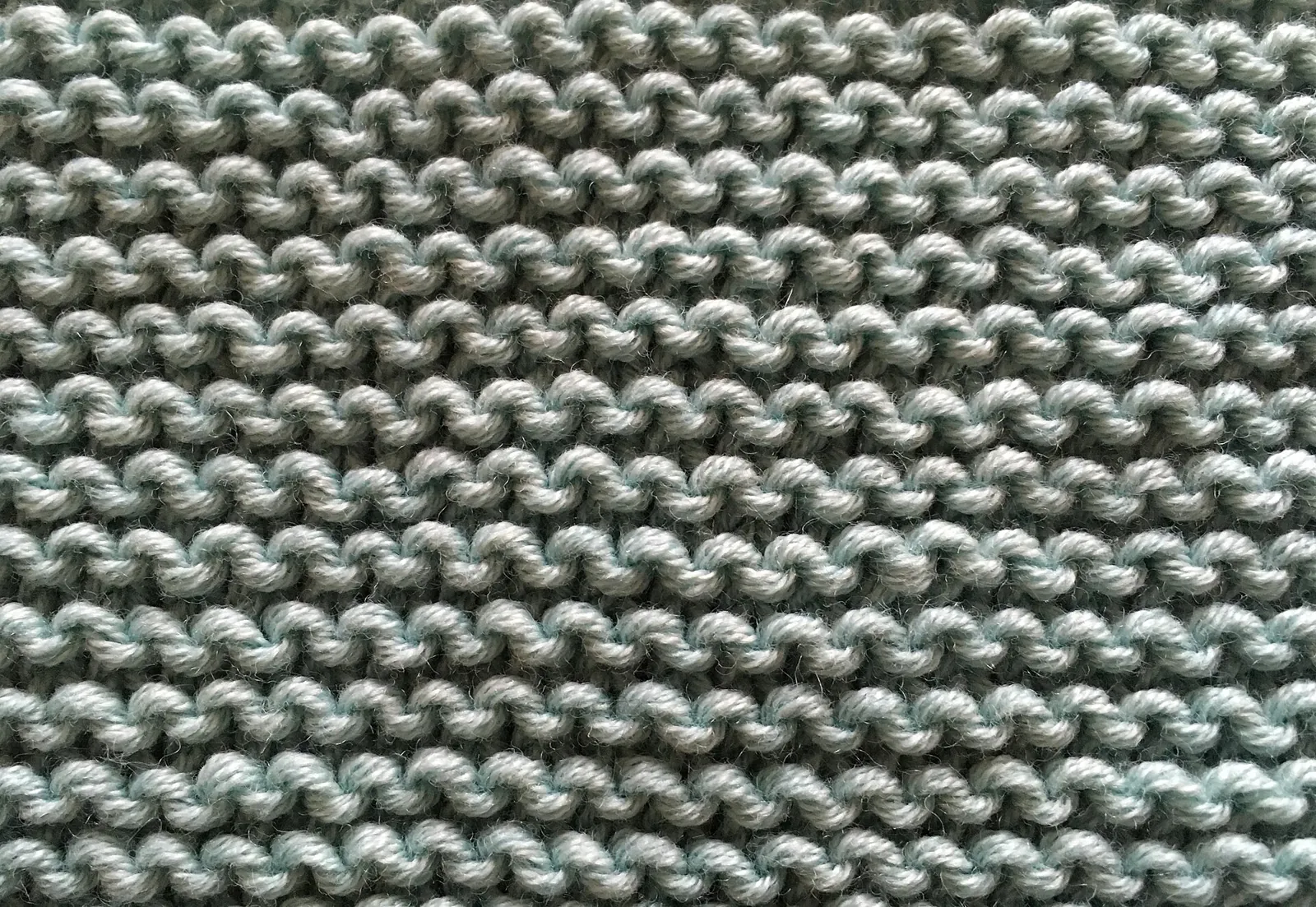
Garter stitch: every row knitted, giving ridged, reversible fabric Cast on 30 stitches
The long-tail cast-on gives a neat, stretchy edge; the simpler knitted cast-on also works. For the long-tail method, start the slip knot leaving about 1 in (2.5 cm) of tail per stitch, around 32 in (80 cm) for 30 stitches. Cast on 22 stitches if you are using bulky yarn.
Learn the knit stitch
Hold the needle with stitches in your left hand. Insert the right needle into the front of the first stitch from left to right, behind the left needle. Wrap the yarn around the right needle counterclockwise, pull the new loop through, and slide the old stitch off the left needle. Repeat across the row.
Knit every row
At the end of each row, swap the full needle to your left hand and knit the next row the same way. Count your stitches every few rows: if you have more or fewer than 30, you have accidentally added or dropped one, and it is easiest to fix early.
Join a new ball at the edge
When a ball runs out, start the new one at the beginning of a row: leave 6 in tails of both old and new yarn and simply begin knitting with the new strand. You will weave the tails in later.
Knit to length
Keep going until the scarf measures about 60 – 70 in (152 – 178 cm), or roughly the wearer's height for a long, wrap-around scarf. Stop with enough yarn left for the bind-off, about three times the scarf's width.
Bind off loosely
Knit two stitches, then lift the first over the second and off the needle. Knit one more stitch and repeat until one stitch remains. Cut the yarn, leaving a 6 in tail, and pull it through the last loop. If your bind-off is tighter than the rest, use a needle one or two sizes larger for this row.
Weave in the ends and finish
Thread each tail onto the tapestry needle and weave it through the edge stitches for about 2 in (5 cm) in one direction and back a little the other way, then trim. Wet or steam-block according to the yarn label, laying the scarf flat to dry.
Optional fringe
Cut strands about 12 in (30 cm) long. Fold two or three strands in half, push a crochet hook through an edge stitch at the short end, pull the loop through, then pull the tails through the loop and tighten. Space bunches every third stitch across each end and trim the fringe even. Fringe uses about 30 – 50 yd of extra yarn.
Safety and care notes
- For young children, choose a short scarf or a neck warmer rather than a long one; long scarf ends can catch on playground equipment and car doors.
- Knitting needles are pointed: store them in a case or a jar, away from small children and pets.
- Attach a small card with the yarn's fiber and washing instructions. Most labels show care symbols; copy them onto the tag.
Wrapping a handknit scarf
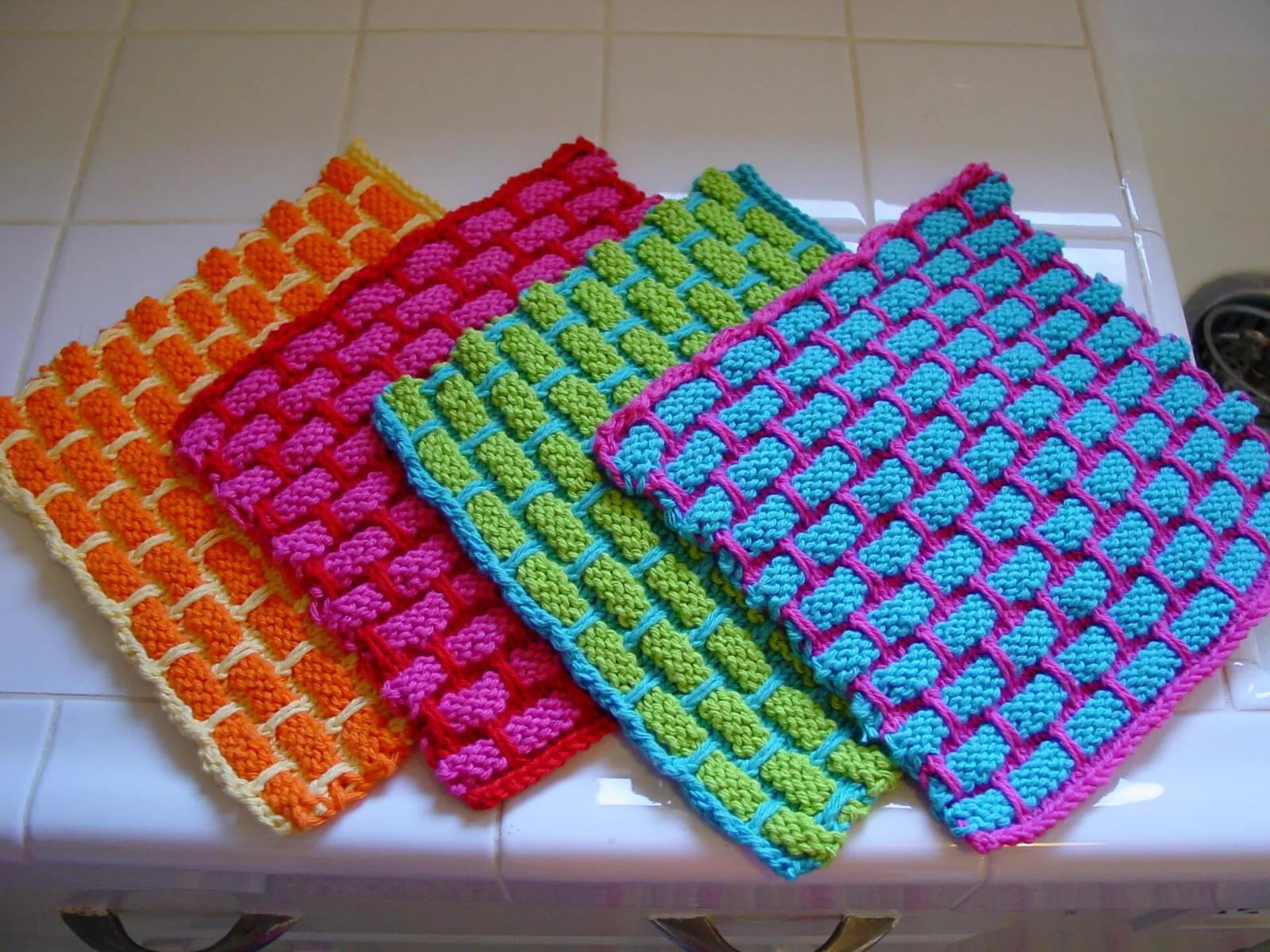
Fold the scarf in thirds lengthwise and roll it loosely, then tie it with a ribbon or a length of leftover yarn. A kraft box with tissue keeps it fresh, or wrap it in cloth with our furoshiki technique. Tuck in the yarn label so the recipient knows how to wash it. Once you can knit garter stitch, knitted dishcloths are the perfect next gift. Browse more projects in knit and crochet.
Frequently asked questions
How many stitches should I cast on for a scarf?
About 30 stitches in worsted yarn on US 8 needles, or 22 in bulky yarn on US 10½ needles, gives a width of roughly 6½ to 7½ in. Knit a small test swatch to check, since tension varies.
How long should a scarf be?
60 in (152 cm) is a comfortable standard; 70 in or longer allows a loop-through or double wrap.
How much yarn do I need?
Roughly 300 to 400 yd of worsted yarn or 220 to 300 yd of bulky for a 7 × 60 – 70 in garter-stitch scarf. Garter stitch uses more yarn than you might expect, so buy an extra skein.
Why are my scarf edges uneven?
Uneven edges usually come from loose first or last stitches. Pull the yarn a little snugger on the first two stitches of every row.
Sources
- Craft Yarn Council — Standard yarn weight system. craftyarncouncil.com
Image credits. Top image: Small Homemade Knitted Scarf - DPLA - fcde1f6bb3c41863d0b2f99f6d5379b3 (page 1) by Unknown, Public domain, via Wikimedia Commons · In-article image: Rätstickning by Hobbsansak, CC BY-SA 4.0, via Wikimedia Commons
Spotted something out of date or a gift that's no longer available? Tell our editors — we review every correction.