Amigurumi gifts for beginners: a first crochet toy
Learn the magic ring, spiral rounds and invisible decrease, then crochet a round little character with a full stitch-count pattern and child-safe finishing tips.
Quick answer
Amigurumi are small stuffed toys crocheted in tight spirals of single crochet. For a first gift, crochet a round "ball buddy": start with 6 single crochet in a magic ring, increase by 6 stitches each round to 24, work 5 plain rounds, decrease back down while stuffing, and close it. Use worsted cotton or acrylic yarn with a hook one or two sizes smaller than the label suggests (about 3.5 – 4 mm) so the stuffing cannot show. For babies and toddlers, embroider the eyes instead of using safety eyes.
- Time 1½ – 3 hours for a first piece
- Difficulty Beginner (if you know single crochet)
- Cost $8 – $20
- Makes One round character about 2½ – 3 in (6 – 8 cm) across
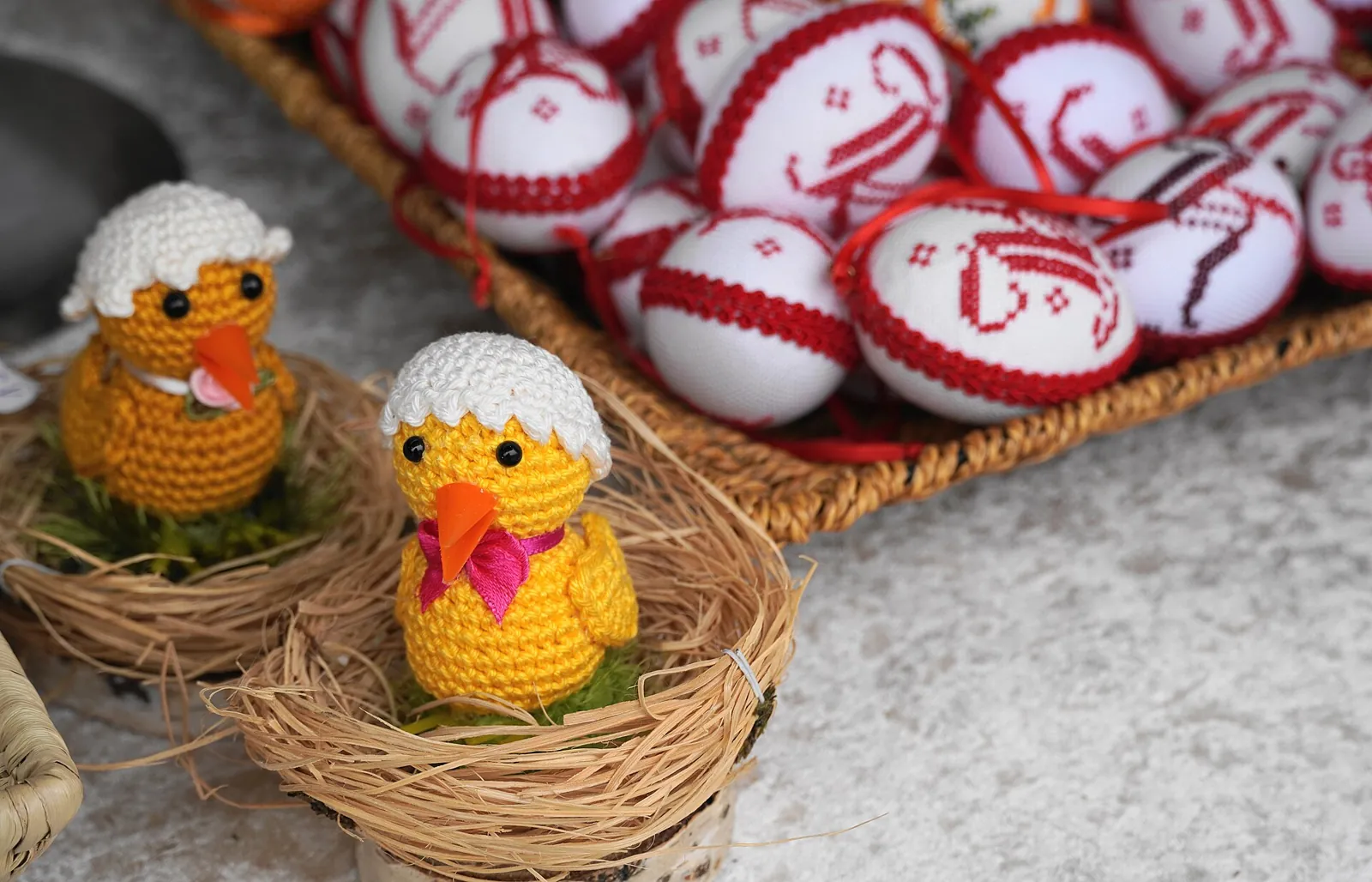
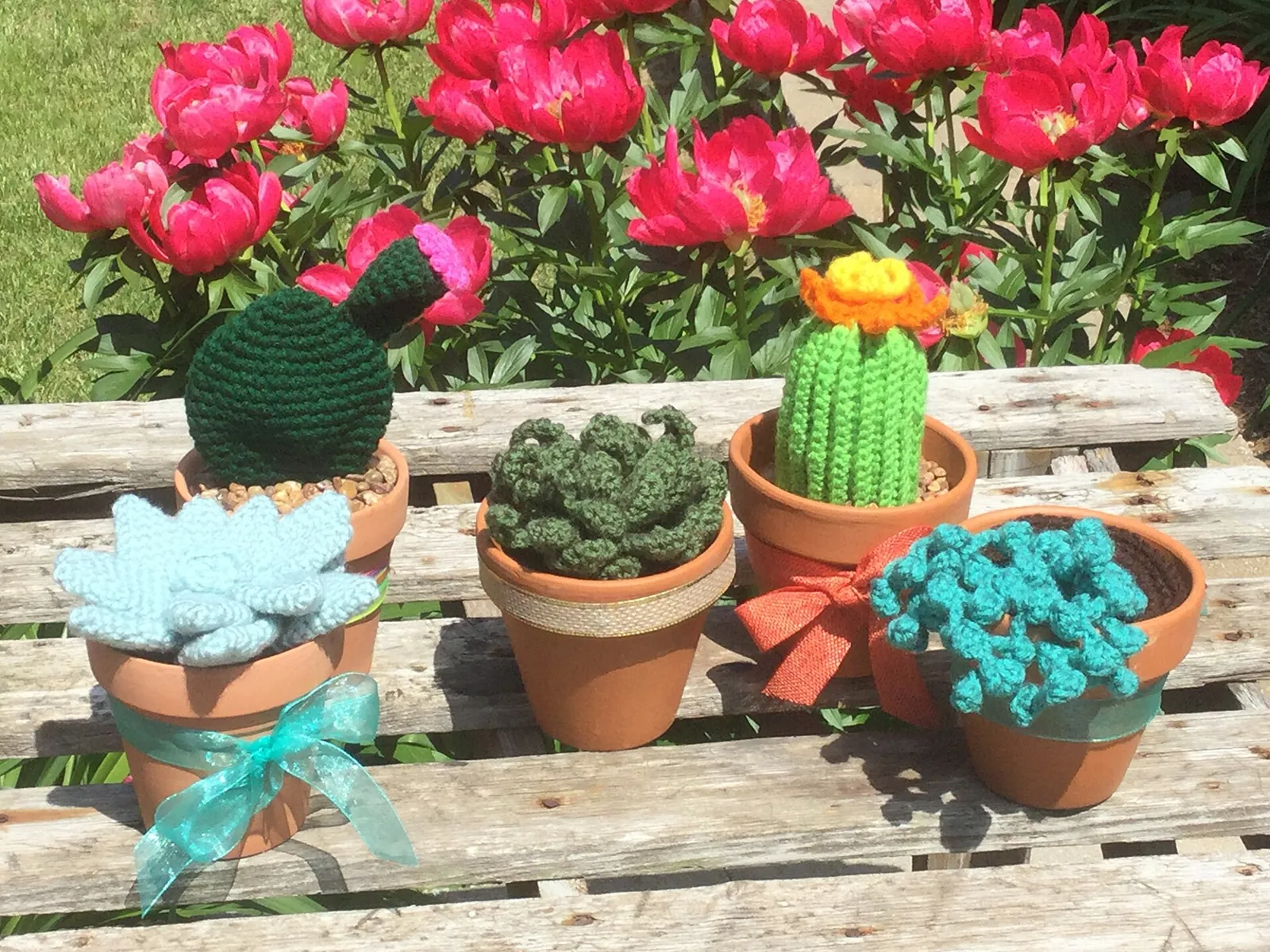
Amigurumi, from the Japanese ami (crocheted or knitted) and kurumi (wrapping, as in nuigurumi, a stuffed doll), are crocheted or knitted stuffed toys. They are popular because the projects are small, quick and full of personality. A tiny crocheted chick, cactus or whale makes a charming desk companion, a keychain-size thank-you or a first toy for an older child. Once you can make a sphere, you can make almost anything by adding ears, a beak or a tail.
Materials
- Worsted-weight (category 4) yarn in cotton or acrylic: about 30 – 50 yd (27 – 46 m) for the body, plus scraps for details
- Crochet hook, 3.5 – 4 mm (US E-4 to G-6), smaller than the label suggests for a dense fabric
- Polyester fiberfill stuffing, a small handful
- A stitch marker or a scrap of contrasting yarn
- A blunt tapestry needle
- Black embroidery floss or yarn for the face; optionally 9 – 12 mm safety eyes for gifts to older children and adults only
- Scissors
The Craft Yarn Council lists 5.5 – 6.5 mm hooks as typical for category 4 yarn in ordinary crochet. Amigurumi deliberately goes smaller to make a tight fabric that holds its shape and hides the stuffing.
Key techniques
Magic ring
Wrap the yarn twice around two fingers, insert the hook under the strands, pull up a loop and chain 1. Work your first round of stitches over the ring, then pull the tail to close the center completely. It leaves no hole, unlike starting with a chain loop.
Working in a spiral
Amigurumi is usually worked in continuous rounds without joining. Place a stitch marker in the first stitch of each round and move it up as you go, so you always know where a round begins.
Increases and invisible decreases
An increase (inc) is 2 single crochet in the same stitch. For a neat decrease (dec), insert the hook into the front loop only of the next stitch, then the front loop only of the following stitch, yarn over and pull through both front loops, yarn over and pull through the remaining two loops.
Pattern: round ball buddy
Abbreviations: sc = single crochet, inc = increase, dec = decrease, MR = magic ring. Numbers in parentheses are the stitch count at the end of the round.
Rounds 1 – 4: build the base
Rnd 1: 6 sc in MR (6). Rnd 2: inc in each stitch around (12). Rnd 3: (sc 1, inc) 6 times (18). Rnd 4: (sc 2, inc) 6 times (24). Place your marker at the start of every round.
Rounds 5 – 9: work the sides
Sc in each stitch around for 5 rounds (24). The piece begins to cup into a ball shape. Count at the end of each round.
Add the face
For an older child or adult, insert safety eyes between rounds 6 and 7, about 4 – 5 stitches apart, and press the washers on firmly from inside. For a baby or toddler, skip safety eyes and embroider small eyes and a smile with black floss now or after stuffing.
Round 10: begin closing
(Sc 2, dec) 6 times (18). Start stuffing firmly, pushing fiberfill into the edges so the ball is round, not lumpy.
Round 11: decrease again
(Sc 1, dec) 6 times (12). Top up the stuffing; the piece should feel firm but not stretched so far that stuffing shows between stitches.
Round 12: close the ball
Dec 6 times (6). Fasten off, leaving an 8 in (20 cm) tail. Thread it on the tapestry needle, weave it through the front loops of the last 6 stitches, and pull tight to close.
Hide the tail and add details
Push the needle into the ball and out the other side a few times, pull gently and trim the tail flush so it disappears inside. Add details from scraps: two small crocheted triangles as ears, a yellow beak for a chick, or embroidered cheeks.
Tip: Make the same ball in different colors and add a small detail to each: a green leaf for a "pea," white ears for a bunny, a fin for a whale. A set of three in a little box is an adorable gift.
Safety for toys given to children
The US Consumer Product Safety Commission bans toys intended for children under 3 that contain small parts posing a choking, aspiration or ingestion hazard, and that includes pieces that could come off during use and abuse. Plastic safety eyes, buttons, beads and bells can come loose if a child pulls or chews them. For anything intended for babies and toddlers:
- Embroider eyes and features with yarn or floss instead of using safety eyes, buttons or beads.
- Sew all parts on firmly with several passes of yarn, and tug them hard to test.
- Use tight stitches so stuffing cannot be pulled out, and avoid long loose strands or ribbons that could wrap around a neck or fingers.
- Choose washable acrylic or cotton yarn, and check the toy regularly for wear.
Selling handmade toys is regulated differently from giving one; if you plan to sell, read the CPSC's guidance for small makers first.
Gifting amigurumi
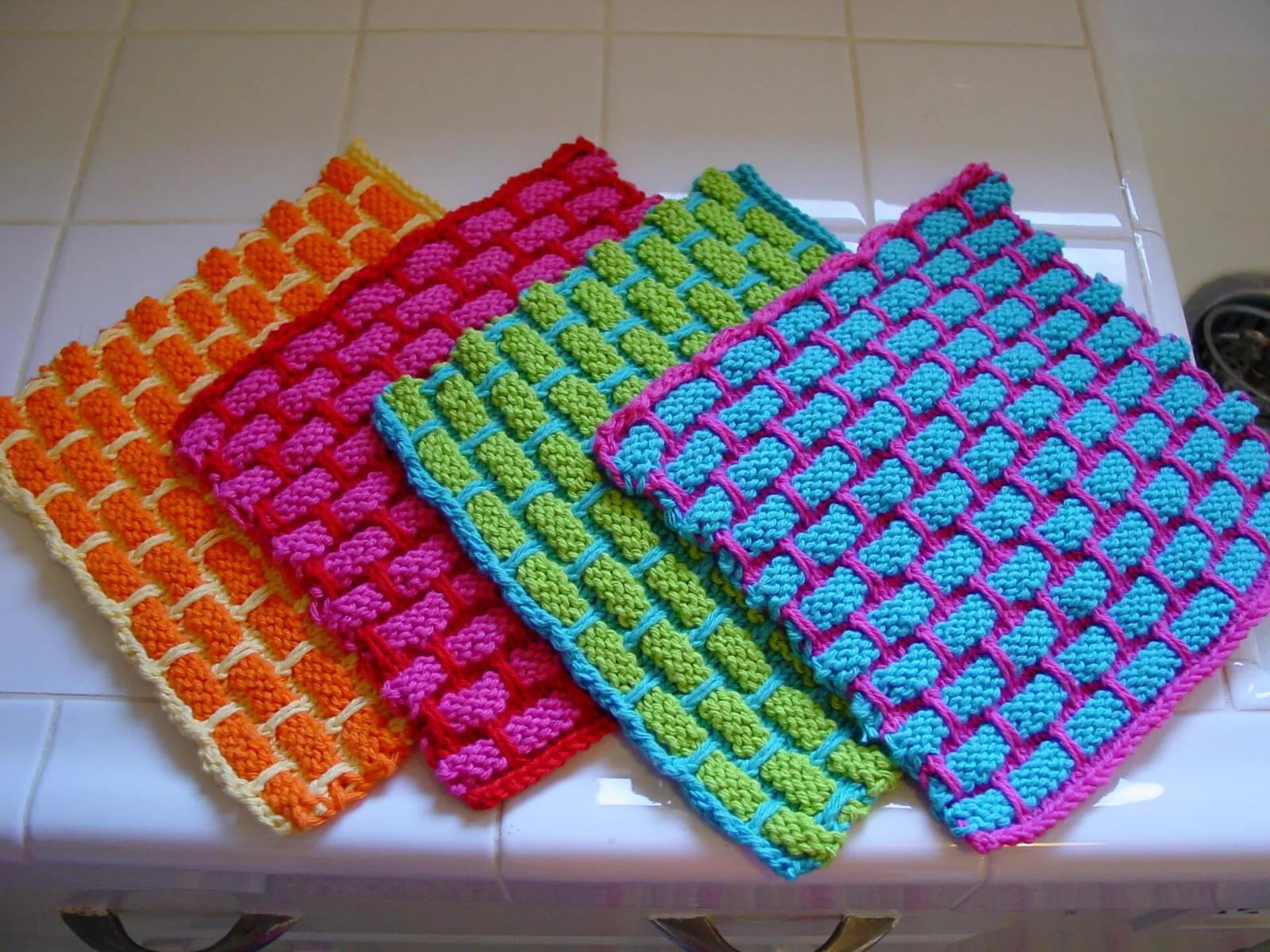
Pop the toy into a small kraft box with crinkle paper, or tie a tag around its middle. A tiny amigurumi attached to a keyring (for adults) or tucked beside a book makes a sweet thank-you gift, and a set of three is a fun addition to stocking stuffers. For a coordinated handmade bundle, add crocheted dishcloths for the grown-ups. Explore more projects in our knit and crochet section.
Frequently asked questions
Is amigurumi hard for beginners?
If you know how to chain and single crochet, a simple ball is very achievable. The magic ring and counting stitches are the only new skills.
Are safety eyes safe for babies?
They are not recommended for toys for children under 3, because a loosened eye is a small part. Embroider the eyes instead.
What yarn is best for amigurumi?
Smooth worsted cotton or acrylic is easiest. Cotton shows stitch definition well; acrylic is softer and cheaper. Avoid fuzzy yarns until you can work by feel.
Why does my stuffing show through?
Your hook is too large for the yarn or your tension is loose. Go down a hook size and pull each stitch snug.
Sources
- US Consumer Product Safety Commission — Small parts ban and choking hazard labeling. cpsc.gov
- Wikipedia — Amigurumi. en.wikipedia.org
- Craft Yarn Council — Standard yarn weight system. craftyarncouncil.com
Image credits. Top image: Amigurumi, crocheted chicks, Austria by Naturpuur, CC BY 4.0, via Wikimedia Commons · In-article image: Amigurumi Cactus by Lskbrown, CC BY 3.0, via Wikimedia Commons
Spotted something out of date or a gift that's no longer available? Tell our editors — we review every correction.