Gift Etiquette in Myanmar: Respectful Gifts for Hosts and Elders
In Myanmar a gift is a gesture of respect. See what to bring a host, how to hand it over, what to avoid, and how families honor elders at Thingyan and Thadingyut.
We independently research every pick. If you buy through our links we may earn a small commission, at no extra cost to you. Affiliate disclosure.
Quick answer
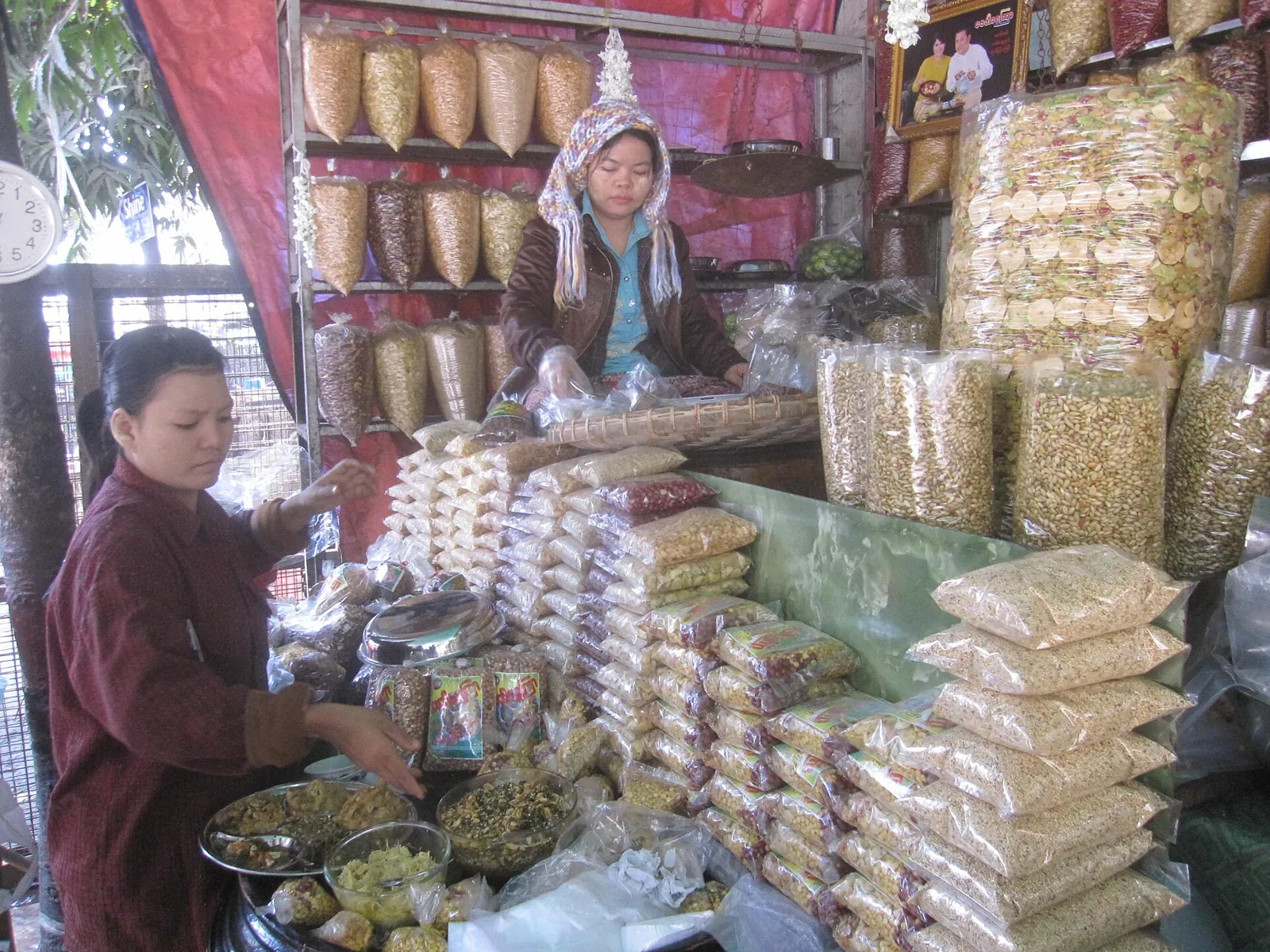
In Myanmar, gifts are a way of showing respect, especially to elders, teachers and monks. Offer and receive gifts with both hands, keep them modest, and do not expect them to be opened in front of you. Fruit, sweets, tea or a small item from home are safe choices for a host. Take off your shoes at the door, and be cautious with alcohol, which many people avoid.
- Safe host gift Fruit, sweets, tea or a souvenir from home
- Typical budget $10 – $40
- How to hand it over With both hands
- Key gift times Thingyan (mid-April) and Thadingyut (date varies)
Respect for age and status runs through Burmese social life. The word gadaw describes the act of paying respect to someone of higher standing, and gifts are one way of doing it: children give gifts to teachers, and the public gives gifts to monks. Myanmar is also home to many ethnic groups with their own customs, so if you are visiting a Karen, Shan or other family, watch and follow your hosts. If you plan to travel to Myanmar, check your government's current travel advice first.
What to give
For a host
A small food gift that the household can share is the easiest choice: a basket of fruit, a box of sweets or good-quality tea. Expect to be offered snacks, green tea or coffee in return.
For elders, teachers and in-laws
When you visit older relatives or someone you look up to, a respectful gift of fruit or another food item fits the spirit of gadaw. What matters is the respect you show in presenting it.
Fruit basket
Why it works: Fruit is the traditional way younger people honor elders at festivals, and the whole household can share it.
Skip it if: You need something that will keep; packaged sweets or tea last longer.
Sweets or snacks from your home country
Why it works: Modest, easy to share and a good talking point.
Skip it if: They contain alcohol, or the household includes Muslim relatives and you are unsure of the ingredients.
Quality tea
Why it works: Tea is part of everyday hospitality, so a nicely packaged tea is useful and never awkward.
Skip it if: Your host already grows or sells tea; choose something from your own region instead.
Small keepsake or book from home
Why it works: A thoughtful, low-cost item works well for friends and colleagues without creating pressure to reciprocate.
Skip it if: It is obviously expensive.
What to avoid
- Very expensive gifts. They can leave the recipient feeling unable to accept.
- Alcohol, unless you know the person drinks. Many people in Myanmar avoid alcohol, and drinking is widely considered inappropriate for women.
- Handing items directly to a monk if you are a woman. Monks generally avoid physical contact with women; pass the item through a man, or set it down on a cloth or handkerchief.
- Touching someone's head. The head is considered the purest part of the body, especially for elders.
- Pointing your feet at people or resting them on tables or pillows. The feet are considered the lowest part of the body.
- Leaving shoes upside down. This is believed to bring bad luck.
How to give and receive
- Use both hands to offer and to receive a gift.
- Let the recipient open it later. Gifts are not opened immediately on receipt.
- Use your right hand for food. Pass dishes and serve yourself with the right hand; the left is only for steadying a plate.
- Decline seconds once or twice before accepting, then accept to honor your host.
- Thank your host sincerely as you leave.
Visiting a home
Take your shoes off when you enter. Hosts may sit on the floor but will usually offer a visitor a chair if they have one. Do not go into the bedroom or kitchen unless invited. At meals, elders are served first, and it is considered rude to eat something without first offering it to others present. Avoid singing, humming or playing music while eating.
Holidays and occasions
Thingyan (New Year water festival)
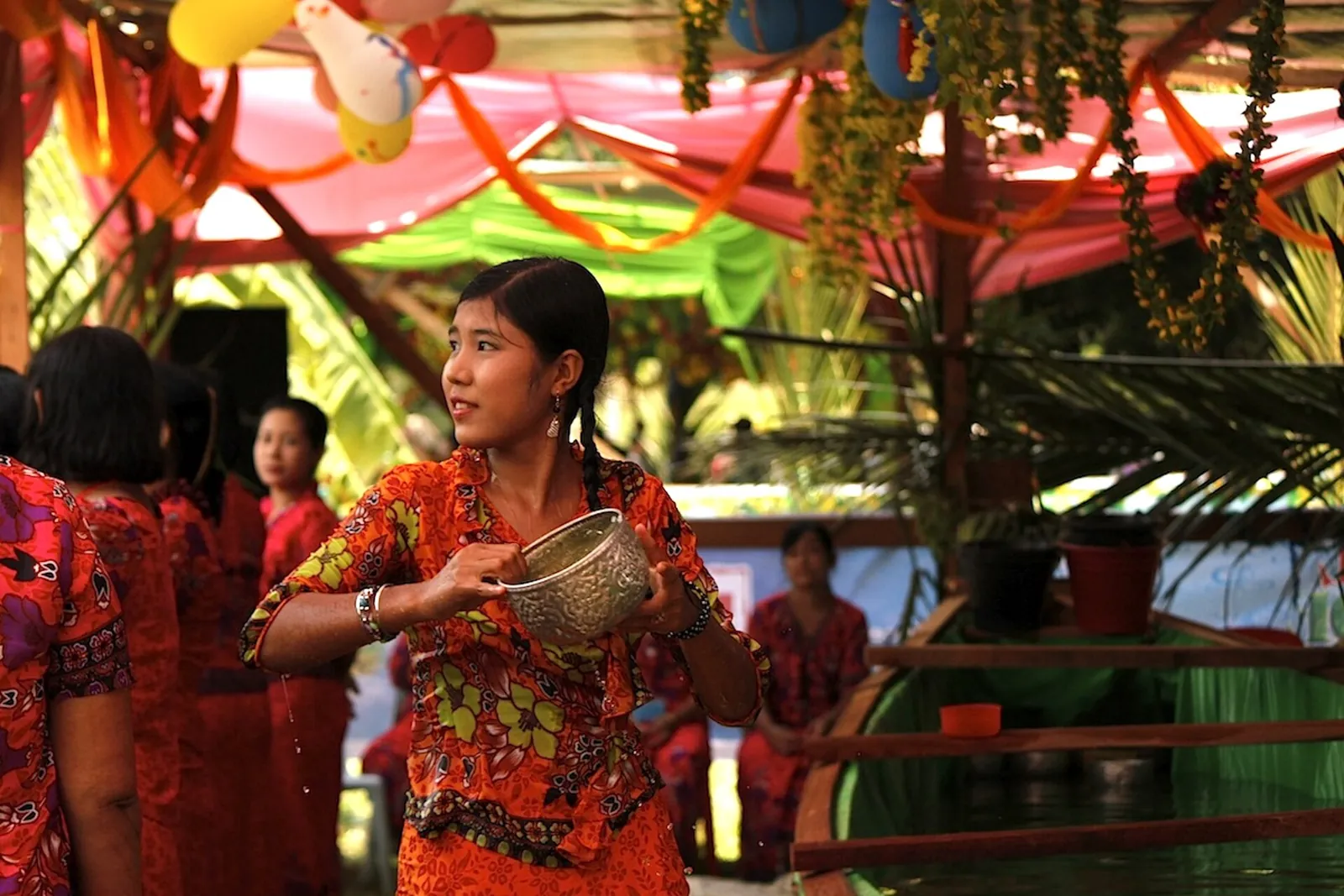
Thingyan usually runs for four to five days in mid-April, ending on New Year's Day. Water is thrown to wash away bad luck, and people make offerings at monasteries and give alms. On New Year's Day, younger people visit elders to pay respect, offering water in a terracotta pot and shampoo and often washing the elders' hair. Communities also set up free meals for passersby. A visit to older relatives with fruit or another small gift is in keeping with the day.
Thadingyut (Festival of Lights)
Thadingyut falls on the full moon of the seventh Burmese month at the end of the Buddhist Rains Retreat, so the date changes every year. Young people pay respect to parents, teachers and older relatives, offering fruit and other gifts and asking forgiveness for any wrongs during the year. Elders bless them in return and often give pocket money, and older siblings do the same for younger ones.
Other occasions
Weddings, ordinations and religious donations are major occasions in many families. If you are invited, ask a friend from the community what kind of gift is appropriate.
Business gifting
Gift-giving between professional contacts is guided by rules intended to reduce corruption, so keep business gifts modest and symbolic. If you receive a gift, it is good manners to reciprocate at a later date. Offer and accept gifts and business cards with both hands, avoid cash, take particular care with public officials, and follow anti-bribery laws and your own company's policy. Allow for Thingyan, when many businesses close. For general advice, see our guide to business gifts.
Frequently asked questions
What is a good gift for a Burmese host?
Fruit, sweets or quality tea, offered with both hands. Avoid alcohol unless you know your host drinks.
Do people in Myanmar open gifts right away?
No. Gifts are not opened immediately, so the recipient will usually set yours aside.
Can a woman give something to a monk?
Yes, but not hand to hand. Pass it through a man, or place it on a cloth or handkerchief the monk can take it from.
What gifts are given at Thadingyut?
Younger people offer fruit and other gifts to parents, teachers and elders, who often give pocket money in return.
Should I refuse food in Myanmar?
It is polite to decline second helpings once or twice before accepting, but do accept in the end to honor your host.
More guides for the region: Thailand, India and all countries.
Sources
- The Cultural Atlas — Myanmar (Burmese) culture: etiquette. theculturalatlas.org
- Wikipedia — Thingyan. en.wikipedia.org
- Wikipedia — Thadingyut Festival. en.wikipedia.org
Image credits. Top image: Lahpet Stall by Wagaung, CC BY-SA 3.0, via Wikimedia Commons · In-article image: Rakhine Thingyan 2011 by Htoo Tay Zar, CC BY-SA 3.0, via Wikimedia Commons
Spotted something out of date or a gift that's no longer available? Tell our editors — we review every correction.




