Gift Etiquette in Israel: Kosher Gifts, Shabbat and Holidays
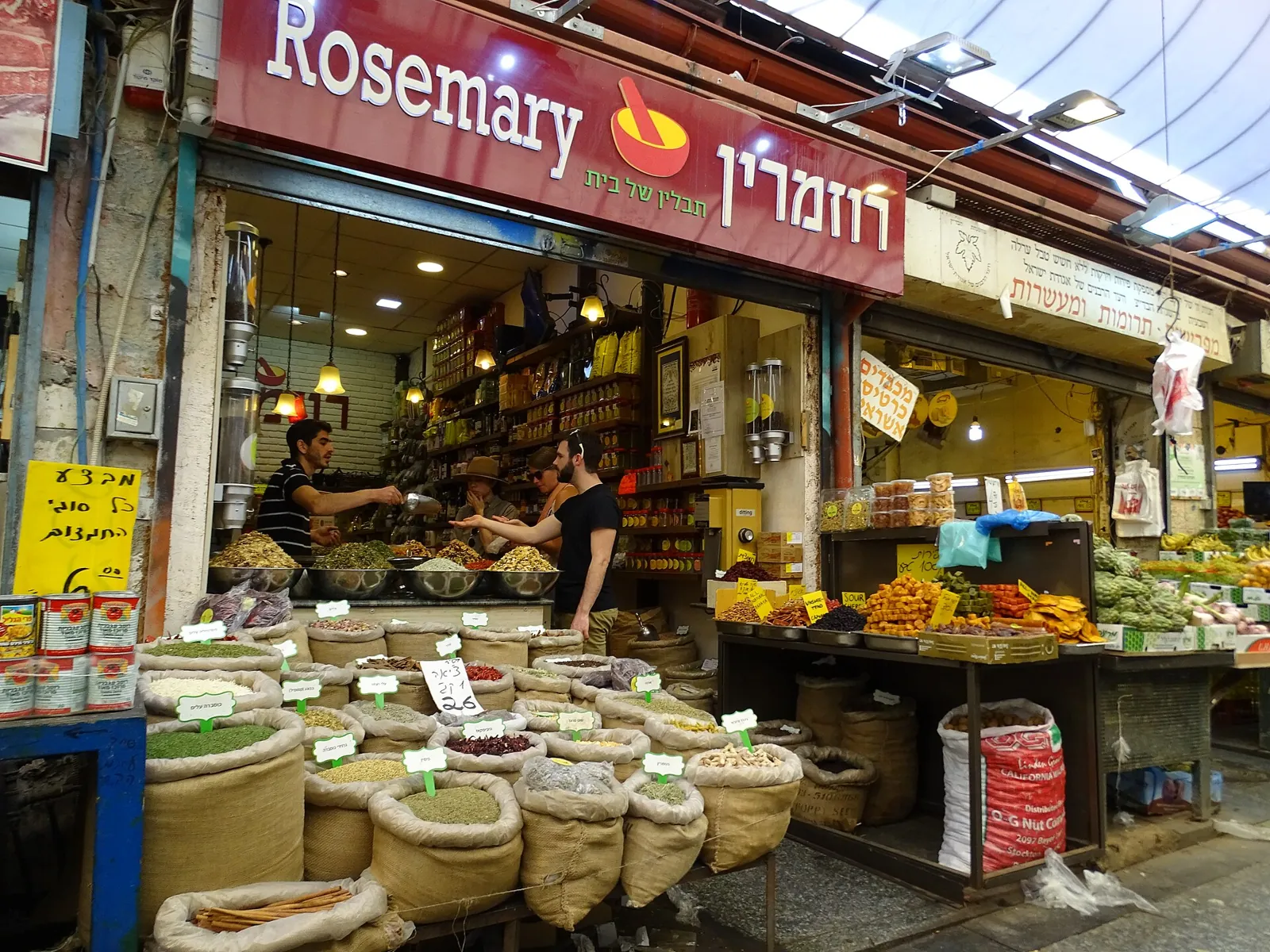
Israel's religious and cultural diversity shapes what makes a good gift. Here is what to bring a host, how kosher rules and Shabbat affect gifts, and when Israelis exchange presents.
We independently research every pick. If you buy through our links we may earn a small commission, at no extra cost to you. Affiliate disclosure.
Quick answer
Israel is home to secular and religious Jewish families, Muslim and Christian communities, and many different traditions, so the best gift depends on who your host is. For a Jewish host, good wine, flowers or fruit are reliable choices; if the family keeps kosher, bring sealed food or wine with a recognized kosher certification. Never bring pork products to Jewish or Muslim hosts, and offer alcohol to Muslim hosts only if you know they drink. Dinner invitations often fall on Friday night, when Shabbat begins at sunset.
- Typical host gift $15 – $50
- Main gift seasons Rosh Hashanah, Hanukkah, Purim
- Shabbat Friday sunset to Saturday sunset
- Business gifts Common, but simple and modest
What to give
Israeli hospitality is warm and fairly informal, and customs vary with each family's ethnic and religious background. Many Israelis appreciate gifts that are an act, such as hosting someone for dinner in return, as much as material presents. When you do bring something, keep it thoughtful rather than lavish.
For a host
A common time to be invited for dinner is Friday evening or Saturday, around the Shabbat meal. For Jewish hosts, a high-quality bottle of wine, flowers or a basket of fruit is suitable. If you know or suspect the household keeps kosher, buy sealed products that carry a reliable kosher certification rather than homemade food, since observant families follow rules such as keeping meat and dairy separate. For Muslim and Christian Arab hosts, sweets, fruit or flowers are safe; skip alcohol for Muslim hosts unless you are sure they drink.
For friends, in-laws and coworkers
For a Jewish family you know well, a mezuzah case for a doorway is a meaningful gift. If it includes the parchment scroll, make sure it comes from a reputable source. For coworkers, a shared treat around the holidays is natural, especially before Rosh Hashanah, when many workplaces mark the new year with gifts.
A good bottle of wine
Why it works: Wine is a classic host gift for Jewish families and is used in the blessings at Shabbat meals.
Skip it if: the host is Muslim and you are not sure they drink. For observant Jewish hosts, choose a certified kosher wine.
A fruit basket or flowers
Why it works: Fresh fruit and flowers suit almost every household, regardless of religion or level of observance.
Skip it if: you are visiting during a holiday when the family has asked guests not to bring food.
Honey and sweets for the new year
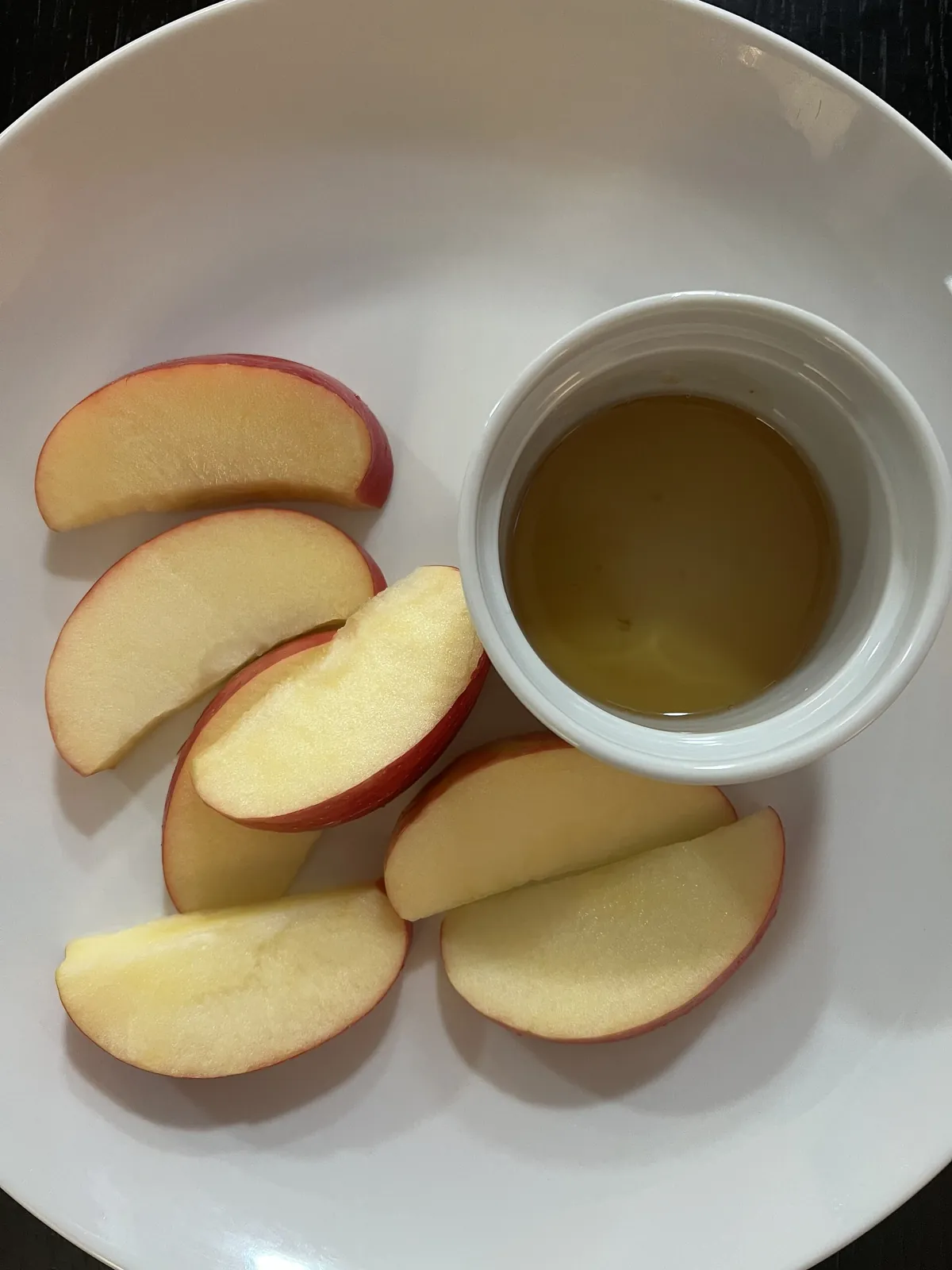
Why it works: Apples and honey symbolize hopes for a sweet year at Rosh Hashanah, so a jar of good honey is a natural seasonal gift.
Skip it if: the family keeps kosher and the product has no recognized certification.
A mezuzah case
Why it works: Many Jewish homes have a mezuzah on the doorpost, and a decorative case is a thoughtful housewarming gift for a Jewish friend.
Skip it if: you cannot buy the scroll from a reputable source; give the case alone and let the family choose a scroll.
See more ideas in our food gifts section.
What to avoid
- Pork products. Pork is forbidden under both Jewish and Islamic dietary rules, so avoid anything containing pork for Jewish or Muslim hosts.
- Non-kosher food for observant families. Homemade dishes or uncertified products may not be usable in a kosher home.
- Alcohol for Muslim hosts. Unless you know they drink, choose sweets, fruit or flowers instead.
- Arriving very late. Arriving a little late is often fine, but more than about half an hour may be considered rude.
- Expecting observant hosts to use phones or drive on Shabbat. In observant households and Orthodox areas, driving, electricity use and digital devices are usually avoided from Friday sunset to Saturday sunset, so plan arrivals and messages around it.
- Interrupting someone at prayer. It is very rude to talk to or walk in front of someone who is praying.
How to give and receive
- Use your right hand or both hands with Muslim hosts. This is the respectful way to hand over a gift or food.
- Ask about kashrut if unsure. A quick question about whether the family keeps kosher avoids an awkward gift.
- Accept food and drink. Hosts typically offer coffee, tea or a cold drink with snacks, and guests are expected to accept second helpings.
- Finish your plate. Leaving food may be read as a comment on the host's cooking.
- Respect head coverings and the mezuzah. Never ask someone to remove a religious head covering. Non-Jewish guests are not expected to touch the mezuzah when entering.
- Wrap simply. Neat paper and a card are enough; no particular colors or numbers are considered unlucky.
Holidays and occasions
Jewish holidays follow the Hebrew lunar calendar, so their dates on the Western calendar vary each year. Check a current calendar before planning a visit or a gift.
Rosh Hashanah (September or October)
The Jewish New Year falls at the start of the month of Tishrei, usually in September or October. Families dip apples and challah in honey to express hopes for a sweet year, which makes honey, apples and sweets classic gifts. It is also a major gift season at work: many Israeli employers give staff holiday gifts, often vouchers, in the run-up to the new year.
Hanukkah (usually December)
Hanukkah falls in the Hebrew month of Kislev, usually in December, and lasts eight nights, with one more candle lit each night. A long tradition gives children small amounts of money, and in many Western families Hanukkah has become a gift-giving holiday. Foods fried in oil are traditional, including latkes and sufganiyot, the jelly doughnuts popular in Israel.
Purim (usually February or March)
On Purim, a key custom is mishloach manot: sending friends a package of at least two different ready-to-eat foods or drinks during the day. A small box of pastries, fruit and a drink is a lovely way to join in if you have Jewish friends.
Shabbat
Shabbat runs from Friday sunset to Saturday sunset. Kosher restaurants close, and Shabbat meals often include blessings over wine and bread. If you are invited to a Friday dinner, ask your host what time to arrive, and bring your gift with you rather than having it delivered on Shabbat itself.
Muslim and Christian holidays
Muslim and Christian citizens of Israel celebrate their own holidays, such as Ramadan, Eid and Christmas. If you have friends or colleagues from these communities, sweets and festive greetings at their holidays are appreciated. See our guides to Turkey and Egypt for Eid gift customs.
Business gifting
Gifts are common in Israeli business, but people usually give simple gifts and avoid anything overly expensive or elaborate. A quality item from your home region or a seasonal treat before Rosh Hashanah fits well. Many Jewish holidays fall in September and October, so avoid scheduling important meetings, or sending time-sensitive gifts, during that period. Friday and Saturday form the weekend, and many businesses close early on Friday ahead of Shabbat.
Israeli counterparts are often relatively flexible about time, but aim to be punctual and let people know if you are running late. Many companies and public bodies have internal rules on accepting gifts, and anti-bribery laws apply in Israel as in other countries. Check the recipient's policy before giving anything of value. For general advice, see our business gifts guide.
Frequently asked questions
What should I bring to a Shabbat dinner in Israel?
A good bottle of wine, flowers or fruit are classic choices. If the hosts are observant, choose certified kosher wine or sealed kosher sweets, and ask what time to arrive so you do not cut into Shabbat.
Can I bring homemade food to an Israeli host?
Only if you know the family does not keep kosher. Observant households follow dietary rules that homemade food from a non-kosher kitchen may not meet.
Is wine a good gift in Israel?
For most Jewish hosts, yes. Choose kosher wine for observant families, and avoid alcohol for Muslim hosts unless you know they drink.
Do Israelis give gifts at Rosh Hashanah?
Yes. Honey, sweets and gift baskets are popular, and many employers give staff holiday gifts before the Jewish New Year.
Are business gifts expected in Israel?
Gifts are common but should be simple and modest. Check company gift policies and avoid the busy holiday period in September and October.
Browse all our country gift guides for more destinations.
Sources
- The Cultural Atlas — Israeli Culture: Etiquette. theculturalatlas.org
- The Cultural Atlas — Israeli Culture: Business Culture. theculturalatlas.org
- My Jewish Learning — Rosh Hashanah 101. myjewishlearning.com
- My Jewish Learning — Hanukkah 101. myjewishlearning.com
- Chabad.org — How to Celebrate Purim. chabad.org
- Globes — Average New Year gift from employers rises to NIS 600-800. en.globes.co.il
Image credits. Top image: Mahane Yehuda Market sales 2 by -jkb-, CC BY-SA 3.0, via Wikimedia Commons · In-article image: Liat Portal for Foodie Disorder - Apple slices with honey for Rosh Hashanah by HaJunkiyada, CC BY-SA 4.0, via Wikimedia Commons
Spotted something out of date or a gift that's no longer available? Tell our editors — we review every correction.




