Gift Etiquette in Egypt: Host Gifts, Eid and What to Avoid
Egyptian hospitality is generous, and a good gift says thank you. Here is what to bring, what to skip, and how Eid, Ramadan and Coptic Christmas shape gift-giving.
We independently research every pick. If you buy through our links we may earn a small commission, at no extra cost to you. Affiliate disclosure.
Quick answer
Hospitality is central to Egyptian culture, and a guest rarely arrives empty-handed. Bring good-quality chocolates or pastries for the hostess and something small for the children. Give and receive with your right hand or both hands, and do not expect your gift to be opened in front of you. Skip flowers, which in Egypt are tied to weddings, illness and mourning, and offer alcohol only if you know your host drinks. Most Egyptians are Muslim, and a significant Coptic Christian minority celebrates Christmas on January 7.
- Typical host gift $15 – $40
- Main gift occasions Eid al-Fitr, Eid al-Adha, Coptic Christmas
- Hands Right hand or both hands
- Opening Usually later, not in front of the giver
What to give
Egyptian hosts often go to great lengths for guests, preparing generous meals and pressing visitors to eat more. A thoughtful food gift is the most natural way to say thank you. Sweets and pastries suit both Muslim and Christian households, which makes them a safe choice almost anywhere.
For a host
Good-quality chocolates or sweets for the hostess are the classic thank-you gift when invited to a home. If the family has children, a small gift for them is welcome. Visiting matters in itself: infrequent visits can signal that a relationship is unimportant, especially with family, so turning up for an invitation is a gift of its own.
For friends, in-laws and coworkers
For in-laws and close friends, food gifts remain the safest route, along with items for the home. If the family is Muslim, make sure any food is halal and free of pork and alcohol. During Eid, gifts for children are especially appreciated. For coworkers, a box of pastries to share in the office is more natural than individual presents.
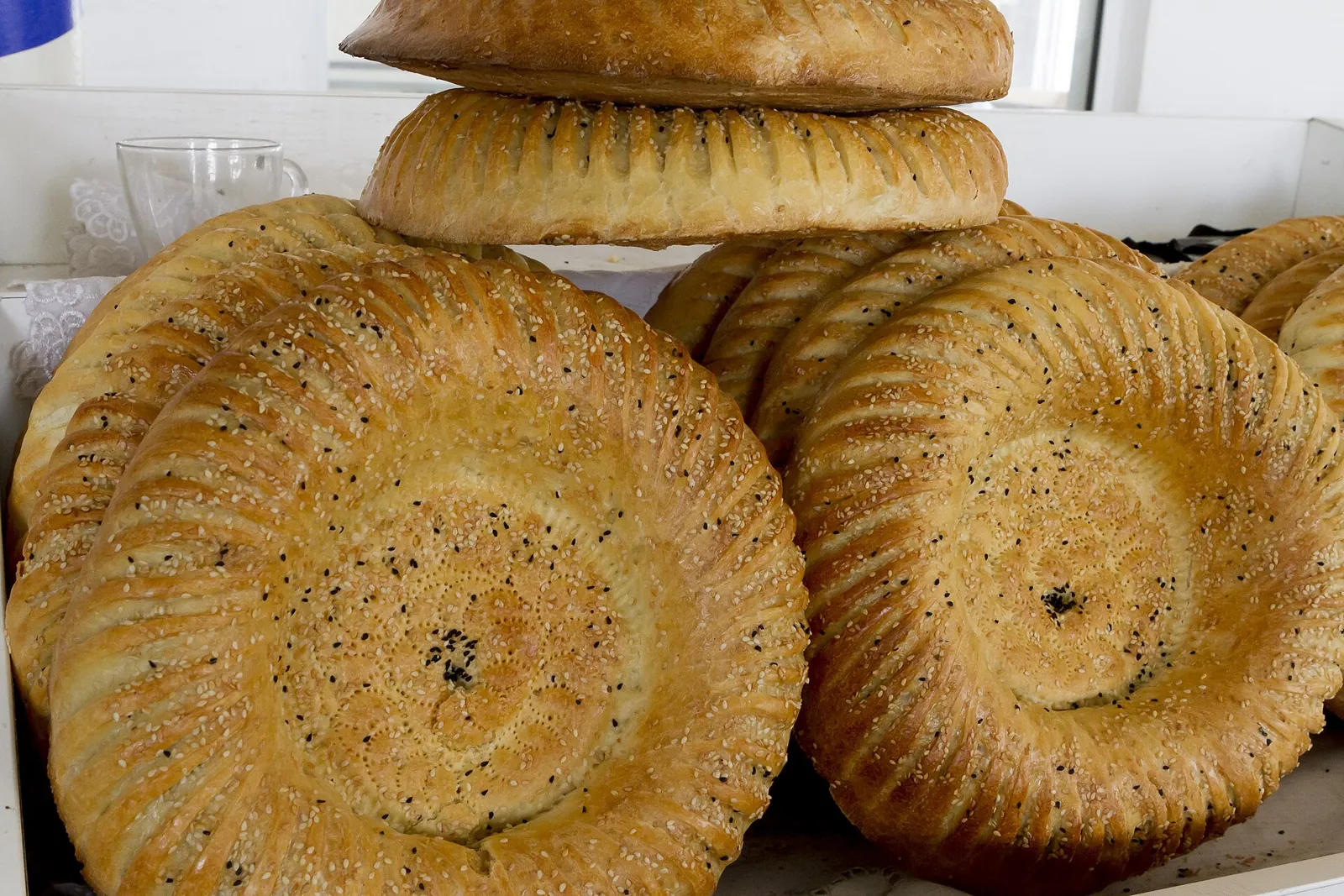
A box of quality chocolates or pastries
Why it works: Chocolates and sweets for the hostess are the standard thank-you for a home invitation and are welcome in Muslim and Christian homes alike.
Skip it if: the filling contains alcohol or gelatin of uncertain origin and the family is Muslim.
A small gift for the children
Why it works: A toy, book or treat for your counterpart's children is a warm gesture that is widely appreciated.
Skip it if: it is more lavish than your gift for the parents.
A decorative item from your home region
Why it works: A well-made piece for the home, such as a ceramic bowl or a framed print of a landscape, shows care and gives you something to talk about.
Skip it if: it shows alcohol, pigs or anything that could clash with your host's religious values.
Eid sweets or kahk
Why it works: Around Eid al-Fitr, boxes of kahk, the traditional Eid cookies, are part of the celebration and many families buy them from pastry shops.
Skip it if: the household has already been flooded with Eid sweets; a gift for the children may land better.
Need more ideas? Browse our food gifts.
What to avoid
- Flowers as a host gift. They are generally reserved for weddings, illness and mourning, so choose sweets instead.
- Alcohol, unless you know the host drinks. Alcohol is generally not served with food in Egyptian homes, and many Muslims do not drink.
- Pork products for Muslim hosts. Offering pork to a Muslim is considered offensive.
- Using your left hand. The left hand is associated with personal hygiene, so do not use it to hand over gifts or to eat from a shared dish.
- Showing the soles of your feet. Pointing your toe, heel or sole at someone is rude.
- Turning down tea or coffee. Declining hospitality can feel like rejecting the person. Accept, even if you only take a sip.
How to give and receive
- Use your right hand or both hands. This applies to giving and receiving gifts.
- Do not expect the gift to be opened. Gifts are usually set aside and opened later, so do not wait for a reaction.
- Wrap it nicely. Attractive wrapping shows effort; there are no widely cited color or number taboos.
- Remove your shoes if your hosts do. Shoes are often taken off before entering a home.
- Let your host seat and serve you. At a dinner, wait to be shown your seat and wait to be served rather than helping yourself.
- Leave a little food on your plate. It signals abundance and thanks the host; taking a second helping is a compliment.
- Praise the food with statements. Say how good a dish is rather than asking how it was made, which can sound doubtful.
Holidays and occasions
Islamic holidays follow the lunar Hijri calendar, so their dates on the Western calendar vary each year and depend on moon sighting. Check a current calendar before you plan.
Ramadan
During the holy month of Ramadan, many Muslims fast from dawn to sunset. Working hours are reduced and business slows, so it is a poor time to push deals. If you are invited to break the fast with a family in the evening, the usual host gift of sweets or chocolates is appropriate. Avoid eating, drinking or smoking in front of people who are fasting.
Eid al-Fitr
Eid al-Fitr marks the end of Ramadan. Families gather for a large meal, children often get new clothes, and older relatives traditionally give children money, known as eidiya, often after the family meal. Boxes of kahk are an Eid signature. If you are close to an Egyptian family, a small cash gift or toy for the children and a box of sweets for the household fit well. See our gifts for kids for ideas.
Eid al-Adha
Eid al-Adha, the Feast of the Sacrifice, comes about two months after Eid al-Fitr. It is another time for family visits and festive meals, and a gift of sweets when visiting is always welcome.
Coptic Christmas (January 7)
Most Egyptian Christians belong to the Coptic Orthodox Church and celebrate Christmas on January 7, which is a public holiday in Egypt. If you have Coptic friends or colleagues, a greeting and a box of sweets around the holiday is a kind gesture.
Business gifting
Egyptian business runs on relationships. People prefer to work with those they know and trust, decisions are hierarchical, and meetings often begin with tea or coffee and personal conversation. Always accept the drink offered. Meetings may run longer than planned, and rushing is considered rude.
A modest gift from your home region, presented with your right hand, can support a relationship, but it is not a substitute for time and trust. Friday is the main day of congregational prayer, and the weekend falls on Friday and Saturday. Many companies and government bodies have rules on accepting gifts, and anti-bribery laws apply in Egypt as in other countries. Keep gifts modest, avoid giving during negotiations or tenders, and check the recipient's policy. See our business gifts guide for general advice.
Frequently asked questions
What should I bring to an Egyptian home?
Good-quality chocolates or pastries for the hostess and a small gift for any children. Avoid flowers and, unless you know your host drinks, alcohol.
Why didn't my Egyptian host open my gift?
Gifts are usually not opened in front of the giver. It is a normal courtesy, not a sign of indifference.
Can I give flowers in Egypt?
They are generally reserved for weddings, illness and mourning, so sweets or chocolates are a better host gift.
What is eidiya?
Eidiya is money given to children by parents and older relatives during Eid. Children often save it or spend it on treats and outings.
When do Egyptian Christians celebrate Christmas?
Most Egyptian Christians are Coptic Orthodox and celebrate Christmas on January 7, a public holiday in Egypt.
Compare customs with our guides to Morocco and Saudi Arabia, or browse all country guides.
Sources
- The Cultural Atlas — Egyptian Culture: Etiquette. theculturalatlas.org
- The Cultural Atlas — Egyptian Culture: Religion. theculturalatlas.org
- The Cultural Atlas — Egyptian Culture: Business Culture. theculturalatlas.org
- Commisceo Global — Egypt Business Culture Guide. commisceo-global.com
- Egyptian Streets — The evolution of Eid: traditions between then and now. egyptianstreets.com
- Africanews — Egypt declares paid public holiday for Christmas on January 7. africanews.com
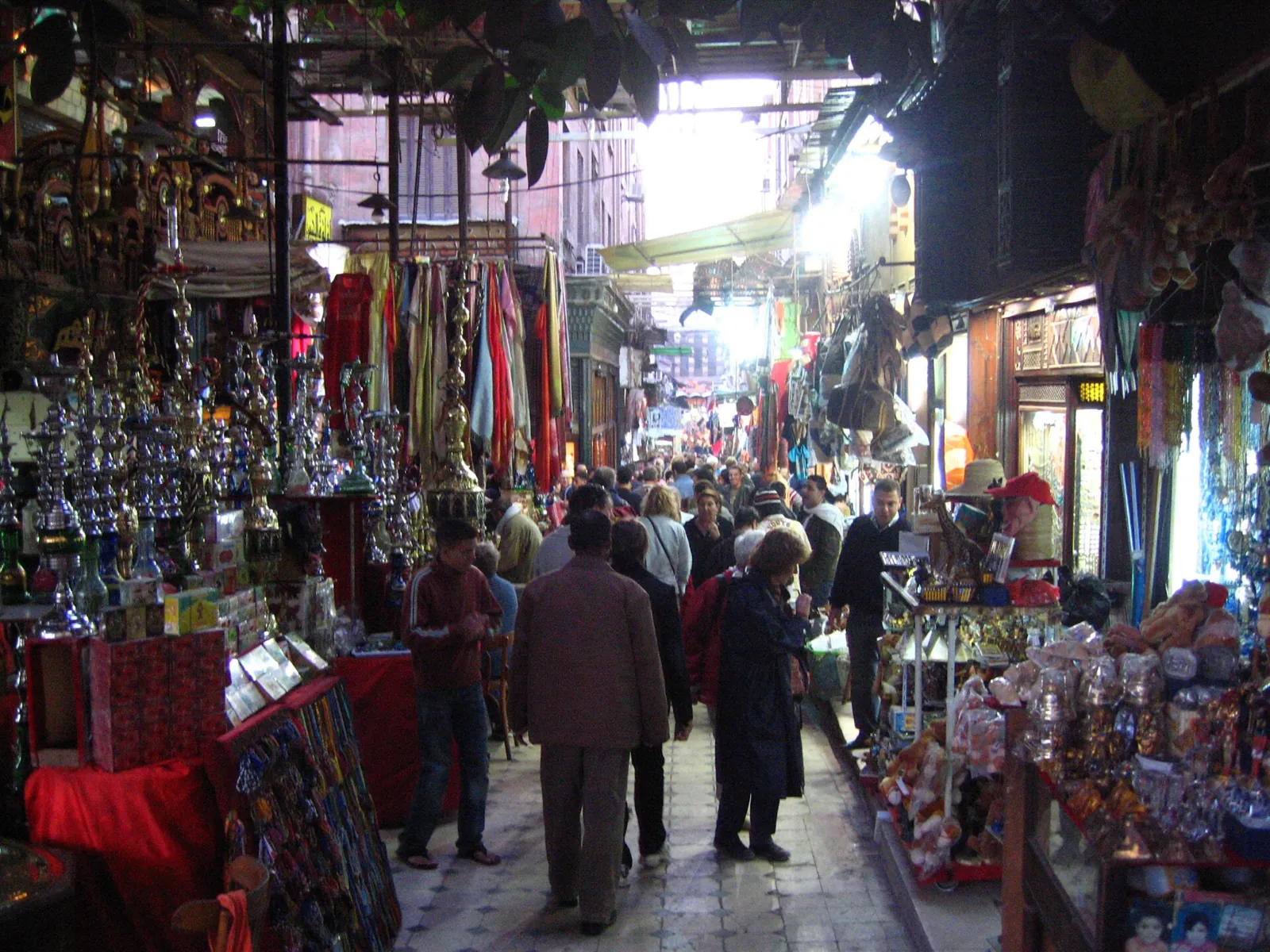
Image credits. Top image: The Khan el-Khalili market in Cairo, Egypt (2743501345) by V Manninen from Funland, CC BY 2.0, via Wikimedia Commons
Spotted something out of date or a gift that's no longer available? Tell our editors — we review every correction.