Gift etiquette in Turkey: what to give, avoid and how to present it
Baklava, sweets and treats for the children are safe gifts in Turkey. Here is what to avoid, how to give and receive, and how gifts work at Bayram, New Year's Eve and weddings.
We independently research every pick. If you buy through our links we may earn a small commission, at no extra cost to you. Affiliate disclosure.
Quick answer
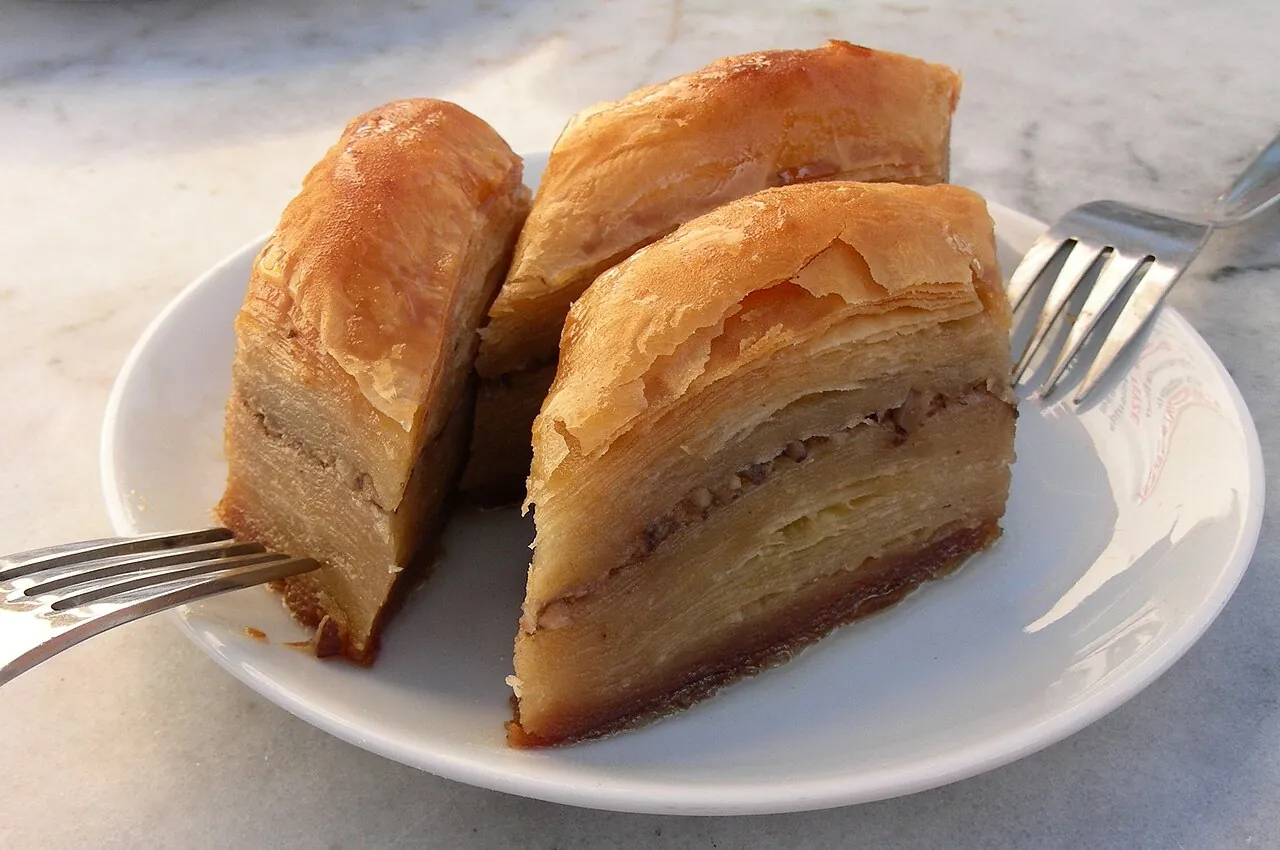
In Turkey (Türkiye), gifts are usually small, casual and given often, and hospitality matters more than price. When you visit a home, bring baklava, pastries, chocolates or sweets, and something for the children if there are any. Turkey is officially secular and most people are Muslim, but practice varies widely, so only give alcohol if you're sure the person drinks, and avoid pork. Offer gifts with both hands, don't expect them to be opened in front of you, and be ready to take off your shoes. Sweets and family visits define Ramazan Bayramı, whose date changes each year.
- Safe host gifts Baklava, pastries, chocolates, sweets for children
- Check first Wine or rakı
- Avoid Pork, extravagant gifts
- Key seasons Ramazan Bayramı, Kurban Bayramı, New Year's Eve
What to give
Hospitality, or misafirperverlik, is a central virtue in Turkey, and an unexpected visitor may even be called a "guest from God." Formal gifts are appreciated but not expected; small, casual gifts given throughout a friendship are more typical than one big present. Elaborate wrapping and cards are uncommon.
Turkey is also diverse. Secular and religiously conservative people live and work side by side, Sunni, Alevi and Sufi-influenced traditions all exist, and Kurdish identity is significant in parts of the east and southeast. Customs in cosmopolitan Istanbul or the Aegean coast around Izmir can feel quite different from those in a conservative town. Let the setting, and your host, guide you.
Baklava, pastries or a box of sweets
Why it works: Sweets and pastries suit home visits far better than corporate-style gifts, and everyone at the table can share them.
Skip it if: your host has just told you they've baked; bring chocolates or something for the children instead.
Sweets or a small toy for the children
Why it works: Treats for the children are a warm, appropriate gesture when visiting a family.
Skip it if: you don't know whether there are children in the home; a shared box of sweets is safer.
A decorative item or specialty from home
Why it works: A personal but modest item from your own country works for friends, in-laws and business contacts.
Skip it if: it is expensive enough to feel like a corporate gesture or create obligation.
Wine or spirits, only for someone who drinks
Why it works: Many Turks drink, and rakı is the national drink at many evening meals.
Skip it if: you aren't certain. Plenty of Turks avoid alcohol for religious reasons, and if you bring food or drink, expect it to be shared at the table.
For in-laws, a well-presented box of sweets is a safe first gift; after that, follow your partner's lead. Our food gifts guide has more ideas.
What to avoid
- Alcohol, unless you're sure. Some Turks avoid alcohol in line with Islamic custom; confirm before giving wine or liquor.
- Pork and pork products. Many Turks avoid pork for religious reasons.
- Extravagant gifts. Relationships are built through time, hospitality and trust, not expensive presents; a lavish gift can feel awkward.
- Assuming everyone is the same. Don't assume "Muslim" means one set of beliefs or practices, or that everyone identifies simply as Turkish.
- Over-praising your host's belongings. Your host may feel obliged to give you the item you admired.
How to give and receive
- Offer and receive gifts with both hands.
- Don't expect the gift to be opened in front of you; that is usual.
- Keep wrapping simple; elaborate wrapping and cards are uncommon.
- Accept hospitality warmly. Refusing tea or food too quickly can seem distant or ungrateful, even if you mean to be polite.
- If you genuinely can't eat something, give a real reason, because hosts often treat a first refusal as politeness.
- Return the hospitality later to keep the relationship balanced.
Visiting a Turkish home
Expect to take off your shoes at the door, so wear clean socks; slippers are often provided. Tea or coffee will be offered almost as soon as you sit down. Use your right hand to pass or serve food, arrive hungry, and expect second helpings. A good compliment for the cook is "Elinize sağlık" ("health to your hands"). With Turkish coffee, sip slowly and leave the grounds in the cup.
Holidays and occasions
Turkey's two religious holidays, or bayram, follow the Islamic lunar calendar, so their dates move about 11 days earlier each year.
Ramazan Bayramı (Şeker Bayramı)
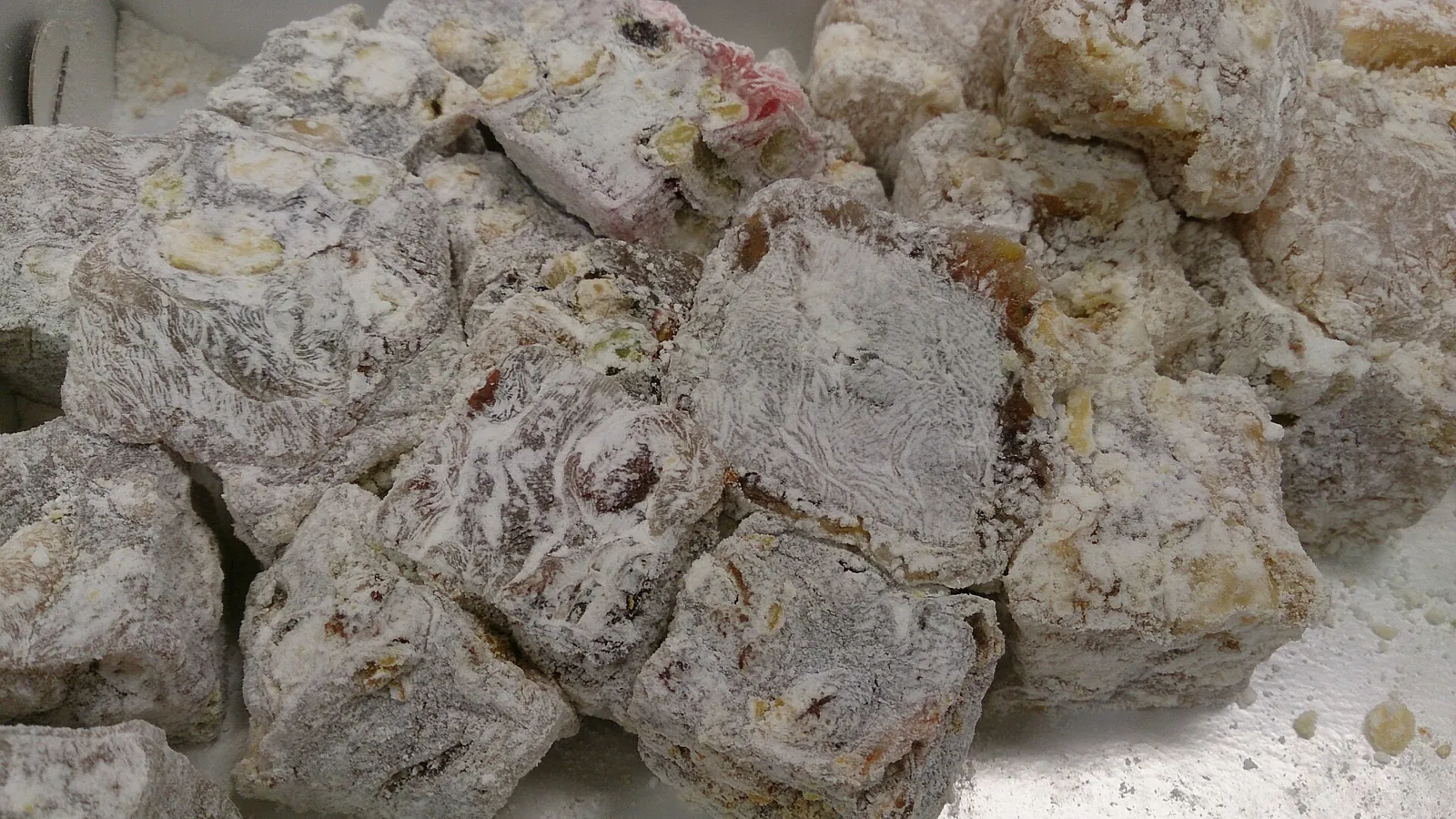
The three-day festival at the end of Ramadan is also called Şeker Bayramı, the "Sugar Feast," because sweets are everywhere. Families visit relatives, especially elders. Younger people often greet elders by kissing their hand and touching it to their forehead, and children go door to door collecting sweets and small gifts of money. Baklava and other desserts are served to visitors, so a box of sweets or chocolates is an ideal gift if you're invited.
Kurban Bayramı
The Feast of Sacrifice (Eid al-Adha) comes roughly two months later and is another time for family visits. Both bayrams affect travel, working hours and business availability, so plan around them.
New Year's Eve
Christmas is not widely celebrated in Turkey, apart from its small Christian communities, but New Year's Eve (yılbaşı) is one of the biggest holidays. Some families exchange gifts for the new year, and Noel Baba, the Turkish Santa Claus, is more likely to bring children presents on New Year's Eve than at Christmas.
Weddings
At many weddings, friends and family pin gold jewelry onto the bride and groom in a ceremony called takı; gold is chosen partly because it can be exchanged for money to help the couple start out. At the henna night before the wedding, the mother-in-law traditionally places a gold coin in the bride's palm. If you're unsure what to give, ask the family. See our wedding gift guide for general ideas.
Business gifting
Business gifts play a small role in Turkey. Trust is built over tea, meals and time, and the host usually pays at a restaurant; offer politely to share, then return the invitation later. If you want to give something, choose a modest, personal item from your country rather than a branded corporate gift, and give it once you know the person. Don't assume a business dinner will include alcohol, even if rakı appears at some tables.
Practices differ between an international firm in Istanbul, a government-linked organization in Ankara and a family manufacturer in Anatolia. Public officials work under strict ethics rules, and bribery is a criminal offense, so keep gifts to a token value and follow both companies' policies. Plan meetings around Ramadan and the bayrams. For more ideas, see our business gifts guide.
Frequently asked questions
What should I bring to a Turkish host's home?
Baklava, pastries, chocolates or a box of sweets, plus a little something for the children. Bring wine only if you know your hosts drink.
Do Turks open gifts in front of the giver?
Usually not. Gifts are often set aside and opened later, so don't be surprised.
Is it OK to give alcohol in Turkey?
Only if you're sure. Many Turks drink, but others avoid alcohol for religious reasons, and practice differs by family and region.
Do Turks exchange gifts at Christmas?
Most don't. New Year's Eve is the main winter celebration, and some families exchange gifts then.
What happens at Şeker Bayramı?
Families visit elders, younger people kiss elders' hands, and children receive sweets and small amounts of money. Sweets make a perfect gift if you're invited.
Browse more country gift guides, including our guides to Germany and Saudi Arabia.
Sources
- Commisceo Global — Türkiye Business Culture, Etiquette and Customs. commisceo-global.com
- The Cultural Atlas — Turkish Culture: Etiquette. theculturalatlas.org
- Fethiye Times — Ramazan Bayramı: the sweetest holiday of all. fethiyetimes.com
- WhyChristmas.com — Christmas in Türkiye / Turkey. whychristmas.com
- Go Türkiye — Turkish Wedding Customs and Superstitions. goturkiye.com
Image credits. Top image: Baklava - Turkish special, 80-ply by Kultigin, Public domain, via Wikimedia Commons · In-article image: Lokum (Turkish Delight) by ProjectManhattan, CC BY-SA 3.0, via Wikimedia Commons
Spotted something out of date or a gift that's no longer available? Tell our editors — we review every correction.




