Eco-friendly gifts for kids that still feel like fun
Gifts that are kinder to the planet without feeling like a lecture: toys built to last, things to grow, outdoor kits, experiences and reusables kids actually like.
We independently research every pick. If you buy through our links we may earn a small commission, at no extra cost to you. As an Amazon Associate we earn from qualifying purchases. Affiliate disclosure.
Quick answer
The most eco-friendly gifts for kids are the ones that get used for years: a quality secondhand toy, a solid wooden set that can be handed down, a seed-starting kit, a nature explorer kit, or an experience such as a museum membership or a class. Reusable items they choose themselves, like a water bottle in their favorite color, also count. Durability and real use matter more than a green label.
- Typical budget $10 – $80 (memberships more)
- Ages roughly 3 to 12; follow each product's age label
- Best rule Buy less, buy sturdy, buy something they will use
Sustainable gifts for kids do not have to be worthy or dull. The aim is simple: fewer things that break in a week, more things that last, grow or get handed on. If you want ideas that skip toys altogether, our list of non-toy gifts for kids goes further in that direction, and our eco-friendly gifts section covers the adults on your list.
Eco-friendly toys for kids that last
A quality secondhand toy, book bundle or game
Why it works: A used toy needs no new manufacturing, and thrift shops, swap groups and consignment sales are full of barely used building sets, puzzles and picture books. Older kids often love a vintage board game. See our guide to secondhand gifts for how to present one well.
Skip it if: parts are missing, worn or broken, or the item has been recalled. The American Academy of Pediatrics says recalled toys should be removed right away, so check before you buy.
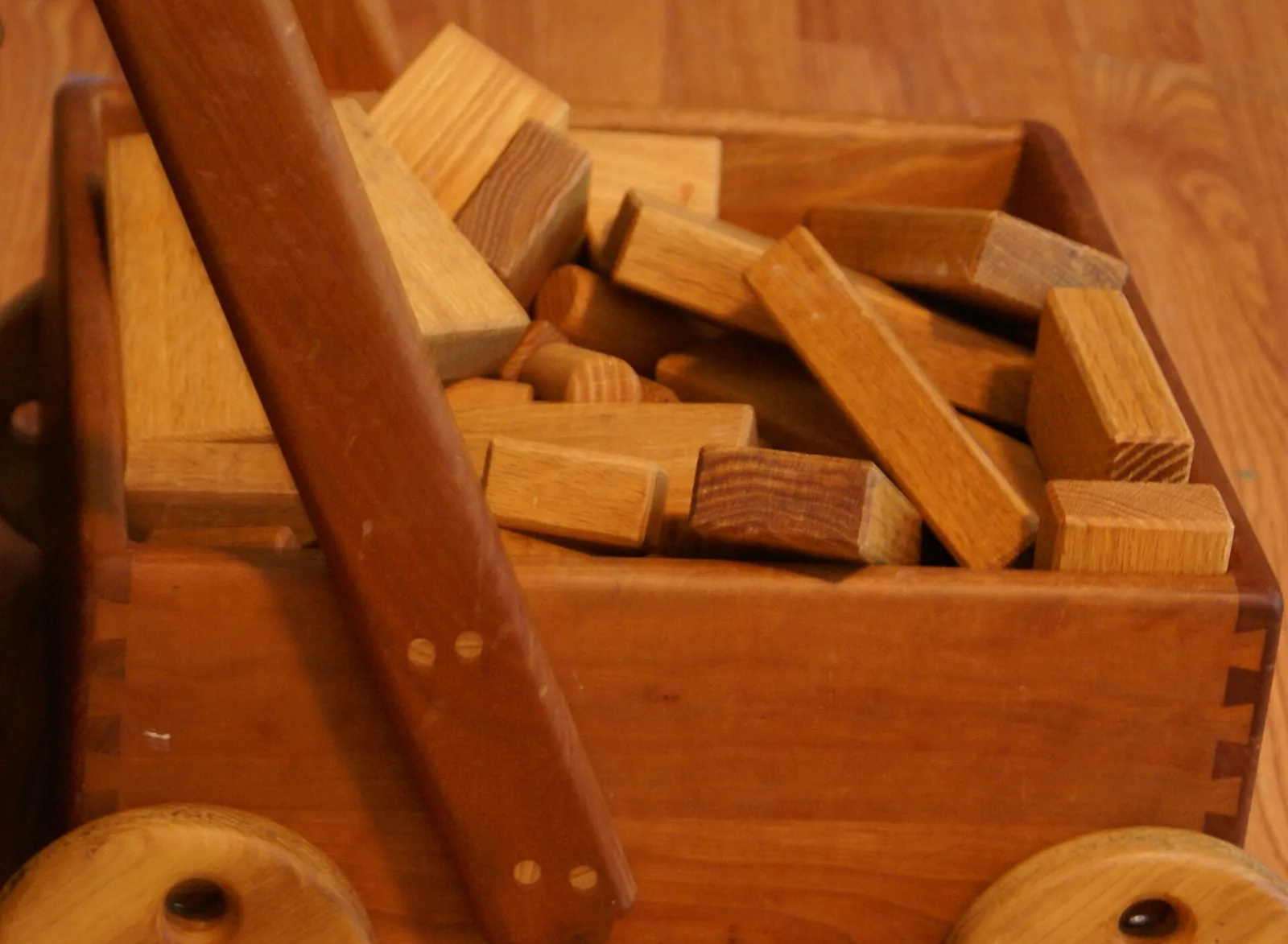
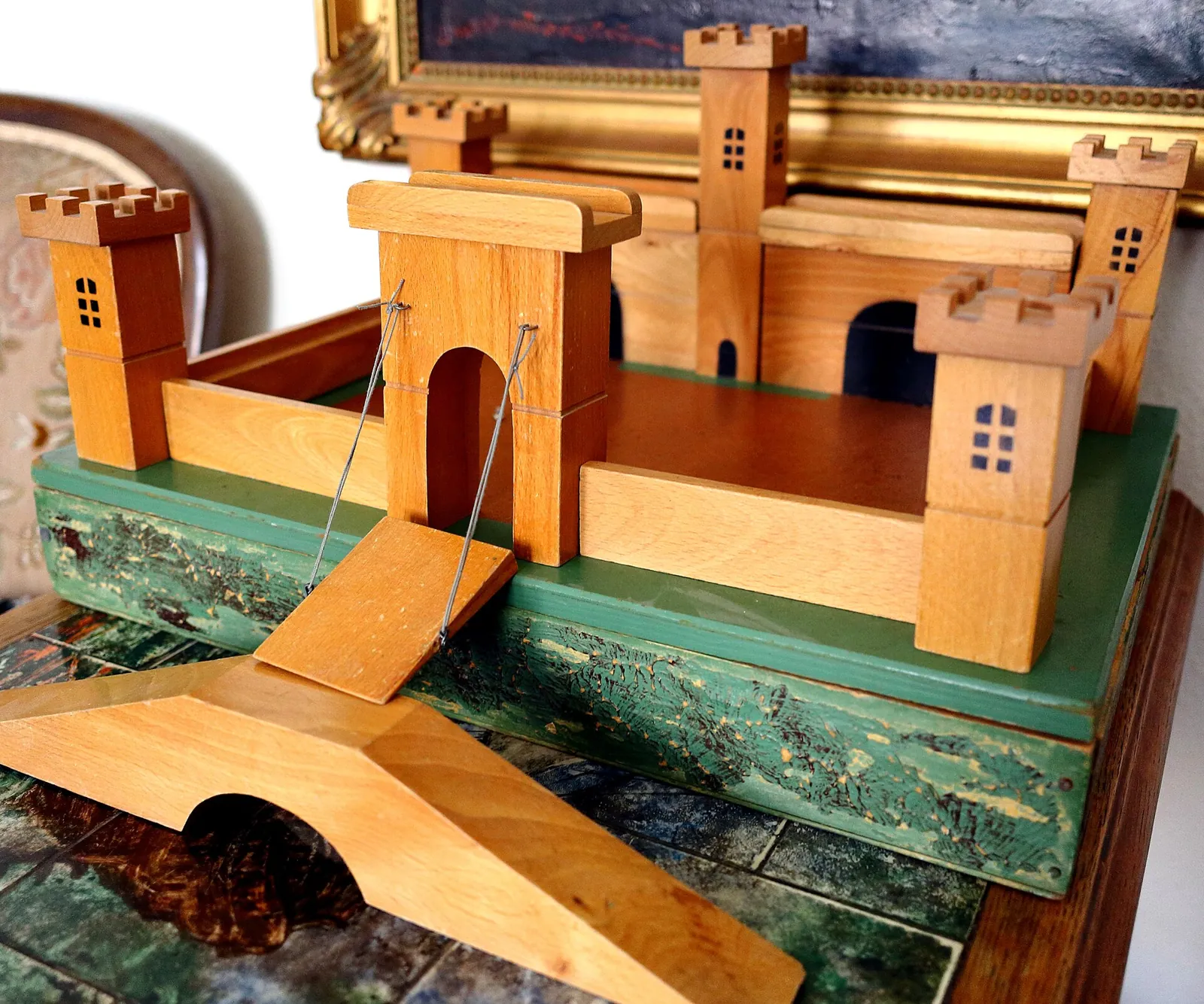
Solid wooden building blocks
Why it works: Plain hardwood blocks survive years of play, suit a wide age range and can be passed to younger siblings or cousins. Unfinished or simply oiled sets are easy to clean and repair.
Skip it if: the child already has a big set; add a box of arches, ramps or figures that work with it instead.
Play silks or cotton play cloths
Why it works: A few large squares of fabric become capes, rivers, forts and doll blankets. They take up almost no space and outlast many plastic dress-up costumes.
Skip it if: the child prefers structured toys with clear goals; a wooden puzzle may suit them better.
A refurbished or secondhand bike
Why it works: Kids outgrow bikes fast, so a good used one from a bike co-op or a local listing is a smart choice. Have a shop check the brakes and fit, and give it with a new helmet.
Skip it if: you cannot get the size right; give a voucher for a fitting and a trip to the shop together.
Gifts to grow and explore outdoors
A seed-starting kit
Why it works: Sunflowers, beans and cress grow fast enough to hold a child's attention, and a kit with paper or coir pots avoids plastic trays. For more ideas, see gardening gifts for kids.
Skip it if: the family has no sunny windowsill or outdoor space; a single potted herb is easier.
A nature explorer kit
Why it works: A magnifying glass, a bug viewer, a small field guide to local birds or leaves and a notebook turn any walk into an expedition. Build your own in a canvas bag instead of buying a kit in blister packaging.
Skip it if: the child is under three; small parts are not suitable for toddlers.
A build-your-own bird feeder kit
Why it works: Kids put it together with an adult, hang it outside a window and start spotting visitors. It mixes woodworking, patience and a little science.
Skip it if: the family rents or cannot hang a feeder; a pine cone and seed craft is a temporary alternative.
Real kid-size garden tools
Why it works: A small trowel, rake and watering can made of metal and wood last far longer than toy versions and let children do real work alongside an adult.
Skip it if: no one in the family gardens; the tools will sit unused.
Plastic-free gifts for kids: experiences and reusables
A zoo, museum or science center membership
Why it works: A family membership produces no clutter and many outings. Our guide to experience gifts for kids has more ideas by age.
Skip it if: the nearest venue is hours away; a single day pass for a planned trip works better.
A class or set of lessons
Why it works: Swimming, pottery, climbing or a coding club gives a child a new skill. Agree on timing with the parents first, since lessons affect their schedule too.
Skip it if: the family calendar is already full; an at-home craft afternoon with you is a lighter commitment.
A stainless steel water bottle or lunch kit
Why it works: Kids use it every school day, and a design they choose themselves is less likely to be lost. The EPA suggests packing lunches in reusable containers instead of disposable ones.
Skip it if: the child already has one they love; a set of cloth snack bags is a smaller add-on.
Refillable art supplies
Why it works: A tin of colored pencils, a sketchbook made from recycled paper and a set of watercolors in a refillable palette last longer than novelty craft kits. Look for supplies labeled nontoxic.
Skip it if: the household is overflowing with art supplies; a class or museum visit is more welcome.
How to choose eco-friendly gifts for kids
- Ask the parents. Some families welcome secondhand gifts, others prefer new. A quick question avoids awkwardness.
- Check age and safety labels. The American Academy of Pediatrics says age recommendations help you judge whether a toy is safe and suitable, and advises that toys and their parts be larger than a young child's mouth to prevent choking.
- Be wary of green claims. Words like "natural" or "eco" on a label are not a guarantee. Durability, repairability and real use matter more.
- Wrap it lightly. Fabric, a reusable tote or old maps work well; see our zero-waste gifts guide for more low-waste ideas.
- Plan the afterlife. The EPA suggests donating or selling toys, clothes and books you no longer need, so pick items that can be passed on.
Frequently asked questions
What are good eco-friendly gifts for kids?
Durable wooden toys, quality secondhand finds, seed kits, nature explorer kits, experiences such as memberships or lessons, and reusables like a water bottle the child picks out.
Is it OK to give a secondhand toy as a gift?
Yes, if it is clean, complete and in good condition, and the parents are comfortable with used gifts. Check that it has not been recalled and that it suits the child's age.
Are wooden toys always more sustainable than plastic?
Not automatically. A sturdy plastic set that lasts for years and gets handed down can be a better choice than a cheap wooden toy that breaks. Look at durability first.
What is a plastic-free gift for a child who has everything?
An experience: a membership, a class, tickets to a show or a planned day out together.
Sources
- American Academy of Pediatrics, HealthyChildren.org — How to Buy Safe Toys: A Parent's Guide. www.healthychildren.org
- US EPA — Reducing Waste: What You Can Do. www.epa.gov
Image credits. Top image: Unit block wagon by Belinda Hankins Miller from U.S.A., CC BY 2.0, via Wikimedia Commons · In-article image: Wooden toy castle by Lars A, CC BY-SA 4.0, via Wikimedia Commons
Spotted something out of date or a gift that's no longer available? Tell our editors — we review every correction.