Non-toy gifts for kids they will actually use
Clutter-free gift ideas for kids with full toy bins: experiences, classes, books, art supplies and hobby gear, with realistic prices and when to skip each.
We independently research every pick. If you buy through our links we may earn a small commission, at no extra cost to you. Affiliate disclosure.
Quick answer
The best non-toy gifts for kids give them something to do, learn or look forward to: an experience or class, books or a magazine subscription, real art supplies, a kid-sized tool kit, gear for an outdoor hobby, or something for their room they help choose. Match the gift to the child's current obsession, check age labels, and ask the parents first if the gift involves a recurring commitment or a big mess.
- Typical budget $15 – $100
- Best for Kids with full toy bins, minimalist households, grandparents and relatives
- Check first Age labels, the parents' space and schedule, allergies for food or craft kits
Why a non-toy gift can land better
Many families reach a point where the toy shelf is full and the novelty of a new plastic figure lasts an afternoon. A non-toy gift sidesteps that. It can be a shared memory, a skill, a small piece of independence or something the child uses every day. Parents often appreciate it most, because it adds value without adding clutter.
A good test: picture the child three months from now. Will they still be using it, remembering it or getting something in the mail from it? If yes, it is probably a stronger pick than another toy.
Experiences and memories
Tickets to something they love
Why it works: A children's theater show, a minor-league ball game, a science center or an aquarium visit gives the child a day out and something to talk about for weeks. Wrap a printed ticket with a small related item, like a team cap or a fish-shaped bookmark, so there is still something to open.
Skip it if: You cannot be sure of the date. Coordinate with the parents, or choose an open-dated pass.
A class or short course
Why it works: Pottery, swimming, coding, cooking, dance or climbing lessons build a skill and confidence. Many community centers and libraries run inexpensive sessions for school-age kids. See our experience gifts for families for ideas the whole household can join.
Skip it if: The family's calendar is already packed. A class creates driving and scheduling work for the parents, so always ask first.
A one-on-one day with you
Why it works: For aunts, uncles and grandparents, a handmade "voucher" for a bake-together afternoon, a museum trip or a fishing morning is often the gift kids remember longest. Our guide to homemade gift certificates shows how to make one that looks special.
Skip it if: You are unlikely to follow through soon. Put a date on the voucher so it actually happens.
Gifts that build skills and curiosity
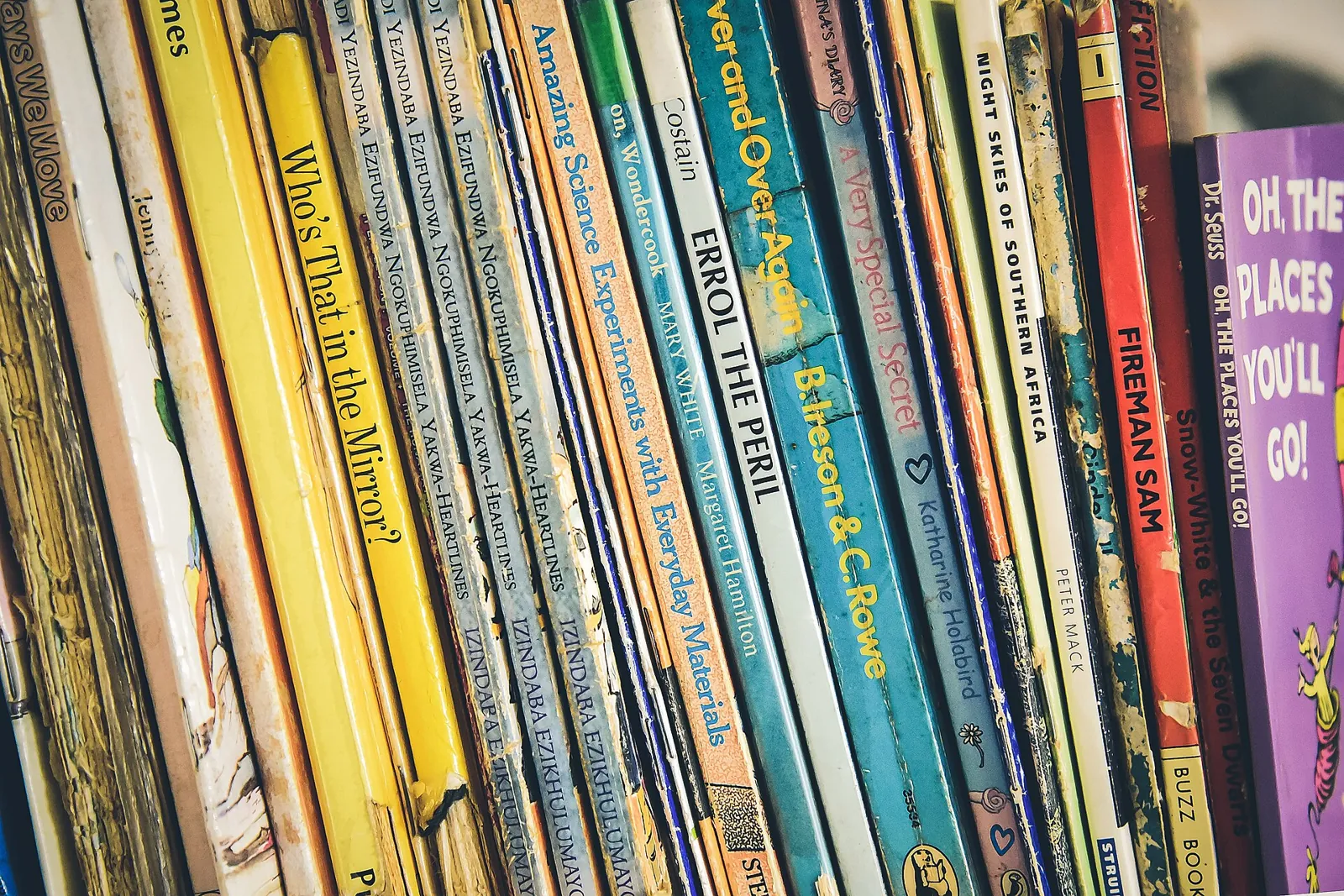
Books chosen for their current obsession
Why it works: A book about exactly what they love right now, whether that is sharks, volcanoes, horses or a graphic-novel series, gets read. A short handwritten note inside the cover turns it into a keepsake.
Skip it if: You are guessing. Ask a parent which books are already on the shelf, or include a gift receipt.
A kids' magazine or activity subscription
Why it works: Mail addressed to the child is exciting, and the gift keeps arriving all year. Science, nature, puzzle and reading magazines exist for most age bands. Our subscription box gifts for kids covers boxed options too.
Skip it if: The family is trying to reduce paper and clutter. A digital subscription or a single high-quality activity book may suit better.
Real art supplies
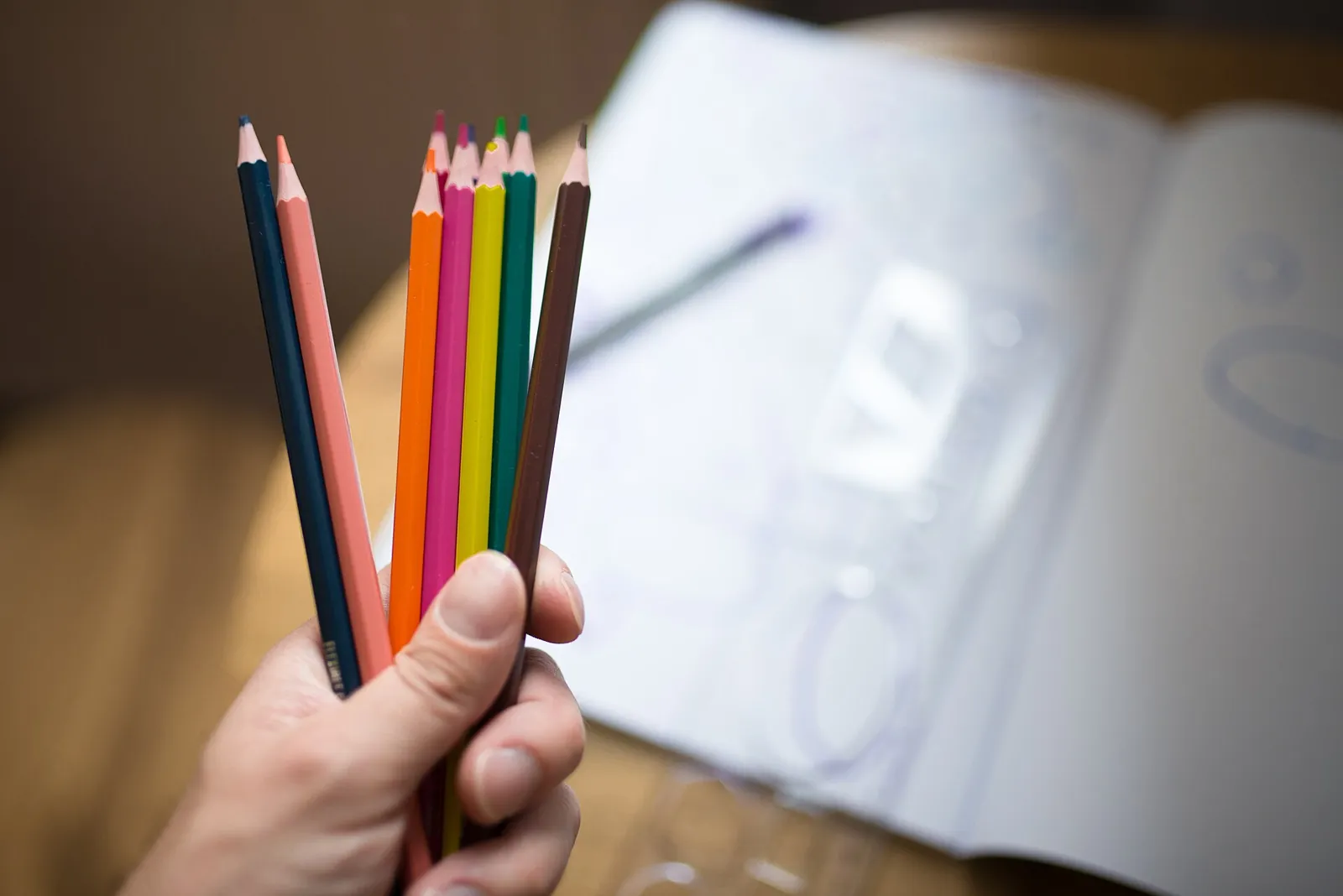
Why it works: A sketchbook, good colored pencils, watercolors or air-dry clay in a proper storage box feels grown-up and invites hours of making. In the US, art materials should carry a conformance statement such as "Conforms to ASTM D-4236," which shows they went through the required toxicology review.
Skip it if: The child is under 3. Products intended for children under 3 must not contain small parts, so choose chunky crayons or paints made and labeled for toddlers.
A kid-sized tool or kitchen kit
Why it works: Real, small-scale tools, such as a child's apron with measuring cups, a beginner knife designed for kids, or a basic woodworking set, tell a child they are trusted to help. Pair it with a first project you will do together.
Skip it if: Nobody will supervise. Cutting and building tools need an adult nearby, and the parents should decide when their child is ready.
Gear for hobbies and the outdoors
Outdoor explorer gear
Why it works: Binoculars, a bug-viewing kit, a headlamp or a field guide to local birds turn ordinary walks into expeditions. It is a gift that gets kids outside.
Skip it if: The child lives somewhere with little access to green space and has shown no interest. A window bird feeder may work better.
Sports equipment for the season ahead
Why it works: A new soccer ball, a properly sized glove, a jump rope or a helmet for a bike they already have supports something they do every week.
Skip it if: Sizing matters and you do not know it. Helmets and shoes in particular need a correct fit, so a gift card for a sports store is the safer route.
Things for their own space
Room upgrades they help pick
Why it works: A reading lamp, a cozy blanket, a wall map or a set of hooks for their own things gives older kids a sense of ownership. Letting them choose the color is part of the gift.
Skip it if: Space is tight or shared with siblings. Check with the parents before adding furniture-sized items.
Personalized everyday items
Why it works: A water bottle, lunch bag or backpack tag with their name is useful and makes the child feel seen. Initials work just as well as a full name.
Skip it if: The school discourages names visible on bags for privacy reasons. Use initials or an icon instead.
How to choose
- Follow the obsession. The best non-toy gift connects to what the child is into this month, not what was popular last year.
- Ask the parents one question. "Is there anything they need, or anything you would rather we skip?" saves duplicate gifts and unwanted commitments.
- Read the age label. Age grading on children's products reflects safety as well as skill level.
- Give something to open. For experience gifts, a small wrapped token makes the moment feel like a present. More ideas for younger and older kids are in our guides for ages 5 to 7 and ages 8 to 12, and the kids hub.
Frequently asked questions
What can I give a child instead of toys?
Experiences such as tickets or classes, books, magazine subscriptions, art supplies, outdoor or sports gear, room items and personalized everyday things all work well. Time with you, written up as a dated voucher, is one of the most memorable options.
Are experience gifts good for young kids?
Yes, if the experience is short and suited to their age, such as a zoo visit or a toddler music class. Very young children enjoy the event more than the anticipation, so plan it soon after the gift is given.
How do I tell relatives we prefer non-toy gifts?
Keep it positive and specific. Share a short list of things your child would love, such as a class, a book series or a museum membership, rather than a list of what to avoid.
Is it rude to give money to a child?
No. Many families welcome cash or a contribution to a savings account, especially for older kids. Pair it with a card that suggests something fun to save toward.
Sources
- U.S. Consumer Product Safety Commission — Art Materials (FAQ). cpsc.gov
Image credits. Top image: Children's books (Unsplash) by Robyn Budlender robzy_m, CC0 1.0, via Wikimedia Commons · In-article image: A hand grips a variety of vibrant colored pencils by Shixart1985, CC BY 2.0, via Wikimedia Commons
Spotted something out of date or a gift that's no longer available? Tell our editors — we review every correction.