Experience gifts for kids, by age: outings they will remember
Age-by-age experience gift ideas for kids, from toddler swim classes to escape rooms for teens, with honest notes on when each one misses.
We independently research every pick. If you buy through our links we may earn a small commission, at no extra cost to you. Affiliate disclosure.
Quick answer
The best experience gifts for kids match their age: a parent-and-child swim or music class for toddlers, a cooking class, show tickets or pottery painting for ages 5 to 8, and a climbing course, specialty day camp or game tickets for tweens and teens. Most cost $25 to $150. Give something to unwrap on the day, such as a printed ticket with a small related item, and book a date with the parents before you buy.
- Typical budget $25 – $150
- Best ages 1 to 17, chosen by age band
- Plan ahead Check age minimums and book a date with the parents
- Works for birthdays, Christmas, grandparents, aunts and uncles
Experience gifts for kids are a day out, a class or a membership instead of another box of plastic. This guide is organized by age band, because a toddler and a twelve-year-old need very different outings, and it covers the practical side: age rules, supervision and how to make a ticket feel exciting to open. If you also want things they can hold, our guide to non-toy gifts for kids mixes books, gear and room upgrades with a few outings. For more ideas across ages, browse the experience gifts collection and the kids hub.
There is research behind the idea. In a set of four studies published in the Journal of Consumer Research, Cindy Chan and Cassie Mogilner found that experiential gifts strengthened the relationship between giver and recipient more than material gifts, largely because experiences tend to be more emotional. The studies were run with adults, so treat it as a useful hint for kids rather than proof.
Experience gifts for toddlers and preschoolers (about 1 to 4)
At this age the experience is really for the child and a parent together, so choose something the adult will enjoy too and that fits around naps.
A parent-and-child swim or water-play class
Why it works: The American Academy of Pediatrics says swim lessons can begin for many children around age 1 as one layer of protection against drowning, and parent-child water play is fine for younger babies. A term of classes is a gift that is useful as well as fun.
Skip it if: the family has no pool nearby or the child has health concerns; let the parents choose the timing, since readiness varies.
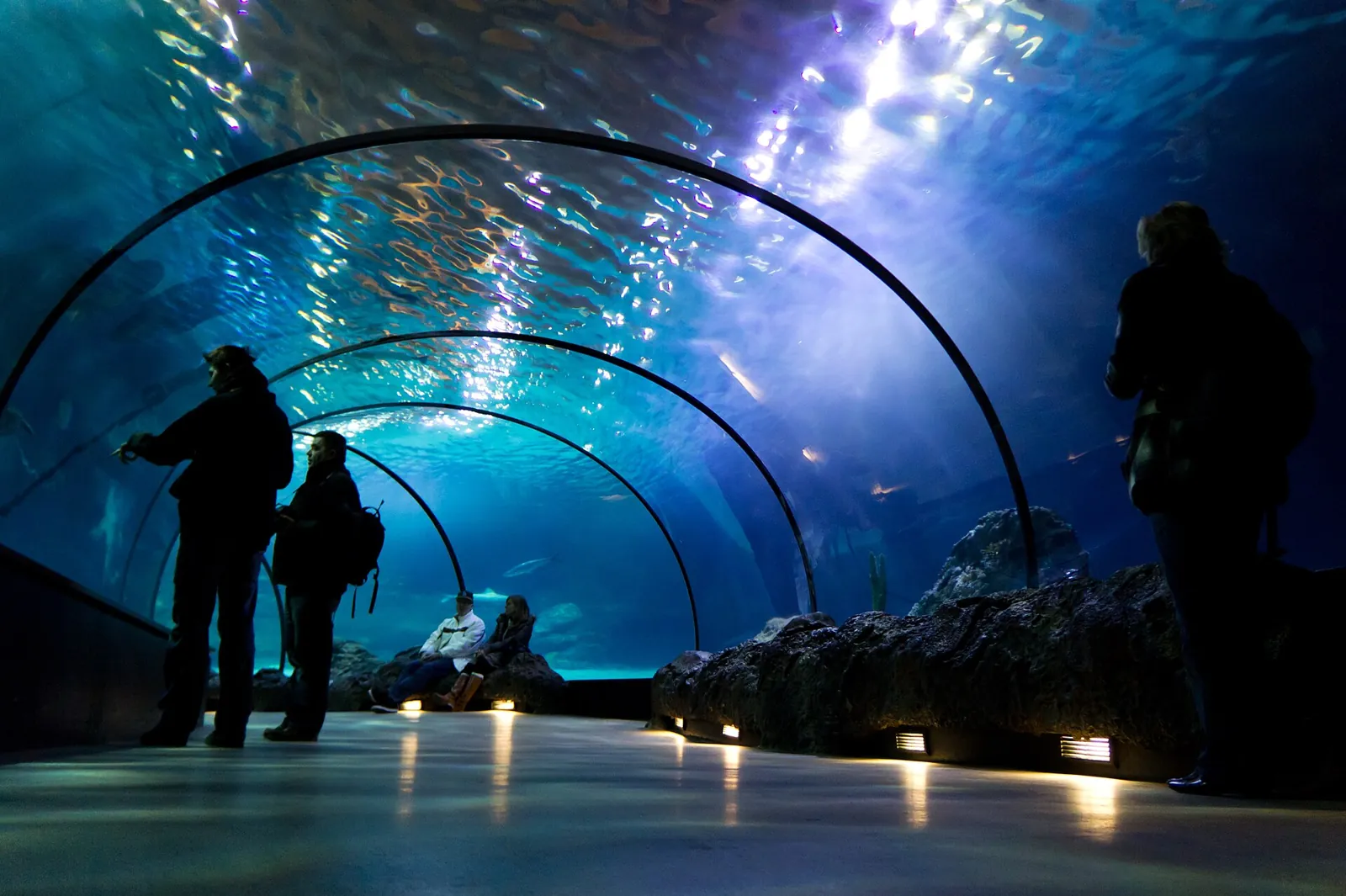
A family membership to a zoo, aquarium or children's museum
Why it works: Short, repeat visits suit small attention spans much better than one big day out, and a year-long membership keeps giving every rainy weekend.
Skip it if: the nearest venue is more than an hour away; a single family day pass is the better fit.
A term of toddler music or movement classes
Why it works: Singing, drumming and dancing in a group is easy fun for little ones and gives a parent a weekly outing. Many programs offer a free trial class, which helps the family check the fit.
Skip it if: the child is very shy in groups or the parents work during class times.
Experience ideas for school-age kids (about 5 to 8)
Children in this band love doing something “real” with their hands and having a story to tell at school afterward.
A kids' cooking or baking class
Why it works: They make something, eat it and bring home a recipe card. Look for classes labeled for their age, since knife and stove work is planned around it.
Skip it if: the child has serious food allergies; ask the parents and the class organizer about ingredients first.
Tickets to a children's theater show, puppet show or family concert
Why it works: A live performance written for young audiences is short enough to hold their attention and feels like a grown-up night out. Buy a ticket for the accompanying adult as well.
Skip it if: the child is sensitive to loud noise or dark rooms; a relaxed or sensory-friendly performance, if offered, is a good alternative.
A pottery-painting or craft studio session
Why it works: Painting a mug or plate is relaxed, works for most ages and leaves them with a keepsake after the glaze firing. It is also an easy outing for a grandparent and grandchild.
Skip it if: the child dislikes waiting; pieces usually need to be fired and collected later.
For tweens (about 9 to 12)
Tweens want a bit of independence and a challenge. Let them help choose, and consider bringing a friend.
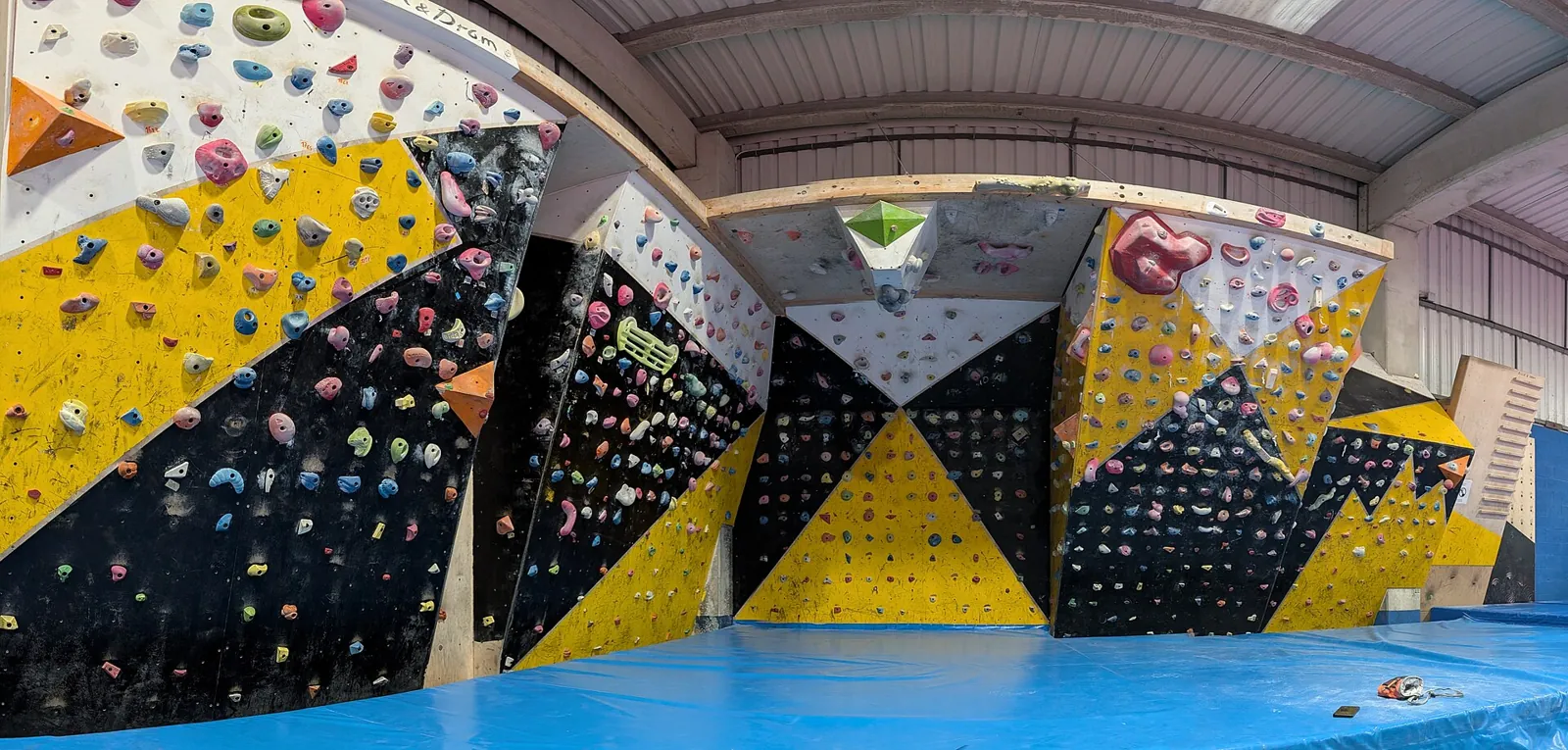
An intro climbing course or a set of climbing-gym visits
Why it works: Indoor climbing builds confidence quickly, and staff teach harness and belay basics. Many gyms run youth sessions with their own age rules.
Skip it if: the child is afraid of heights; bouldering on low walls or a ninja-style obstacle class is a gentler start.
A week of specialty day camp
Why it works: Robotics, film-making, horse riding, marine science or art camps let them go deep on one interest during school breaks. A gift toward the fee can be welcome, since camp is a planned family expense.
Skip it if: you have not checked the family's summer plans; offer a contribution the parents can put toward their chosen camp instead.
Tickets to a pro, minor-league or college game, for two
Why it works: Going with a favorite adult turns the game into a memory. Minor-league and college games are often cheaper and more relaxed than the big leagues.
Skip it if: they do not follow any team; a behind-the-scenes tour or an animal encounter at a zoo may land better.
Experience gifts for teens
An escape room for them and their friends
Why it works: A group puzzle against the clock is social, screen-free and easy to book. Many rooms set a minimum age or require an adult for younger teens, so check the rules.
Skip it if: the teen dislikes timed games; a concert or a cooking class for two may suit better.
A month of lessons in something they keep talking about
Why it works: Guitar, drums, photography, a language or coding: a few lessons with a good teacher is the most direct way to back a new interest.
Skip it if: they already juggle several weekly activities; a one-off workshop avoids overloading the schedule.
How to choose and present experience gifts for kids
- Ask the parents first. Experiences need a date, transport and sometimes an adult. Agree on these before you book.
- Check age limits and rules. Venues set minimum ages, height limits and supervision rules. Read them, and expect to sign a waiver for active outings.
- Plan the supervision. For anything in or near water, the AAP stresses close, constant adult attention even when lifeguards are present, and notes that lessons do not make a child “drown proof.”
- Give something to unwrap. Pair a printed ticket or homemade voucher with a small related item: goggles for swim class, an apron for cooking. Our printable gift coupons work well here.
- Put a date on it. Vouchers without a date tend to get forgotten. Check the expiry terms before buying.
If you would like the whole family to go along, see our ideas for experience gifts for families.
Frequently asked questions
What is a good experience gift for a kid's birthday?
Choose something that suits their age and current obsession: a cooking class or show tickets for ages 5 to 8, a climbing course or game tickets for tweens, an escape room with friends for teens. Book the date with the parents and give a small item to open on the day.
Are experience gifts good for Christmas?
Yes. A membership or class series gives children something to look forward to in the quiet weeks after the holidays. Wrap a printed ticket with a related item so there is still something under the tree.
What age can kids start swim lessons?
The American Academy of Pediatrics says swim lessons can start for many children around age 1, depending on readiness, and does not recommend infant swim programs for babies under 1. Lessons never replace close adult supervision.
How do you make an experience gift exciting to open?
Put the ticket or voucher in a box with a related object, such as goggles, an apron or a team cap, and add a card with the date. Younger children enjoy a countdown calendar to the day.
Sources
- American Academy of Pediatrics (HealthyChildren.org) — Swim Lessons for Children: When to Start & What to Consider. healthychildren.org
- University of Toronto — The science of gift giving: U of T research on the best kind of present to receive. utoronto.ca
Image credits. Top image: (66-365) Underwater tunnel (5335972173) by Sander van der Wel from Netherlands, CC BY-SA 2.0, via Wikimedia Commons · In-article image: Gorliz sports center climbing gym by Vatealyo, CC0 1.0, via Wikimedia Commons
Spotted something out of date or a gift that's no longer available? Tell our editors — we review every correction.