Gardening gifts for kids who want to grow something
Kid-sized tools, quick-sprouting kits and nature projects for young gardeners from toddlers to age 12, with simple safety notes for parents.
We independently research every pick. If you buy through our links we may earn a small commission, at no extra cost to you. Affiliate disclosure.
Quick answer
The best gardening gifts for kids give fast, visible results and tools that fit small hands: a light watering can and gloves for toddlers, a kid-sized tool set and a windowsill kit with big, easy seeds for ages 5 to 8, and a bug hotel, worm farm or their own raised bed for older kids. Most cost $10 to $60. Pair any gift with an adult who will garden alongside them.
- Typical budget $10 – $60
- Ages Toddlers to about 12, with adult supervision
- Best season to give Late winter to spring, so planting can start soon
- Best rule Quick results, real tools, a grown-up helper
Good gardening gifts for kids are less about the seeds and more about the experience: digging, watering, checking every morning for the first green shoot. This guide is organized by age and by what kind of young gardener you are shopping for. If you mainly want seed packets and kits for any age, see our seed gift ideas; for the grown-ups in the family, there are more ideas in spring gardening gifts.
Gardening gifts for toddlers and preschoolers
For the youngest children, the fun is in watering and getting muddy. Choose sturdy, simple items and keep seeds in adult hands (see the safety notes below).
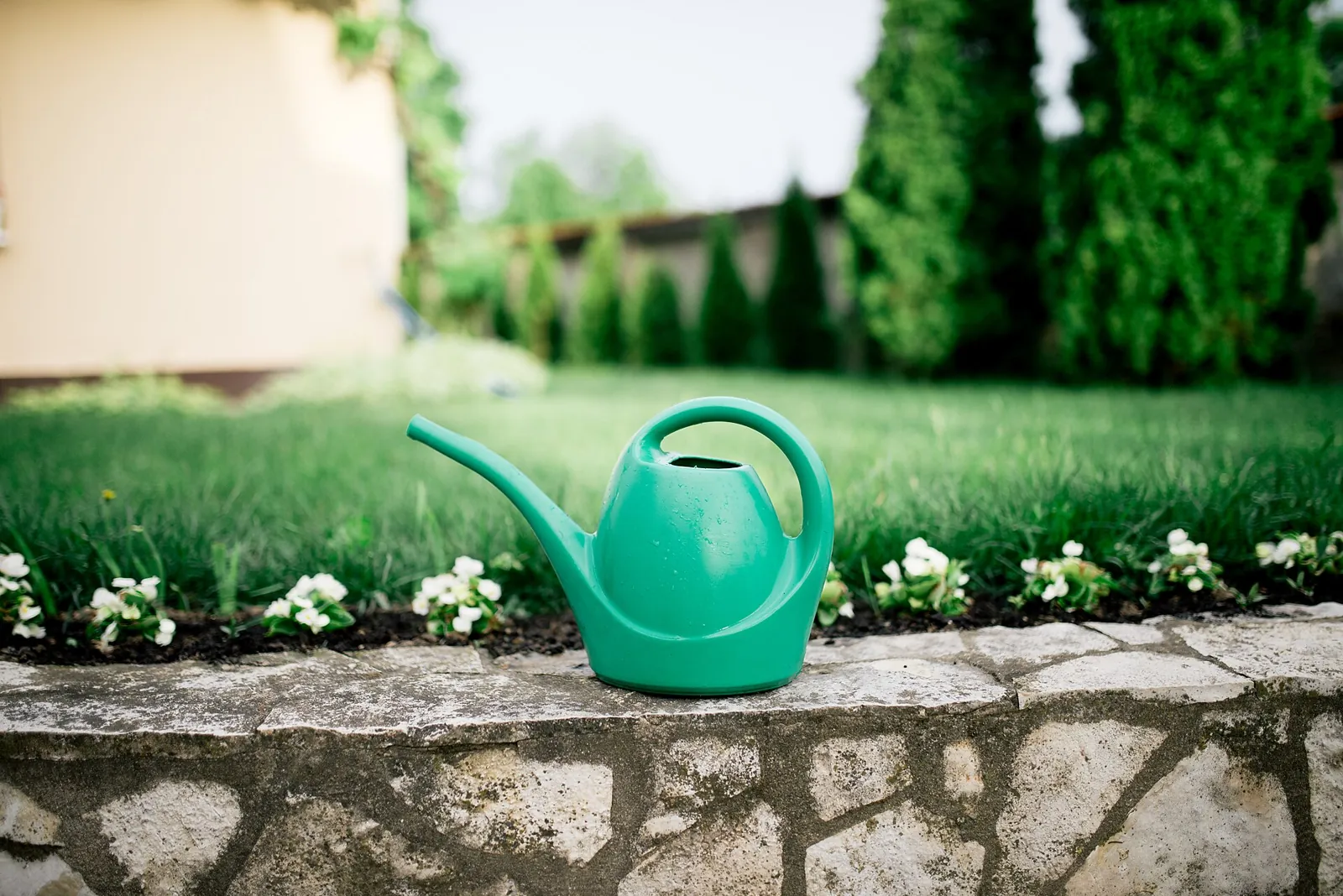
A small, light watering can
Why it works: Watering is the job toddlers love most. A can sized for a small child, with a rose spout that sprinkles rather than pours, lets them help without flooding the pots.
Skip it if: you only have indoor plants that need little water; a spray mister is easier to control.
Kid-sized gardening gloves and rain boots
Why it works: Gloves protect small hands from scratches and soil, and boots make muddy days part of the adventure. Bright colors are easy to find when left in the yard.
Skip it if: they are growing fast; buy boots a size up or choose gloves alone.
A cress or grass-head growing kit
Why it works: Cress and grass sprout within days, so even a three-year-old can see results before losing interest. A grass “head” that grows green hair is a reliable hit.
Skip it if: the child is under 3 and the kit has loose seeds; an adult should do the sowing.
Starter kits for young growers, ages 5 to 8
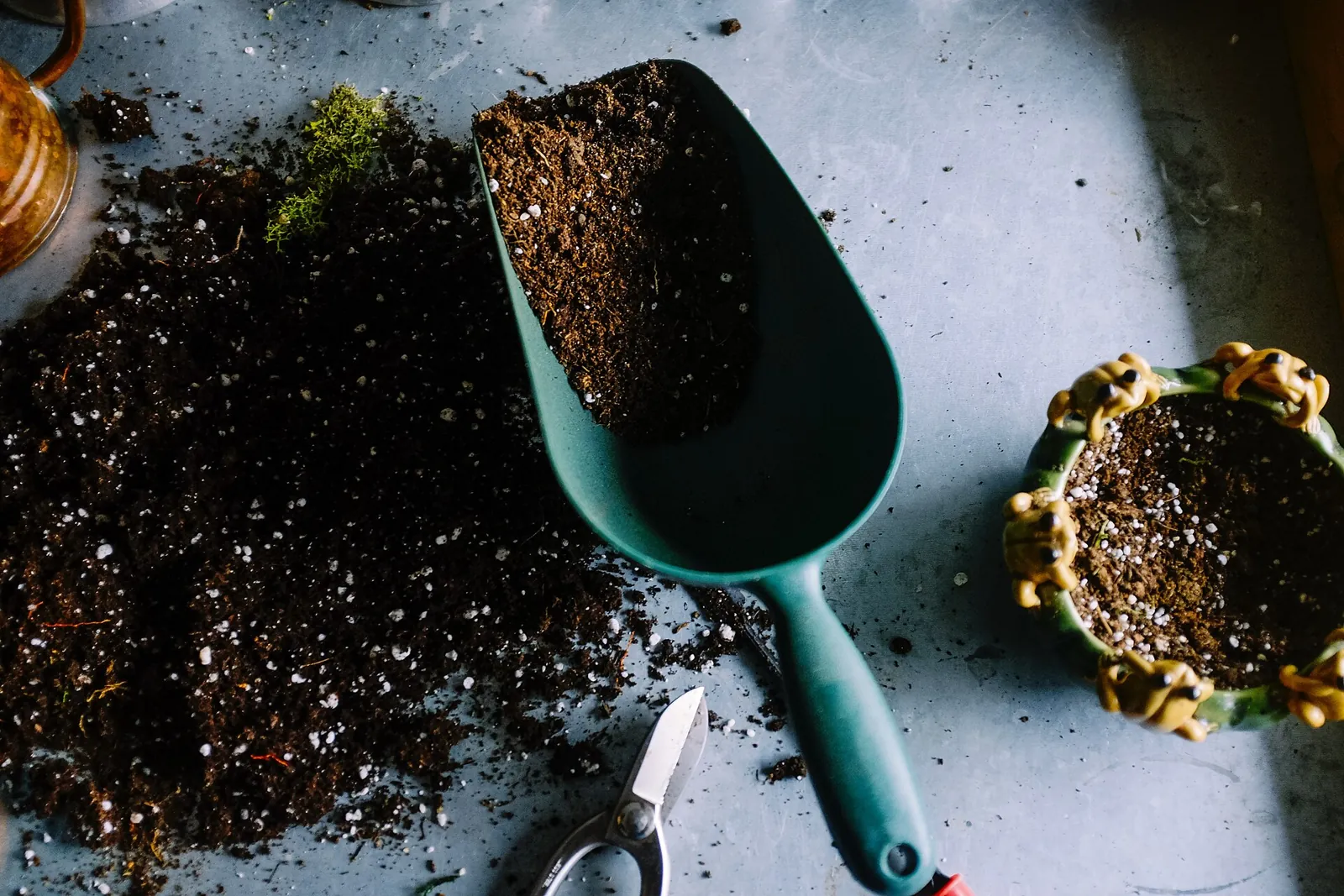
A kid-sized tool set with metal heads
Why it works: Plastic tools bend in real soil and frustrate kids. A trowel, hand fork and rake with steel heads and short wooden handles do actual work and last for years.
Skip it if: the child is still at the stage of throwing things; start with a watering can and a bucket.
A windowsill seed-starting kit with big seeds
Why it works: Large seeds such as sunflowers, beans and peas are easy for small fingers to handle and quick to sprout. A kit with pots, soil and plant labels lets kids track their own plants.
Skip it if: there is no sunny windowsill; a small grow light or an outdoor bed will be needed.
A pizza or salsa garden kit
Why it works: Growing tomatoes, basil and peppers in a container turns gardening into a cooking project at the end of summer. Kids are more willing to taste vegetables they grew.
Skip it if: you cannot give it full sun for most of the day.
A clear-sided root-view planter
Why it works: A narrow planter with a see-through side shows roots growing underground, which makes gardening feel like a science experiment. Carrots, radishes and beans work well.
Skip it if: the child prefers getting outside; a bug hotel is more active.
Fun gardening gifts for nature-loving kids
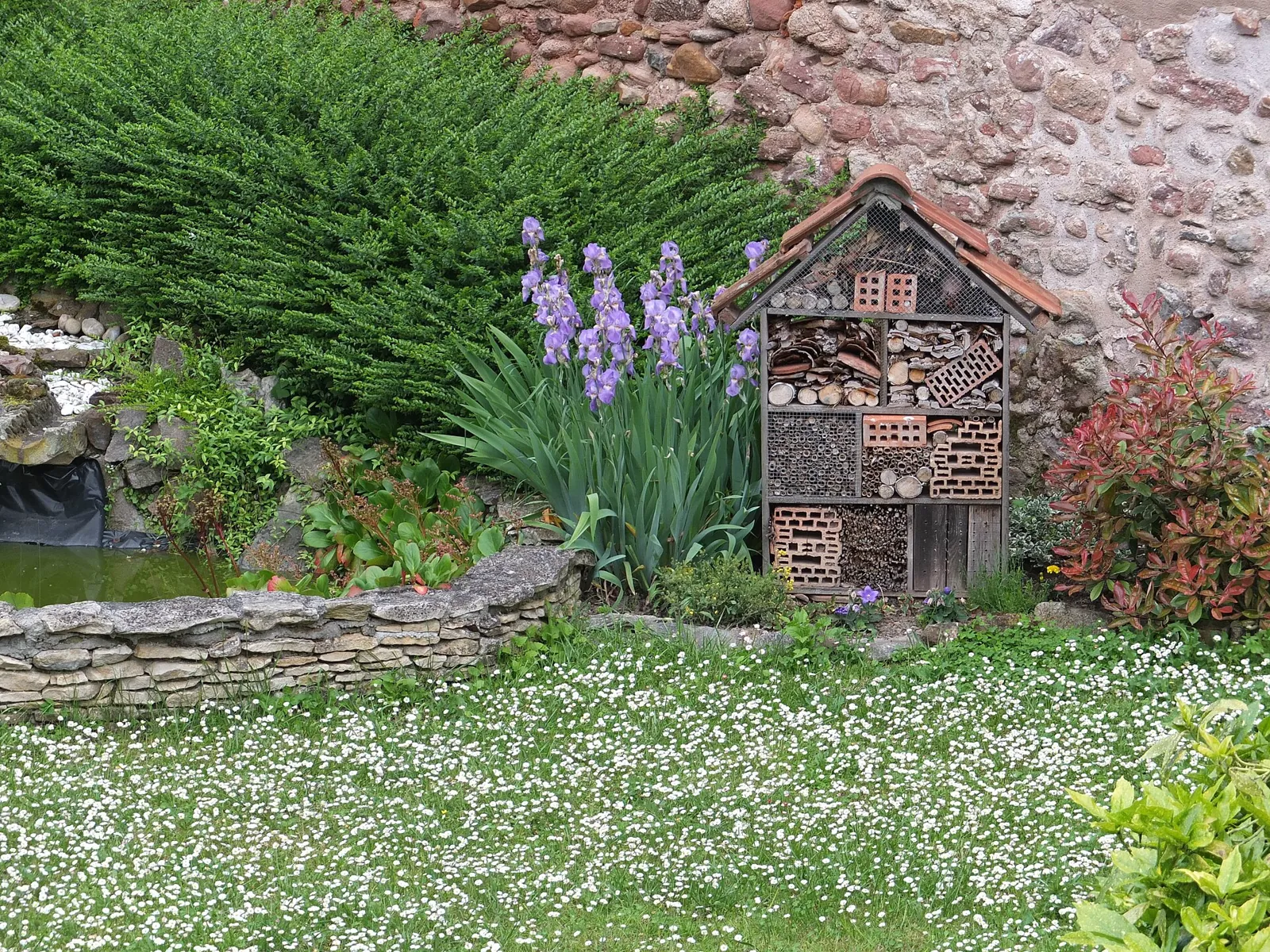
A bug hotel
Why it works: A wooden box filled with hollow stems, bark and pine cones gives solitary bees and other insects a place to shelter, and gives kids something to check on. Hang it in a sheltered spot where kids can see it.
Skip it if: you want an indoor gift; a root-view planter works on a windowsill.
A bug viewer and magnifier kit
Why it works: A magnifying box, a hand lens and a small field guide make every walk around the garden a hunt. Teach kids to look, then let insects go.
Skip it if: the child is squeamish about bugs; a flower-pressing kit is a gentler nature project.
A worm farm
Why it works: A small, clear worm bin shows how kitchen scraps turn into compost, and the worm castings feed the plants later. It is a great lesson in how a garden works.
Skip it if: nobody in the household wants to look after the worms when interest fades.
Gardening gifts for older kids, ages 9 to 12
Their own raised bed or fabric grow bag
Why it works: Older kids enjoy responsibility. A small raised bed or a large grow bag that is “theirs” to plan, plant and harvest builds real skills, especially with a simple plot plan drawn together.
Skip it if: there is no outdoor space; a large container on a balcony works too.
A garden journal and plant identification book
Why it works: Recording planting dates, sprouting times and harvests teaches patience and observation. A regional plant or insect guide makes the journal more interesting.
Skip it if: the child does not like writing; a weatherproof photo log on a family phone is an alternative.
A countertop hydroponic garden
Why it works: Herbs and lettuce grow indoors year round under built-in lights, with no soil and very little mess. Tech-minded kids enjoy tracking growth and topping up nutrients.
Skip it if: you want a low-cost gift; refill pods add to the ongoing cost.
Safety notes for gardening with kids
- Supervise. KidsGardening, a US nonprofit garden education group, recommends adequate adult supervision whenever children are in the garden, plus hats and sunscreen.
- Seeds and toddlers. US rules ban small parts in products intended for children under 3 because of the choking risk, according to the Consumer Product Safety Commission. Loose seeds are small too, so keep packets in adult hands for toddlers. Poison control specialists at UConn Health also advise storing seeds and bulbs safely.
- Gloves and hand washing. The Royal Horticultural Society advises insisting on glove wearing and good hand washing when children work with soil, keeping children with cuts away from soil, and making sure their tetanus vaccination is up to date.
- Real tools need teaching. The RHS notes that many garden tools are designed for adults and that most children need to be shown how to carry and handle them.
- Know your plants. UConn Health’s poison control center lists foxglove, lily-of-the-valley and oleander as very toxic, and the RHS notes that daffodils and laburnum seeds are poisonous if eaten. Teach children not to eat leaves, berries or flowers unless an adult says it is safe. In the US, Poison Control is at 1-800-222-1222.
How to choose gardening gifts for kids
- Match the wait to the age. Toddlers need results in days (cress, grass); older kids can wait weeks for tomatoes.
- Buy real, small tools. Metal heads and short handles beat flimsy plastic.
- Include everything needed. Pots, soil and labels mean planting can happen the same day.
- Think about space and season. A windowsill kit suits an apartment in February; a raised bed suits a backyard in spring.
For more ideas by age, browse our gifts for kids and all our gifts for gardeners.
Frequently asked questions
What is a good gardening gift for a toddler?
A small watering can, kid-sized gloves and boots, or a cress kit that an adult sows. Keep loose seeds away from children under 3.
What are the easiest seeds for kids to grow?
Large, fast seeds such as sunflowers, beans and peas are easy to handle, while cress and grass sprout within days.
What gardening gifts suit older kids?
Their own raised bed or grow bag, a garden journal with a plant guide, a worm farm or a countertop hydroponic garden give older kids real responsibility.
Are kids’ garden tools safe?
They can be with supervision. The RHS advises showing children how to carry and handle tools before they use them, and using gloves and hand washing when working with soil.
Sources
- U.S. Consumer Product Safety Commission — Small Parts for Toys and Children’s Products. www.cpsc.gov
- UConn Health Connecticut Poison Control Center — Know Your Plants. health.uconn.edu
- Royal Horticultural Society — Health and safety in the garden (School Gardening). www.rhs.org.uk
- KidsGardening — Safe Gardening Guidelines. kidsgardening.org
Image credits. Top image: Colorful watering can on stone edge near flowering plants in a sunny garden setting by Shixart1985, CC BY 2.0, via Wikimedia Commons · In-article image: Guémar insect hotel by Palauenc05, CC BY-SA 4.0, via Wikimedia Commons
Spotted something out of date or a gift that's no longer available? Tell our editors — we review every correction.