Eco-friendly gift wrapping ideas that look great
Seven ways to wrap gifts with less waste, from fabric wraps to reused paper and natural toppers, plus what to know about recycling wrapping paper.
Quick answer
The greenest gift wrap is one that gets used again: a fabric wrap, a reusable bag or box, or paper you already have, such as maps, sheet music, newspaper or kraft paper from deliveries. If you do buy paper, choose plain, uncoated paper without glitter or foil, which many recycling programs reject, and tie it with cotton string or paper ribbon instead of plastic tape and bows.
- Time 5 – 15 minutes per gift
- Difficulty Easy
- Cost Free to about $20, mostly using what you have
- Makes Low-waste wrapping for boxes, bottles and soft gifts
What you'll need
- Reusable wraps: square scarves, tea towels, fabric offcuts or furoshiki cloths
- Paper you already have: kraft paper from parcels, brown paper bags, old maps, sheet music, comics, newspaper, children's artwork
- Containers: jars, tins, shoeboxes, baskets or a tote bag that becomes part of the gift
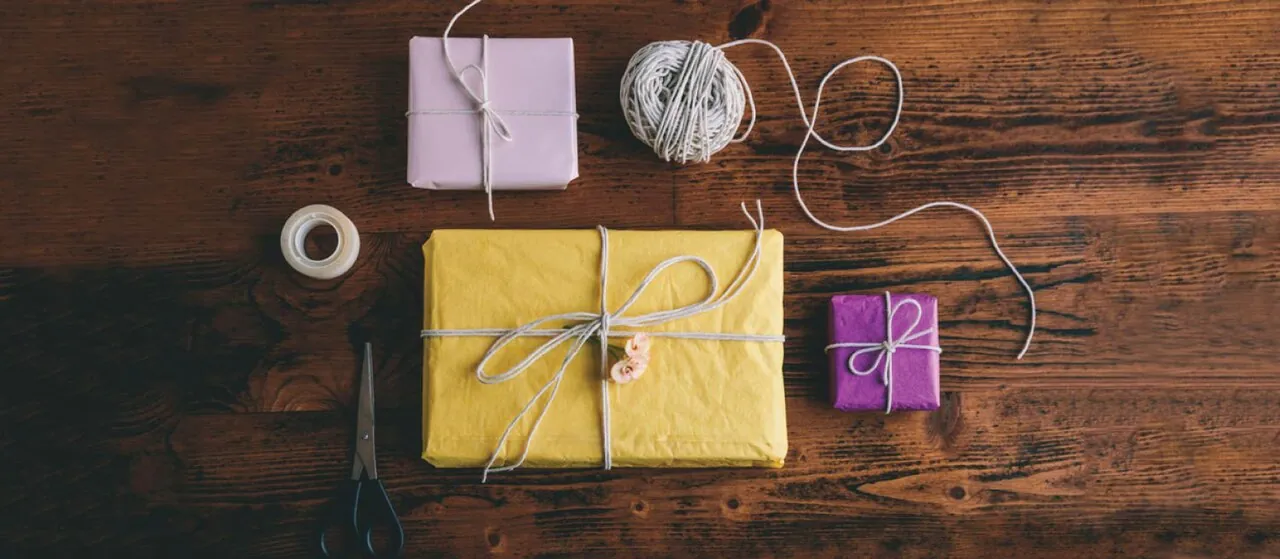
- Ties: cotton or jute twine, paper ribbon, fabric strips, leftover yarn
- Natural decorations: dried orange slices, cinnamon sticks, pine sprigs, eucalyptus, pressed leaves
- Paper tape or washi tape (check the label; many washi tapes are paper-based), or no tape at all
- Scissors and a pencil; a rubber stamp and ink for simple patterns
Seven low-waste ways to wrap a gift
Wrap it in fabric
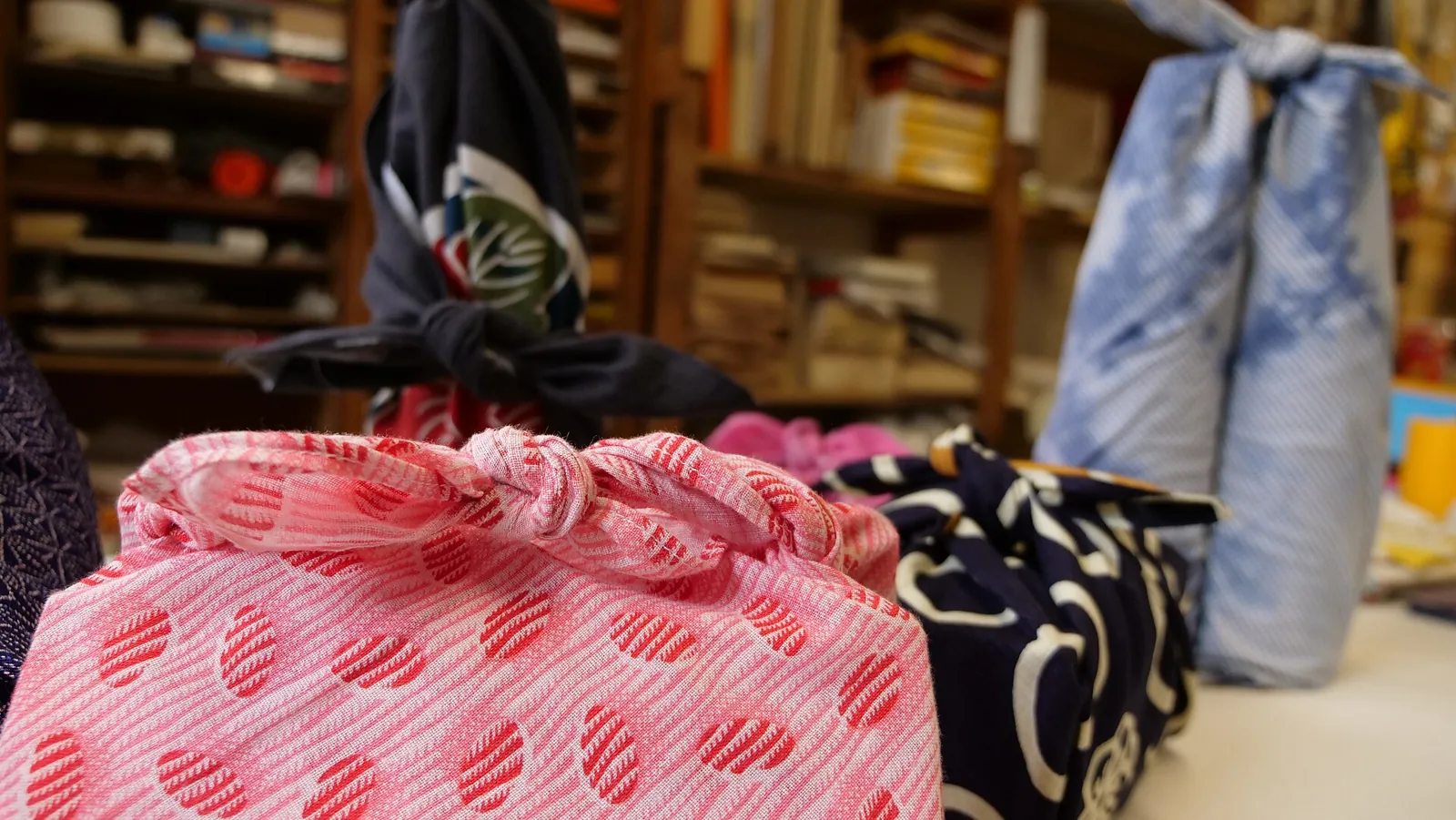
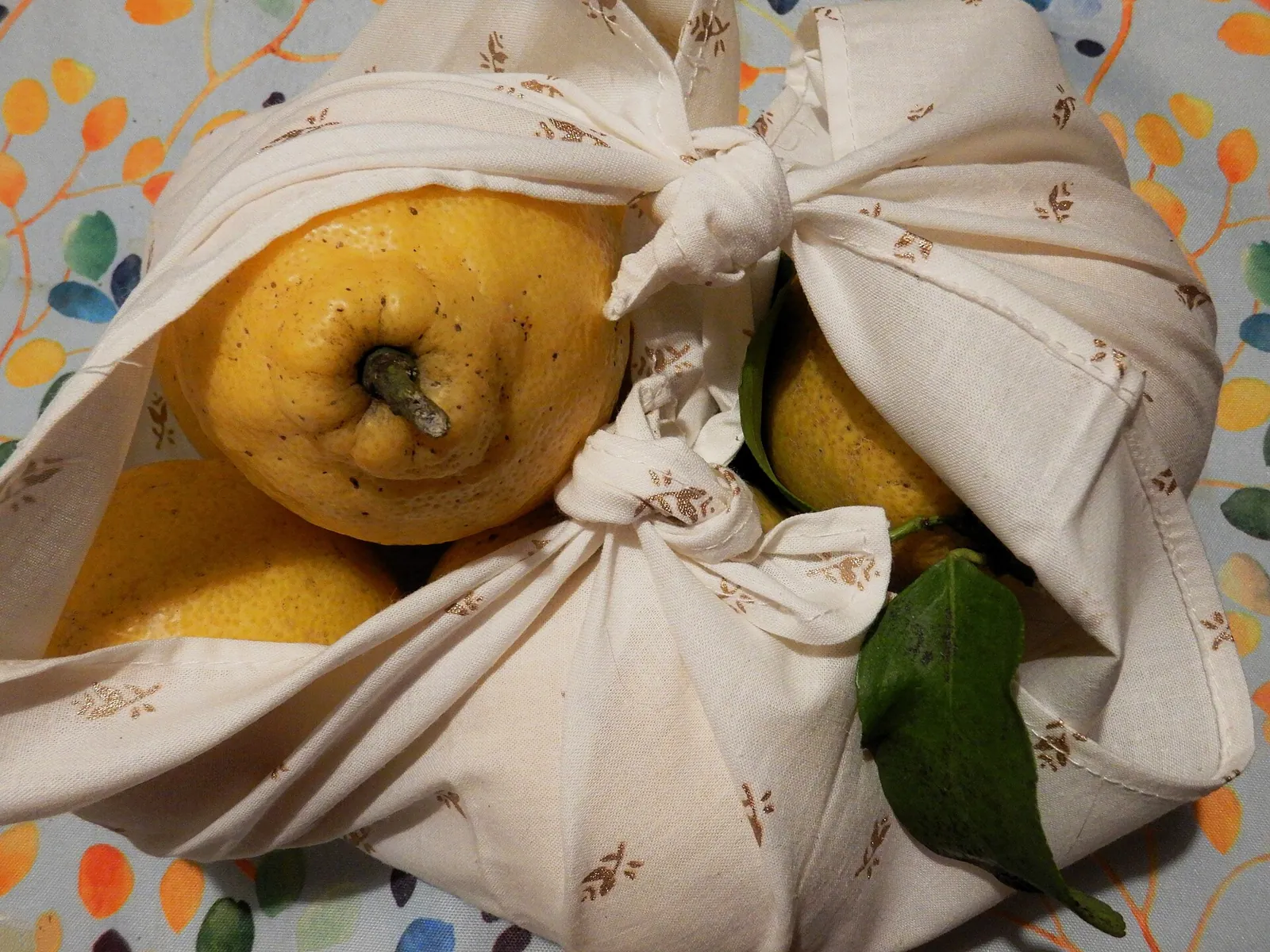
A square of cloth wraps almost anything and can be tied without tape. The basic method is simple: place the gift diagonally in the center, fold two opposite corners over it and knot the other two on top. Our furoshiki guide shows the knots for boxes, bottles and round items. A tea towel or scarf becomes a second gift.
Reuse kraft and brown paper
The packing paper that arrives in deliveries smooths out well with a cool iron or by rolling it around a tube for a day. Brown kraft paper looks good with twine and greenery, and plain paper is accepted by many curbside recycling programs.
Use paper with a story
Old maps (perhaps of a place that matters to the recipient), sheet music, comics, or a child's painting make wrapping that feels personal. Newspaper works too; the financial pages or a crossword page look graphic and deliberate.
Make the container part of the gift
Put food gifts in a jar or tin, bath gifts in a basket, and kitchen tools in a tea towel or mixing bowl. A tote bag, a lunch bag or a storage box means the recipient has nothing to throw away.
Stamp your own paper
Plain brown paper bags or kraft paper become patterned wrap with a simple stamp. Carve a shape from a potato or use a cork, dab it in ink or paint, and repeat it across the paper. Let it dry fully before wrapping.
Choose natural ties and toppers
Replace plastic ribbon and bows with twine, fabric strips or paper ribbon, and decorate with a sprig of rosemary, a cinnamon stick or a dried orange slice. They look beautiful and can be composted or reused.
Skip the tape
Folding paper carefully and tying it with string often holds well enough on its own. See how to wrap gifts without tape for pleated and tied methods.
Tip: Keep a "wrapping drawer" for ribbons, tissue, gift bags and boxes you receive. Smoothing and folding them as you unwrap means you rarely need to buy new wrapping at all.
Is wrapping paper recyclable?
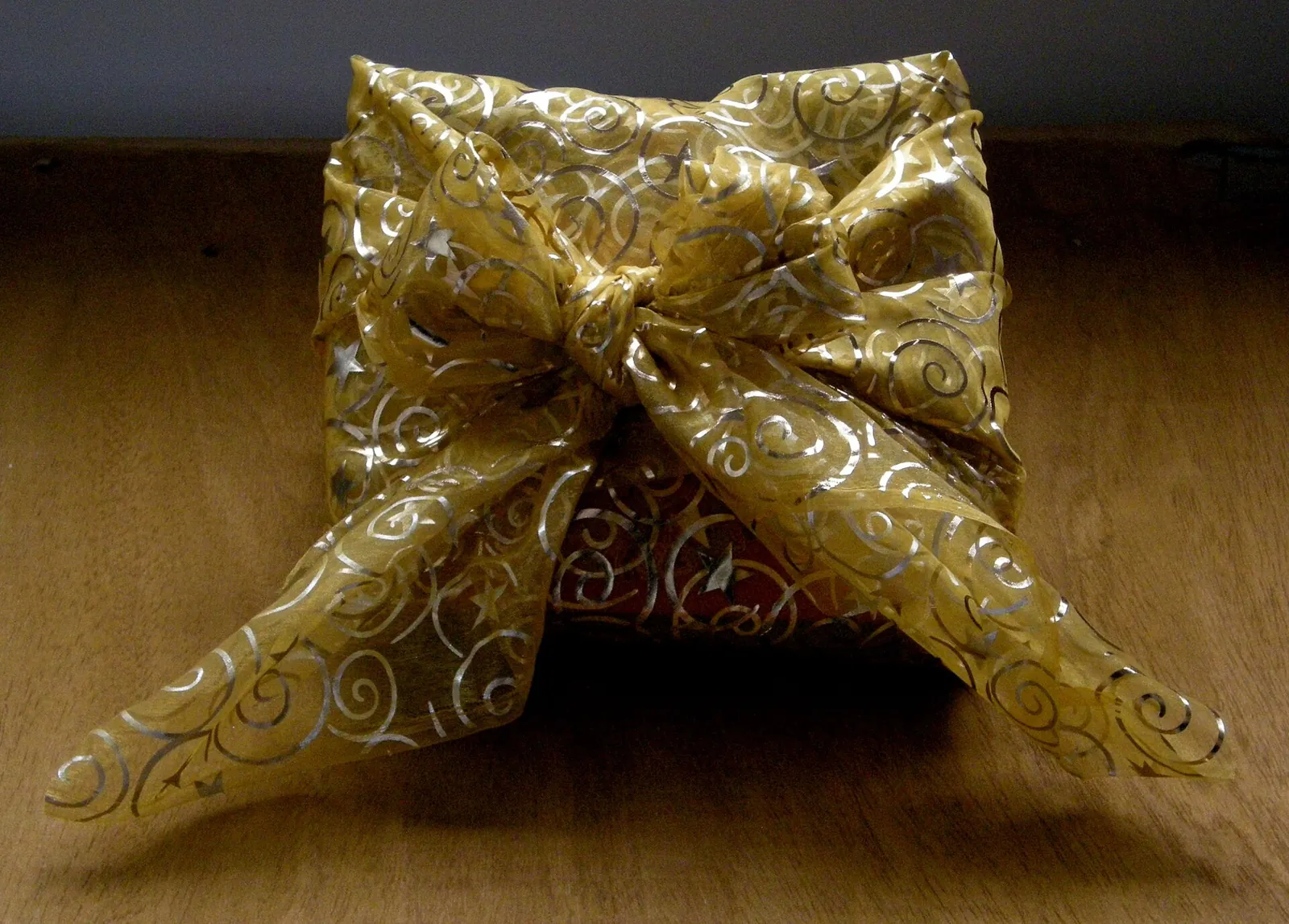
It depends on the paper and on where you live. Plain paper wrapping is often recyclable, but foil, metallic and glitter papers usually aren't. West Sussex County Council in the UK, for example, says glitter-covered cards and paper can't be recycled, and that foil or metallic paper "that has a plastic feel" can't be either. Many councils recommend the "scrunch test": scrunch the paper in your hand, and if it stays scrunched it can usually be recycled; if it springs back, it likely contains plastic. Before recycling, remove ribbons, bows and excess tape.
Rules differ between cities, states and countries, and some programs don't accept wrapping paper at all, so check your local recycling guidelines.
What to avoid
- Glitter paper, glitter cards and confetti, which contain tiny plastic particles and are hard to clean up.
- Foil and laminated papers, which are hard to recycle.
- Plastic ribbons and stick-on bows, unless you plan to reuse them many times.
- Using fresh greenery or berries on gifts for homes with small children or pets without checking that the plant is safe.
Safety notes
- Use a craft knife or sharp scissors away from your body, and supervise children who help with cutting.
- If you make dried orange slices in the oven, use low heat, watch them closely and let them cool completely before handling.
- Let paint and ink stamps dry fully before wrapping so they don't transfer onto the gift.
- Some decorative plants, such as holly and mistletoe berries, can be harmful if eaten, so keep them off gifts for homes with small children or pets.
Making it look intentional
Low-waste wrapping looks best when it's consistent. Pick a simple palette (brown paper, white string and greenery, for example) and use it for every gift; the result reads as a style, not a compromise. A handwritten tag cut from an old greeting card finishes it. For more green ideas, see our eco-friendly gifts section and the step-by-step guide to wrapping a box neatly, or browse more gift wrapping tutorials.
Frequently asked questions
What is the most eco-friendly way to wrap a gift?
Using something that will be reused, such as a fabric wrap, a gift bag you already have, or a container that's part of the gift.
Can wrapping paper go in the recycling bin?
Often plain paper can, but foil, metallic and glitter papers usually can't. Try the scrunch test and check your local program's rules.
Is brown kraft paper eco-friendly?
Plain kraft paper without plastic coating is generally easy to recycle, and reused kraft paper from deliveries is even better.
What can I use instead of tape?
Tie the paper with twine or ribbon, fold it into a pleated wrap that holds itself, or use fabric that knots closed.
Sources
- West Sussex County Council — Greeting cards and wrapping: put in your general waste bin. westsussex.gov.uk
- Ministry of the Environment, Government of Japan — How to Wrap with Furoshiki (illustrated chart). env.go.jp
Image credits. Top image: Limoni in regalo by Albarubescens, CC BY-SA 4.0, via Wikimedia Commons
Spotted something out of date or a gift that's no longer available? Tell our editors — we review every correction.