How to wrap odd-shaped gifts neatly
Simple methods for wrapping cylinders, spheres, soft gifts, bottles, long items and very large presents, plus when to box it first.
Quick answer
For odd-shaped gifts, don't fight the shape. Put small or awkward items in a box or a bag first; wrap cylinders by rolling them in paper and pleating the ends; gather soft items in tissue or fabric like a candy wrapper or a pouch; and use a fabric wrap or a bottle bag for bottles. Tissue paper, cellophane and cloth bend around curves far better than stiff wrapping paper.
- Time 5 – 15 minutes per gift
- Difficulty Easy to moderate
- Cost Usually under $10, using paper, tissue, fabric or a bag
- Makes Neat wrapping for round, soft, long or lumpy gifts
What you'll need
- Wrapping paper and tissue paper
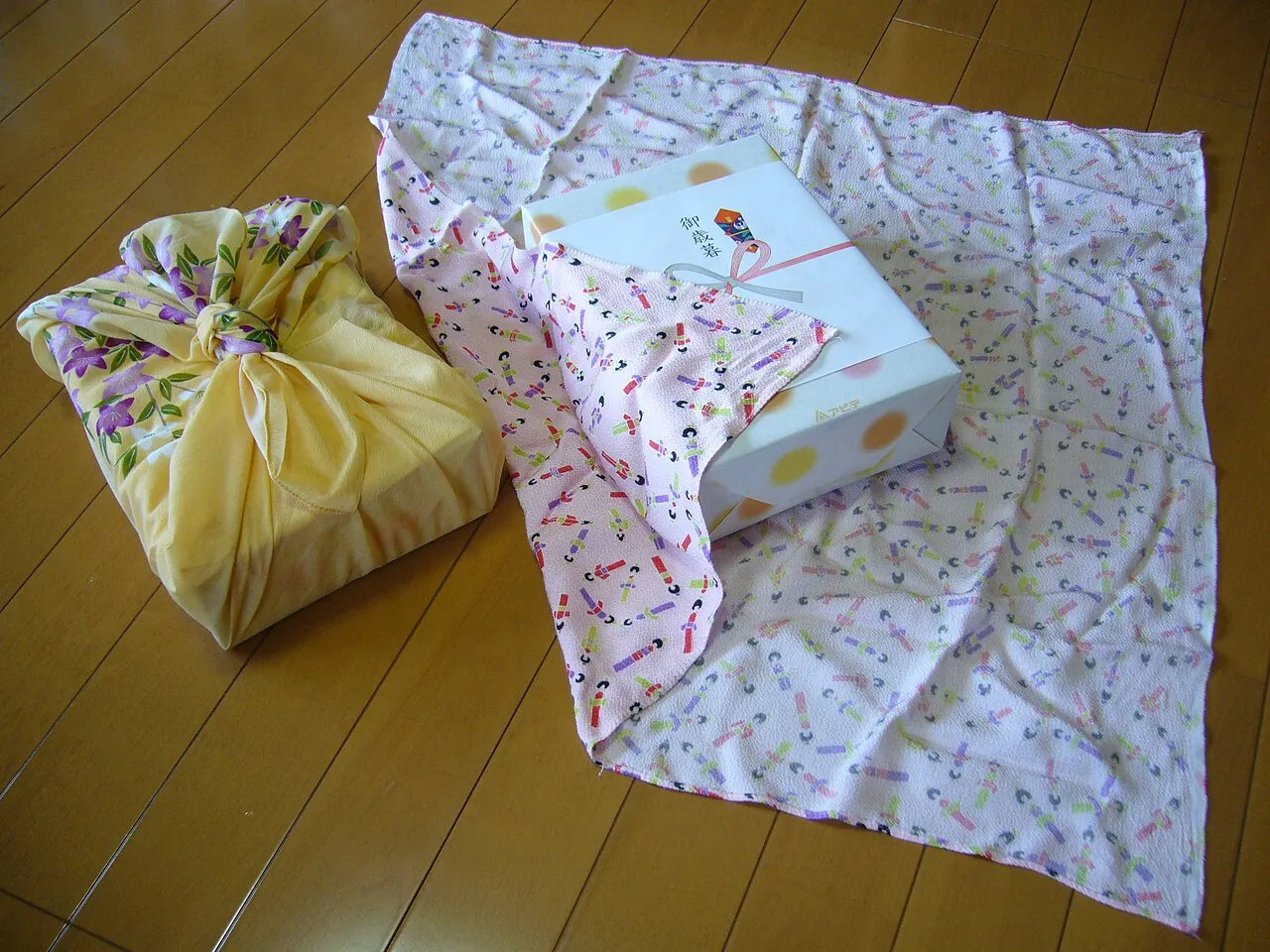
- A square of fabric (a scarf, tea towel or furoshiki cloth) for bottles and round items
- Cellophane and ribbon for baskets and plants
- Spare boxes, cardboard tubes, paper bags or gift bags
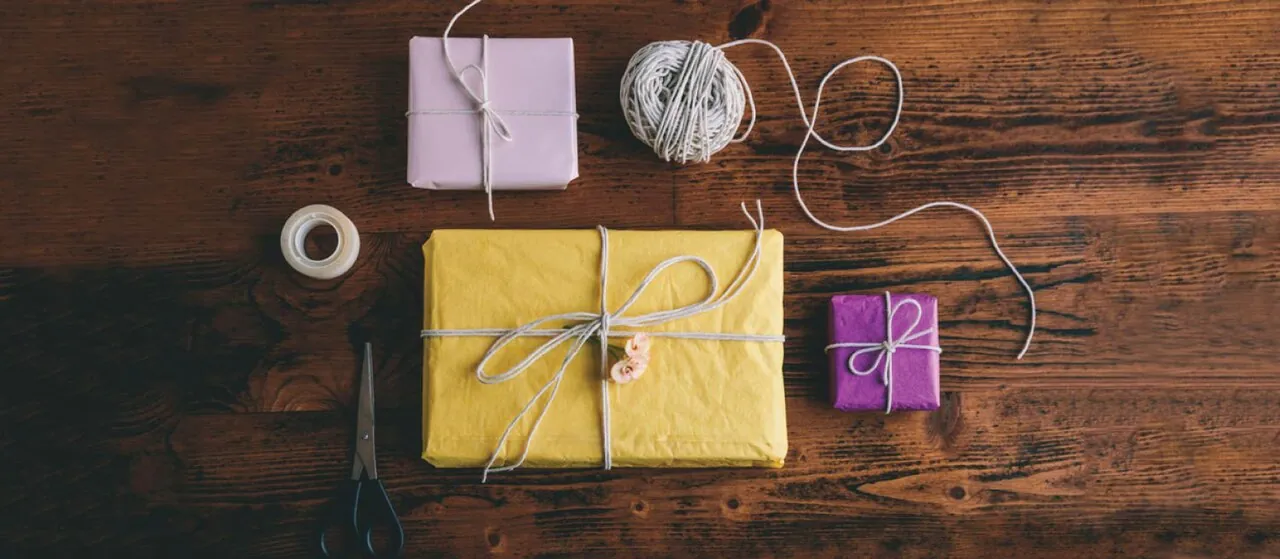
- Scissors, clear tape and double-sided tape
- Twine, ribbon or elastic bands, and gift tags
Wrapping methods by shape
Cylinders (candles, tins, rolled posters)
Cut paper long enough to roll around the cylinder with a 1-inch overlap, and long enough to extend past each end by a little more than half the diameter. Roll the gift and tape the seam. At each end, press the paper down against the end of the cylinder in small overlapping pleats, working all the way around, then secure the center with a round sticker or a small piece of tape. For tall cylinders, you can instead gather the paper at both ends and tie it with ribbon like a candy wrapper.
Spheres and round objects (balls, ornaments)
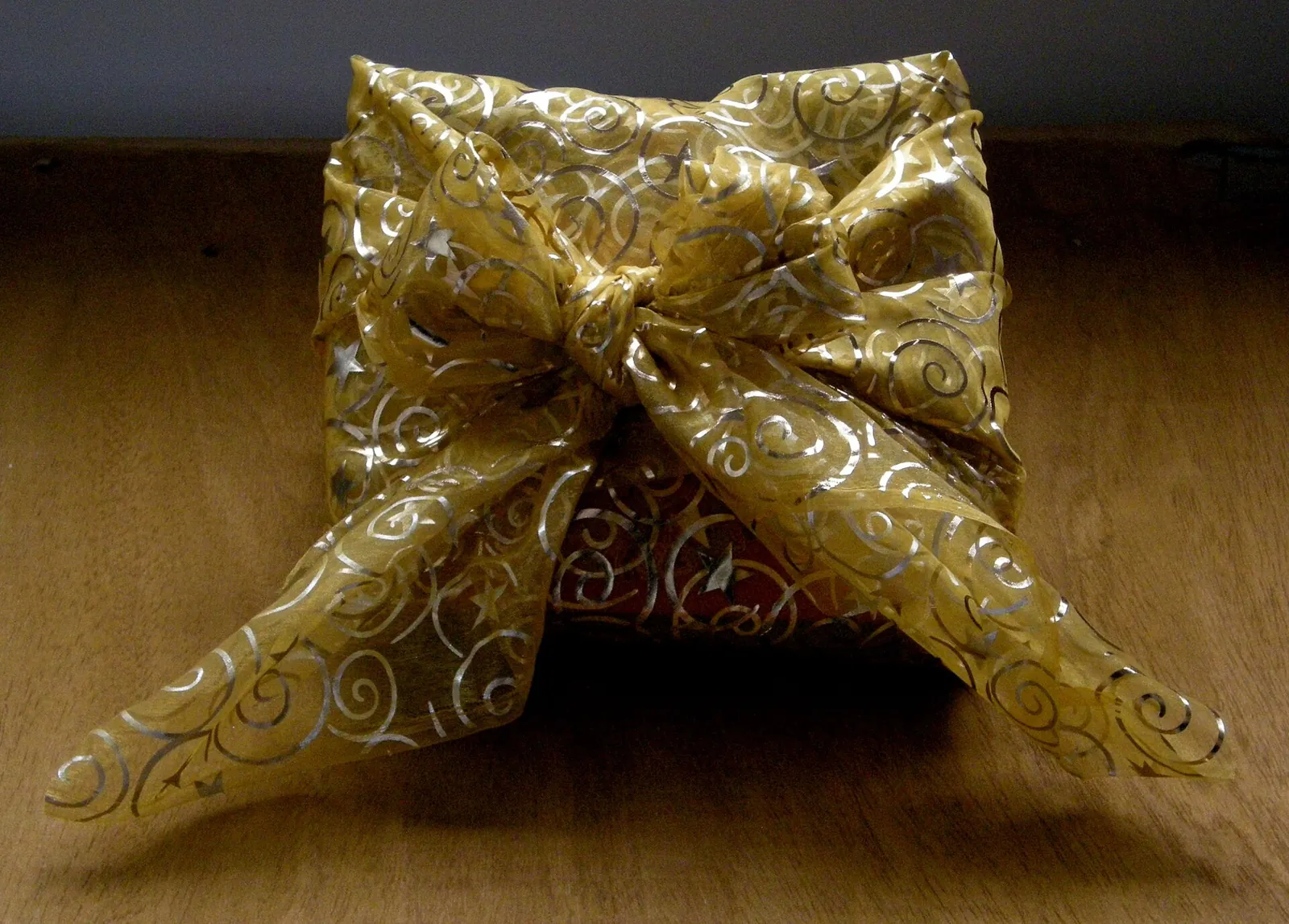
Place the item in the center of a large square of tissue or fabric. Bring all the edges up together over the top, gather them in your hand, and tie firmly with ribbon. Fluff out the top for a pom-pom effect. Stiff wrapping paper rarely sits smoothly on a sphere, so tissue or cloth gives a much neater result.
Soft items (sweaters, plush toys, scarves)
Fold clothing neatly around a piece of card so it holds its shape, then wrap it like a box. For plush or lumpy items, make a paper pouch: fold a sheet of wrapping paper in half, tape two sides closed to form a bag, slide the item in, and fold the top over twice before securing with tape or a sticker.
Bottles
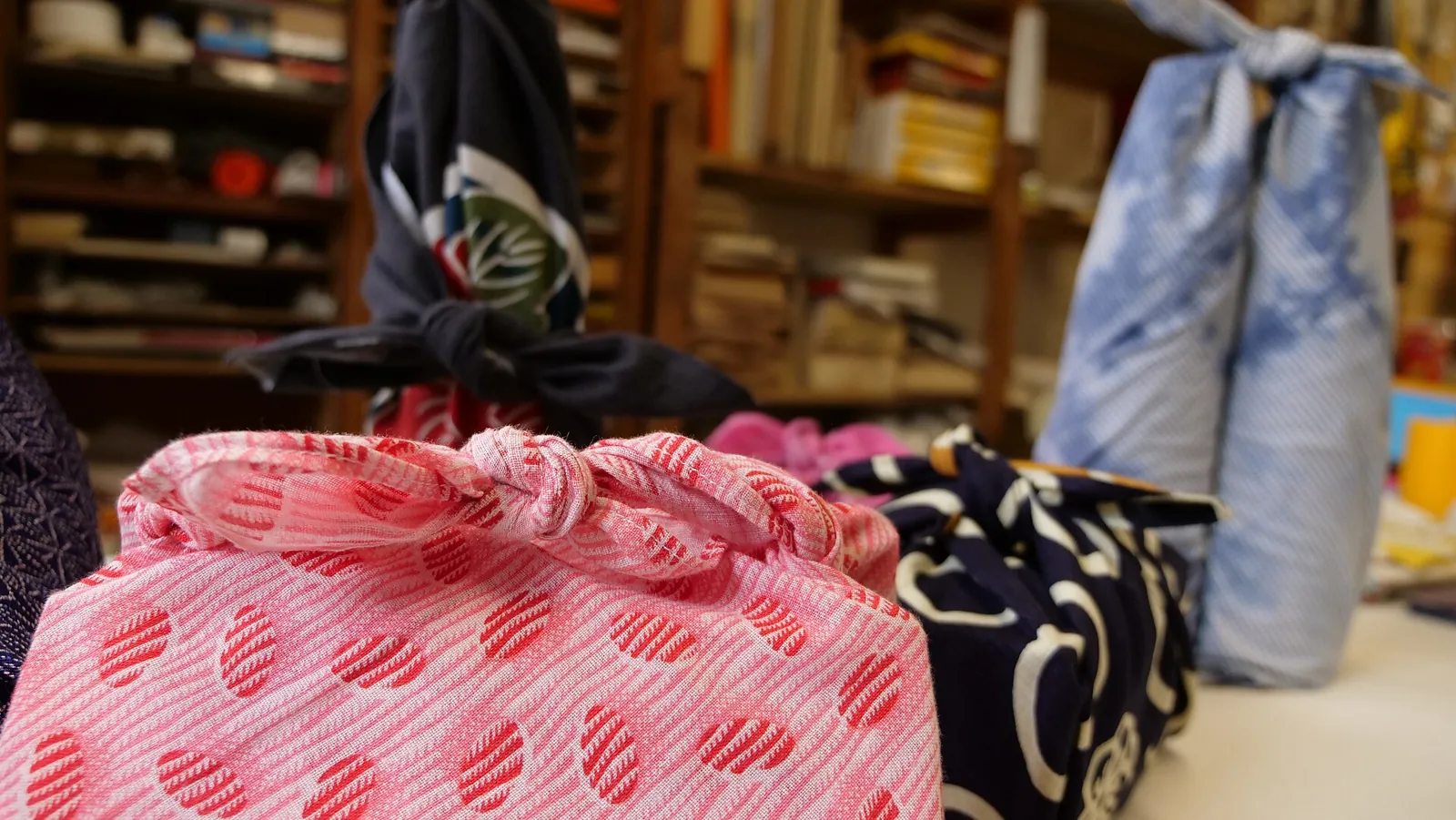
Use a fabric wrap: place the bottle in the middle of a square cloth, tie two opposite corners in a knot above the cap, then wrap the other two corners around the neck and tie them at the front. The Japanese Ministry of the Environment's furoshiki chart shows this as bin tsutsumi (bottle wrap). Alternatively, roll the bottle in paper like a cylinder, gather the top at the neck and tie it with ribbon.
Long, thin items (umbrellas, tools, rackets)
Wrap only the shape that needs disguising. Roll paper around the item and secure it with a spiral of tape, or use a long strip of paper wound diagonally around it like a candy cane. For rackets or bats, wrap the head in tissue and the handle in a paper tube.
Really awkward shapes (bikes, large toys, furniture)
Don't try to cover every inch. Throw a large sheet, blanket or fabric over the gift and tie a giant bow, or cover just a key part (handlebars or a seat) and add a tag. A "treasure hunt" card that leads to the hidden gift is another fun option.
Plants and baskets
Set the plant pot on a large square of cellophane or kraft paper, gather the sides up around the pot and tie them at the top of the pot with ribbon, leaving the plant itself free to breathe. For baskets, use a cellophane bag gathered above the handle.
Tip: Saving sturdy boxes, cardboard tubes and paper shopping bags throughout the year makes odd-shaped gifts far easier: if you can box it, you can wrap it neatly.
The "box it first" approach
Many odd shapes become simple when they go into a box first. A small kitchen gadget, a set of jars or a mug becomes a neat rectangle, and you can then follow our step-by-step guide to wrapping a box. Fill empty space with tissue so the item doesn't rattle, which also hides what's inside.
Disguising what's inside
Some gifts give themselves away by shape: a guitar, a bottle, a book. If the surprise matters, place the gift inside a larger box with crumpled paper, or wrap a small gift in a box much bigger than needed. A tennis racket or a guitar is hard to disguise, so many people embrace the shape and decorate it with a big bow instead.
Safety notes
- Keep plastic bags and cellophane away from babies and young children, and remove packaging before giving toys to toddlers.
- Pad glass and ceramics with tissue or cloth before wrapping.
- Avoid sealing live plants in cellophane for long periods, especially in warm rooms or sun.
- Cut away from yourself and keep sharp tools out of reach of children.
Reusable options
Fabric is the easiest material for awkward shapes, and it can be used again. Our guide to furoshiki gift wrapping shows several cloth wraps, and wrapping without tape covers more methods that don't need adhesive. See more in our gift wrapping section.
Frequently asked questions
How do you wrap a round gift?
Use tissue paper or fabric. Place the item in the center, gather the edges over the top and tie them with ribbon. Stiff paper wrinkles on curves.
How do you wrap a bottle without a bag?
Roll it in paper like a cylinder and gather the top at the neck with ribbon, or tie it in a square of fabric using a bottle wrap.
What is the easiest way to wrap clothes?
Fold them around a piece of card or put them in a shirt box, then wrap the box. Tissue paper inside keeps them neat.
How do you wrap a bike or other huge gift?
Cover it with a sheet or blanket and a large bow, or wrap only part of it. Few people expect full coverage on very large gifts.
Sources
- Ministry of the Environment, Government of Japan — How to Wrap with Furoshiki (illustrated chart). env.go.jp
Image credits. Top image: Furoshiki, traditional japanese wrapping technique with cloths (3) by Culture Japon, CC BY-SA 4.0, via Wikimedia Commons
Spotted something out of date or a gift that's no longer available? Tell our editors — we review every correction.