Gift Etiquette in Turkmenistan: Bread, Flowers and Wedding Gifts
In Turkmen tradition a guest is highly honored, and the classic gift is something made from wheat. Here is what to bring, how to treat bread and how gifts work at weddings.
We independently research every pick. If you buy through our links we may earn a small commission, at no extra cost to you. Affiliate disclosure.
Quick answer
Guests are highly honored in Turkmen homes, and turning one away is considered shameful. The traditional visitor's gift is bread, cake or another food made from wheat, which represents the staff of life; in cities, flowers are also common, always in an odd number because even numbers are for funerals. Take off your shoes, enter with your right foot, accept the green tea you are offered, and treat bread with great care: break it with both hands and never turn it upside down. Most Turkmens are Muslim, so avoid pork and do not assume alcohol is welcome.
- Classic host gift Bread, cake or pastries ($10 – $35)
- Flowers Odd numbers only
- Bread Break with both hands; never upside down
- Main occasions Weddings, Nowruz, Islamic holidays
What to give
An essential part of Turkmen social behavior is edep: politeness, modesty, hospitality, and respect toward elders and guests. Visiting friends and relatives is a favorite pastime, and visits often involve a large meal and can last for hours. Within that tradition, a few gift customs are well documented.
For a host
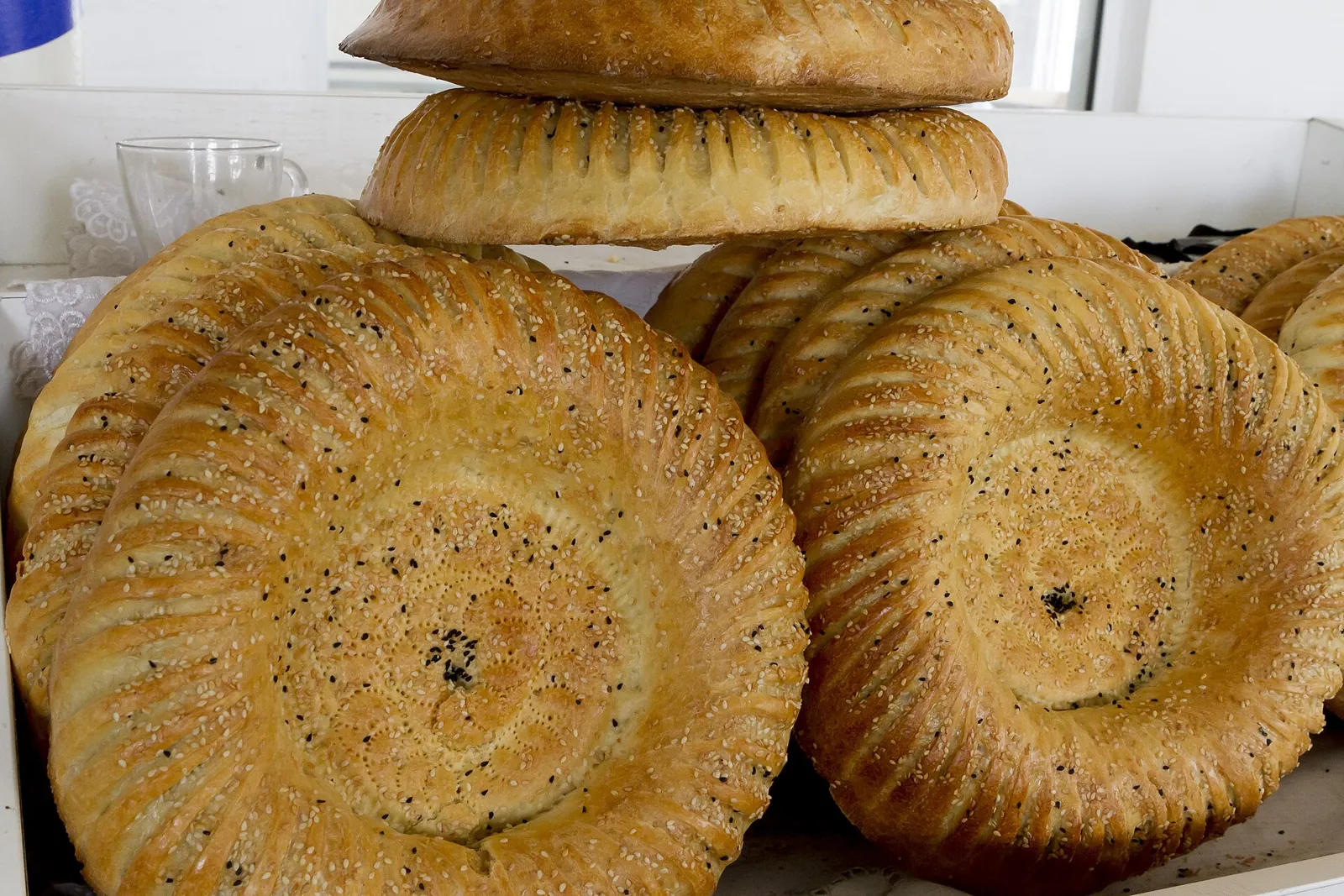
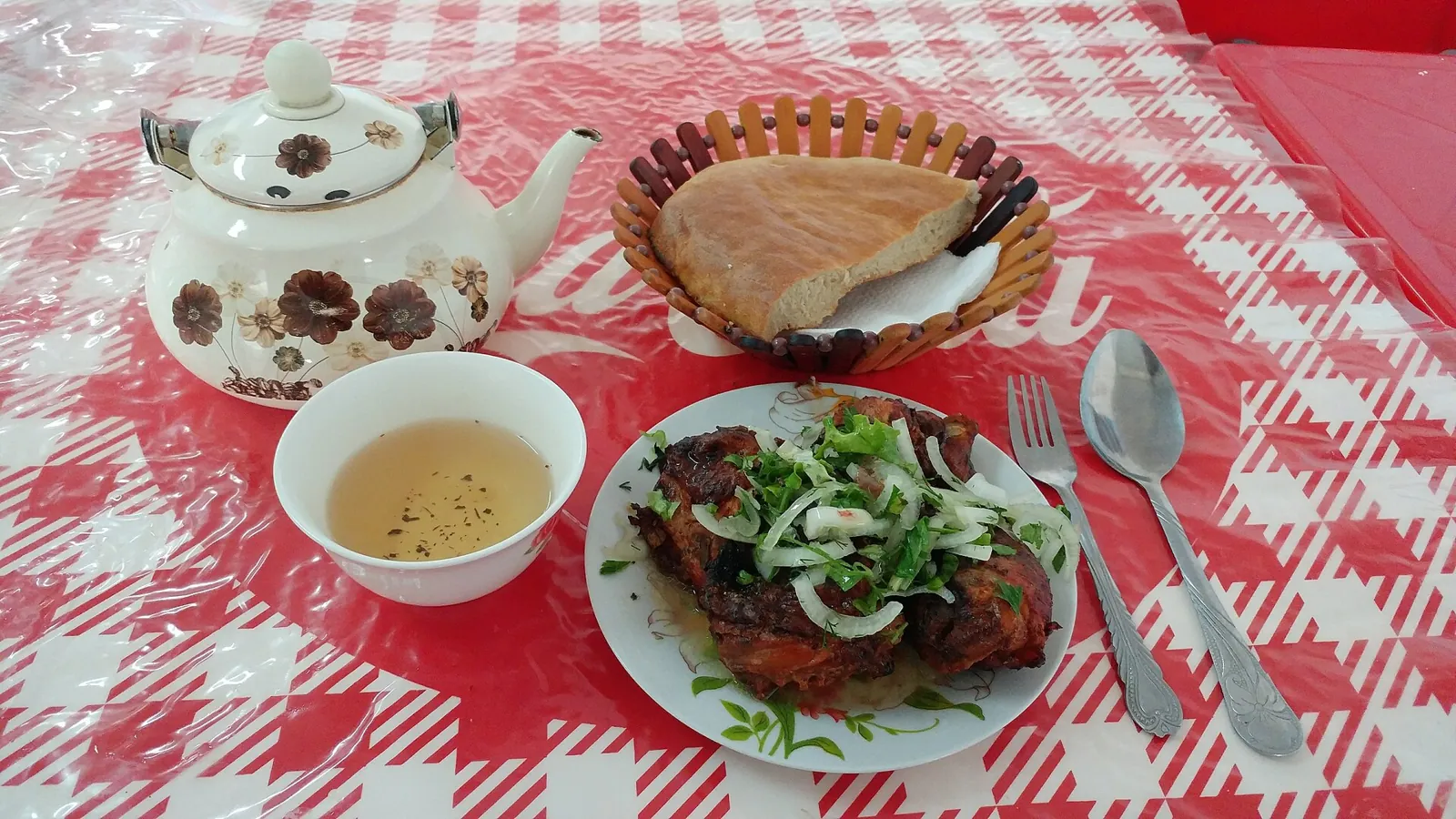
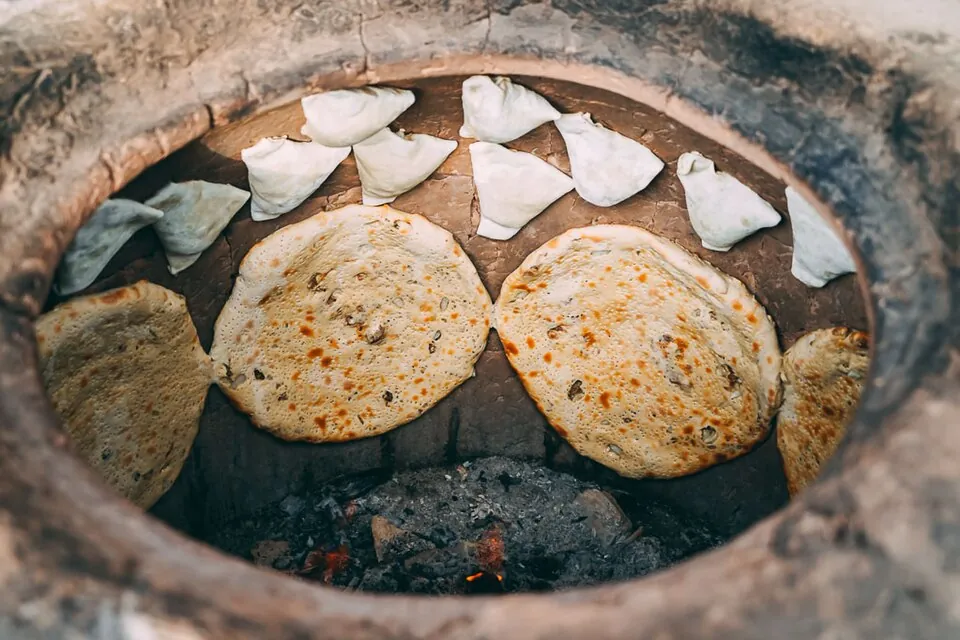
The traditional host gift is something made from wheat, such as bread or a cake. Chorek, the round flatbread baked in a clay oven (tamdyr), accompanies every meal and is honored as the source of life. Guests and family sit on the floor around a sachak, a cloth laid with fruit, nuts, sweets, bread and drinks before the main meal, and hot green tea is offered to every guest. A good cake or a box of pastries from a bakery fits this custom well. In cities, a bouquet of flowers is also a common gift.
For friends, in-laws and coworkers
Turkmen families are large and close, elders often live with their adult children, and the father is usually the head of the household. For in-laws and older relatives, choose a gift for the whole household and offer it to the eldest person present. For coworkers, a box of sweets to share is a safe and friendly gesture.
A cake, pastries or good bread
Why it works: A gift made from wheat is the traditional visitor's gift and symbolizes the staff of life.
Skip it if: anything contains pork-derived gelatin or lard.
Flowers in an odd number
Why it works: Flowers are a common gift in cities, and an odd-numbered bouquet is the correct choice.
Skip it if: you cannot control the count; an even number is associated with funerals.
A small item from your home country
Why it works: A craft, book of photographs or regional food specialty gives your hosts a story to share.
Skip it if: it shows alcohol or is obviously costly.
For more ideas, see our food gifts.
What to avoid
- Mistreating bread. Chorek is never torn with one hand or cut with a knife; it is broken with two hands and every piece is eaten. Turning a loaf upside down is considered highly impolite.
- Stepping on bread, salt or the food cloth. Bread and salt are treated as sacred, and stepping on the sachak is considered a sin.
- Even numbers of flowers. Even-numbered bouquets are taken to funerals.
- Pork products. Most Turkmens are Muslim and do not eat pork.
- Assuming alcohol is welcome. Some Turkmens drink vodka, but it contradicts Islamic tradition; give alcohol only if you know the person drinks.
- Politics. People are wary of discussing politics, so keep conversation to family, food and travel.
- Shaking water from your hands. Water is highly valued; rub your hands dry or wait for a towel after washing.
How to give and receive
- Enter with your right foot. Tradition holds that an enemy enters with the left foot.
- Leave your shoes at the door. Turkmens walk in socks or barefoot over their carpets.
- Greet elders first. Children and younger people are expected to initiate greetings with elders. Men press right hands, and women generally do not shake hands with men.
- Use your right hand. Turkmens hold utensils in the right hand in keeping with Islamic tradition, so use it at the table and when handing over a gift.
- Accept tea and food. In rural areas a host may slaughter a sheep or goat for a guest, and being offered the head is the highest honor.
- Expect personal questions. Hosts may ask about your age, marriage, children and salary; this is friendly interest.
Holidays and occasions
Weddings
Most marriages are still arranged, and weddings involve great festivity and expense. The groom's family negotiates a bride price (galyn) of money and goods, which today often goes to the couple, and the bride brings household goods and clothes. A large celebration (toy) follows the religious and civil ceremonies, and men and women generally do not dance together. A traditional custom has women guests bring gifts and sweets wrapped in large kerchiefs, which are returned filled with presents of equal value. Ask the family or a mutual friend what is expected today.
Family milestones
Celebrations (also called toy) mark a child's first haircut, traditionally done by an uncle from the mother's side, and even a baby's first tooth. Boys are circumcised, usually between ages three and seven. Because the Prophet Muhammad reached age 63, a 63rd birthday is often celebrated, traditionally with the slaughter of a white sheep. After a death, large gatherings are held on the third, seventh and fortieth days.
Nowruz
Nowruz, the spring New Year celebrated on March 21, marks the start of spring and the planting season. Girls traditionally greet guests with pishme, small fried dough pieces, and dried fruit. A cake or sweets for the household make a good gift.
Islamic holidays
Oraz Bayramy at the end of Ramadan and Gurban Bayramy, which commemorates Abraham's willingness to sacrifice his son, follow the lunar calendar and change every year. They are marked with family gatherings and feasts.
Business gifting
The U.S. Commercial Service describes doing business in Turkmenistan as requiring patience, persistence and personal contacts, with follow-up visits critical. Treat business contacts with the same formality and respect for seniority that shapes social life, accept tea, and expect relationship-building before decisions. A modest gift from your home country is a safe gesture. Avoid anything lavish, check your counterpart's gift policy, and follow anti-bribery laws, which apply in Turkmenistan as elsewhere. Readers planning to travel should follow their government's travel advice. Our business gifts guide has general tips.
Frequently asked questions
What should I bring to a Turkmen home?
Traditionally, bread, cake or another food made from wheat. In cities, an odd number of flowers is also common.
Why is bread so important in Turkmenistan?
Chorek is honored as the source of life. Break it with both hands, never cut it with a knife, never turn it upside down and never step on it.
How many flowers should I give in Turkmenistan?
Always an odd number. Even numbers of flowers are offered at funerals.
What gifts are given at Turkmen weddings?
Traditionally, women bring gifts and sweets wrapped in kerchiefs and leave with the kerchiefs filled with presents of equal value. Ask the family what is expected today.
Is alcohol a good gift in Turkmenistan?
Only if you know the person well and know they drink. Most Turkmens are Muslim.
Compare customs with our guides to Uzbekistan and Iran, or browse all country guides.
Sources
- CultureGrams World Edition 2011 — Turkmenistan (PDF, hosted by CIEE). ciee.org
- Junior Worldmark Encyclopedia of World Cultures via Encyclopedia.com — Turkmens. encyclopedia.com
- International Trade Administration — Turkmenistan Country Commercial Guide: Business travel. trade.gov
- Advantour — Turkmenistan Traditions. advantour.com
- Wikipedia — Turkmen cuisine. wikipedia.org
Image credits. Top image: Meal in Turkmenistan by SafetyNoodle, CC BY-SA 4.0, via Wikimedia Commons · In-article image: Turkmenistan bread baking by Kalpak Travel, CC BY-SA 4.0, via Wikimedia Commons
Spotted something out of date or a gift that's no longer available? Tell our editors — we review every correction.