Gift etiquette in Germany: flowers, host gifts and birthdays
Flowers in odd numbers, a good bottle of wine and arriving on time: a practical guide to giving gifts and visiting homes in Germany.
We independently research every pick. If you buy through our links we may earn a small commission, at no extra cost to you. Affiliate disclosure.

Quick answer
In Germany, bring a small, good-quality gift when invited to someone's home: flowers, wine, quality chocolates or a specialty from your country. Give flowers unwrapped and in an odd number, and avoid red roses (romantic), and lilies, carnations or chrysanthemums (funeral flowers). Gifts are usually opened right away. Arrive on time, and never wish someone a happy birthday before the day itself.
- Host gift Flowers, wine, chocolates
- Flowers Odd number, unwrapped before handing over
- Opening Usually right away
- Punctuality Expected
What to give
A host gift in Germany is a gesture of thanks, not a show of spending. Quality, usefulness and a little thought go further than price.
- Flowers are a classic host gift (see the rules below).
- Wine, ideally something good from your own country or a region you know.
- Quality chocolates or sweets.
- A specialty from home, such as a local food, book or well-made small item.
Avoid personal items such as toiletries or perfume unless you know the person well and are sure they will like them. If you want ideas that pack well, browse our food gifts and eco-friendly gifts guides.
Flower etiquette
Germans tend to notice flower choices, so a few rules are worth knowing:
- Give an odd number of stems.
- Take off the paper wrapping before you hand them over.
- A mixed seasonal bouquet is a safe choice.
- Red roses signal romance, so keep them for a partner.
- Carnations, lilies and chrysanthemums are associated with funerals.
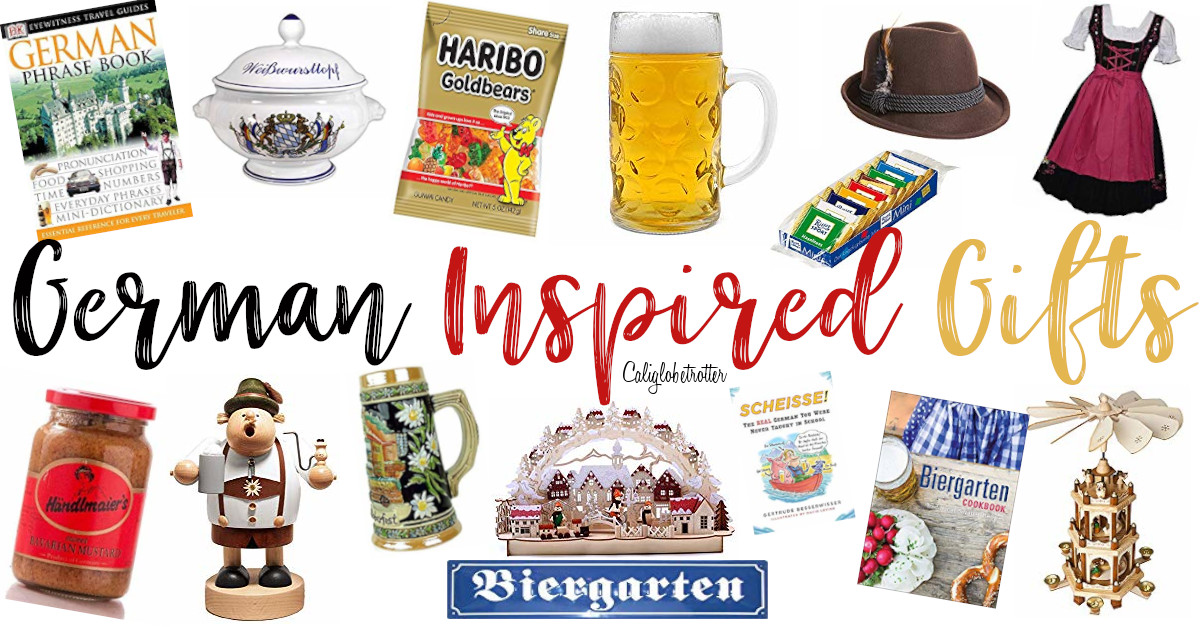
Host gift ideas that work
A good bottle of wine
Why it works: Wine is one of the standard host gifts, and a bottle from your own country or a region you know comes with a story to share.
Skip it if: your hosts don't drink alcohol; bring chocolates or flowers instead.
A mixed seasonal bouquet
Why it works: A mixed bouquet in an odd number of stems sidesteps the romantic and funeral associations of single-flower bunches.
Skip it if: you can only find lilies, carnations or chrysanthemums, or only red roses.
Quality chocolates or a regional sweet
Why it works: Easy to share at coffee and cake, and nobody has to find a vase for it.
Skip it if: you know the household avoids sugar; a regional specialty food or book is an alternative.
A well-made small item from home
Why it works: A useful, durable item from where you live, such as a kitchen tool, a local craft or a photo book of your region, feels personal without being intimate.
Skip it if: it is a toiletry or perfume for someone you don't know well.
Visiting a German home
Many Germans prefer to socialize in public places, so an invitation home usually means you're getting to know someone well. A few habits make the visit smoother:
- Be on time. Punctuality is expected in most social and professional situations; a delay of 10 to 15 minutes is usually excused, but let your host know.
- Arrange visits ahead. Unplanned drop-ins are uncommon.
- Bring your gift on arrival; it will usually be opened while you are there, so the recipient can thank you in person.
- Stay in the main rooms unless your host invites you elsewhere.
- Expect refreshments, even for short visits. Afternoon visits often revolve around coffee and cake (Kaffee und Kuchen).
Birthdays, holidays and business
Birthdays
One superstition to respect: wishing someone a happy birthday before the day itself is considered bad luck. Wait until the actual day, even if you're celebrating early. See our birthday gift ideas for inspiration.
Christmas
Christmas is the main gift-giving season and is focused on family. Unlike in the US or UK, presents in Germany are traditionally exchanged on the evening of December 24, Christmas Eve (Heiligabend), in a moment called the Bescherung. Many families also go to a church service that evening. Exchanging presents with friends is less usual than with family, so a card or a small treat is plenty for friends and neighbors. Our Christmas guides cover gifts for every relative.
If you are staying with a German family over the holidays, bring a small gift for each member of the household and a host gift for the parents, and have them ready before the evening of the 24th.
Business gifts
Gifts are not needed to build a successful business relationship in Germany. If you do give one, keep it modest, good quality and within both companies' policies. A small item linked to your home region is ideal. Avoid anything that could look like an attempt to influence a decision; many German companies and public bodies have strict limits on what staff may accept.
Frequently asked questions
Should I bring flowers to a German dinner?
Yes, flowers are a common host gift. Choose an odd number of stems, remove the wrapping before handing them over, and avoid red roses, lilies, carnations and chrysanthemums.
Do Germans open gifts right away?
Usually yes. Gifts are typically opened when received so the recipient can thank you in person.
Can I wish a German friend happy birthday early?
Better not. Early birthday wishes are considered bad luck; wait until the day.
Is wine a good gift in Germany?
Yes. Wine, flowers or sweets are all considerate gifts when visiting someone's home.
Sources
- Cultural Atlas — German Culture: Etiquette. theculturalatlas.org
- Commisceo Global — German Business Culture & Etiquette Guide. commisceo-global.com
- SoGerman (University of Southampton) — Heiligabend. sogerman.soton.ac.uk
Spotted something out of date or a gift that's no longer available? Tell our editors — we review every correction.


