Gift Etiquette in Sudan: Hospitality, Eid Gifts and What to Avoid
In Sudanese culture a gift is usually refused before it is accepted, and praising an item can mean being offered it. Here is how to give well, at home visits and at Eid.
We independently research every pick. If you buy through our links we may earn a small commission, at no extra cost to you. Affiliate disclosure.
Quick answer
Sudanese hospitality is generous, and gifts follow a few clear rules. Give and receive with both hands or your right hand only, expect your gift to be declined once or twice out of politeness, and keep offering. Never give alcohol, pork or pig-leather items to Muslim friends. Be careful about praising something in a Sudanese home, since your host may feel obliged to give it to you. Always accept the tea or coffee you are offered.
- Good gifts Sweets, dates, pastries, gifts for children
- Hand to use Right hand or both hands
- Never give Alcohol, pork or pig leather
- Big gift times Eid al-Fitr, Eid al-Adha, Christmas for Christians
Most people in Sudan are Muslim, and Islam shapes daily life, food and family customs; there are also Christian communities, including Coptic Orthodox Christians. This guide focuses on cultural customs that apply both in Sudan and among Sudanese families abroad, where many readers will meet Sudanese friends, neighbors and in-laws. If you are thinking of traveling to Sudan, follow your government's current travel advice.
What to give
A good host is a point of pride in Sudanese culture. Cultural Atlas notes that being a poor host is considered shameful, and even a family with little food will offer water. A visitor's gift, by contrast, is usually modest: something sweet to share, or something for the children.
For a host family
A box of pastries, halal sweets or quality dates is a natural choice, especially around Eid. Toys, books or clothes for the children are also welcome. Friday is the most popular day for visiting, and mid-morning or early evening visits avoid interrupting meals.
For friends and in-laws
Practical, good-quality household items, perfume or incense for close friends, or something from your home region all show care. Choose gifts that respect modesty, and keep gifts for the opposite sex appropriate and impersonal unless you know the family well.
Pastries, biscuits or halal sweets
Why it works: Baked sweets are part of every Eid, and a box is easy to share with a large family.
Skip it if: the sweets contain gelatin or alcohol-based flavorings; check labels.
Premium dates
Why it works: Familiar, halal and appreciated during Ramadan, Eid and any family visit.
Skip it if: you are visiting a Christian family at Christmas and would rather bring a cake or sweets.
Gifts for the children
Why it works: New clothes and treats for children are central to Eid, and a small toy or book is a warm gesture any time.
Skip it if: you don't know the children's ages; sweets for the whole family are easier.
More ideas for shareable treats are in our food gifts guide.
What to avoid
- Alcohol, pork and pig-leather items. Alcohol and pork are prohibited in Islam and rarely consumed in Sudan. Don't give them to anyone you know is Muslim.
- The left hand. It is considered unclean. Use your right hand, or both hands together, to give, accept, eat and gesture.
- Over-complimenting possessions. A host may feel obliged to give you an item you praise. If that happens, thank them and insist politely that you can't accept. Because of beliefs about the evil eye, avoid repeating compliments; people often say "Mashallah" after one.
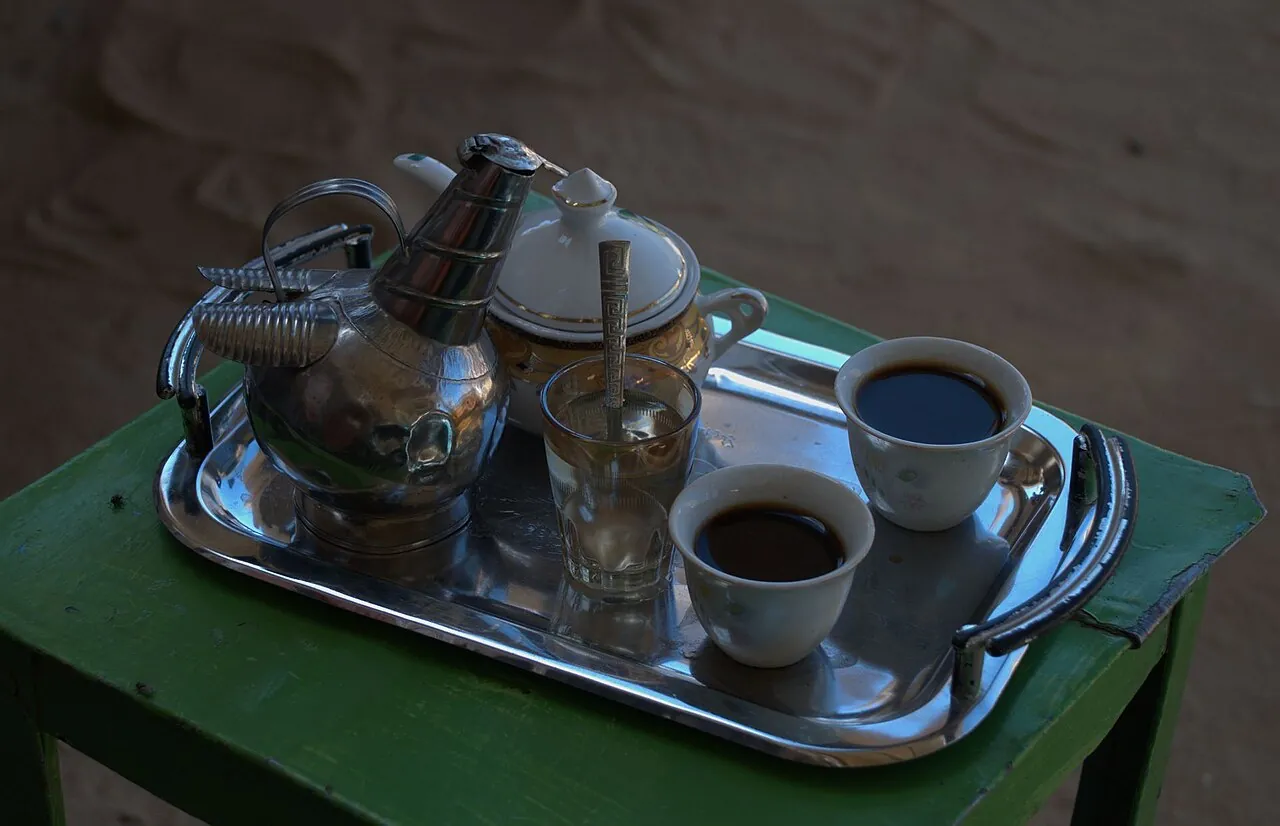
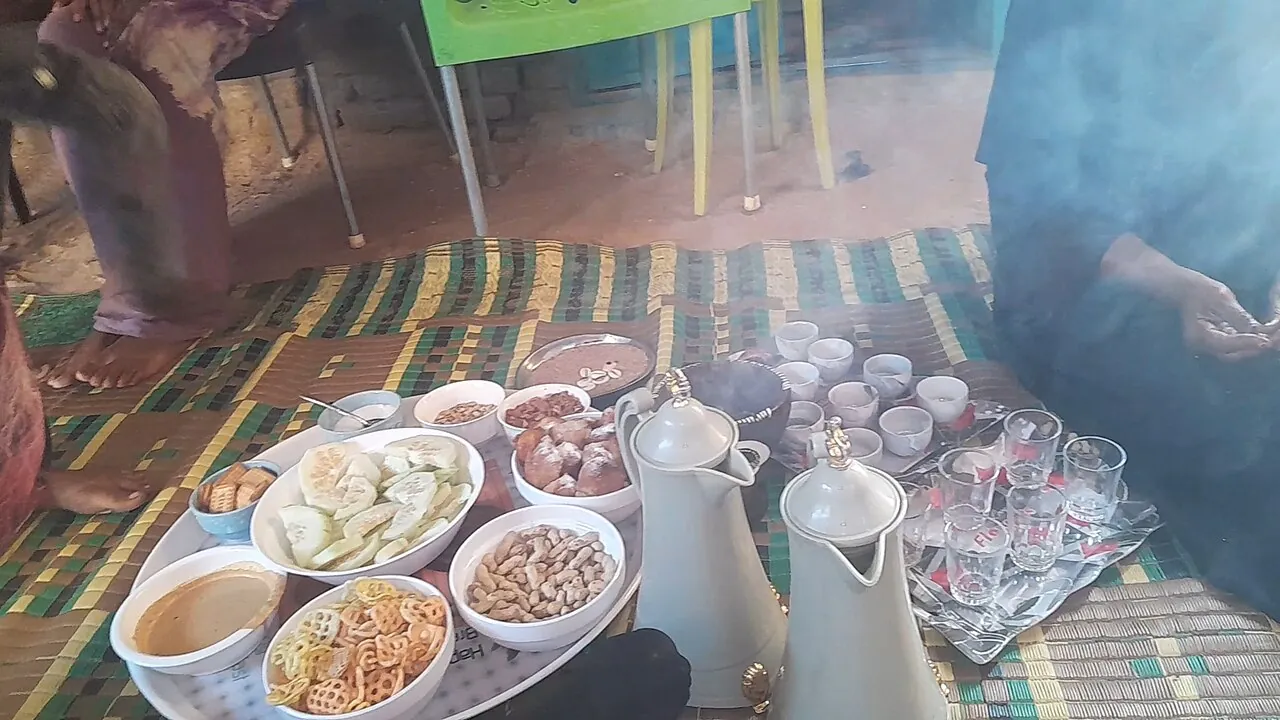
- Refusing refreshments. Turning down tea or coffee can cause deep offense, even if you are not thirsty.
- Dog-related gifts. Dogs are considered unclean; mention a pet dog in advance if Sudanese friends are visiting you.
How to give and receive
- Offer more than once. Gifts are usually declined once or twice out of modesty before being accepted.
- Greet with respect. Stand to greet people, especially elders. "As-salamu alaykum" is the traditional greeting. Between men and women who are not close family, touching is usually avoided; a man should wait for a woman to offer her hand.
- Remove your shoes when entering a home unless told otherwise.
- At meals, eat and pass food with your right hand, take from the side of the dish nearest you, and let your host serve you rather than asking for dishes.
- Return compliments graciously. When you are complimented, reply with a similar respectful compliment.
- Keep in touch. Regular visits and calls maintain relationships; long absences can suggest a friendship doesn't matter.
For simple presentation ideas, see our gift wrapping page.
Holidays and occasions
Eid al-Fitr (date varies)
Eid al-Fitr ends Ramadan and moves each year with the Islamic lunar calendar. Families clean their homes and bake holiday sweets such as kahk biscuits, ghorayeba cookies and basbousa. On the day, men often wear white jalabiyas, women wear brightly colored tobes, and children wear new clothes to prayers. Afterward, people exchange "Eid Mubarak" greetings and visit relatives. Families make sacrifices so children can enjoy new clothes and treats, so gifts for children and boxes of sweets are the most fitting presents.
Eid al-Adha and other Islamic holidays (dates vary)
Eid al-Adha, the Feast of the Sacrifice, is the other major family festival. Mawlid (the Prophet's birthday) and the Islamic New Year are also marked. All follow the lunar calendar.
Christian holidays
For Sudanese Christians, Coptic Orthodox Christmas (January 7), Christmas Day (December 25) and Easter are important dates. A cake or box of sweets for the household is a good gift if you are invited.
Independence Day (January 1)
A national day rather than a gift-giving occasion.
Business gifting
Relationships come first. Greetings can be long and include personal questions, and coffee or tea will be offered before business. If you give a business gift, keep it modest and halal, such as quality dates, a book or a well-made desk item, and present it with your right hand or both hands. Avoid anything of high value: anti-bribery laws in your home country, and company policies on both sides, may limit gifts and hospitality, especially for public officials. Our business gifts section has general guidance.
Frequently asked questions
What should I bring to a Sudanese home?
Pastries, halal sweets or dates for the household, or a small gift for the children. Hand it over with your right hand or both hands.
Why was my gift refused?
Declining once or twice is a polite custom. Offer again, and the gift will usually be accepted.
What if a Sudanese host offers me something I complimented?
Thank them warmly and insist politely that you can't accept. To avoid this, compliment once and don't keep praising the same item.
What gifts are given at Eid in Sudan?
New clothes for children, homemade sweets such as kahk, and visits to relatives. Sweets and gifts for children make good gifts from visitors.
Can I give alcohol to a Sudanese friend?
Not to a Muslim friend. Alcohol and pork are prohibited in Islam; choose sweets, dates or a non-food gift.
Exploring nearby cultures? See our guides to Egypt, South Sudan and Ethiopia, or browse all country etiquette guides.
Sources
- Cultural Atlas — North Sudanese Culture: Etiquette. theculturalatlas.org
- Cultural Atlas — North Sudanese Culture: Greetings. theculturalatlas.org
- Cultural Atlas — North Sudanese Culture: Dates of Significance. theculturalatlas.org
- TRT World — The sounds and scents of Eid return to some of Sudan after years of war. trtworld.com
- The Peninsula (Xinhua) — Sudanese families cling to Eid al-Fitr traditions amid hardship. thepeninsulaqatar.com
Image credits. Top image: Jabana,Wadi Halfa by Bertramz, CC BY-SA 3.0, via Wikimedia Commons · In-article image: قهوة سودانية by شيراز شوشو, CC0 1.0, via Wikimedia Commons
Spotted something out of date or a gift that's no longer available? Tell our editors — we review every correction.




