Gift Etiquette in Spain: What to Bring, Avoid and Open Right Away
Wine, chocolates or pastries to share are the safest host gifts in Spain. Here is which flowers to skip, how gifts are opened and how Spain's January 6 Reyes Magos works.
We independently research every pick. If you buy through our links we may earn a small commission, at no extra cost to you. Affiliate disclosure.
Quick answer
When invited to a Spanish home, bring something the table can share: a good bottle of wine, chocolates or pastries. Flowers are possible but less ideal, and avoid chrysanthemums and white lilies (funeral flowers), red roses (romantic) and bunches of 13. Wrap the gift nicely: it will usually be opened right away. Children's main gift day in many families is January 6, when the Reyes Magos (Three Kings) bring presents.
- Host gift Wine, chocolates or pastries
- Avoid Chrysanthemums, white lilies, red roses, 13 flowers
- Opening Right away, with thanks
- Big gift day January 6 (Reyes Magos) and, increasingly, December 25
What to give
Spaniards are famously hospitable, though much socializing happens in bars and restaurants rather than at home, so an invitation to someone's house is a nice sign. Cultural Atlas notes that bringing something isn't essential, since your company matters more, but a gift is a kind gesture.
For a host
Choose something that can be shared: wine, chocolates or pastries. Commisceo Global also suggests dessert and a small gift for the children if your hosts have them. Flowers are fine in principle but can't be shared around the table, so they are a less obvious choice; if you do bring them, follow the flower rules below.
For friends and in-laws
Among adults, birthday gifts are less of a fixture than in some countries; friends may instead treat the group to drinks. Children are a different story: parents' friends are expected to give gifts on a child's birthday. For in-laws, a quality food or drink item, something from your home region, or a thoughtful item for the home are safe choices. The gesture matters more than the price.
A good bottle of wine
Why it works: It's the classic host gift in Spain and can be shared at the table.
Skip it if: your hosts don't drink; pastries are just as welcome.
Pastries or fine chocolates
Why it works: Sweet things for the table are a recommended choice and suit any host.
Skip it if: your host has said dessert is covered; bring chocolates for later instead.
A small gift for the children
Why it works: A book or small toy for the hosts' children is a warm, suggested gesture.
Skip it if: there are no children at home or you don't know their ages.
A specialty from your home region
Why it works: A local food, drink or craft makes a personal gift and a good conversation starter.
Skip it if: it's a novelty souvenir with no real use.
Looking for edible ideas that travel well? See our food gifts.
What to avoid
- Chrysanthemums. They are usually given at funerals, so they read as mourning flowers rather than a cheerful gift.
- White lilies. Like chrysanthemums, they are typically funeral flowers.
- Red roses for a host. They carry romantic connotations, which is awkward when you're giving them to someone's partner.
- Bunches of 13. Commisceo Global lists 13 flowers among the arrangements to avoid because of unwanted associations.
- Unwrapped gifts. Presentation counts, and an attractively wrapped gift is recommended.
You may also read that Spanish bouquets should always have an odd number of stems. That custom is mentioned by some florists and travel guides but isn't consistently documented, so treat it as optional; avoiding 13 is the rule worth remembering.
How to give and receive
- Wrap it well. Attractive wrapping is appreciated. Our gift wrapping guide has simple ideas.
- Open gifts right away. When you receive a gift, open it in front of the giver, comment on it and thank them in person. Expect the same when you give one.
- Don't stress about arriving on the dot. Social timing is relaxed, and arriving up to half an hour late to a social event usually raises no questions. Dinner often starts between 9 and 11:30 pm.
- Stay for the sobremesa. Leaving right after eating is impolite; the after-meal conversation can last a long time. When your host stops offering drinks, it's a sign the evening is winding down.
- Say a proper goodbye. Farewells are thorough, often with embraces all around.
Holidays and occasions
Reyes Magos (January 5 and 6)
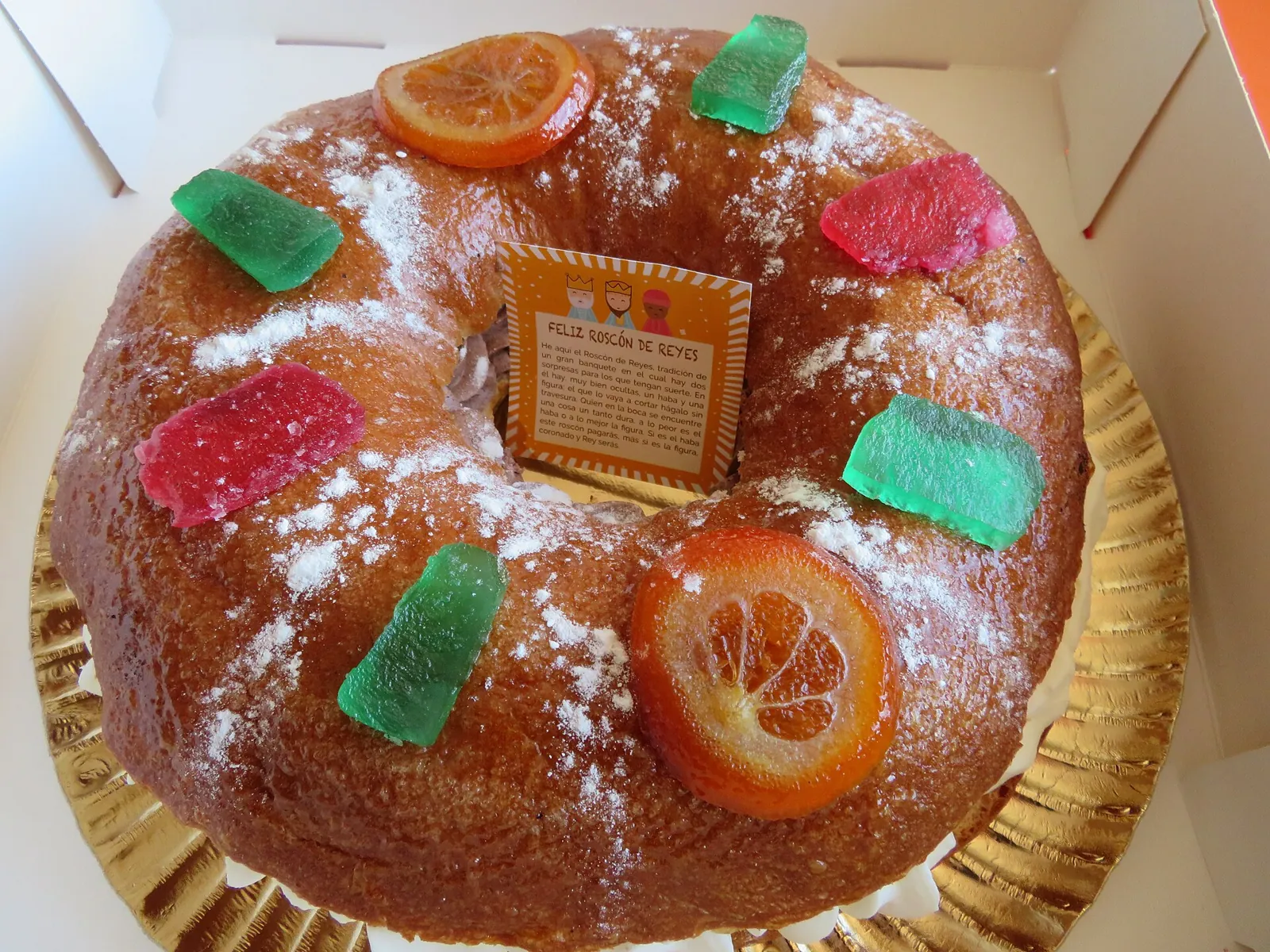
For many Spanish families, the Three Kings, not Santa, are the traditional gift-bringers. Children write letters to the Kings, and on the evening of January 5 towns and cities hold big parades called cabalgatas. That night, some children leave their shoes out for the Kings to fill, and presents arrive by the morning of January 6. Families then share a roscón de Reyes, a ring-shaped cake that hides a small figurine and a dry bean.
Christmas and regional gift-bringers
Papá Noel (Father Christmas) has become increasingly common, particularly for gifts on December 25, so many families now give gifts on both dates. Some regions have their own traditions. In Catalonia, children tap the Caga Tió, a decorated log, with sticks while singing, then find sweets and small gifts under its blanket. In the Basque Country and Navarre, Olentzero is the folk figure associated with Christmas gift-giving. For ideas by recipient, see our Christmas guides.
All Saints' Day (November 1)
Todos los Santos is marked by visiting cemeteries and offering flowers and prayers at the graves of loved ones. It isn't a gift occasion, and it's another reason to keep funeral-associated flowers out of a host bouquet.
Business gifting
Gift giving isn't usually central to Spanish business. Relationships, built face to face over time, matter more than presents. If you're invited to a business contact's home, the host-gift advice above applies. Otherwise, a modest, well-chosen item, such as a book or a quality food gift, is appropriate once you know each other; avoid anything lavish.
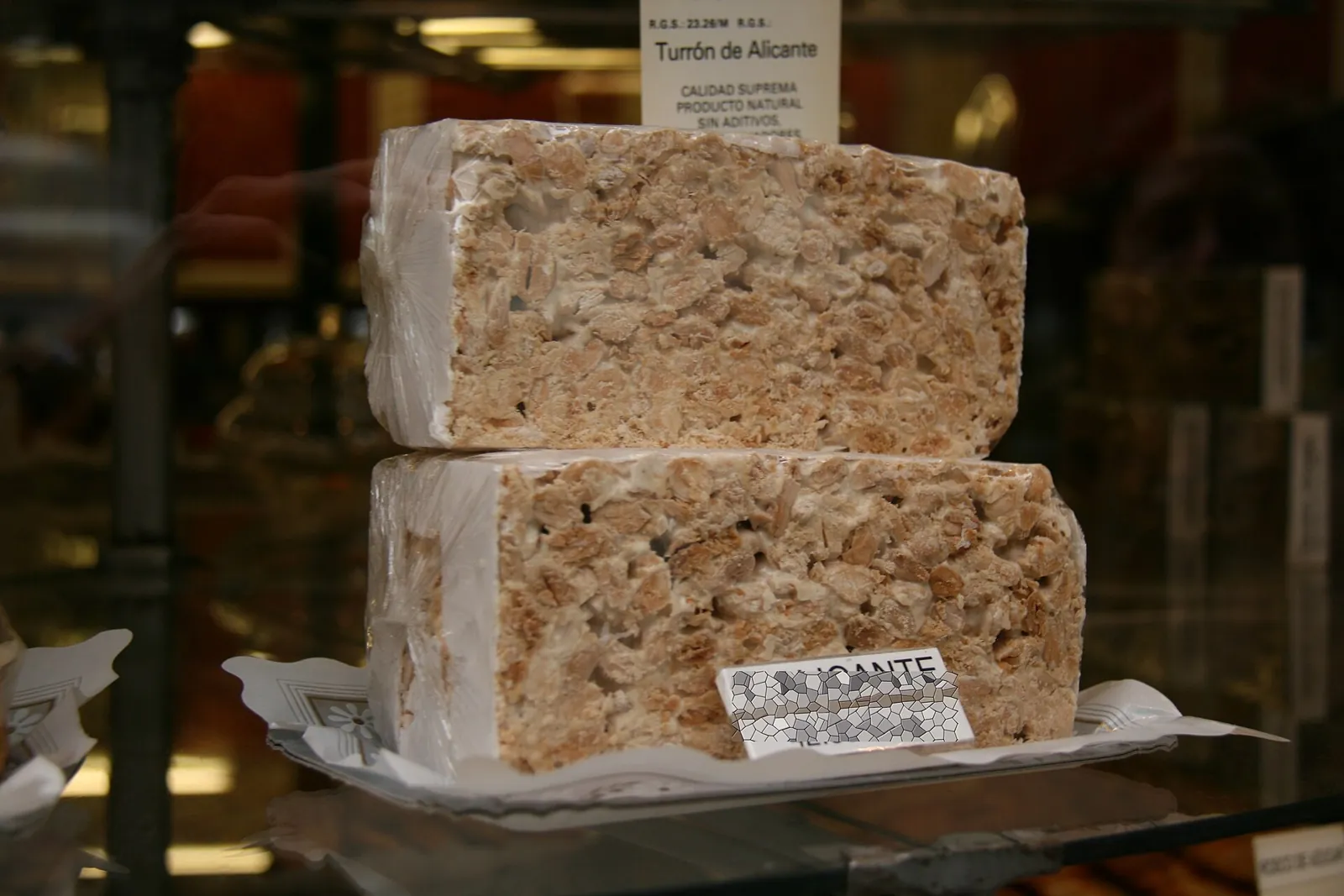
At Christmas, many Spanish employers give staff a cesta de Navidad, a hamper typically filled with wine, olive oil, cured meats, luxury tinned goods and sweets such as turrón and polvorones. At some companies this is written into the union contract. Many organizations also have gift policies, and anti-bribery laws in Spain, across the EU and in your home country can apply to gifts and hospitality, especially for public officials. If a contact declines a gift for compliance reasons, don't insist. More tips are in our business gifts section.
Frequently asked questions
What should I bring to a Spanish dinner?
Something to share: a good bottle of wine, chocolates or pastries. A small gift for the children is a nice touch.
Which flowers should I avoid in Spain?
Chrysanthemums and white lilies, which are associated with funerals; red roses, which are romantic; and bunches of 13.
Do Spaniards open gifts in front of you?
Yes. Gifts are usually opened right away, and the recipient comments on the gift and thanks the giver in person.
When do Spanish children get Christmas presents?
Traditionally on January 6, from the Reyes Magos. Many families now also give gifts on December 25, and Catalonia and the Basque Country have their own gift-bringers.
Are business gifts expected in Spain?
Not usually. Relationships matter more. A modest gift later in the relationship is fine; check company policies and avoid lavish gifts.
Traveling further? Browse our country guides, including France, Italy and Mexico.
Sources
- Cultural Atlas — Spanish Culture: Etiquette. theculturalatlas.org
- Commisceo Global — Spain Guide. commisceo-global.com
- The Local Spain — Why Spain loves the Three Kings more than Santa. thelocal.es
- idealista — Spanish Christmas traditions: unique customs, food and festive celebrations. idealista.com
- The Local Spain — Why workers in Spain can have a legal right to a Christmas hamper. thelocal.es
- Cultural Atlas — Spanish Culture: Business Culture. theculturalatlas.org
Image credits. Top image: Roscón de Reyes Magos by Juan Emilio Prades Bel, CC BY 4.0, via Wikimedia Commons · In-article image: Turrón de Alicante (Casa Mira) by Tamorlan, CC BY 3.0, via Wikimedia Commons
Spotted something out of date or a gift that's no longer available? Tell our editors — we review every correction.




