Gift Etiquette in Mexico: What to Give, Avoid and When to Give It
A dessert, a bottle or white flowers will make any Mexican host smile. Here is what to bring, which flowers to skip and how gifts work from the posadas to Día de Reyes.
We independently research every pick. If you buy through our links we may earn a small commission, at no extra cost to you. Affiliate disclosure.
Quick answer
You don't have to bring anything when visiting a Mexican home, but a small gift is appreciated: flowers, chocolates, sweets, a dessert or a bottle to share. White flowers are a safe choice. Avoid marigolds, which are strongly tied to Día de Muertos (Day of the Dead), and red flowers, which some people associate with bad luck. Gifts are usually opened when received and praised in front of the giver.
- Host gift Dessert, sweets, chocolates, white flowers or a bottle
- Avoid Marigolds; red flowers
- Opening Usually right away, with praise
- Big gift days Christmas season, Día de Reyes (January 6), May 10
What to give
Mexican hospitality is generous, and guests are welcomed whether or not they arrive with something. Still, a thoughtful small gift is a nice way to say thank you. Commisceo Global notes that flowers, chocolates or sweets are generally appreciated when you visit a home. Cultural Atlas observes that guests often bring a dish such as a salad or dessert to a dinner, or a bottle to share. If you plan to bring food, ask your host first so it fits the menu.
For a host
Something to share at the table works best: a good dessert from a bakery, a box of chocolates or a bottle of wine or tequila if you know your hosts drink. A small gift for the children of the house is a kind extra.
For friends and in-laws
With family, gifts tend to cluster around birthdays, Christmas, Mother's Day and Father's Day, and expectant mothers also receive gifts. Something from your home region, a framed family photo or a nice item for the kitchen are good choices for in-laws. If you are giving a personal gift to someone of the opposite sex, Cultural Atlas suggests saying it comes from your spouse too, so it isn't read as romantic.
Bakery dessert or fine chocolates
Why it works: It can be shared after the meal, and sweets are a classic way to thank a host.
Skip it if: your host has already planned dessert; ask first.
White or mixed bouquet (no marigolds)
Why it works: White flowers are traditionally a suitable choice and carry positive associations.
Skip it if: the arrangement is mostly marigolds or bright red blooms.
A bottle to share
Why it works: Wine or a good spirit is a common contribution to a dinner or party.
Skip it if: you don't know whether your hosts drink alcohol; choose sweets instead.
A specialty from your home region
Why it works: A local food, craft or book gives you something to talk about, which matters in a culture that values personal connection.
Skip it if: it is a cheap souvenir with no real use.
For more ideas that travel well, see our food gifts guide.
What to avoid
- Marigolds (cempasúchil). These orange flowers are strongly associated with Día de Muertos, when families decorate graves and home offerings for their dead. Cultural Atlas notes that marigolds can symbolize death, so they're a poor choice for a cheerful gift.
- Red flowers. Some people believe red flowers can cast spells, while white flowers are seen as positive. Not everyone holds this view, but white or mixed flowers avoid the question.
- Romantic-looking gifts to someone else's partner. A personal gift from a man to a woman (or the other way around) can be misread. Present it as coming from you and your spouse.
- Anything that looks like it expects a favor. In business especially, a lavish gift can create the wrong impression.
How to give and receive
- Expect gifts to be opened on the spot. In many Mexican households gifts are opened when received and enthusiastically praised in front of the giver. Do the same when you receive one.
- Wrap it nicely. Presentation shows care; our gift wrapping guide has simple ideas.
- Turn down food gently. Refusing refreshments outright can seem impolite. A soft "ahorita" (not right now, maybe later) is the polite way to pass.
- Offer to help. Offering to help cook or clear up is appreciated.
- Don't rush off. Leaving right after the meal is served is considered rude, and goodbyes, often with hugs, can take a while.
- Follow your host's lead on seating and timing. Arriving slightly late may be fine at informal gatherings, but check expectations.
Holidays and occasions
The posadas (December 16 to 24)
Posadas are nine nights of Christmas gatherings that recall Mary and Joseph's search for shelter. Traditionally there is a procession and song before guests are let in for food, ponche and a piñata. Posadas often have a potluck element, so a tray of food or drinks is a good contribution. Hosts may hand guests a small bag of candy, called an aguinaldo.
Christmas Eve and Christmas
The last posada falls on December 24, Nochebuena, the main family celebration. Santa Claus has become common in Mexico, so many children now receive gifts at Christmas as well as, or instead of, on Día de Reyes. Browse our Christmas gift guides for family ideas.
Día de Reyes (January 6)
Three Kings' Day closes the holiday season and was traditionally the day Mexican children received their presents; children would put their shoes out on the night of January 5. Families share a rosca de Reyes, an oval sweet bread topped with candied fruit with small baby Jesus figurines baked inside. Whoever finds a figurine is expected to provide tamales on February 2, Día de la Candelaria.
Día de Muertos (late October to early November)
This is a time for honoring the dead, not for exchanging presents. Families place flowers, candles, food and offerings on home shrines and graves. If you're invited to take part, follow your hosts' lead.
Mother's Day (May 10) and quinceañeras
Mexico celebrates Día de las Madres on May 10 every year, regardless of the weekday, with flowers, serenades, family meals and gifts. A girl's quinceañera (15th birthday) is a major celebration, and guests are expected to give generous gifts. See our Mother's Day ideas.
Business gifting
Personal relationships matter a great deal in Mexican business, and trust is built face to face over time. Gifts are a way to show appreciation rather than a requirement. Keep them modest: a quality item from your home country, a nice book or a food gift for the team. Gifts may go to a host, a business partner or an assistant who has helped you.
Avoid anything that might suggest you expect favors in return, respect both organizations' gift policies, and be especially careful with government officials, who are generally subject to strict rules on accepting gifts. Anti-bribery laws in Mexico and in your home country can apply to business gifts and hospitality. For general guidance, see our business gifts section.
Frequently asked questions
What should I bring to a Mexican dinner?
A dessert, chocolates, white or mixed flowers, or a bottle to share. Bringing something isn't required, but it's appreciated. Ask before bringing a dish.
Why shouldn't I give marigolds in Mexico?
Marigolds (cempasúchil) are the signature flower of Día de Muertos, used on graves and home offerings for the dead, so they can carry associations with death.
Do Mexicans open gifts in front of the giver?
Usually, yes. Gifts are typically opened when received and praised in front of the person who gave them.
When do Mexican children get presents, Christmas or January 6?
Traditionally on Día de Reyes, January 6. Today many families also give gifts at Christmas, and some do both.
Can I give a gift to a Mexican business contact?
Yes, if it is modest and appropriate. Check company policies and avoid gifts to public officials or anything that could look like it expects a favor.
Planning gifts for another country? Browse our country etiquette guides, including Spain and the United States.
Sources
- Cultural Atlas — Mexican Culture: Etiquette. theculturalatlas.org
- Commisceo Global — Mexico Guide. commisceo-global.com
- Mexperience — Kings' Day Gifts and Kings' Loaf Traditions in Mexico. mexperience.com
- Mexico News Daily — What you need to know to host a posada this holiday season. mexiconewsdaily.com
- UNESCO Intangible Cultural Heritage — Indigenous festivity dedicated to the dead. ich.unesco.org
- Uno TV — Día de las Madres en México: origen y cómo se celebra cada 10 de mayo. unotv.com
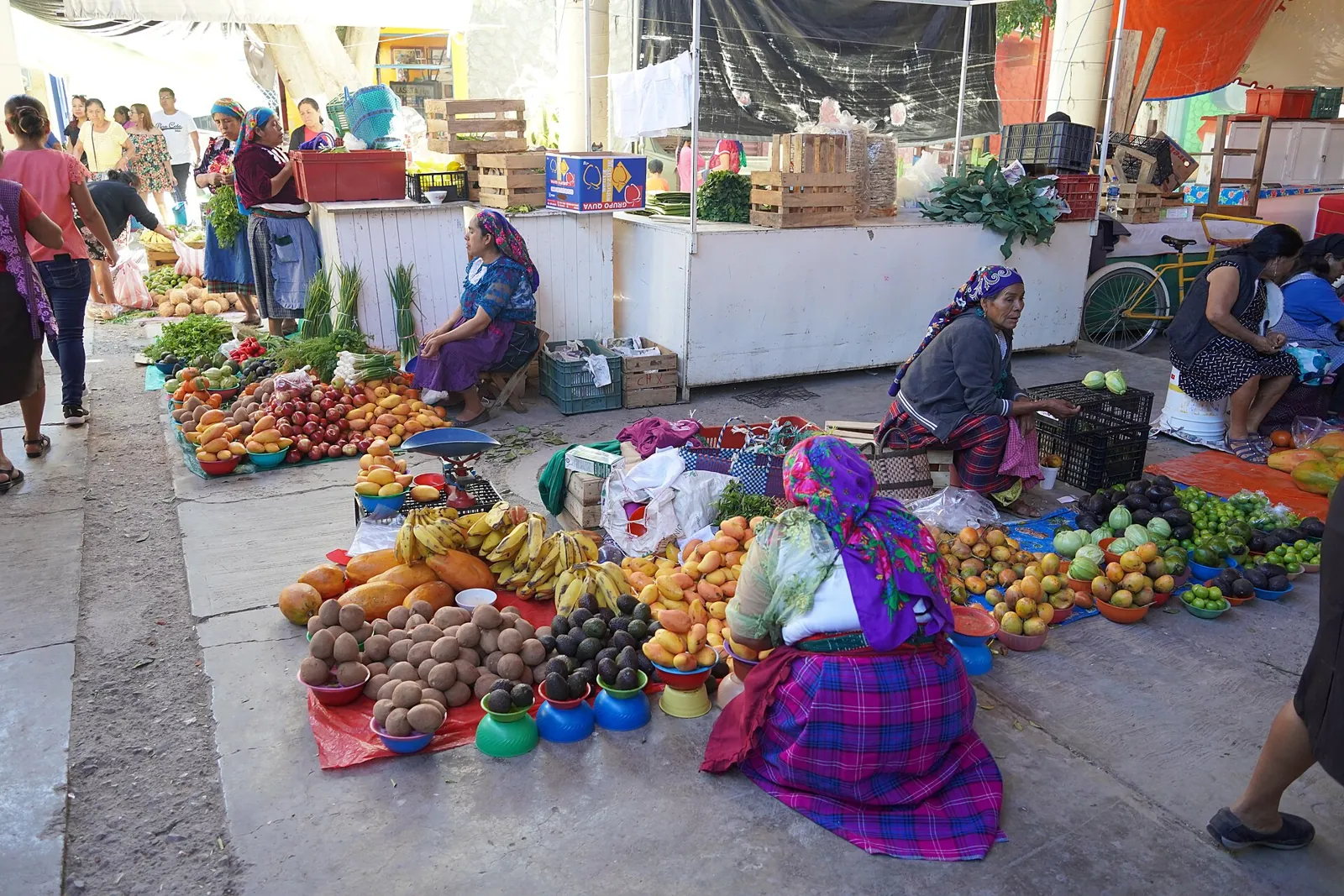
Image credits. Top image: Tlacolula Market 230122 62 by Bluerasberry, CC BY-SA 4.0, via Wikimedia Commons
Spotted something out of date or a gift that's no longer available? Tell our editors — we review every correction.



