Gift Etiquette in Samoa: Host Gifts, Fine Mats and White Sunday
In Samoa, modest gifts and good manners matter more than price. Here's what to bring a host, what to avoid, and how gifts work at family occasions.
We independently research every pick. If you buy through our links we may earn a small commission, at no extra cost to you. Affiliate disclosure.
Quick answer
In Samoa, a modest, thoughtful gift matters more than an expensive one. Take off your shoes before going into a home, sit down before you talk with seated elders, and wait for the prayer before eating. Don't bring a dish of food to share at a meal you've been invited to, because it can suggest the hosts can't provide. When you receive a gift, a slight bow of the head and a moment holding it up with both hands is a traditional way to show thanks. Fine mats ('ie tōga) are the most prized ceremonial gift, but they are exchanged between families, not expected from visitors.
- Host gift Small and modest; no need to spend much
- Receiving Bow slightly, hold the gift up briefly with both hands
- Avoid Bringing a side dish to a meal you're invited to
- Big gift days White Sunday (October), Christmas, family occasions
What to give
Samoan life is built around fa'a Samoa, the Samoan way, with deep respect for family, elders and chiefs (matai). Cultural Atlas notes there is no need to buy an expensive gift, especially if you can't afford one. If you worry your gift is small, it is polite to say it may not be enough but that you brought it as a token of your appreciation.
For a host family
Visiting is relaxed: people often drop in unannounced and stay late. If you are invited for a meal or a stay, a small gift for the household is a kind gesture. Choose something the whole family can enjoy rather than a dish for the table. If your gift isn't accepted at first, Cultural Atlas suggests giving it to a son or daughter or someone else who lives with the family.
For friends, in-laws and children
For Samoan friends or in-laws, especially in diaspora families in New Zealand, Australia or the US, gifts that honor family ties tend to land well: framed family photos, something for the children, or a contribution to a family occasion when one comes up. For children, White Sunday in October is the traditional moment for new clothes and school supplies.
A specialty from your home country
Why it works: Packaged sweets, coffee or a small local craft give the family something to share and talk about.
Skip it if: it's a cooked dish meant for the meal; hosts provide the food.
School supplies or books for the children
Why it works: Practical and in keeping with White Sunday, when children traditionally receive new clothes and school supplies.
Skip it if: you don't know how many children are in the household; bring enough to share.
A framed family photo or photo book
Why it works: Family is at the center of Samoan life, and a photo of a shared occasion is personal without being showy.
Skip it if: the photos include anyone who might not want to be pictured; ask first.
A contribution to a family occasion
Why it works: At funerals and weddings, families give money, food and fine mats; close friends may be welcome to contribute what they can.
Skip it if: you're unsure of the protocol; ask a family member how best to help.
Fine mats and family occasions
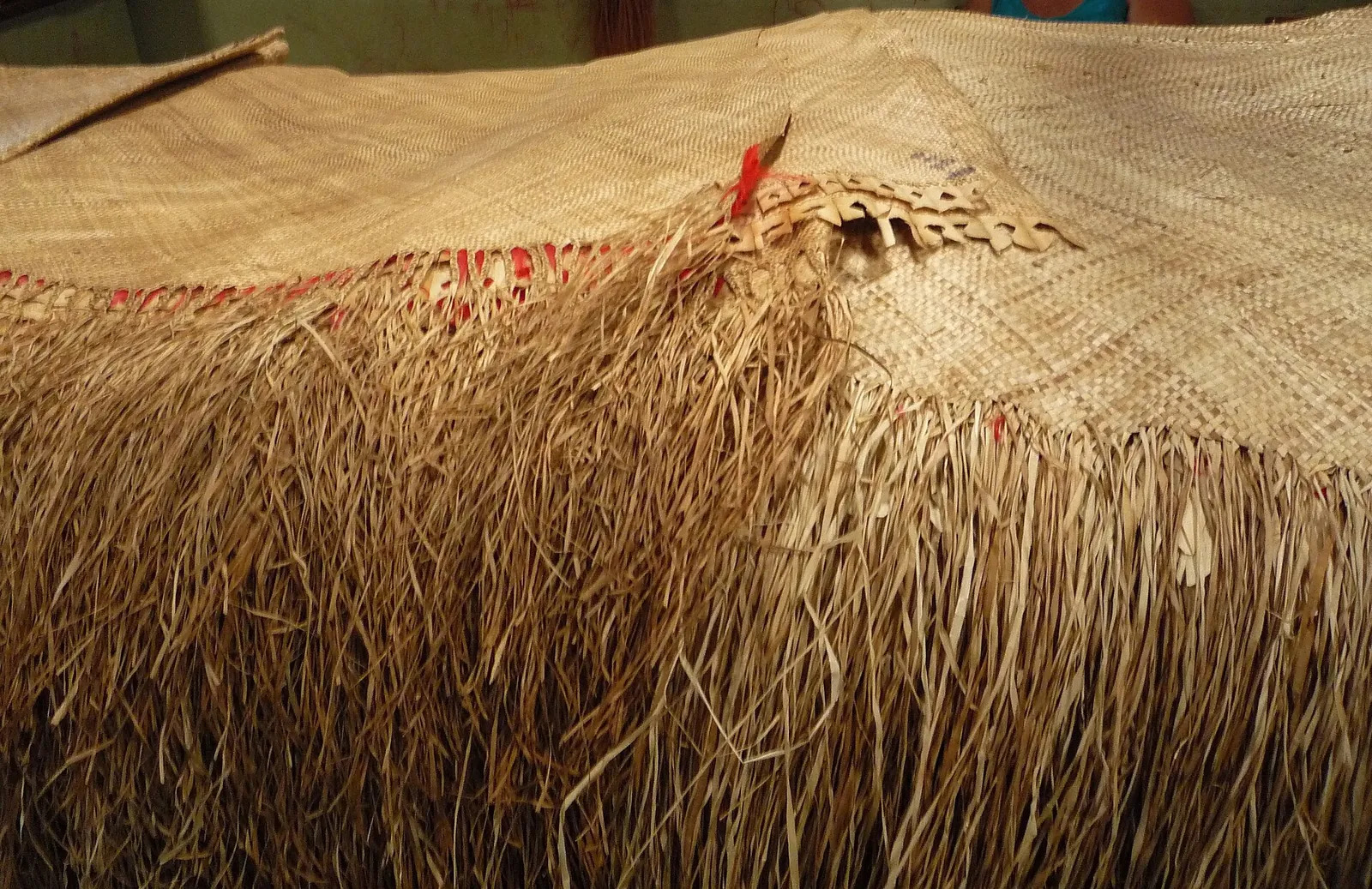
Te Papa, New Zealand's national museum, describes 'ie tōga (fine mats) as the most precious type of Samoan mat, representing much of a family's wealth. They are central to big family events:
- Weddings. The bride's family presents fine mats to the groom's family, which later gives money in return and shares the mats within its extended family. These exchanges show mutual respect and strengthen family ties.
- Funerals. Fine mats are given to the family of the person who has died, and the family gives mats and food in return.
- Other milestones. Mats also feature at events such as the blessing of a new house or the opening of a church.
These family occasions and the contributions they call for are widely known as fa'alavelave. Research published by ANU Press notes that relatives overseas often contribute to family events at home and that the exchange of gifts symbolizes genealogical ties; it also notes that the scale of giving can create pressure within families. If you are invited to a Samoan funeral or wedding as a friend, you are not expected to bring fine mats. Ask a family member what would help; a card with a cash gift or practical help is often appreciated.
Fine mats are also used in the ifoga, a traditional ceremony of apology and reconciliation between families. It is a serious, formal custom rather than a gift-giving occasion, and outsiders should not attempt it.
What to avoid
- Bringing a side dish or dessert to a meal. Cultural Atlas warns this can cause great offense, because the hosts are expected to provide.
- Standing while others sit. It's considered rude; if an elder is seated, sit down before you speak with them.
- Pointing your feet at anyone. If you stretch your legs out on a floor mat, cover them and keep your feet pointed away from people.
- Walking into a home with shoes on. Leave them outside unless your hosts say otherwise.
- Going back for seconds. Take everything you plan to eat the first time, and try each dish offered.
- Moving around noisily during evening prayer. Most villages observe sa, a daily prayer time in the early evening signaled by a bell or siren. Stop and stay quiet until it ends.
How to give and receive
- Use both hands. When receiving a gift, it's customary to bow your head slightly and hold the gift above your head with both hands for a moment.
- Greet by rank. When you arrive, greet the highest-ranking person first, meeting them at their level.
- Let your host seat you. The best floor mats are often laid out for guests, and guests are often seated in the middle.
- Wait for the prayer. Prayers usually come before meals, and elders traditionally eat first.
- Keep it modest. Present your gift simply, with a word about it being a small token of thanks.
- Respect Sunday. Sunday is set aside for church and rest; activities such as swimming that are fine on other days may not be allowed.
Holidays and occasions
White Sunday (Lotu Tamaiti)
Held on the second Sunday of October, with the following Monday a public holiday. Children usually receive new clothing or school supplies and enjoy privileges normally reserved for elders, such as being served first at family meals. Many families dress in white for church. Clothes, books and school gear are fitting gifts.
Mother's Day and Father's Day
Under Samoa's public holiday rules, Mother's Day is marked with a holiday on the second Monday in May and Father's Day on the second Monday in August. Cards and small personal gifts are appropriate; see our Mother's Day ideas.
Independence Day (June 1)
A national celebration rather than a gift-giving holiday, often marked over several days.
Christmas and New Year
Christmas (December 25) and Boxing Day are public holidays, and New Year runs over January 1 and 2. They are family and church occasions; gifts for children and food for shared meals are common.
Business gifting
Cultural Atlas notes that in Samoan business settings a gift is usually expected during a meeting, and that presentation is formal and often public. A well-presented item from your home country or company is a safe choice. Meetings may not start on time and may pause for prayer if they run into a time of worship. Dress modestly: a shirt and smart trousers for men, a blouse with trousers or a long skirt for women.
Keep business gifts modest and transparent. Public officials and many organizations have rules on accepting gifts, and anti-bribery laws in your home country may apply to dealings abroad. Check both sides' policies before giving. For more, see our business gifts guide.
Frequently asked questions
What should I bring to a Samoan host?
A small, modest gift for the household, such as a treat from your home country or something for the children. Avoid bringing a cooked dish to share at the meal.
What is fa'alavelave?
It's the term commonly used for major family occasions, such as funerals and weddings, and the contributions of money, food and fine mats that relatives make toward them.
Should I give a fine mat as a gift?
Fine mats are exchanged between families at ceremonies and carry great value and meaning. Visitors and friends aren't expected to give them; ask the family what would help instead.
How do I accept a gift in Samoa?
Traditionally, bow your head slightly and lift the gift above your head with both hands for a moment, then thank the giver.
When is White Sunday?
The second Sunday of October, with a public holiday the next day. Children are celebrated, often with new clothes and school supplies.
Traveling around the Pacific? Read our guides to Tonga and New Zealand, or browse all country guides.
Sources
- Cultural Atlas — Samoan Culture: Etiquette. theculturalatlas.org
- Cultural Atlas — Samoan Culture: Religion. theculturalatlas.org
- Cultural Atlas — Samoan Culture: Business Culture. theculturalatlas.org
- Te Papa Tongarewa — 'ie tōga (fine mat). collections.tepapa.govt.nz
- ANU Press — Migration and Transnationalism: Pacific Perspectives, ch. 3. press.anu.edu.au
- Wikipedia — White Sunday. en.wikipedia.org
Image credits. Top image: Samoa traditional mat by Sarah Kelemen, CC BY 2.0, via Wikimedia Commons · In-article image: Pig on the Samoan Umu by Neil, CC BY 2.0, via Wikimedia Commons
Spotted something out of date or a gift that's no longer available? Tell our editors — we review every correction.




