Gift Etiquette in Tonga: What to Bring, Avoid and How to Receive
Tongan hosts don't expect gifts, but a modest token goes a long way. Here's what to bring, what to avoid and how gifts work at family occasions.
We independently research every pick. If you buy through our links we may earn a small commission, at no extra cost to you. Affiliate disclosure.
Quick answer
Tongan hosts don't usually expect gifts from visitors, but a modest token, such as store-bought food or something from your home country, is appreciated, especially if you're staying with a family. Don't bring a plate of food to share at a meal you're invited to, take off your shoes before entering, and wait for the prayer before eating. Gifts are usually not opened in front of the giver. If your hosts send you home with food or a handicraft, accept it: declining is a serious insult.
- Host gift Welcome but not expected; store-bought food or a souvenir from home
- Opening Usually not in front of the giver
- Never Decline a parting gift from your hosts
- Sunday Day of rest and worship; business is restricted by law
What to give
Tongan culture, anga fakatonga, places great weight on respect, rank, family and humility. Cultural Atlas notes that traditionally gifts are presented during celebrations and that gift giving there is a public affair. Everyday visits are more relaxed: people often drop in unannounced, especially on Sunday afternoons.
For a host family
If you're invited to dinner or staying in a Tongan home, Tonga Pocket Guide suggests store-bought food as a token of appreciation, and puts a suitable value at roughly TOP$20–$40. Items from your home country are also a good choice. What you shouldn't bring is a home-cooked dish for the table: Cultural Atlas advises against bringing a plate of food to share, even a small side dish, because the hosts provide the meal.
For friends, in-laws and family abroad
In Tongan families in New Zealand, Australia and the US, gifts often flow toward family occasions such as birthdays, weddings and funerals. Cultural Atlas notes that families returning from abroad usually bring food home as gifts. For in-laws, a modest, useful gift that the household can share fits better than something showy, since boasting about wealth is frowned upon.
Store-bought food for the household
Why it works: Packaged treats, biscuits or pantry staples are a recognized token of thanks for a meal or a stay.
Skip it if: it's a cooked dish meant for the dinner table.
A souvenir or specialty from your home country
Why it works: Cultural Atlas specifically mentions food or souvenirs from home as appreciated, including in business.
Skip it if: it's flashy or expensive; modesty is valued.
Something for the children
Why it works: Books, school supplies or a simple game are practical and easy to share among siblings and cousins.
Skip it if: you can't bring enough for every child in the household.
Gifts at funerals and family occasions
Tongan life-cycle events involve significant exchanges of koloa, traditional valuables such as fine mats and ngatu (tapa cloth), along with food and money. Research published by ANU Press describes women from a family presenting cloth at a funeral with a speech about the person who died, and friends, co-workers and relatives bringing food to feed mourners and support the bereaved family. Refusing a gift of cloth or food can be read as failing to recognize another family's generosity.
According to Wikipedia's summary of Tongan funeral customs, friends and more distant relatives usually bring a small gift for the widow or close family, while closer relatives bring large ngatu and stay for the overnight vigil. Mourners wear black, often with a mourning ta'ovala (a mat tied around the waist). If you're attending as a friend, wear black, bring a modest gift or food, and ask a family member what is appropriate.
What to avoid
- Declining a parting gift. Hosts often send guests home with food, fruit, handicrafts or tapa cloth; Cultural Atlas calls refusing it an extreme insult.
- Bringing a dish to share at dinner. It can imply the hosts can't provide.
- Praising one object too much. Your host may feel obliged to give it to you; compliment the home as a whole instead.
- Flowers as an everyday gift. Flowers are usually kept for special occasions such as weddings and funerals.
- Wearing all black casually. All-black clothing signals mourning.
- Showing off wealth. Humility (loto tō) is valued at every level of society, so lavish gifts can embarrass.
- Standing while eating or drinking, or taking second servings; take what you'll eat the first time.
How to give and receive
- Take off your shoes when entering a home and before sitting on a floor mat, unless told otherwise.
- Don't expect your gift to be opened in front of you, and set gifts you receive aside to open later.
- Show respect to rank. Rise when someone of high status arrives, and pay attention to older people's views.
- Wait for grace. A prayer is said before meals in most households; guests are served first and set the pace.
- Accept hospitality. Refreshments such as water, coconut or 'otai are commonly offered; accept graciously.
- Join a kava circle if invited. Kava drinking (faikava) is usually a men's gathering, but women visitors are usually welcome to join.
Holidays and occasions
Sundays
Sunday is a day of rest and worship. Cultural Atlas notes that Tongan law bars business and work on Sundays, and public transport doesn't run. Plan gift shopping for Saturday, and don't ask Tongans to do demanding work on a Sunday.
Christmas and New Year
Christmas Day, Boxing Day and New Year's Day are public holidays and major family and church occasions. Food and gifts for children are common. See our Christmas gift guides for ideas.
National holidays
Tonga's public holidays include Emancipation Day (June 4), King Tupou VI Day (July 4), Constitution Day (November 4) and King Tupou I Day (December 4). Most move to a Monday when they fall on another weekday. These are civic celebrations rather than gift-giving days. White Sunday, a children's church day, is also observed in Tonga; ask locally for the date.
Weddings, birthdays and funerals
Family milestones are where the biggest exchanges happen, often including mats, tapa cloth, food and money. As a guest, follow the family's lead.
Business gifting
Cultural Atlas notes that gifts are sometimes exchanged at business meetings, and that food or souvenirs from your home country are appreciated. Meetings and decisions tend to move slowly; start with small talk about family and well-being, and give particular weight to older attendees. Don't schedule anything for Sunday.
Keep business gifts modest and transparent. Government officials and many organizations restrict what staff can accept, and anti-bribery laws in your home country may apply abroad. See our business gifts guide for general advice.
Frequently asked questions
What should I bring to a Tongan host?
Gifts aren't expected, but store-bought food or something from your home country is a thoughtful token, especially if you're staying with the family. Don't bring a cooked dish to share.
Do Tongans open gifts in front of you?
Usually not. Gifts are typically opened after the giver has left.
What should I bring to a Tongan funeral?
Friends usually bring a small gift or food for the close family and wear black. Large mats and tapa cloth are typically given by relatives. Ask a family member what is appropriate.
Can I refuse a gift from a Tongan host?
It's best not to. Declining a parting gift of food or handicrafts is considered a serious insult.
Are shops open on Sunday in Tonga?
Generally not. Sunday is a day of rest, and business and work are restricted by law.
Planning more Pacific trips? See our Samoa and Fiji guides, or browse all country guides.
Sources
- Cultural Atlas — Tongan Culture: Etiquette. theculturalatlas.org
- Cultural Atlas — Tongan Culture: Do's and Don'ts. theculturalatlas.org
- Cultural Atlas — Tongan Culture: Business Culture. theculturalatlas.org
- Tonga Pocket Guide — What are the Customs in Tonga? tongapocketguide.com
- ANU Press — Migration and Transnationalism: Pacific Perspectives, ch. 2 (Gifts and Funerals). press.anu.edu.au
- Wikipedia — Tongan funerals. en.wikipedia.org
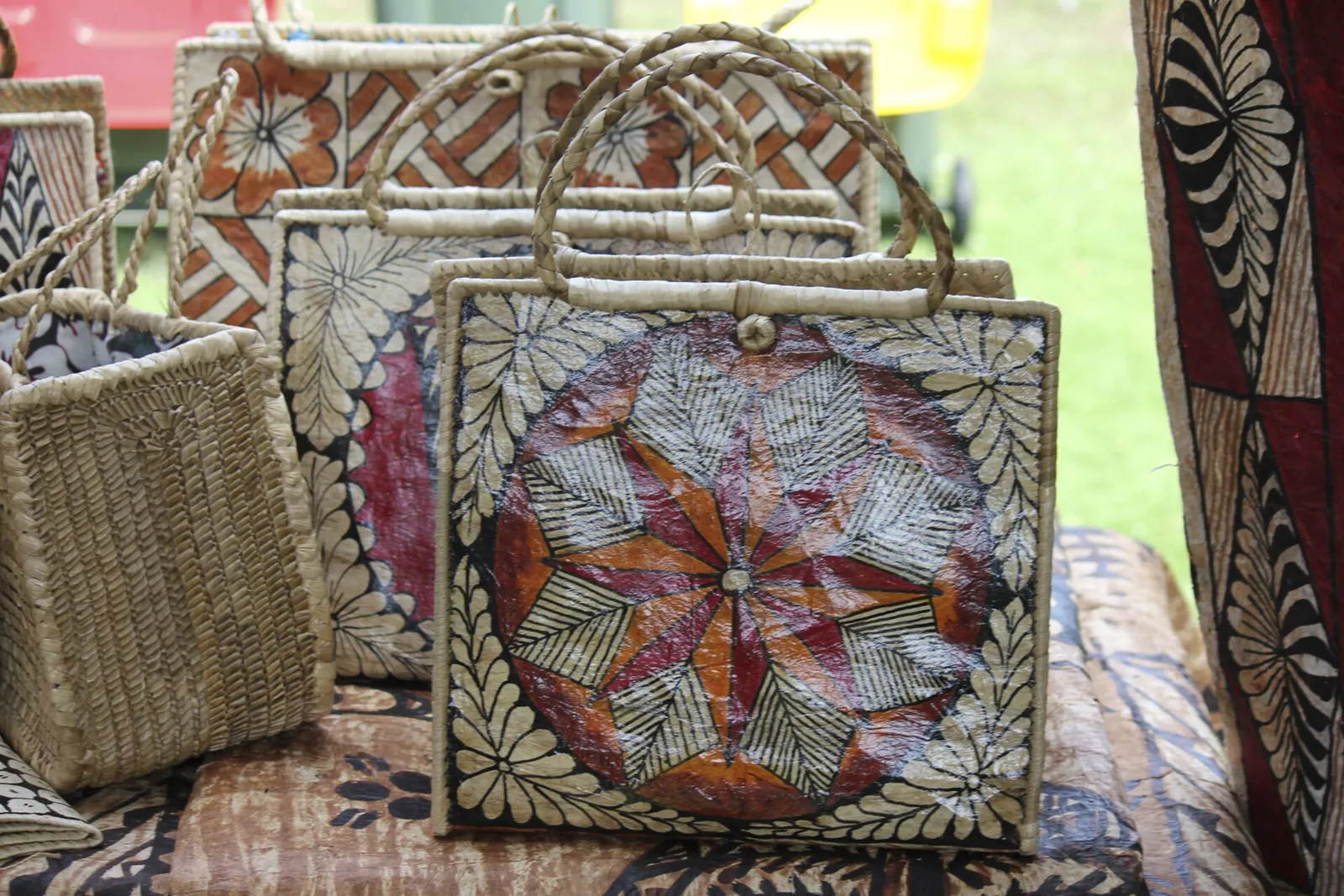
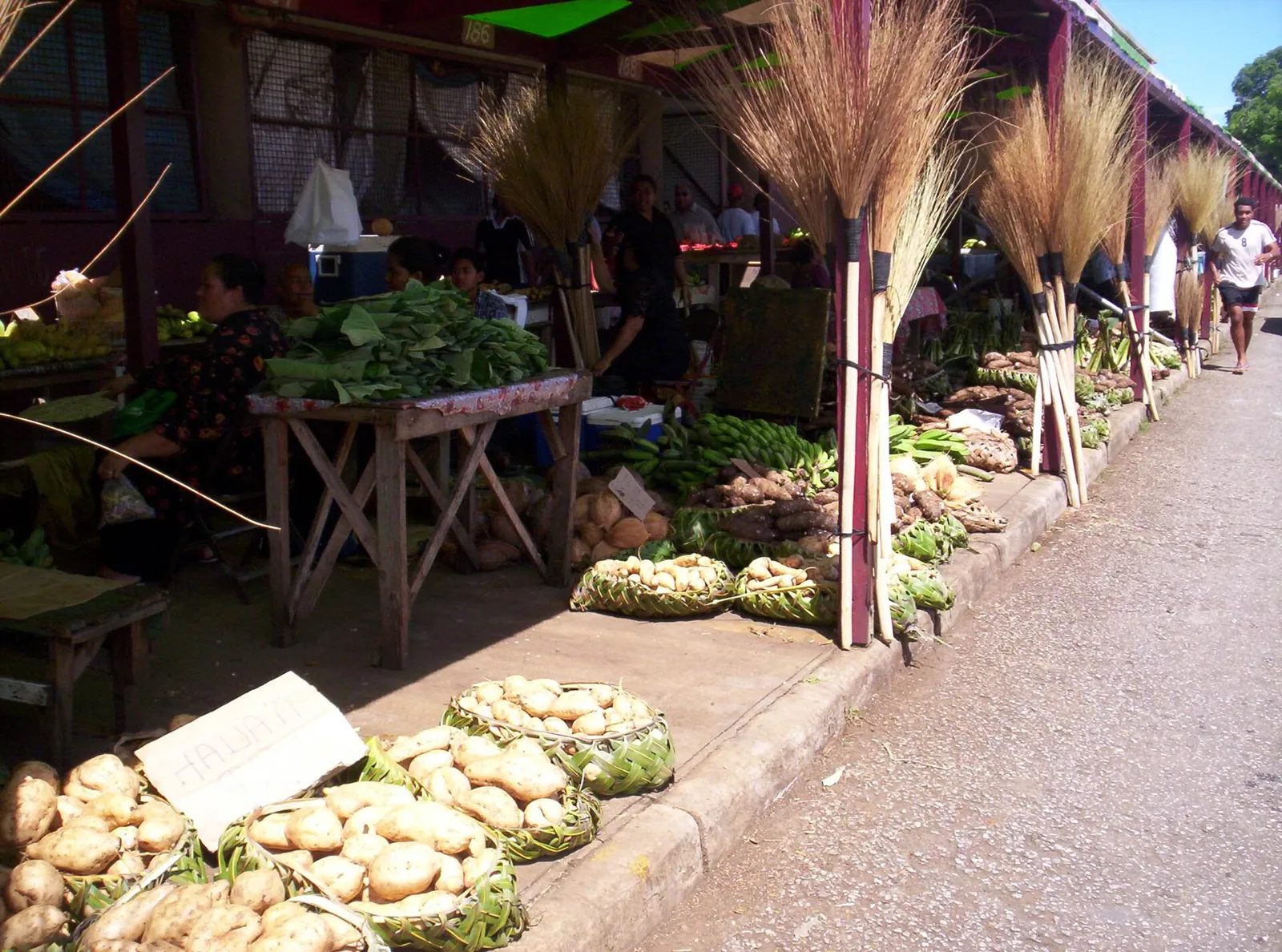
Image credits. Top image: Tapa crafts at Pasifika Festival, 2016. (PASF-D-2016-222) by Adana Dobranis, CC BY 4.0, via Wikimedia Commons · In-article image: Talamahu Market by Pilgrim81, Public domain, via Wikimedia Commons
Spotted something out of date or a gift that's no longer available? Tell our editors — we review every correction.




