Gift Etiquette in the Republic of the Congo: What to Bring and Avoid
In Congo-Brazzaville a modest thank-you gift, a proper greeting and smart clothes go a long way. Here is what to bring, what to avoid and how gifting works at holidays and in business.
We independently research every pick. If you buy through our links we may earn a small commission, at no extra cost to you. Affiliate disclosure.
Quick answer
In the Republic of the Congo (Congo-Brazzaville), a small gift is a welcome thank-you, especially when you are invited for a meal. Bring something modest, such as pastries, fruit, chocolates, a drink the family enjoys or a small item from home, and don't overspend. Greet everyone properly and ask after their family before anything else, show clear respect to elders, and dress smartly: appearance matters a great deal here.
- Host gift Pastries, fruit, chocolates or a small item from home
- When it matters most After an invitation to a meal
- Key courtesy Greet each person; ask about health and family
- Big gift times Christmas, New Year, weddings (the dot)
This guide covers the Republic of the Congo, whose capital is Brazzaville. It is a different country from its larger neighbor across the river; for that one, see our Democratic Republic of the Congo guide. French is the official language, and Lingala and Kituba (Munukutuba) are widely spoken. Christianity is the main faith, many people also keep traditional beliefs, and there is a small Muslim minority. Customs vary between ethnic groups and between Brazzaville, Pointe-Noire and rural areas, so treat what follows as general guidance.
What to give
Gifts are acceptable as a token of thanks, particularly after a meal invitation, and ordinary courtesies apply when you visit someone's home. Modest is the rule; a lavish gift can create awkwardness rather than goodwill.
For a host
Pastries, a cake, chocolates, fruit or a good bottle of juice are easy, safe choices that the whole family can share. If you know your hosts drink, a bottle of wine or beer is common at festive meals; beer and wine are served at many celebrations. A small specialty from your home country also makes a good talking point.
For friends, in-laws and families with children
For people you know well, a quality household item, fabric or a nicely made accessory shows care. Congolese often take great pride in their appearance and dress, so well-chosen clothing accessories, such as a scarf or tie, can be appreciated. For children, sweets, books or school supplies are welcome. For elders, choose something practical and of good quality, and present it with visible respect.
Pastries, cake or chocolates
Why it works: A shareable food gift is a natural thank-you for a meal invitation.
Skip it if: your hosts are Muslim and you can't confirm the ingredients; choose clearly labeled sweets.
A bottle of wine (if your hosts drink)
Why it works: Beer and wine are part of many festive meals, so a good bottle fits a celebration.
Skip it if: you don't know whether your hosts drink, or they are Muslim or members of a church that discourages alcohol.
A stylish accessory
Why it works: Dress is a point of pride for many Congolese, so a quality scarf, tie or wallet suits friends and in-laws.
Skip it if: you don't know the person's taste; a food gift is safer for a first visit.
Books or school supplies for children
Why it works: Practical and appreciated by parents.
Skip it if: you don't know the children's ages; sweets for everyone are easier.
For more shareable ideas, see our food gifts guide.
What to avoid
- Expensive or showy gifts. A lavish present can embarrass your host or look like you expect something in return. Keep it modest.
- Skipping the greeting. Greetings start with questions about the person's health and family; jumping straight to business, or to the gift, comes across as disrespectful.
- Contradicting elders. Agreement with older people and those of higher status is valued above frankness. If a gift or plan is questioned by an elder, don't argue the point.
- Assuming everyone drinks. Alcohol is common at celebrations, but some families do not drink. During Ramadan, do not drink or smoke in public.
- Food linked to a family's totem. Some families traditionally do not eat a particular animal regarded as a spiritual protector. Taboos vary by group and village, so ask before bringing meat or game.
- Casual dress for a visit. Turning up underdressed can look disrespectful. Avoid shorts and miniskirts in public, and choose neat, smart clothes for a home visit.
How to give and receive
- Greet everyone first. Greet each person, ask after their family, and don't rush. Then offer your gift.
- Show respect to elders. Older people are shown respect through gestures as well as words; greet and present to the most senior person first.
- Use your right hand or both hands to give and receive. This is a respectful default across much of the region.
- Keep the tone formal at first. Social interactions carry a certain formality in both towns and villages. Use titles and surnames until invited to do otherwise.
- Wrap simply. Neat paper or a gift bag is enough. See our gift wrapping ideas.
- Follow your host's lead on opening. If the gift is set aside unopened, don't press; simply accept thanks.
Holidays and occasions
Christmas (December 25) and New Year (January 1)
Christmas and New Year's Day are public holidays and the main times for family gatherings. At major festivals, meat, usually chicken, is a centerpiece of the meal, and drinks are shared. Food, drinks, clothing and gifts for children are typical contributions if you are invited.
Easter, Ascension, Whit Monday and All Saints' Day
Easter Monday, Ascension Day and Whit Monday are public holidays whose dates change each year with Easter. All Saints' Day (November 1) is also a public holiday. These are religious and family occasions rather than gift-giving holidays.
National holidays
Reconciliation Day (June 10), National Day (August 15) and Republic Day (November 28) are public holidays. They are civic occasions, not gift-giving days.
Weddings and the dot
Customary marriage centers on the dot, or bride price, a set of gifts, money or goods presented by the groom's family to the bride's family. It is a family-to-family exchange negotiated between relatives. If you are a guest rather than a relative, bring a wedding gift or cash in a card; our wedding section has ideas.
Business gifting
Business meetings are more formal than many American visitors expect. Wear business attire, address people as Mr. or Ms. plus their surname, and expect meetings to be conducted in French, so bring an interpreter if needed. Exchanging business cards and small gifts is common. A quality item from your home country or a branded desk accessory is appropriate; save larger gestures for later in the relationship.
Keep business gifts modest, especially for public officials. Anti-bribery laws in the Republic of the Congo, and often in your home country, can apply to gifts and hospitality, and many organizations set their own value limits. Check both companies' policies before giving. See our business gifts section for general guidance.
Frequently asked questions
What should I bring to a dinner in Congo-Brazzaville?
A modest thank-you gift: pastries, chocolates, fruit, juice, or wine if you know your hosts drink. Small gifts are especially appropriate after a meal invitation.
Is the Republic of the Congo the same as the DRC?
No. The Republic of the Congo (capital Brazzaville) and the Democratic Republic of the Congo (capital Kinshasa) are separate countries with some shared languages and traditions.
Are business gifts common in the Republic of the Congo?
Yes, exchanging business cards and small gifts is common. Keep gifts modest and follow anti-bribery rules, especially with officials.
What is the dot at a Congolese wedding?
The bride price: gifts, money or goods the groom's family presents to the bride's family as part of a customary marriage.
How should I dress when visiting a Congolese home?
Neatly and smartly. Many Congolese take great pride in their clothes, and avoiding shorts and miniskirts in public is advised.
Browse more country etiquette guides, including neighboring Gabon and Cameroon.
Sources
- World Travel Guide — Republic of Congo history, language and culture. worldtravelguide.net
- International Trade Administration — Republic of the Congo Country Commercial Guide: Business Travel. trade.gov
- Countries and Their Cultures (Every Culture) — Culture of Republic of Congo. everyculture.com
- Wikipedia — Culture of the Republic of the Congo. en.wikipedia.org
- Wikipedia — Public holidays in the Republic of the Congo. en.wikipedia.org
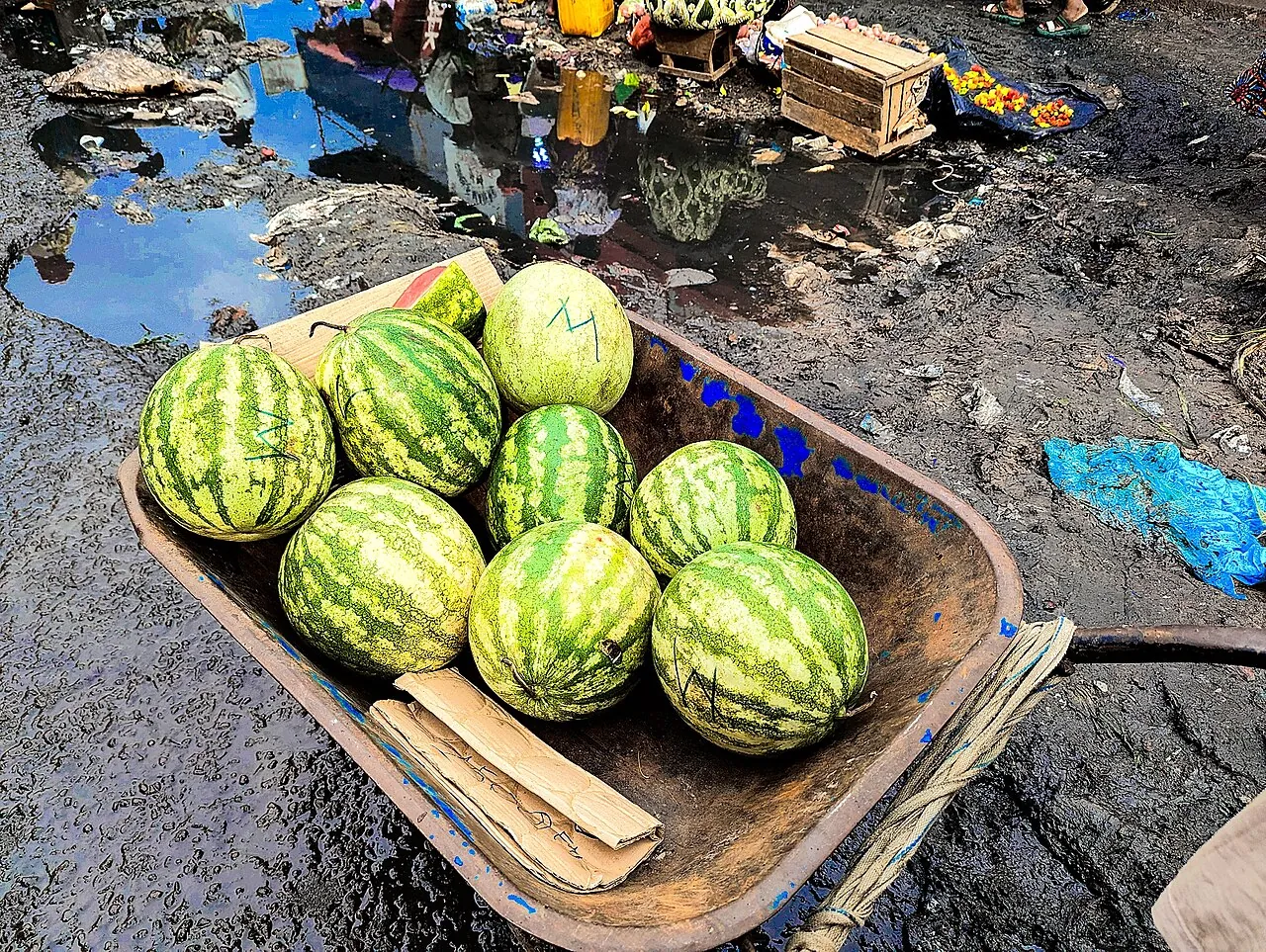
Image credits. Top image: Pastèques dans une brouette 02 by Africany, CC0 1.0, via Wikimedia Commons
Spotted something out of date or a gift that's no longer available? Tell our editors — we review every correction.



