Gift etiquette in Gabon: greetings, hospitality and holidays
Gabonese hospitality is warm and communal. A practical guide to modest host gifts, greetings, respect for status, holidays and business etiquette.
We independently research every pick. If you buy through our links we may earn a small commission, at no extra cost to you. Affiliate disclosure.
Quick answer
Gabonese social life is warm and communal, and hospitality within families is generous. If you are invited to a home, a modest, shareable gift such as a food treat or something from your home country is a safe, polite choice. Greet with a handshake (friends and acquaintances often kiss on both cheeks), use French courtesies, and show visible respect to prominent and senior people. Christmas, New Year and Independence Day on August 17 are major celebrations.
- Safe host gift Food treat or a gift from home
- Typical budget $15 – $50
- Language French
- Big celebrations Christmas, New Year, August 17
French is the official language and the language of business. Fang is the most widely spoken local language, and around 40 other indigenous languages are used. Most Gabonese are Christian, with Roman Catholics the largest group, and many people combine Christian practice with Bwiti, an ancestral tradition. There is also a Muslim community.
What to give
In Gabon, a gift is more about the gesture than the value. Gifts are not required, but when you are invited to a home or return for a second visit, small items such as sweets, fruit or a modest specialty from your home country are suitable. Families often live together in large households where "there is always room for one more," so a gift everyone can enjoy fits well. Our food gifts section has ideas that travel well.
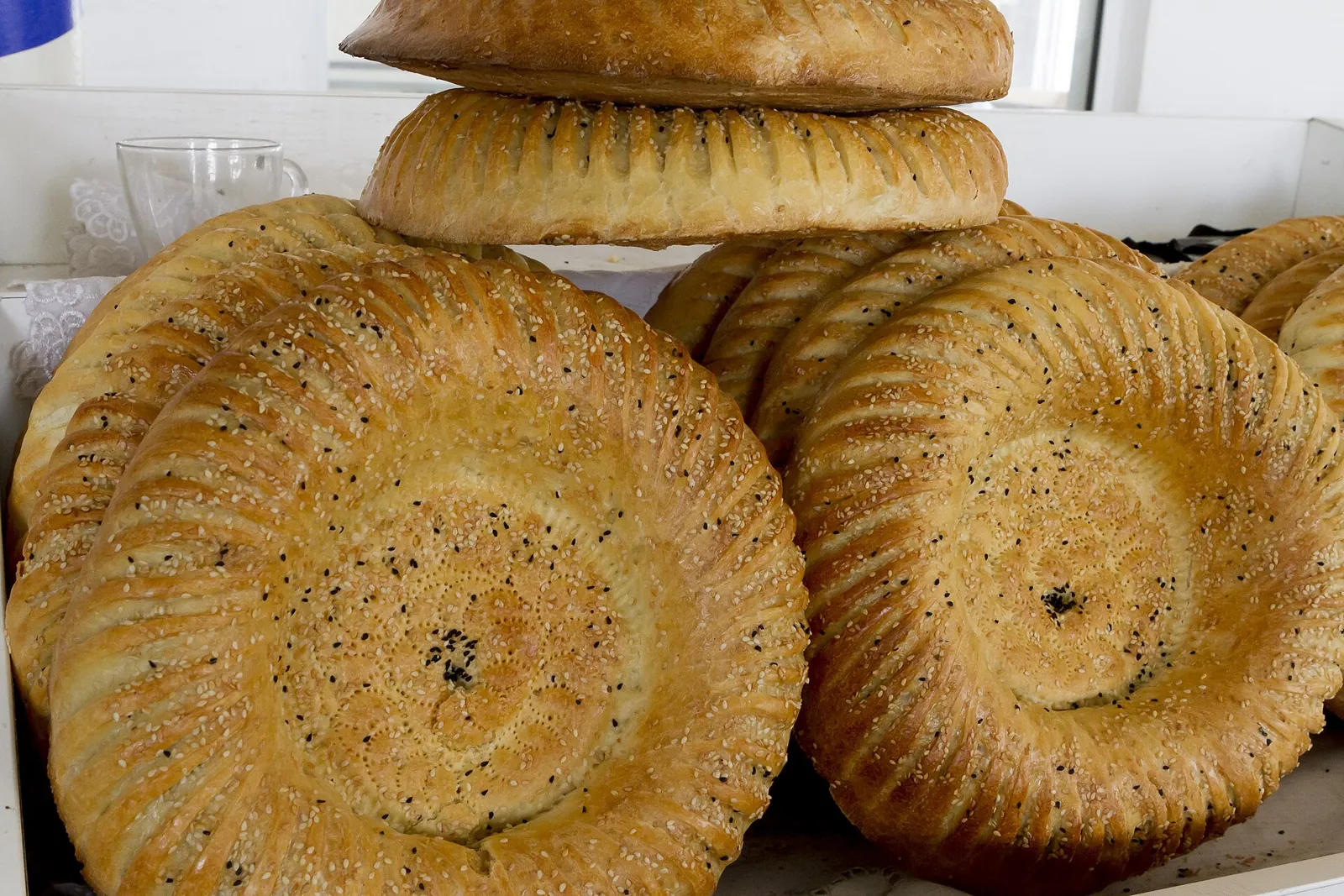
Chocolates, cookies or a specialty to share
Why it works: A shareable food gift suits large, communal households and needs no explanation.
Skip it if: your hosts are Muslim and the treat contains alcohol or pork gelatin.
Something from your home country
Why it works: A book of photos, a craft or a local delicacy from where you live is personal without being extravagant.
Skip it if: it is expensive enough to make your host feel obliged.
Small gifts for children
Why it works: Books, games or small toys include the whole family.
Skip it if: you do not know the household; choose something easy to share.
A modest business gift
Why it works: A book about your region or a quality desk item suits a first business relationship.
Skip it if: the recipient is a government official; keep anything for officials minimal and transparent.
What to avoid
- Overlooking status. Prominent figures receive great deference; they are traditionally the first to sit and the first to be served. Follow your host's lead on seating and serving order.
- Alcohol you are unsure about. Gabon's Muslim community generally avoids alcohol. Bring wine or spirits only if you know it suits your hosts' preferences and faith; food is the safer gift.
- Extravagant gifts. They shift attention from the gesture to the price and can make your host feel obliged.
- Skipping the greeting. Making a request, even in a small shop, without first saying bonjour comes across as rude.
- Overreacting to directness. Gabonese social life is communal, and frank speech or curious looks are common and not meant as rudeness.
- Very casual business dress. Men generally wear a suit and tie for business; some wear traditionally patterned shirts.
How to give and receive
- Shake hands with both men and women when you first meet. When a woman meets someone for the second time, two kisses on the cheek, as in France, are the norm.
- Stand up to greet elders and offer your right hand. Titles such as Monsieur and Madame show respect to older people.
- Use French courtesies such as Bonjour, Bonsoir, S'il vous plaît and Merci.
- Offer your gift with your right hand and a few words of thanks, simply and warmly.
- Dress modestly, covering shoulders and knees at churches and mosques, and follow your host's lead at traditional ceremonies.
- Accept hospitality graciously; sharing food is a central part of family life.
- Ask a local friend if you are unsure what is appropriate for a particular family or community.
Holidays and occasions
- Independence Day (August 17) is marked with parades and speeches, with the preceding day also a holiday.
- New Year's Day is widely celebrated, and Christmas (December 25) is a public holiday. See our Christmas ideas.
- Christian holidays including Easter Monday, Ascension, Whit Monday, Assumption (August 15) and All Saints' Day (November 1) are public holidays; several move each year.
- Eid al-Fitr and Eid al-Adha are public holidays; their dates vary each year with the Islamic calendar.
- Women's Day is April 17.
Family ceremonies for birth, marriage, healing and death are important. Palm wine and food are offered at many traditional ceremonies, and a mourning-ending ceremony (retraite de deuil) is often held about a year after a death. If you are invited, ask a close contact what guests usually bring.
Business gifting
Gabonese business etiquette is broadly similar to European, and especially French, norms, and Gabon's culture shares much with its Central African neighbors and its French heritage. Shake hands with everyone on first meeting, dress formally, and prepare materials in French, the official language; English may become more common now that Gabon has joined the Commonwealth. Expect some relationship-building small talk before business, and accept the coffee or soft drink you are offered. The public sector follows a continuous working day from about 7:30 a.m. to 3:30 p.m., while private and foreign firms tend to keep European-style hours.
Gifts are not a formal part of business. A modest item once a relationship is established, such as branded stationery or a specialty from your region, is a pleasant gesture; avoid anything that could look like an inducement, especially with officials, and follow your company's gift policy and the anti-bribery laws that apply to you, such as the U.S. Foreign Corrupt Practices Act or the UK Bribery Act. More ideas are in our business gifts guide.
Frequently asked questions
What should I bring to a Gabonese home?
Something modest and shareable, such as a food treat or a small gift from your home country, plus something for the children if there are any.
How do people greet each other in Gabon?
A handshake for both men and women at first meeting. A woman meeting someone for the second time usually exchanges two kisses on the cheek, as in France.
What language should I use in Gabon?
French is the official language and is used in business. Fang and many other local languages are also spoken.
When is Gabon's Independence Day?
August 17, celebrated with parades and speeches.
Compare customs in neighboring Cameroon and Equatorial Guinea, or browse all countries.
Sources
- Oxford Business Group — Facts for visitors: Information for first-time travellers to the country (Gabon). oxfordbusinessgroup.com
- Oxford Business Group — Facts for visitors: Useful information for business and leisure travellers (Gabon, 2016 report). oxfordbusinessgroup.com
- International Trade Administration — Gabon Country Commercial Guide: Business Travel. trade.gov
- Hello (travelwithhello.com) — Gabon Cultural Guide: Etiquette, Customs, and Tips. travelwithhello.com
- Countries and Their Cultures (everyculture.com) — Gabon. everyculture.com
- Office Holidays — Public Holidays in Gabon in 2026. officeholidays.com
Image credits. Top image: Lbv-marché-NKembo3 by Barada-nikto, CC BY-SA 4.0, via Wikimedia Commons · In-article image: Produit agricole du Gabon 19 by Kani Beat, CC BY-SA 4.0, via Wikimedia Commons
Spotted something out of date or a gift that's no longer available? Tell our editors — we review every correction.