Gift etiquette in Cameroon: what to bring, avoid and how to give it
A modest, thoughtful gift and an unhurried greeting go a long way in Cameroon. Here is what to bring a host, what to skip and how gifts work at Christmas and in business.
We independently research every pick. If you buy through our links we may earn a small commission, at no extra cost to you. Affiliate disclosure.
Quick answer
In Cameroon, gifts should be thoughtful, modest and suited to the host's religion. Fruit or a food treat is a safe host gift, and something small for the children, such as school supplies or sweets, is often appreciated. Give with your right hand or both hands, and don't expect the gift to be opened in front of you. Don't bring alcohol to a Muslim household. In business, gifts are not required, but small, respectful tokens are welcome.
- Safe host gift Fruit, pastries or a food specialty
- Typical budget $15 – $50
- Hands Right hand or both hands, never the left alone
- Languages French and English (plus Pidgin and local languages)
Cameroon is remarkably diverse, and that applies to etiquette too. The country has Francophone and Anglophone regions, a stronger Muslim influence in the north (especially among Fulani communities) and a more Christian south, plus many local traditions. Customs vary from family to family, so watch your hosts and follow their lead.
What to give
Sharing food is one of the main ways Cameroonians build and maintain relationships, and serving and graciously receiving food is a strong sign of hospitality and trust. That makes food-related gifts a natural fit.
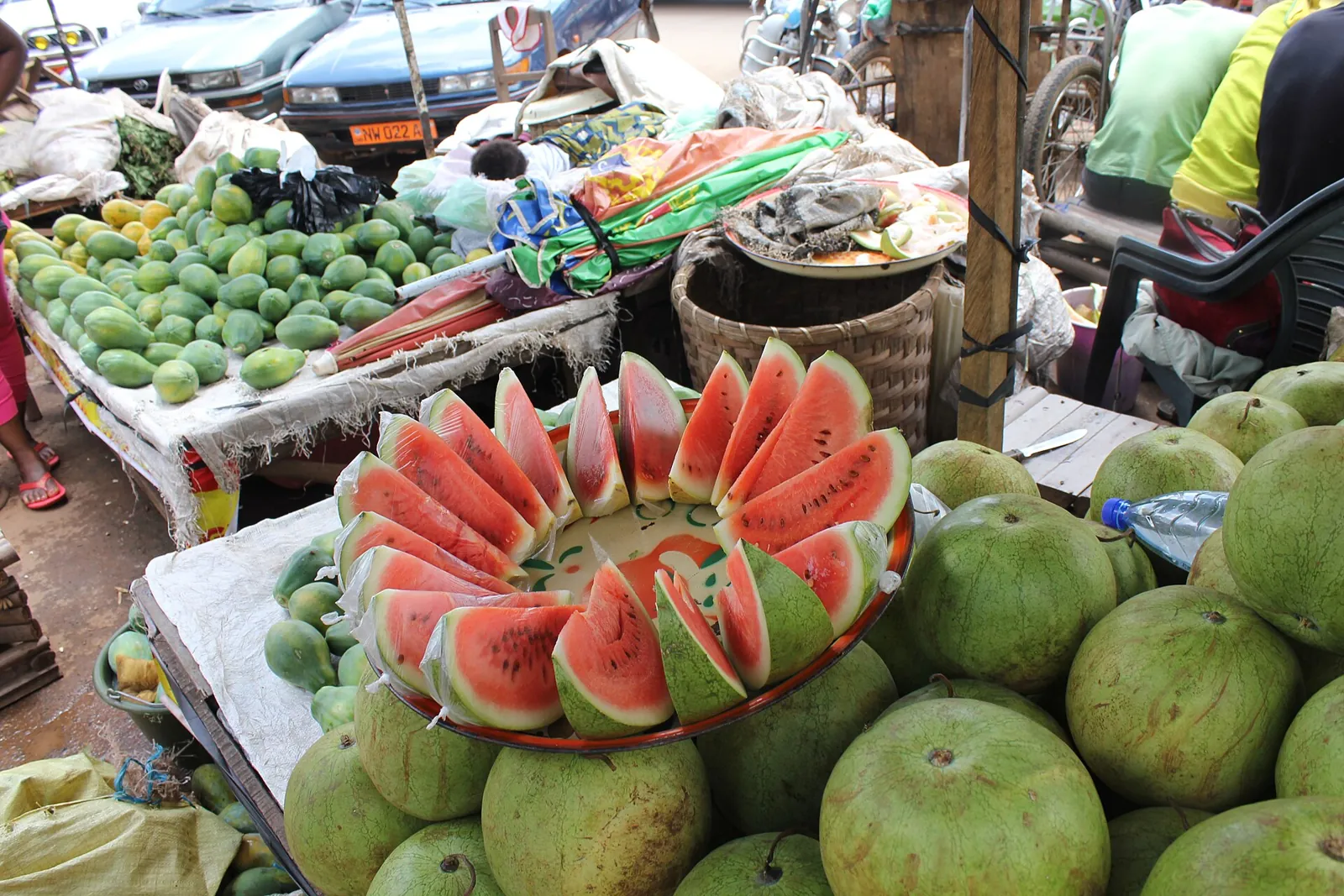
Fruit or a food treat for the host
Why it works: Fruit is a commonly suggested host gift, and food gifts fit the culture of sharing. Pastries, good tea or coffee, or a specialty from your home country all work.
Skip it if: You plan to bring something homemade without checking dietary needs; ask about religious food rules first.
School supplies or sweets for the children
Why it works: A small gift for the children, such as notebooks, pens or sweets, is often appreciated and shows thought for the whole family.
Skip it if: You'd be singling out one child in a large household; bring enough to share.
Wine or whiskey for a host who drinks
Why it works: Wine or whiskey is an accepted gift in many Christian households when you know your host drinks.
Skip it if: Your host is Muslim or you are not sure; alcohol should not be brought to a Muslim home.
Something from your home country
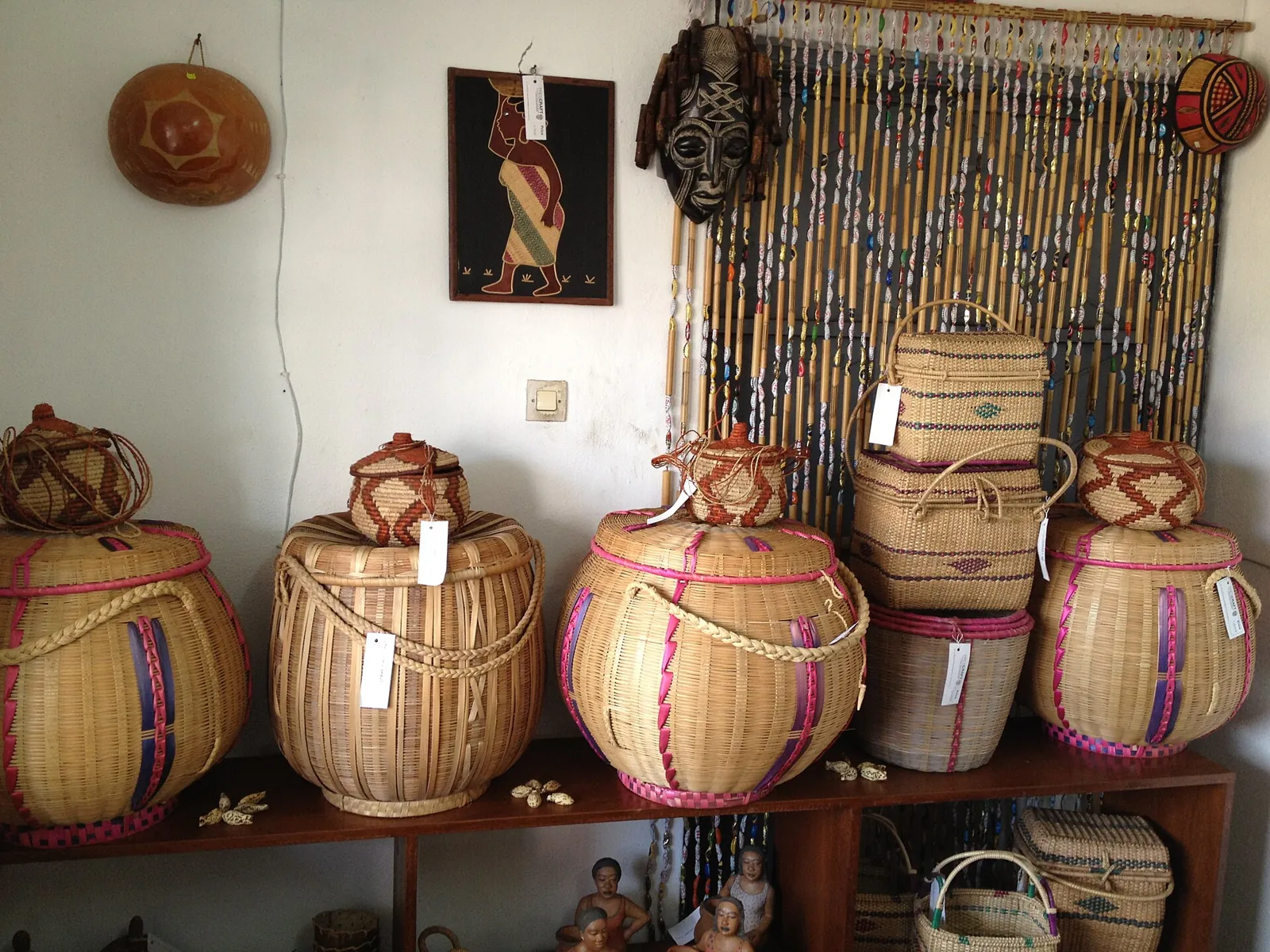
Why it works: A book about your region, a craft or a food specialty gives a friend, colleague or in-law a story to go with the gift, without seeming extravagant.
Skip it if: It is flashy or expensive; modest gifts are the norm.
What to avoid
- Alcohol for Muslim hosts. It conflicts with religious practice and should not be brought to a Muslim household. When in doubt, choose fruit or sweets.
- Giving with the left hand alone. Gifts should be given with the right hand or both hands.
- Extravagant gifts. Etiquette guidance stresses that gifts should be modest; an expensive present can create an awkward obligation.
- Rushing the greeting. Handing over a gift before greeting people properly, or skipping the elders, comes across as abrupt.
- Talking business at a social visit. Unless your host raises it, keep a home visit social.
How to give and receive
- Greet first. Greet people individually, starting with elders and senior figures, and allow time for questions about family and wellbeing. A handshake is standard; in Francophone areas, cheek kisses may be customary among people who know each other.
- Use the right hand or both hands to give, and to receive anything offered to you.
- Don't expect it to be opened. Gifts may not be opened when they are received, so don't read anything into it.
- Dress well when you are invited to someone's home; it is a sign of respect.
- At the table, wash your hands if a basin and soap are offered, wait for the eldest person to begin when food is shared, and eat with your right hand if eating by hand.
- Say thank you warmly and follow up later.
Holidays and occasions
Christmas
Christmas is a major celebration in Christian communities. Church, a special meal and new clothes, especially for children, are central to the season, and family breadwinners are often expected to provide gifts and food for spouses, children and other dependents. Toys, clothes and shoes are popular gifts. If you are invited to a Christmas gathering, a food treat for the household and small gifts for the children fit well. Browse our Christmas ideas.
Islamic holidays
Eid al-Fitr (Djouldé Soumaé) at the end of Ramadan, Eid al-Adha and the Prophet's birthday are public holidays. Their dates follow the Islamic calendar and change every year. For Muslim friends, sweets, fruit or a greeting for the festival are thoughtful gestures.
National days and family events
Youth Day (February 11) and National Day (May 20) are marked with parades rather than gift-giving. Weddings and funerals are major social events, and in Grassfields communities a lavish celebration often honors a person about a year after their death. For weddings, ask a close friend of the family what is customary in that community.
Business gifting
Gifts are not required in Cameroonian business, but small, respectful tokens are appreciated. Greetings usually start with a handshake, titles and formal address matter, and small talk and relationship-building come before business. Formal dress is expected: suits for men and professional attire covering the shoulders and knees for women. Punctuality is more relaxed than in many Western countries, so patience helps.
Business cards should be translated into French or English depending on the region; French dominates in Yaoundé and government, while English is important in the Anglophone regions. Ask which language your counterparts prefer.
Keep business gifts modest, such as a quality pen, a book about your region or a desk item with your company logo, and avoid anything that could look like an inducement, especially for government officials. Follow your company's policy and the anti-bribery laws that apply to you. For more ideas, see business gifts.
Frequently asked questions
What should I bring to a Cameroonian home?
Fruit, pastries or another food treat for the host, plus school supplies or sweets for the children. Bring wine or whiskey only if you know your host drinks and is not Muslim.
Are gifts opened right away in Cameroon?
Not always. Gifts may be put aside and opened later.
Which hand should I use to give a gift?
Your right hand or both hands. Avoid using your left hand alone.
Are business gifts expected in Cameroon?
No, but small, respectful tokens are appreciated, ideally once a relationship has started.
What do people give at Christmas in Cameroon?
New clothes, shoes and toys for children are popular, along with special food for the family meal.
Planning more trips? Explore all our country gift guides or read about gift etiquette in Nigeria.
Sources
- Commisceo Global — Cameroon: Language, Culture, Customs and Etiquette. commisceo-global.com
- International Trade Administration — Cameroon Country Commercial Guide: Business Travel. trade.gov
- Countries and Their Cultures — Culture of Cameroon. everyculture.com
- VOA News — Chinese Goods Top Christmas Wish List in Cameroon (2011). voanews.com
- Office Holidays — Public Holidays in Cameroon. officeholidays.com
Image credits. Top image: Nkwen Fruit Market - panoramio by Dada dada, CC BY-SA 3.0, via Wikimedia Commons · In-article image: Cameroon handicraft by Abdourassoul, CC BY-SA 4.0, via Wikimedia Commons
Spotted something out of date or a gift that's no longer available? Tell our editors — we review every correction.




