Gift etiquette in the DR Congo: host gifts, respect and Christmas
In the Democratic Republic of the Congo, respect, family ties and hospitality matter more than expensive presents. Here is what to bring, how to behave and how business gifts work.
We independently research every pick. If you buy through our links we may earn a small commission, at no extra cost to you. Affiliate disclosure.
Quick answer
In the Democratic Republic of the Congo (DRC), keep gifts modest and proportionate. A food treat to share or something from your home country suits a home visit, and small gifts for children are a kind touch. Greet senior people first, use formal titles, and accept some of the food or drink you're offered. Christmas is mainly a religious celebration, and many families don't exchange presents. In business, gifts should be small and within your organization's rules.
- Safe host gift A food treat or a specialty from home
- Typical budget $15 – $40
- Business language French
- Key courtesy Formal titles until invited otherwise
The DRC is a vast country with many ethnic groups and languages. French is the official and business language, and national languages such as Lingala and Swahili are widely spoken. Family networks extend well beyond the household: cousins may be treated as brothers and sisters, and older relatives and respected acquaintances may be called "mother" or "father." This guide covers the DRC (capital Kinshasa), not the neighboring Republic of the Congo. Anyone planning a trip should follow their own government's current travel advice.
What to give
Being invited to a family event or a home is a sign of growing trust. A modest gift that the household can share is the best way to respond.
A food treat to share
Why it works: Shared meals are a key part of hospitality, and pastries, chocolates or fruit can be enjoyed by everyone.
Skip it if: You haven't checked dietary or religious preferences; ask first.
Something from your home country
Why it works: A specialty food, a book about your region or a small craft gives friends and colleagues a story and a conversation starter.
Skip it if: It's flashy or expensive; proportionate gifts are best.
School supplies or treats for children
Why it works: Shows thought for the whole family, which is central in Congolese life.
Skip it if: You can't bring enough for every child in the household.
What to avoid
- Disproportionate gifts. Lavish presents can create an awkward obligation and, in business, may breach rules.
- Using first names too soon. Start with titles and surnames, and let your Congolese counterpart set the pace of familiarity.
- Ignoring senior people. Acknowledge the most senior people present first.
- Refusing all food and drink. Accepting some generally shows appreciation.
- Public impatience or anger. Losing your temper damages your credibility.
- Assuming household structures. Family networks often extend beyond the people living in a home, so don't make assumptions about who's who.
How to give and receive
- Greet formally and courteously when meeting someone for the first time, and follow your host's lead on greeting style.
- Use the right titles: Monsieur and Madame, plus professional, political, religious and traditional titles where they apply.
- Hand over your gift after greetings, with a few warm words.
- Let the host guide seating, food and the pace of the visit.
- Thank the host and the cooks. Acknowledge those who prepared the meal as well as your host.
- Show solidarity at funerals. Funerals draw people well beyond the immediate family, and acknowledging a death matters.
Holidays and occasions
Christmas
Christmas in the DRC is more religious than commercial. Many churches hold long musical evenings on Christmas Eve, with several choirs and a nativity play that can run until about 1 a.m.; in some places singing continues until dawn. Most people don't exchange presents. Instead, families try to eat better than usual on Christmas Day, with chicken or pork if they can afford it. If you're invited to a Christmas meal, a food contribution or small gifts for the children fit the spirit of the day. See our Christmas ideas.
New Year and Independence Day
New Year's Day is a public holiday, and Independence Day falls on June 30. Some public holidays are confirmed by the government only shortly beforehand, so check before scheduling visits.
Family occasions
Weddings, births and funerals bring large family networks together. If you're invited, it's a sign of trust; ask a close friend of the family what's customary to bring.
Business gifting
Protocol matters in Congolese business, especially with government officials. Request meetings with officials by formal letter, use official titles and expect French to be the language of nearly all meetings; an interpreter is acceptable. Business or formal attire is appropriate for meetings and most dinners.
Schedules are rarely fixed: allow extra time, reconfirm appointments a day in advance and expect delays, particularly with senior officials. Lunches often last two hours, and dinners start around 8 or 9 p.m. Relationships are built through repeated contact and reliability, and a change of representative may mean rebuilding trust.
Keep gifts and hospitality proportionate and consistent with your organization's policies. A modest item, such as a book about your region or a quality pen, is enough. Avoid anything that could be seen as an inducement, especially for officials, and follow the anti-bribery laws that apply to you. See business gifts for more ideas.
Frequently asked questions
What should I bring to a Congolese home?
A food treat to share, something from your home country, or small gifts for the children. Keep it modest.
Do people in the DRC exchange Christmas gifts?
Many don't. Christmas centers on church services and a special family meal.
What language should I use in business?
French. Almost all meetings are held in French, and an interpreter is acceptable.
How should I address people?
Use Monsieur or Madame with the surname, or an official title, until you're invited to use first names.
Are business gifts expected?
No. If you give one, keep it modest and within your organization's gift policy.
Looking at the neighboring country? Read gift etiquette in the Republic of the Congo, or browse all country guides.
Sources
- Commisceo Global — Democratic Republic of the Congo: Language, Culture, Customs and Etiquette. commisceo-global.com
- International Trade Administration — Democratic Republic of the Congo Country Commercial Guide: Business Travel. trade.gov
- Why Christmas — Christmas in the Democratic Republic of the Congo. whychristmas.com
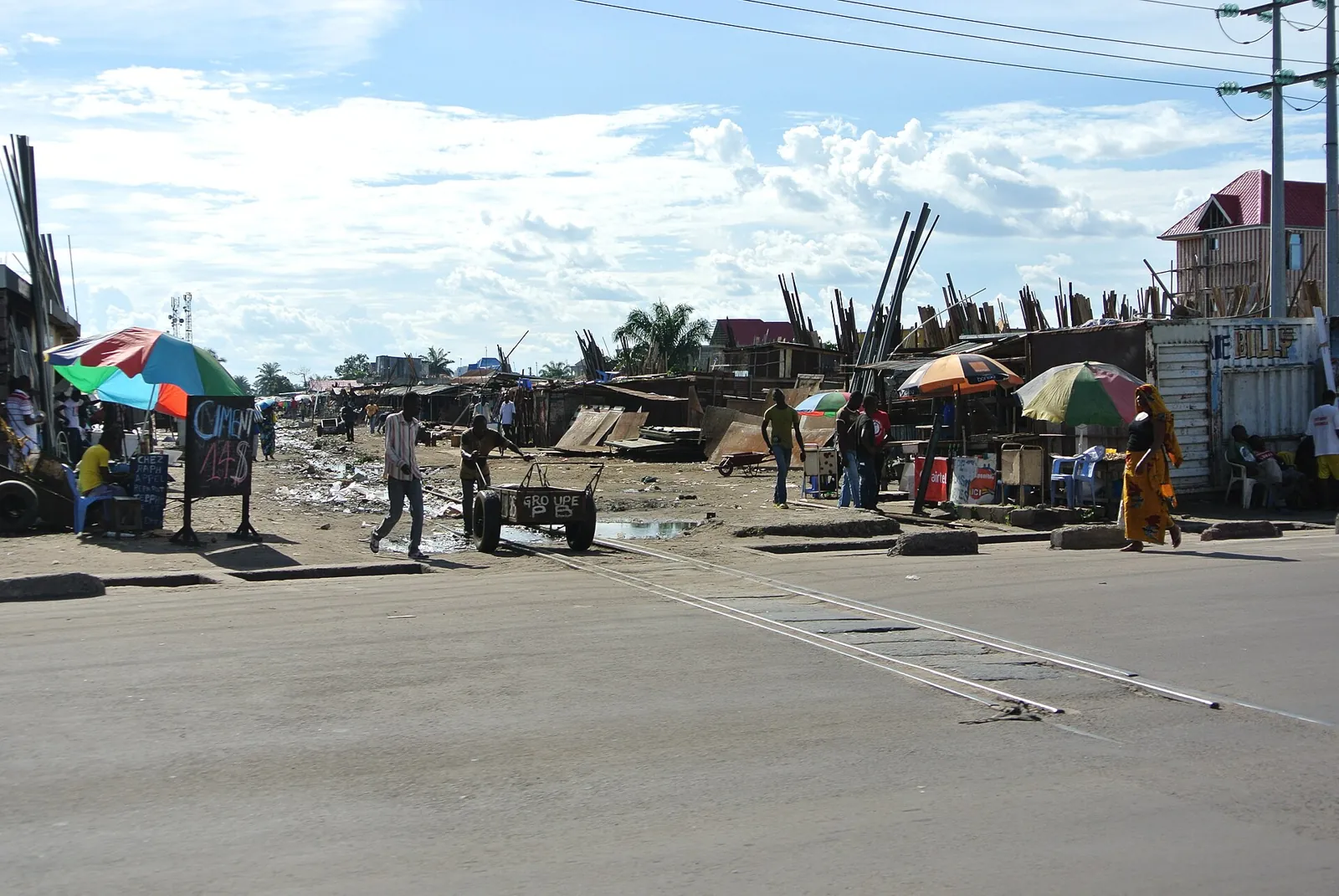
Image credits. Top image: 2013 Kinshasa 8757822092 by Antoine Moens de Hase, CC BY 2.0, via Wikimedia Commons
Spotted something out of date or a gift that's no longer available? Tell our editors — we review every correction.



