Gift etiquette in the Philippines: pasalubong, Christmas and more
In the Philippines, gifts are generous, family-centered and often edible. Here is what to bring, what to avoid and how the long Christmas season works.
We independently research every pick. If you buy through our links we may earn a small commission, at no extra cost to you. Affiliate disclosure.
Quick answer
Gift giving in the Philippines is generous, family-centered and closely tied to food. Bring something to share when you visit a home, and bring pasalubong, small gifts or treats from your trip, for family and friends when you return from traveling. Wrap gifts with care, and don't expect them to be opened in front of you. Christmas is by far the biggest gift season: it starts in September and peaks with the Noche Buena feast on Christmas Eve. Most Filipinos are Catholic, but if your hosts are Muslim, skip alcohol and pork.
- Safe host gifts Desserts, baked goods, fruit, a specialty from home
- Opening Usually later, not in front of the giver
- Key word Pasalubong (gifts from your travels)
- Biggest gift season Christmas, from September to early January
What to give
Filipinos often choose gifts that are sentimental, thoughtful or practical, and presentation matters: givers usually put real effort into wrapping. Gifts are especially common when visiting someone's home, and food is the easiest way to get it right, since it can be shared with the whole household.
Pasalubong
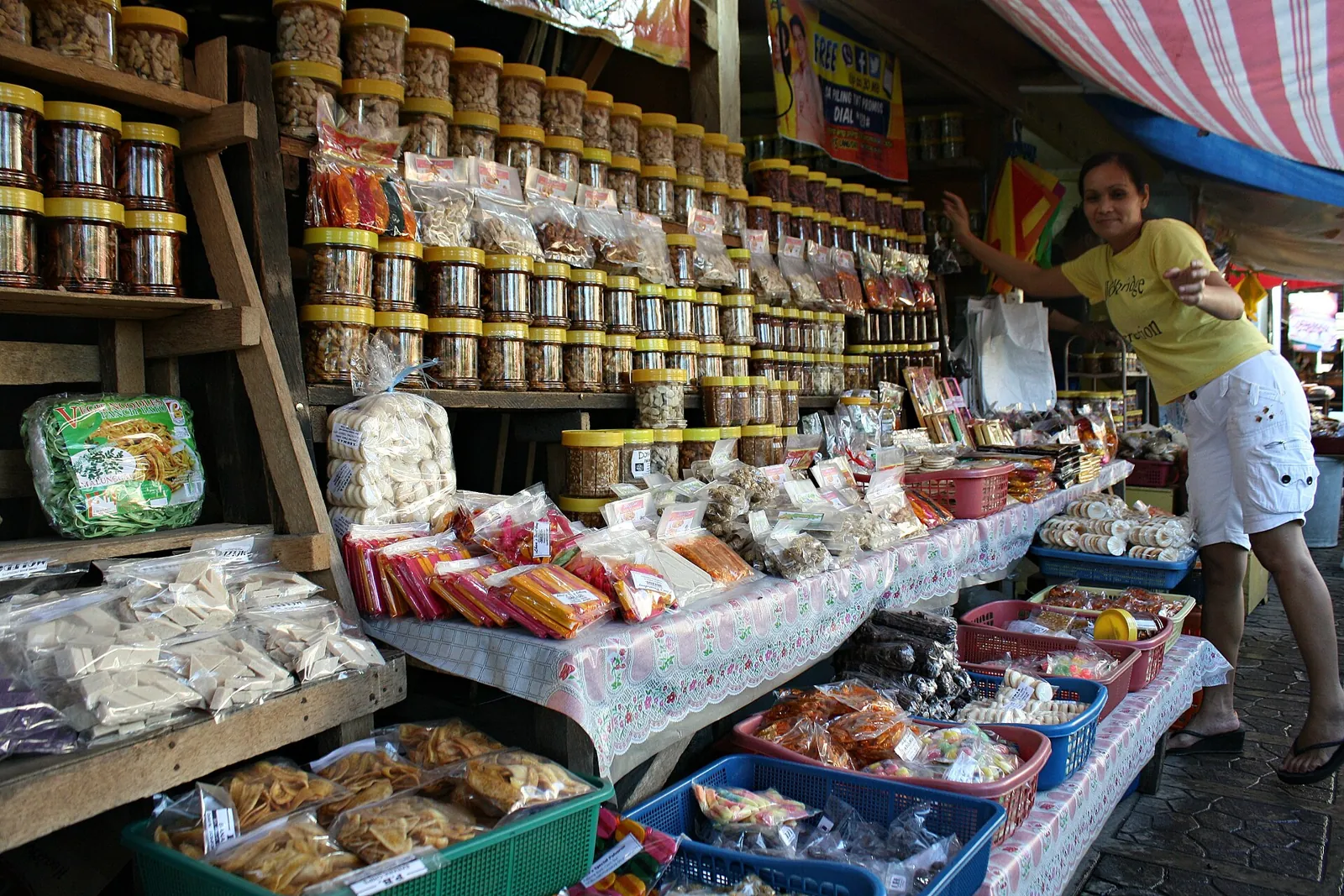
Pasalubong are homecoming gifts a traveler brings for family, friends or neighbors. The word comes from the Tagalog salubong, meaning to welcome or meet. Typical pasalubong are regional food specialties, sweets, chocolates, toys or small items that are hard to find locally. They are not strictly compulsory, but arriving without any can sometimes be noticed. Filipinos abroad often send larger shipments of gifts home in a balikbayan box, a modern version of the same custom.
Chocolates or snacks from your home country
Why it works: This is classic pasalubong: easy to pack, easy to share and a taste of where you came from. Individually wrapped treats work well for big families and offices.
Skip it if: You are visiting older relatives with health conditions who avoid sugar; choose fruit or a practical gift instead.
A dessert or baked goods for the table
Why it works: Meals are central to Filipino hospitality, and something the family can enjoy together after dinner is a natural host gift.
Skip it if: The host has said the meal is fully catered; a small gift for the household still works.
Practical gifts for in-laws and elders
Why it works: Useful items such as quality kitchenware, toiletries or clothing are appreciated; they are the kind of goods often packed into balikbayan boxes.
Skip it if: You don't know the person's size or taste well.
Small toys or treats for children
Why it works: Gifts for children carry special weight in Filipino families, and many adults remember waiting for a parent's pasalubong as children.
Skip it if: There are several children in the house and you have only brought one gift; bring enough for everyone.
For more ideas that travel well, see our food gifts guide.
What to avoid
- Alcohol and pork for Muslim hosts. About 5% of Filipinos are Muslim, mostly in Mindanao, Sulu and Palawan. Islamic dietary rules prohibit both, so choose sweets, fruit or a non-food gift instead.
- Overly lavish gifts. Generosity can create a lasting sense of obligation, known as utang na loob (a debt of gratitude). An extravagant gift can leave someone feeling they owe you.
- Turning down food. Accepting refreshments is seen as polite, and refusing them can come across as rude.
- Calling the woman of the house the "hostess." The word has an offensive meaning in the Philippines; say "host" or use her name.
- Pushing gifts on public officials. Philippine law bars officials from accepting gifts connected to their duties (see business gifting below).
How to give and receive
- Wrap it nicely. Presentation is important, so take time over the wrapping. Pasalubong are the exception and are often handed over unwrapped. Our gift wrapping guide has simple ideas.
- Don't expect it to be opened. Recipients usually thank you and set the gift aside to open later.
- Be gracious about what you receive. Thank the giver warmly whatever the gift, and don't criticize it.
- Accept food and pabaon. Hosts may offer you food to take home (pabaon) after a gathering. Accepting is polite.
- Follow the house rules at the door. Many households ask guests to remove shoes, and the host may offer slippers.
- Bring enough to share. Visits often involve extended family, so a gift the whole household can enjoy is usually better than one small item for one person.
Holidays and occasions
Christmas season
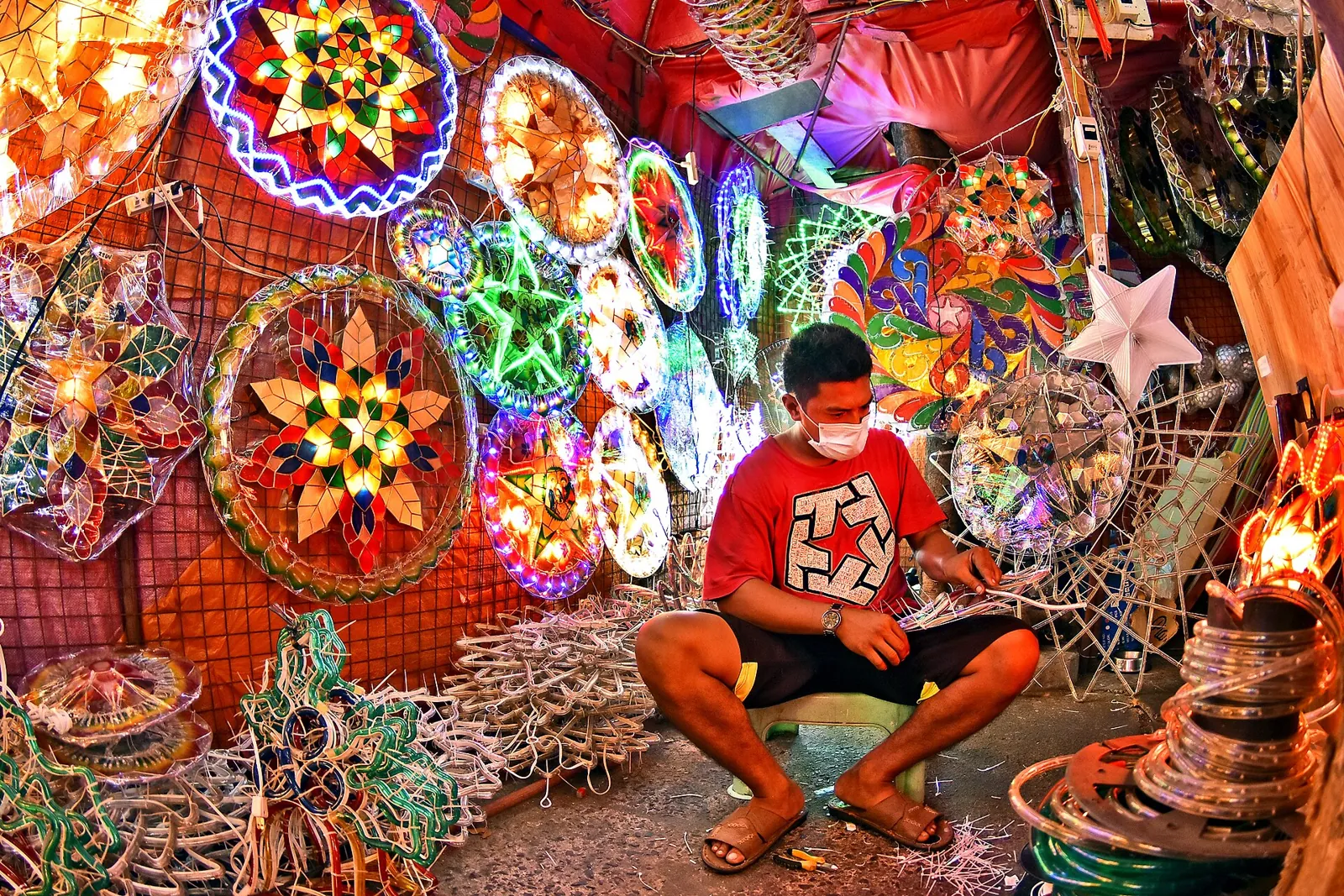
The Philippines has one of the longest Christmas seasons anywhere. Celebrations begin in September, at the start of the "ber" months, and continue until the Feast of the Three Kings on January 6. Gifts go to family, friends, colleagues and godchildren, and if you are invited to a Christmas gathering, bringing food or a small gift is a good idea. If your office runs a gift exchange, stick to the agreed budget. Our Christmas gift guide has ideas by recipient.
Simbang Gabi
Many Catholics attend Simbang Gabi, a series of nine dawn Masses usually held from December 16 to Christmas Eve. Rice cakes such as bibingka and puto bumbong are often sold outside churches afterward.
Noche Buena
Noche Buena is the family feast on Christmas Eve, December 24, often after the late-night Mass and culminating around midnight. Typical dishes include lechón, ham and queso de bola, and the evening often involves exchanging gifts.
Aguinaldo for godchildren
Godparents, called ninong and ninang, traditionally give their godchildren (inaanak) Christmas gifts called aguinaldo, either as money or as presents. If you are a godparent, expect visits from your godchildren over the holidays.
Bonuses and the 13th month pay
Employees receive a legally required 13th month pay before Christmas, and some employers add a discretionary Christmas bonus, which can be cash, gift checks or other gifts.
Business gifting
Gifts can be part of business relationships, especially around Christmas, but they should be modest and suit the relationship. Food that a team can share, a specialty from your home country or a quality branded item are safe choices. Remember that gifts may be opened later, not during the meeting.
Gifts to government employees need extra care. Under Republic Act No. 6713, the Code of Conduct and Ethical Standards for Public Officials and Employees, officials may not solicit or accept, directly or indirectly, gifts, favors or anything of monetary value in connection with their official duties. Check the recipient's rules and your own company's policy, and remember that your home country's anti-bribery laws may apply too. Our business gifts guide and country guides have more advice, including for neighboring Thailand.
Frequently asked questions
What is pasalubong?
Pasalubong are gifts a traveler brings home for family, friends or neighbors, often regional food specialties or sweets. The word comes from salubong, to welcome.
What should I bring to a Filipino home?
Something to share, such as a dessert, baked goods, fruit or a specialty from home. Accept the food you are offered, and expect your gift to be opened later.
When do Filipinos open Christmas presents?
Many families exchange gifts during Noche Buena, the feast on Christmas Eve that peaks around midnight. Practices vary by family.
What do godparents give at Christmas in the Philippines?
Ninongs and ninangs give their godchildren aguinaldo, either money or wrapped presents.
Can I bring wine to a Filipino host?
For most Christian households, wine is a fine gift for adults who drink. For Muslim hosts, choose sweets, fruit or a non-food gift instead.
Sources
- Cultural Atlas — Filipino culture: Etiquette. theculturalatlas.org
- Cultural Atlas — Filipino culture: Religion. theculturalatlas.org
- Commisceo Global — Philippines: Language, culture, customs and etiquette. commisceo-global.com
- Wikipedia — Pasalubong. wikipedia.org
- Asia Media Centre — 10 ways of celebrating Christmas in the Philippines. asiamediacentre.org.nz
- The LawPhil Project — Republic Act No. 6713. lawphil.net
Image credits. Top image: Pasalubong by Elmer nev valenzuela, CC BY-SA 4.0, via Wikimedia Commons · In-article image: Parol Maker by Richmond Chi, CC BY-SA 4.0, via Wikimedia Commons
Spotted something out of date or a gift that's no longer available? Tell our editors — we review every correction.




