Gift Etiquette in Palau: Ceremonies, Hosts and Respect for Elders
In Palau, gifts are exchanged at ceremonies and a village's farewell gift calls for one in return. Here is how to give, receive and show respect as a visitor.
We independently research every pick. If you buy through our links we may earn a small commission, at no extra cost to you. Affiliate disclosure.
Quick answer
Gift exchange is a normal part of ceremonies in Palau. If a village or host presents you with a gift, especially at a farewell, respond with a short thank-you speech and a gift in return, and consider a contribution toward the event's costs. On everyday visits, say "Alii" as you approach, accept the food and drink you're offered, and show respect to elders, never turning your back on them.
- Ceremonies Gifts exchanged between hosts and guests
- Farewells Return the village's gift; a cost contribution is appreciated
- Home visit Say "Alii"; accept food and drink
- Key respect Elders, chiefs and matriarchs
Palau is a republic of about 300 islands in western Micronesia. Society is organized around matrilineal clans: in each village a council of chiefs from the ranking clans works alongside a parallel council of women who have a major role in dividing and controlling land and money. Palau is predominantly Christian, and Modekngei, a traditional religion, is still widely practiced. Palauan and English are both official languages.
What to give
At ceremonies and village events
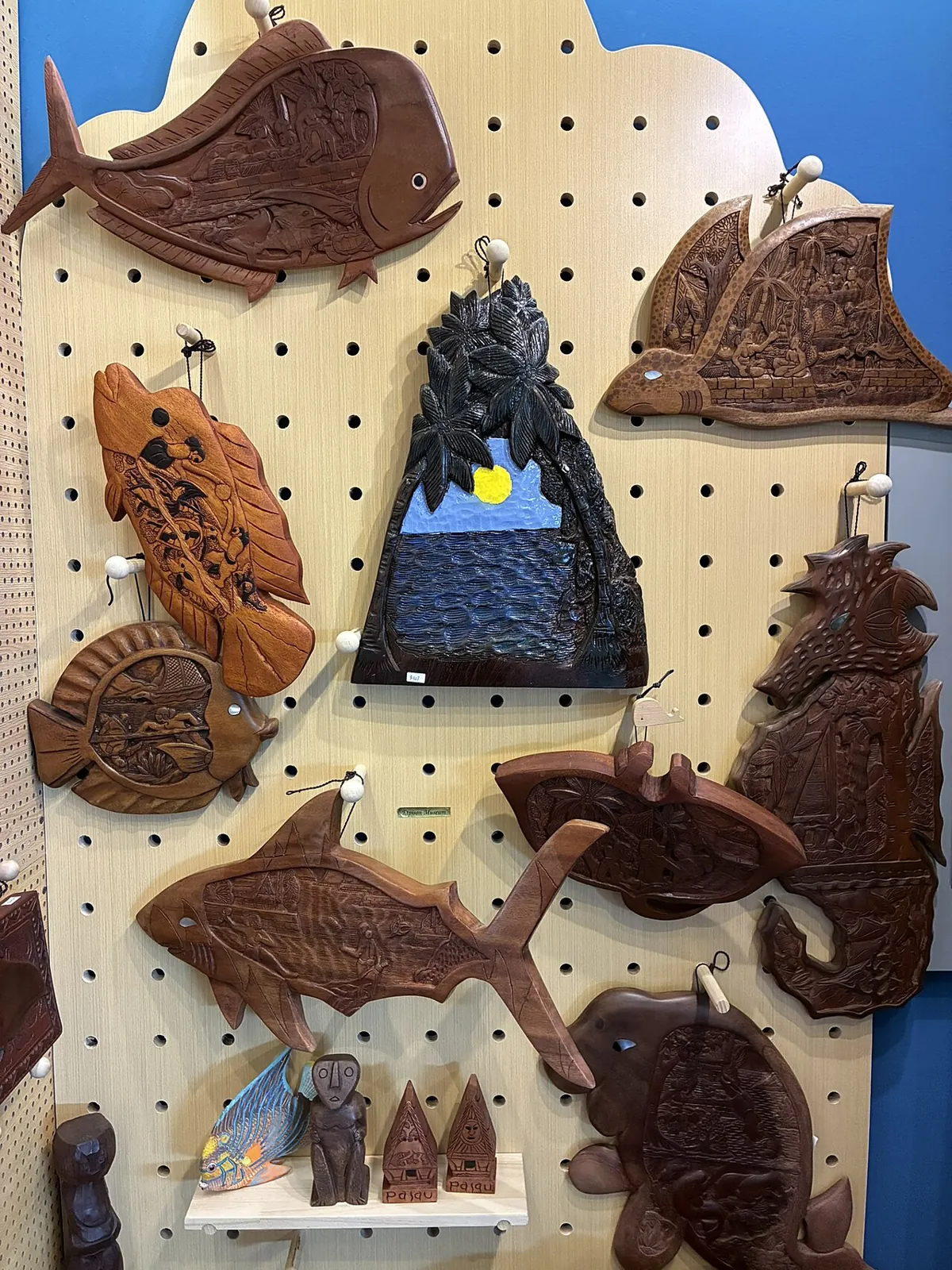
Public functions in Palau usually combine Western and Palauan protocol, with prayer and chanting, and gifts are typically exchanged between hosts and guests. According to the Pacific Community's etiquette guide, a village representative normally presents a gift to visitors at a farewell. The expected response is a speech thanking the villagers and a gift in return. A contribution toward expenses may also be appropriate and will be appreciated.
Family ceremonies
Traditional ceremonies are still widely practiced, including the omersurch birth ceremony, the ocheraol ceremony for a family's first house, and kemeldiil funeral services. These are family and clan events with their own exchange customs. If you are invited, ask a family member what guests normally bring.
For a host
Palauan hospitality is summed up in the saying "Mokelii a songerenger, bemtuu" ("Welcome, my house is your house"). A small gift from your home country or a contribution to a shared meal is a thoughtful way to thank a host, especially if you are staying with a family.
A return gift for a farewell ceremony
Why it works: Villages often present visitors with a farewell gift, and giving one back with a thank-you speech is expected.
Skip it if: you are attending as an ordinary guest rather than as an honored visitor; ask your host.
A contribution toward event costs
Why it works: Helping with expenses is a practical way to honor a community that has hosted you.
Skip it if: your organization has rules on cash gifts; offer something in kind instead.
A gift from your home country
Why it works: It is personal, easy to present and suits most hosts.
Skip it if: it is lavish; respect and humility matter more than price.
For more ideas, see our thank-you gifts guide.
What to avoid
- Turning your back on elders. Both men and women should avoid putting their back toward elder men (Rubak) and elder women (Mechas), whether sitting or standing.
- Eating before chiefs and matriarchs. At village functions guests are often served first, but chiefs start eating first, then matriarchs, then everyone else.
- Pointing at people. It is considered impolite in Palau.
- Asking a stranger's name bluntly. Be humble and ask indirectly.
- Ignoring a bul. A bul is a traditional moratorium on taking or harvesting resources, marked at the village entrance with half-woven young coconut leaves. Respect it.
- Immodest dress at gatherings. Dress is casual, but for meetings and functions dress more conservatively, and women should avoid showing their inner thighs or cleavage when seated.
How to give and receive
- Say "Alii." Always say "Alii" (hello) when approaching a house or a person. Address elders you don't know as "Alii Rubak" (men) or "Alii Mechas" (women).
- Accept food and drink. It is polite for visitors to accept what is offered. If you don't eat a particular dish, politely tell your host.
- Use titles. If a chief or matriarch is present, find out their title name beforehand and use it in your speech.
- Greet appropriately. A handshake suits a chief; bow your head to greet a matriarch. Among friends, a nod, raised eyebrows or a wave is common.
- Make way. When passing people on the road, step aside and let them pass first.
- Expect speeches. Speeches are usually given in Palauan and then translated into English. Reply graciously when you receive a gift.
Holidays and occasions
Christmas (December 25)
Christmas is a public holiday in this mainly Christian country and centers on church and family. Small gifts or a contribution to a family meal are welcome; see our Christmas guides.
Thanksgiving and Family Day (late November)
Palau observes Thanksgiving on the fourth Thursday of November and Family Day the following Friday, both good times for shared meals.
Other public holidays
Youth Day (March 15), Senior Citizens Day (May 5), President's Day (June 1), Constitution Day (July 9) and Independence Day (October 1) are public holidays. They are civic occasions rather than gift-giving days.
Traditional ceremonies
Birth ceremonies, first-house ceremonies and funerals are the most important family occasions. Customs differ by family and clan, so ask before choosing a gift or contribution.
Business gifting
Government and business meetings in Palau often blend Western and Palauan protocol. If your work involves a village, meet both the chief and the state governor to explain it. Learn the titles of the people you will meet, and expect gift exchanges at formal ceremonies.
Outside ceremonies, keep business gifts modest. Anti-bribery laws in Palau, and often in your home country, can apply to gifts and hospitality, especially for officials, and many organizations set their own limits. Check both sides' policies. Our business gifts section has general guidance.
Frequently asked questions
Should I bring a gift when visiting a Palauan village?
If you are being formally welcomed or hosted, expect gift exchanges. At a farewell, respond to the village's gift with a speech and a gift of your own; a contribution toward expenses is also appreciated.
How do I greet elders in Palau?
Say "Alii Rubak" to an older man and "Alii Mechas" to an older woman. Bow your head to a matriarch and shake hands with a chief.
Is it rude to refuse food in Palau?
Accepting food and drink is polite. If there is something you don't eat, tell your host politely.
What is an ocheraol?
A traditional ceremony associated with a family's first house, one of several ceremonies still widely practiced in Palau. Ask the family about customs if you are invited.
Exploring the region? See our guides to Micronesia and the Philippines, or browse all country etiquette guides.
Sources
- Pacific Community (SPC) — Cultural Etiquette in the Pacific: Guidelines for staff working in Pacific communities (2020). library.sprep.org
- Consulate of the Republic of Palau (Belgium) — Traditions, Arts & Crafts. palauconsulate.be
- Wikipedia — Public holidays in Palau. en.wikipedia.org
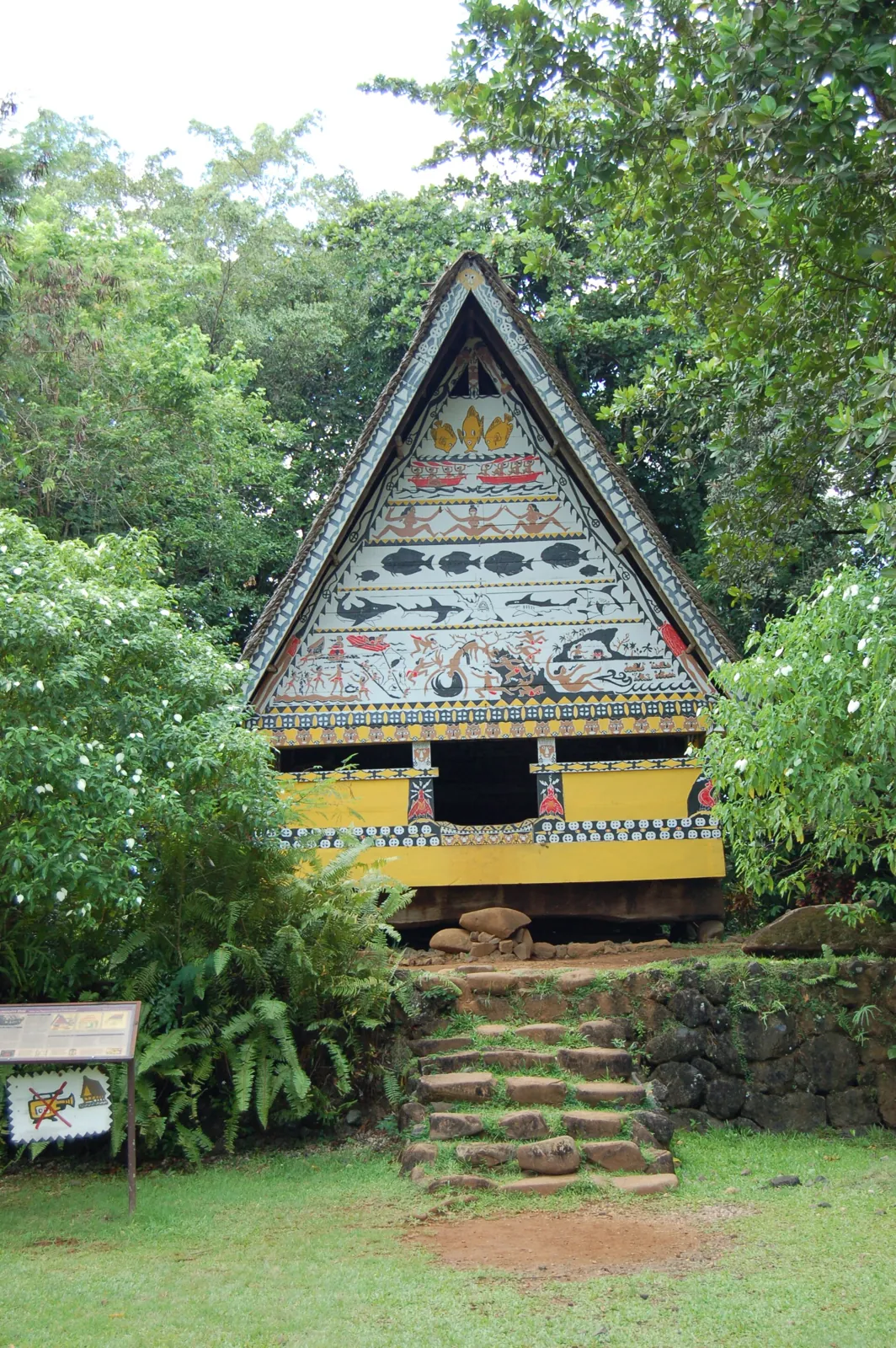
Image credits. Top image: Storyboards in Palau Airport by Zykasaa, CC BY 4.0, via Wikimedia Commons · In-article image: A bai in Palau by ctsnow, CC BY 2.0, via Wikimedia Commons
Spotted something out of date or a gift that's no longer available? Tell our editors — we review every correction.