Gift Etiquette in Jordan: Host Gifts, Coffee and Eid Customs
Jordanian hospitality is famous, and a modest gift is the natural way to return it. Here is what to bring, what to avoid, and how Ramadan, Eid and business visits shape gifting.
We independently research every pick. If you buy through our links we may earn a small commission, at no extra cost to you. Affiliate disclosure.
Quick answer
Jordan is known for its hospitality, summed up in the greeting ahlan wa sahlan, welcome. If you are invited to a home, bring good-quality sweets or food and perhaps something for the family. Give and receive with your right hand. Avoid alcohol unless you are certain it is welcome. Most Jordanians are Muslim and around 8 percent are Christian, so check which holidays your hosts keep. In business, gifts are not always expected; a modest, thoughtful one fits best once a relationship is established.
- Typical host gift $15 – $40
- Hands Right hand
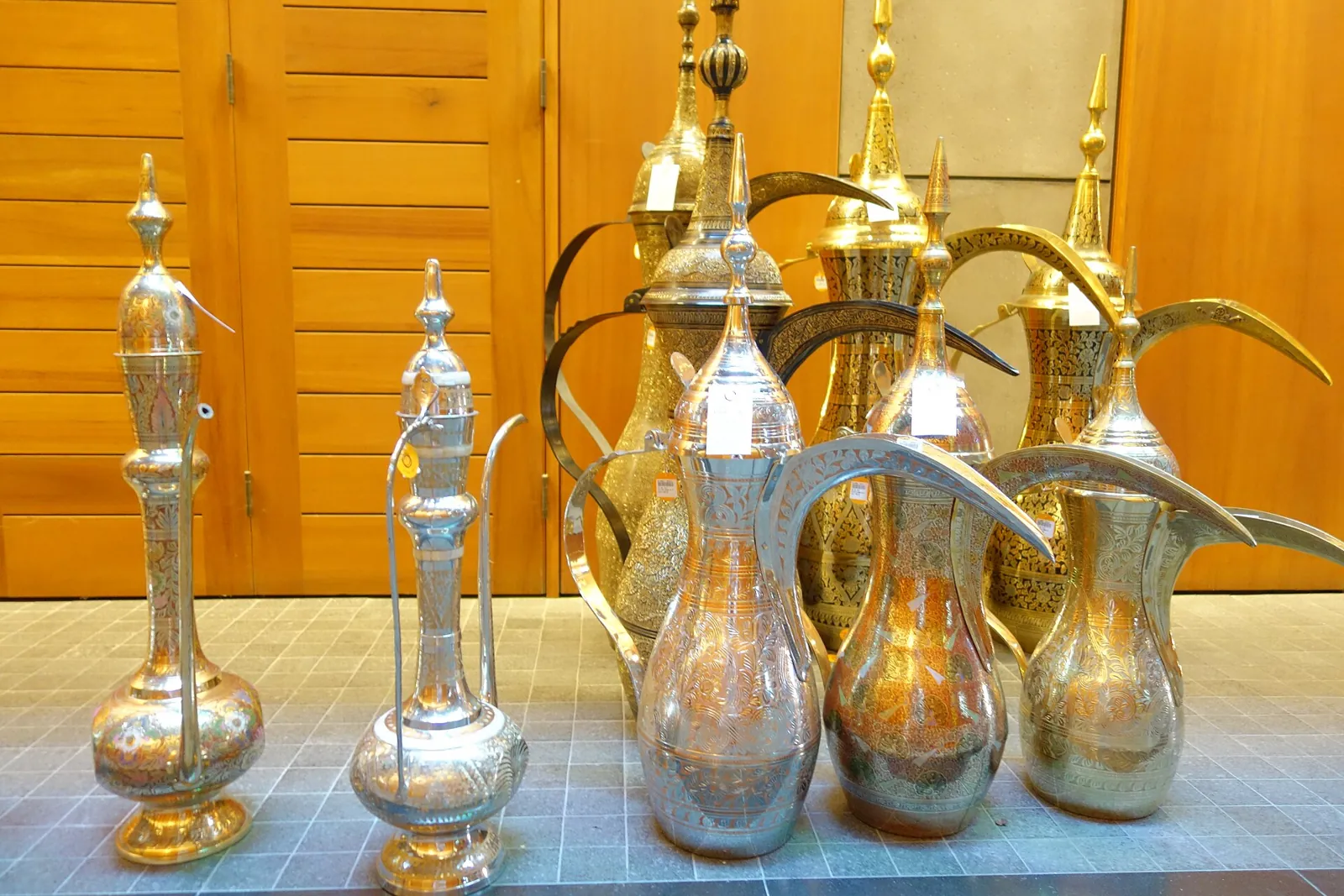
- Coffee Accept it; it is a symbol of welcome
- Main gift occasions Eid al-Fitr, Eid al-Adha, Christmas for Christians
What to give
Hospitality, or karam, is tied to generosity and a host's reputation. Guests are expected to respond with appreciation and patience, and a well-chosen gift is part of that. The aim is to support the relationship, not to create pressure or a sense of obligation.
For a host
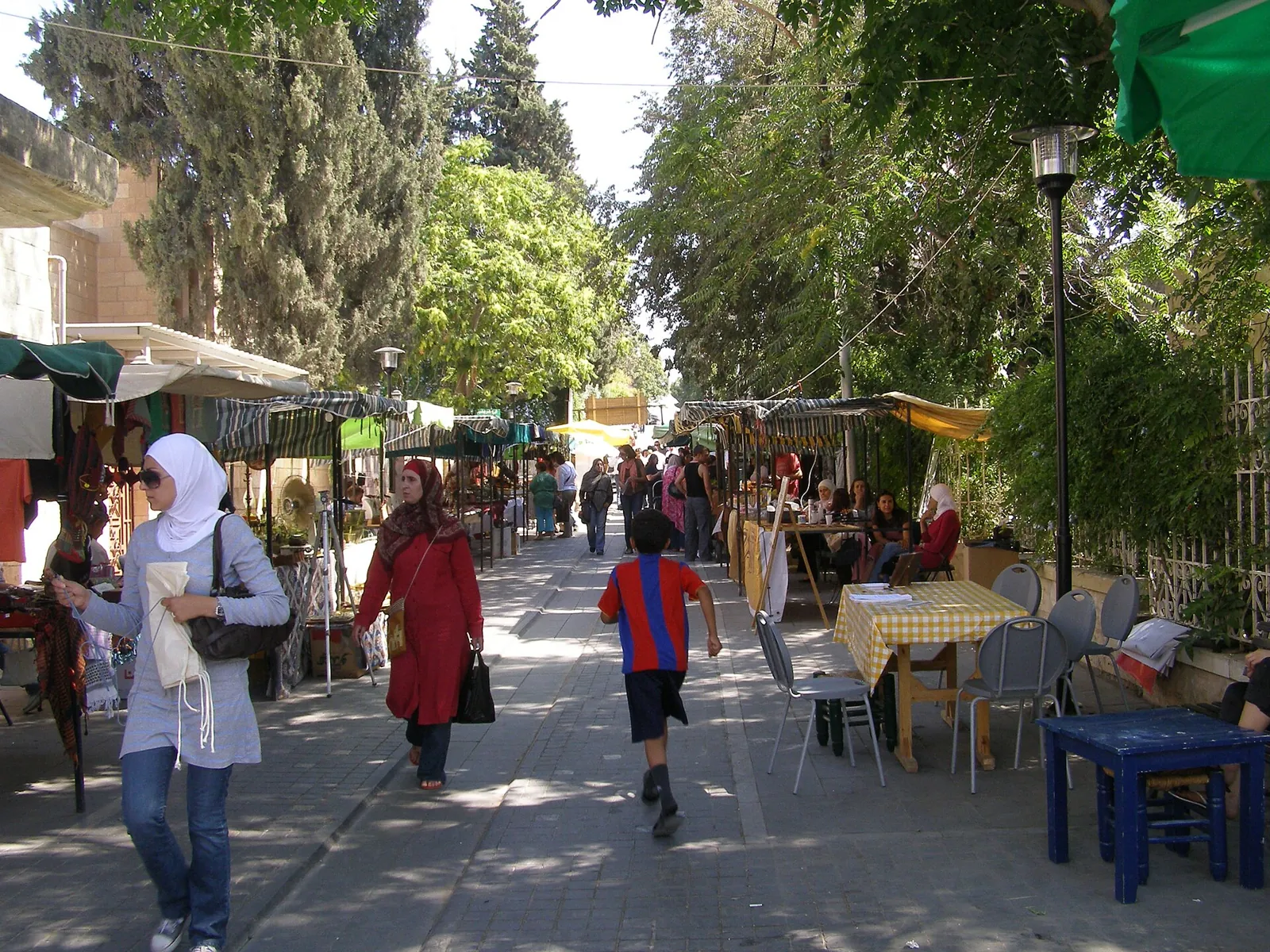
Good-quality sweets or food are the safest host gift. Respect the seating you are shown, accept coffee or tea, thank your host warmly and do not leave abruptly. Dress and behave modestly. If you are served mansaf, the lamb, rice and dried-yogurt dish often called Jordan's national dish, you are being honored: it takes hours to make and is mostly served on special occasions.
For friends, in-laws and coworkers
Family matters a great deal, and family events can take priority over other plans. Gifts for the host's family, including the children, are appreciated. For in-laws, a generous box of sweets for a family gathering or a quality item for the home is a good choice. For coworkers, something to share during a break works better than individual gifts.
A box of fine sweets or pastries
Why it works: Sweets and good-quality food are the standard modest gift for a home visit and suit Muslim and Christian families.
Skip it if: they contain alcohol and your hosts are observant Muslims.
Premium dates or nuts
Why it works: A presentation box of dates or mixed nuts sits well alongside coffee and is easy to share with visiting relatives.
Skip it if: the household has just been showered with sweets for Eid; a gift for the children may be more welcome.
A small gift for the children
Why it works: Gifts for a host's family are appreciated, and a book or toy shows you value the whole household.
Skip it if: it outshines your gift for the parents.
A quality item from your home region
Why it works: A craft, book of photographs or local food specialty is a thoughtful business or friendship gift once you know each other.
Skip it if: it shows alcohol or imagery that could clash with religious values.
Find more ideas in our food gifts.
What to avoid
- Alcohol, unless you are certain it is acceptable. Islam is the majority religion and many people do not drink.
- Lavish gifts. A gift that creates pressure or obligation works against the relationship.
- Using your left hand. Use the right hand for handshakes, cards, cups, gifts and eating.
- Showing the soles of your feet. It is considered rude.
- Refusing hospitality abruptly. A blunt no can create distance; if you must decline, do it gently.
- Rushing the coffee. Coffee and tea are symbols of welcome, so do not hurry this part of a visit or meeting.
- Sensitive topics as small talk. Regional politics, refugees, religion as debate and personal finances are best left alone unless your host raises them.
How to give and receive
- Give and receive with your right hand. This applies to gifts, food and business cards.
- Keep it modest and tasteful. Presentation should look cared for, not showy.
- Accept coffee or tea. Take at least one cup; it is part of the welcome.
- Wait for a woman to offer her hand. Some women do not shake hands with men.
- Decline gently. If you cannot accept an offer, soften the refusal and thank your host.
- Show appreciation at meals. Meals build relationships, so praise the food and your host's effort.
Holidays and occasions
Islamic holidays follow the lunar calendar, so their dates on the Western calendar change every year.
Ramadan
Muslims fast from dawn to sunset during Ramadan. Working hours may be shorter, and it is courteous to be discreet about eating and drinking in front of people who are fasting. Qatayef, a filled pancake, is a dessert made especially for Ramadan, and a box of sweets is a fitting gift if you are invited to break the fast with a family.
Eid al-Fitr and Eid al-Adha
Eid al-Fitr marks the end of Ramadan, and Eid al-Adha falls during the Hajj pilgrimage period. Both affect availability and travel, and both are times for family visits, when sweets for the household and small gifts for children are welcome.
Christmas and Easter
Christians are an integral part of Jordanian society. Most belong to the Greek Orthodox Church, with smaller Catholic, Armenian and Protestant communities. If you have Christian friends or colleagues, a greeting and a gift of sweets around Christmas or Easter is a kind gesture; ask which calendar their church follows.
Weddings
Weddings can last several days, often with a henna night before the ceremony. In cities such as Amman, celebrations are frequently shorter and held in a wedding hall. Ask the family or a mutual friend what gift is customary.
Business gifting
Jordanian business starts with greetings and hospitality before the agenda. Greet the most senior person first, use family names and titles until invited otherwise, and exchange business cards with your right hand; an Arabic side is useful. Friday is the main day of prayer, and prayer times and Ramadan affect schedules.
Gifts are not always expected in business, but a thoughtful one may fit a social setting or an established relationship. Keep it modest, avoid giving during tenders or negotiations, and check whether your counterpart works for a government body with strict gift rules. Anti-bribery laws apply in Jordan as elsewhere. Our business gifts guide has more general tips.
Frequently asked questions
What should I bring to a Jordanian home?
Good-quality sweets or food, and perhaps something small for the children. Avoid alcohol unless you know it is welcome.
Do I have to accept coffee in Jordan?
It is polite to accept at least one cup. Coffee and tea are symbols of welcome, and refusing abruptly can create distance.
Are business gifts expected in Jordan?
Not always. A modest gift fits once a relationship is established or in a social setting, such as a dinner invitation.
What is mansaf?
Mansaf is a lamb, rice and dried-yogurt dish often considered Jordan's national dish. Being served it is a sign of hospitality.
Do Christians in Jordan celebrate Christmas?
Yes. Christians, about 8 percent of the population, are an integral part of Jordanian life, and many celebrate Christmas and Easter.
Compare customs with our guides to Saudi Arabia and Egypt, or browse all country guides.
Sources
- Commisceo Global — Jordan Business Culture Guide. commisceo-global.com
- Visit Jordan (Jordan Tourism Board) — Culture. visitjordan.com
- Wikipedia — Culture of Jordan. wikipedia.org
Image credits. Top image: A dallah of Arabic coffee by Abdulla Al Muhairi, CC BY 2.0, via Wikimedia Commons · In-article image: Souk Jara 4 Jul 2008 (12) by Producer, CC BY-SA 3.0, via Wikimedia Commons
Spotted something out of date or a gift that's no longer available? Tell our editors — we review every correction.




