Gift Etiquette in Iraq: Host Gifts, Eid and What to Avoid
For Iraqis, a gift stands for friendship more than money. Here is what to bring a host, what to leave at home, and how Ramadan, Eid and business visits shape gift-giving.
We independently research every pick. If you buy through our links we may earn a small commission, at no extra cost to you. Affiliate disclosure.
Quick answer
In Iraq, a gift is a sign of friendship, so its price matters less than the gesture and the timing. When you visit a home, bring sweets, pastries, flowers or a small gift for the children. Give and receive with your right hand or both hands, and do not expect the gift to be opened right away. Skip alcohol unless you know your host well and know they drink, avoid items showing pigs or dogs, and keep the value moderate: a very expensive present can look like a bribe. Most Iraqis are Muslim, and the country also has Christian, Yazidi, Mandaean and other communities.
- Typical host gift $15 – $40
- Hands Right hand or both hands
- Opening Usually later, not on receipt
- Main gift occasions Eid al-Fitr, Eid al-Adha, home visits
What to give
Hosting a guest is considered an honor in Iraq, and invitations can come early in a friendship. Bringing a gift is part of being a good guest. Match the gift to the moment: a visit, a celebration or a friend's illness all call for something small and personal.
For a host
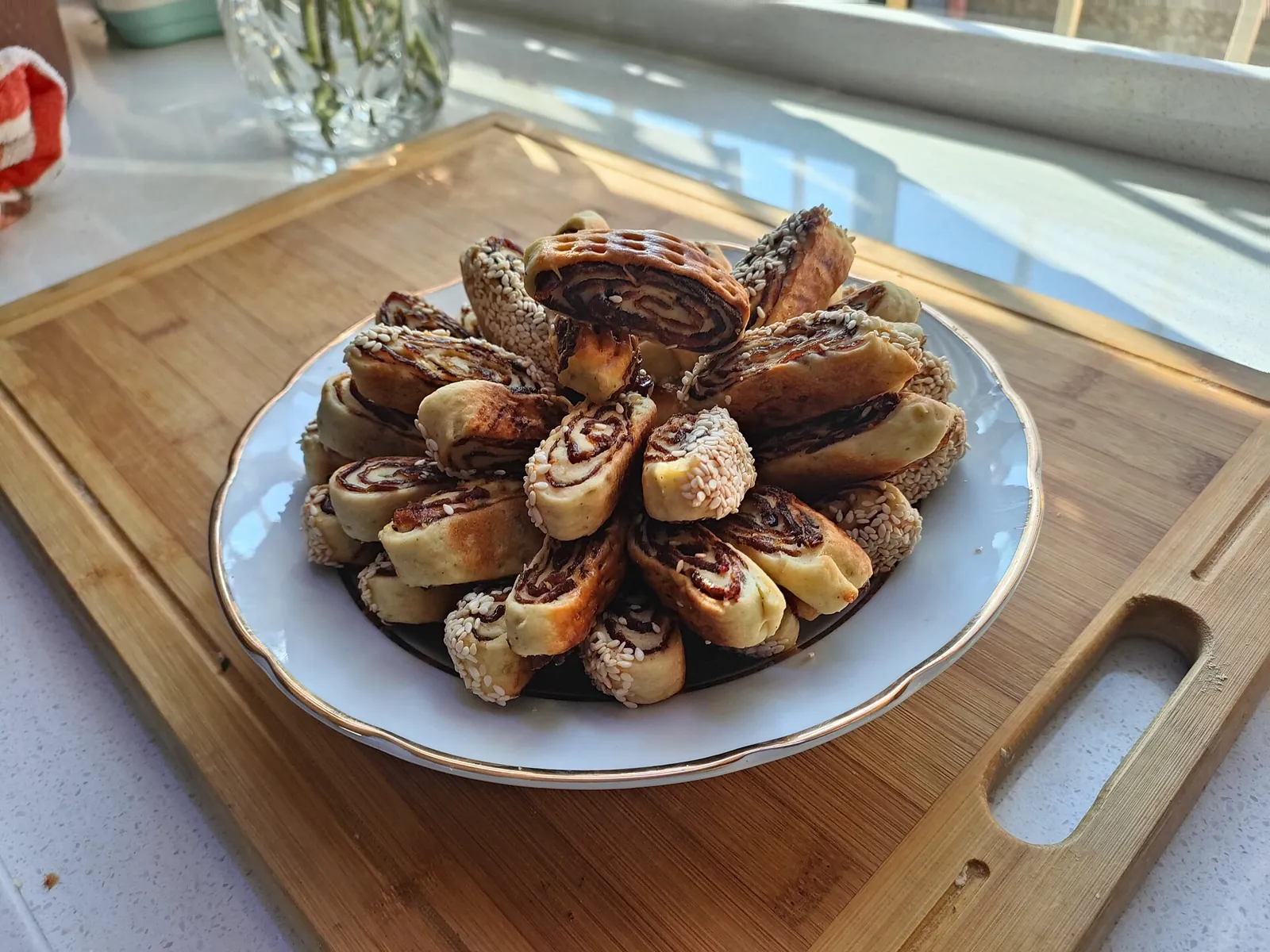
Chocolates, pastries, cookies, a fruit basket, sweets or flowers all work, and a small gift for the children is a thoughtful extra. Dress a little more formally than you might at home, since casual clothes can seem disrespectful, and remove your shoes when you enter. Do not expect a tour; wait to be shown where to sit.
For friends, in-laws and coworkers
For in-laws and close friends, food gifts and items for the home are safest. If a man is giving a gift to a woman, present it as coming from a female relative, such as his wife, mother or sister. For coworkers, a tray of pastries or sweets to share fits better than individual presents.
Pastries, cookies or chocolates
Why it works: Sweet treats are the standard thank-you for a home visit and suit Muslim and Christian households alike.
Skip it if: the fillings contain alcohol and the family is observant.
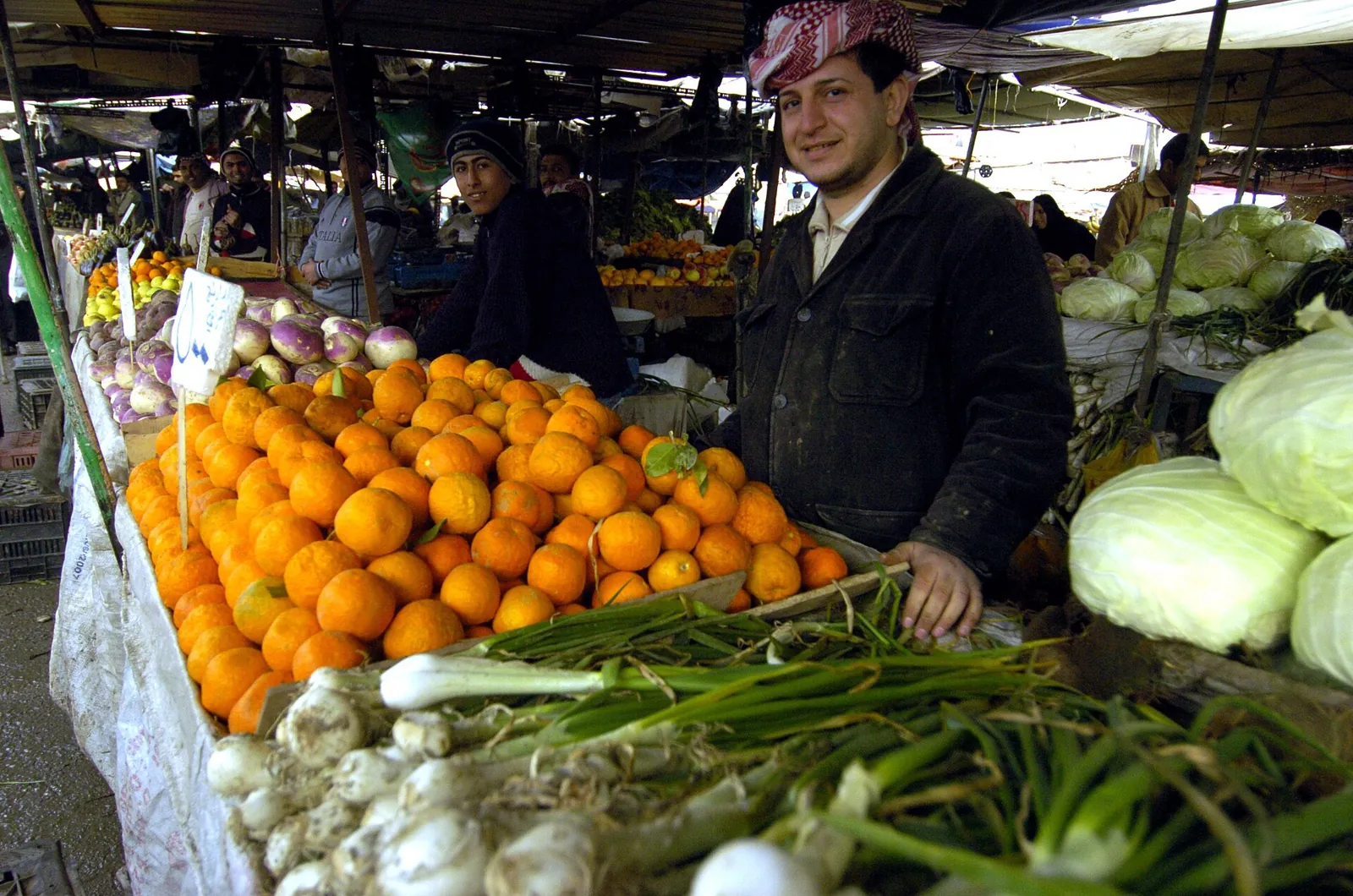
A fruit basket
Why it works: Generous and easy to share, a fruit basket fits a large family gathering or a visit to someone who is unwell.
Skip it if: you are visiting a small household that will struggle to finish it.
A small gift for the children
Why it works: A book, toy or treat for your hosts' children is widely appreciated and shows you value the family.
Skip it if: it costs more than your gift for the parents.
Flowers for the home
Why it works: Flowers are one of the suggested host gifts in Iraq and brighten a home after a visit.
Skip it if: you are a man visiting a conservative household where the gift would be read as personal to a woman; choose sweets instead.
See our gifts for kids and food gifts for more ideas.
What to avoid
- Alcohol for a devout Muslim or a new acquaintance. Offer it only if you are certain it is appropriate.
- Images of pigs, dogs, alcohol, intimacy or revealing clothing. These can offend, so check prints, books and decorative items.
- Very expensive gifts. They may be seen as bribery and can embarrass the recipient.
- Praising portable, valuable possessions. Your host may feel obliged to give the item to you.
- Using the left hand. It is reserved for cleaning, so do not pass gifts, food or cards with it alone.
- Showing the soles of your feet. Do not point your shoe soles at anyone or cross your legs while facing a person.
- Refusing to let others pay. Insisting on paying when you are a guest can feel like an insult to your host's honor.
How to give and receive
- Use your right hand or both hands. This applies to gifts, food and business cards.
- Let the gift be opened later. Gifts are usually not opened as soon as they are received.
- Protest lightly, then accept. When you are offered something, a light first refusal is polite; accept once the giver insists.
- Accept tea or coffee. It is good manners to take what is offered, even just a sip.
- Leave a little food on your plate. A clean plate signals you want more. To decline more, place your hand over your heart, thank your host and say the food was excellent.
- Do not rush to leave. Goodbyes are drawn out, and you may need to insist politely and give a reason.
Holidays and occasions
Islamic holidays follow the lunar calendar, so their dates move each year. Check a current calendar before you plan a visit or send a gift.
Ramadan
Many Muslims fast from dawn to sunset during Ramadan. Visitors are not expected to fast, but discretion about eating and drinking in public is expected. If you are invited to an iftar, the evening meal that breaks the fast, accept it as a chance to share Iraqi hospitality and bring sweets or pastries.
Eid al-Fitr and Eid al-Adha
Both Eids bring family visits, travel and festive meals, and offices may close. A box of sweets for the household and small gifts for the children are good choices if you visit during Eid.
Ashura
Ashura is an important period of mourning for Shia Muslims, who are especially numerous in central and southern Iraq. It is not a time for festive gifts or celebrations with Shia friends.
Christian and other communities
Iraq's Christians, most of them Chaldean Catholics or members of the Assyrian Church of the East, mark Christmas and Easter, and other communities keep their own festivals. Ask friends which dates matter to their family.
Business gifting
Relationships come first in Iraqi business. Meetings start with greetings, tea or coffee and conversation, and your host decides when to turn to business. A home invitation is a great honor. Gifts are not required, but a modest, well-presented item from your home country or a box of sweets can support the relationship.
Greet the most senior person first, use titles until invited to use first names, and present business cards with the translated side facing your counterpart. The working week generally runs Sunday to Thursday, with Friday as the main religious day. Keep gifts modest, avoid giving during tenders or negotiations, and follow anti-bribery rules and your counterpart's gift policy. If you plan to travel, follow your government's travel advice. See our business gifts guide for more.
Frequently asked questions
What should I bring to an Iraqi home?
Sweets, pastries, cookies, a fruit basket or flowers, plus a small gift for any children. Skip alcohol unless you know your host drinks.
Can a man give a gift to an Iraqi woman?
It is better to present it as coming from a female relative, such as a wife, mother or sister.
Why didn't my host open my gift?
Gifts are usually opened later. It is a normal courtesy, not a sign of disinterest.
How do I politely refuse more food?
Leave a little on your plate, place your hand over your heart, thank your host and say you are full and the food was excellent.
Is an expensive gift a good idea in Iraq?
No. Very expensive gifts can be seen as bribery. A modest, thoughtful gift is better.
Compare customs with our guides to Jordan and Kuwait, or browse all country guides.
Sources
- The Cultural Atlas — Iraqi Culture: Etiquette. theculturalatlas.org
- The Cultural Atlas — Iraqi Culture: Religion. theculturalatlas.org
- Commisceo Global — Iraq Business Culture Guide. commisceo-global.com
Image credits. Top image: Iraqi Dates Kleicha by Abdulsalam Al Dabbagh, CC BY-SA 4.0, via Wikimedia Commons · In-article image: A fruit vendor at a market in Baghdad, Iraq by James (Jim) Gordon, CC BY 2.0, via Wikimedia Commons
Spotted something out of date or a gift that's no longer available? Tell our editors — we review every correction.




