Gift Etiquette in Greece: Name Days, Easter and Host Gifts
Small, thoughtful gifts win in Greece: flowers, sweets or wine for a host. Here is what to avoid, how name days are celebrated and how gifts fit into New Year and Easter.
We independently research every pick. If you buy through our links we may earn a small commission, at no extra cost to you. Affiliate disclosure.
Quick answer
For a Greek host, bring something small: flowers, sweets from a good bakery or a bottle of wine. Keep it modest, because a very expensive gift can leave people feeling they must reciprocate. Avoid knives and scissors, which are considered bad luck. Remember name days, which many Greeks value as much as, or more than, birthdays, and note that children traditionally get presents on January 1, St. Basil's Day.
- Host gift Flowers, sweets or wine
- Avoid Knives, scissors, lavish gifts
- Opening Usually right away
- Big gift days Name days, New Year's Day (St. Basil), Easter, Christmas
What to give
Gifts in Greece are usually exchanged on birthdays, name days and holidays, and smaller token gifts are given when visiting someone's home. The emphasis is on thoughtfulness and reciprocity rather than display.
For a host
A gift isn't essential, but a small present of flowers, sweets or wine is a thoughtful gesture when you are invited for a meal. Commisceo Global notes that flowers may also be sent ahead of time. Dress well for the visit; it is a sign of respect.
For friends, coworkers and in-laws
For a name day or birthday, sweets, flowers, a book or something personal are all good choices. When visiting a partner's family, especially around Easter or a name day, a generous box of pastries for the table and flowers for the hostess are a warm, safe choice. Be careful about strongly admiring something in a Greek home: Cultural Atlas notes the owner may feel moved to give it to you.
A box of pastries or sweets
Why it works: Sweets for the table are a classic visiting and name-day gift and are easy to share.
Skip it if: your hosts are serving a dessert they made; bring something they can keep.
Flowers for the hostess
Why it works: A small, thoughtful gesture for a dinner invitation, and they can be sent in advance.
Skip it if: you can't deliver them in good condition; send them ahead instead.
A bottle of wine
Why it works: One of the usual small gifts for a meal.
Skip it if: your hosts don't drink; sweets are just as welcome.
A specialty from your home country
Why it works: Personal and modest, which fits the Greek emphasis on thoughtfulness over display.
Skip it if: it is a novelty item with no real use.
For more shareable ideas, see our food gifts.
What to avoid
- Knives and scissors. They are considered bad luck as gifts.
- Very expensive gifts. A lavish gift can put pressure on the recipient, who may feel unable to reciprocate with something of equal value.
- Refusing hospitality. Declining food or an invitation to stay longer can feel like an insult, for example a sign you don't trust the host's cooking. A first refusal may be read as polite protest, so your host will likely insist.
How to give and receive
- Wrap it. Gifts are usually wrapped and opened when received. Our gift wrapping guide has simple ideas.
- Don't arrive exactly on time to a home. For social visits, guests customarily arrive somewhat later than the agreed time, often around half an hour.
- Accept what is offered. If your host insists several times on food, drink or something to take home, accept graciously.
- Compliment and help. Praise the home and the meal, offer to help with cooking or clearing up, and when leaving, show that you would have liked to stay longer.
- Toast your hosts. “Stin ygeia sas” (to your health) is the standard toast, and returning the host's toast later in the meal is a nice gesture. Drink at the pace of the table.
Holidays and occasions
Name days
A name day is the feast day of the saint a person is named after, and for many Greeks, particularly as they get older, it matters more than a birthday. Traditionally the person celebrating holds an “open house” where close friends and relatives drop by and are offered food, sweets, coffee and drinks; today many celebrations are by invitation. Guests bring a small gift, and everyone wishes the celebrant “Chronia polla” (many years). A call or message on the day is also welcome.

New Year's Day (St. Basil's Day, January 1)
In Greece, gifts are often given on January 1 rather than at Christmas, and they are brought by Agios Vasilis (St. Basil). Families cut the vasilopita, a New Year cake or bread with a coin baked inside; whoever finds the coin is said to have luck for the year. On Christmas Eve, children may go door to door singing kalanda (carols) and receive small treats or money. Many families now also exchange gifts at Christmas; see our Christmas guides.
Easter
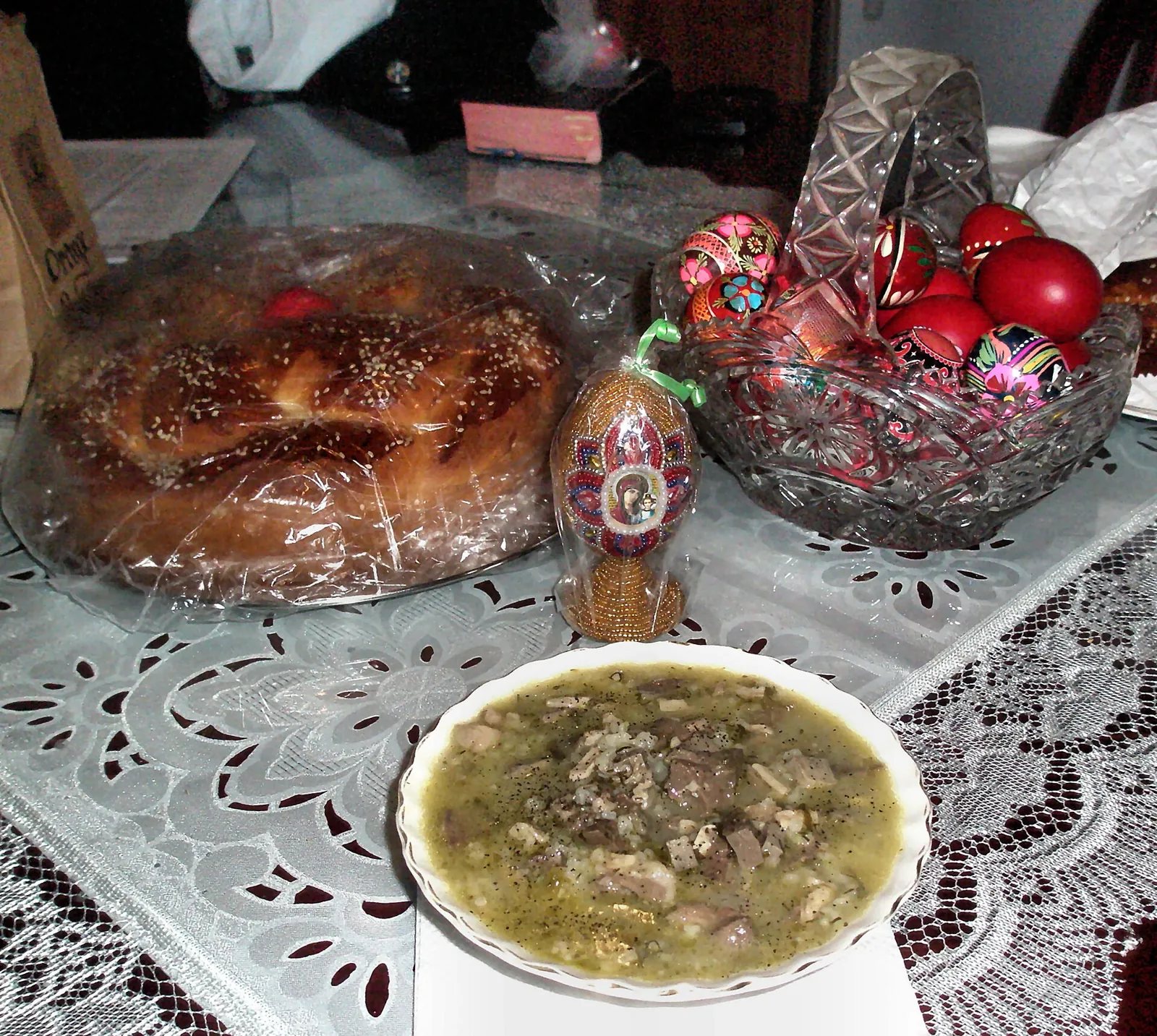
Easter is a major family celebration in Greece. Its date follows the Orthodox church calendar, so it varies each year and may differ from Western Easter. Eggs are dyed red on Holy Thursday, the color symbolizing the blood of Christ, and are cracked together on Easter Sunday. Godparents traditionally give their godchildren a lambada, a decorated Easter candle, often trimmed with ribbons and small toys or trinkets, which is lit at the midnight Resurrection service. Tsoureki, a braided sweet bread, is another Easter staple and makes a good gift to bring if you are invited.
Business gifting
Greek business relationships are built over time, often through meals and social occasions, and personal conversation usually comes before business. Gifts are not central, but a modest, good-quality gift, such as a specialty from your home country or a nice item for the office, is appropriate once you know each other, or at Christmas and New Year. Avoid anything lavish, which can create pressure to reciprocate.
Anti-bribery laws in Greece, across the EU and in your home country can apply to gifts and hospitality, especially where public officials are involved, and many organizations set their own limits. If a contact declines a gift for compliance reasons, don't insist. More ideas are in our business gifts section.
Frequently asked questions
What should I bring to a Greek home?
Something small: flowers, sweets or a bottle of wine. Keep it modest and expect it to be opened right away.
What do you give for a Greek name day?
A small gift such as sweets, flowers or something personal, along with the greeting “Chronia polla.” A call or message is welcome if you can't visit.
When do Greek children get Christmas presents?
Traditionally on January 1, St. Basil's Day, when Agios Vasilis brings gifts. Many families now give gifts at Christmas too.
Why are Greek Easter eggs red?
The red color symbolizes the blood of Christ. The eggs are dyed on Holy Thursday and cracked together on Easter Sunday.
Is it bad luck to give knives in Greece?
Yes, knives and scissors are considered bad-luck gifts, so choose something else.
See more country guides, including our Italy and Turkey guides.
Sources
- Cultural Atlas — Greek Culture: Etiquette. theculturalatlas.org
- Commisceo Global — Greece Guide. commisceo-global.com
- XpatAthens — Name Days & Name Day Customs in Greece. xpatathens.com
- Why Christmas — Christmas in Greece. whychristmas.com
- Greek Herald — Five Greek Easter traditions you should know about. greekherald.com.au
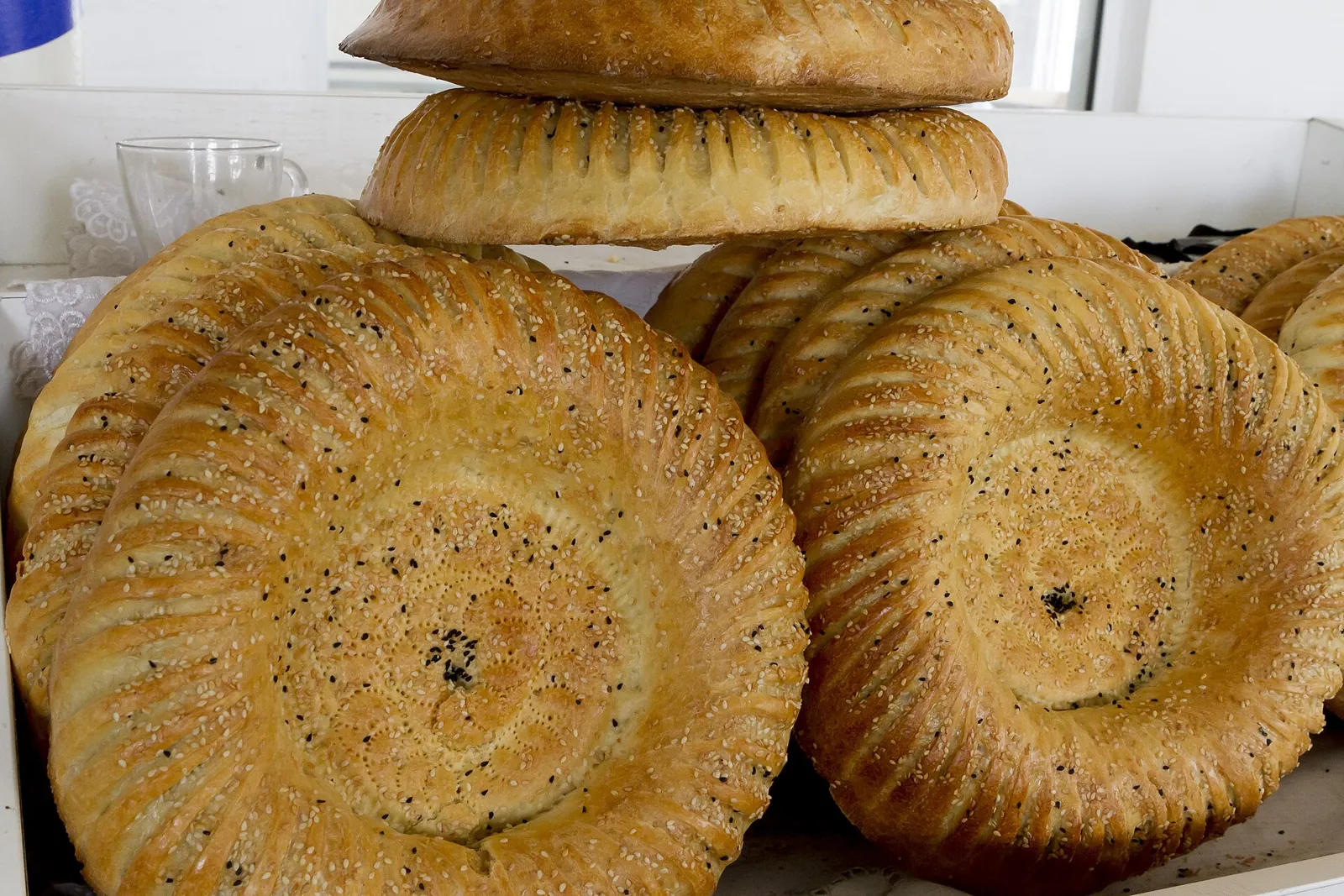
Image credits. Top image: Traditional Greek Orthodox Paschal (Easter) foods by ΙΣΧΣΝΙΚΑ-888, CC BY-SA 3.0, via Wikimedia Commons · In-article image: Vasilopita by Alexander Baxevanis, CC BY 2.0, via Wikimedia Commons
Spotted something out of date or a gift that's no longer available? Tell our editors — we review every correction.