Gift Etiquette in Georgia: Supra Toasts, Host Gifts and New Year
Georgian hospitality is famous, and a modest gift goes a long way. Here is what to bring a host in Georgia, how the supra works, and why New Year is the big gift night.
We independently research every pick. If you buy through our links we may earn a small commission, at no extra cost to you. Affiliate disclosure.
Quick answer
Hospitality is central to Georgian culture. If you are invited to a home, bring flowers in an odd number, imported sweets or chocolates, or a small gift from your country, plus something small for the children. Do not expect your gift to be opened right away. At a supra (feast), the tamada leads the toasts, wine is the toasting drink, and you should pace yourself. Gifts are traditionally exchanged on New Year's Eve, while Orthodox Christmas falls on January 7.
- Typical host gift $10 – $40
- Main gift night New Year's Eve, December 31
- Christmas January 7 (Orthodox calendar)
- Flowers Odd numbers only
What to give
Georgian hosts are known for generous hospitality, and a gift from a Georgian host is often meant simply as hospitality. As a guest, a modest, thoughtful gift is the right response.
For a host
Flowers, imported sweets, chocolates or a small gift from your country are all appropriate when invited home. A small present for the children is usually appreciated.
For friends, in-laws and coworkers
For friends and in-laws, a specialty from your home region or a quality item for the home shows care. At New Year, sweets are a traditional gift, and the first visitor of the year is expected to bring sweets and goodies for abundance. For coworkers, books, souvenirs or small branded items are safer than anything expensive.
An odd-numbered bouquet
Why it works: Flowers are one of the recommended gifts when you are invited to a Georgian home.
Skip it if: the stem count is even; even numbers are associated with funerals.
Imported sweets or chocolates
Why it works: A recognized host gift that also fits New Year, when sweets are part of the celebration.
Skip it if: your hosts are observing an Orthodox fast and the treats contain animal products; ask or choose something non-edible.
A gift from your country
Why it works: A small item from home is personal and gives your hosts a story to share.
Skip it if: it is expensive enough to feel like a business favor.
A small present for the children
Why it works: Bringing something for the children is usually appreciated in Georgian homes.
Skip it if: it outshines the gift for the hosts.
Find more ideas in our food gifts collection.
What to avoid
- Even numbers of flowers. Even counts are associated with funerals.
- Toasting with beer. Wine is the expected drink for Georgian toasts.
- Rushing the supra. The feast is about connection, not efficiency; toasts can be long, personal and emotional.
- Refusing hospitality too quickly. It may disappoint your host. You can still set limits politely, especially on wine.
- Mocking religion. The Georgian Orthodox Church is central to national history; treat churches, fasting and rituals with respect.
- Expensive business gifts. Modest souvenirs, books or small branded items are safer.
How to give and receive
- Greet with a handshake. "Gamarjoba" (hello) is a useful greeting. In formal business settings, wait for a woman to offer her hand. Cheek kisses come later, once you know people.
- Hand your gift over on arrival. There are no special rules about which hand to use.
- Do not expect immediate opening. Gifts may not be opened when received.
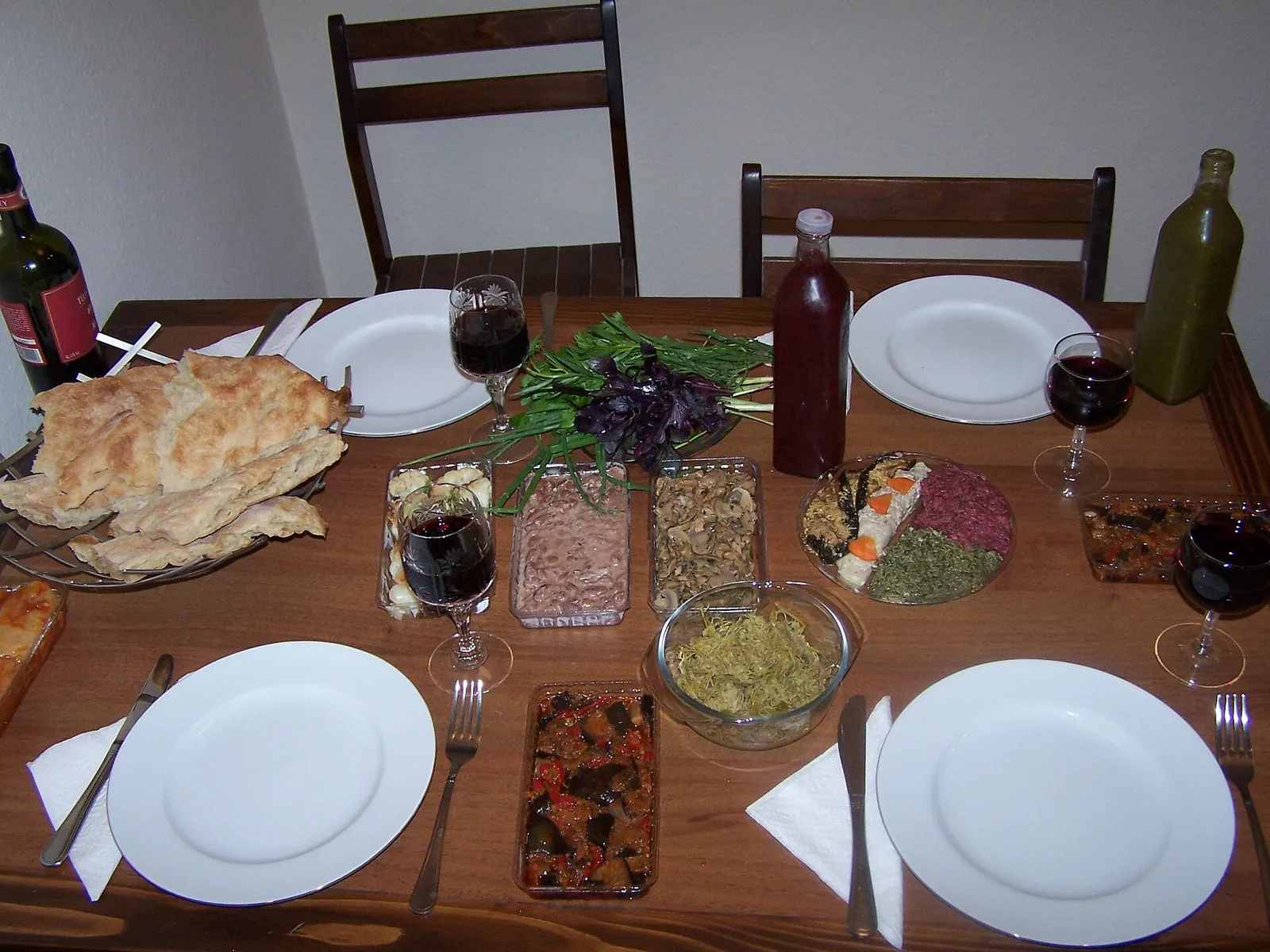
- Follow the tamada. The toastmaster leads the toasts and gives structure to the meal. Listen respectfully and learn "gaumarjos" (cheers, or victory to you).
- Pace yourself. Wine may be offered often. It is fine to sip rather than drain your glass and to decline politely; not every guest drinks.
- Dress modestly in churches. Shorts, strapless tops and casual behavior may be inappropriate.
Holidays and occasions
New Year's Eve (December 31)
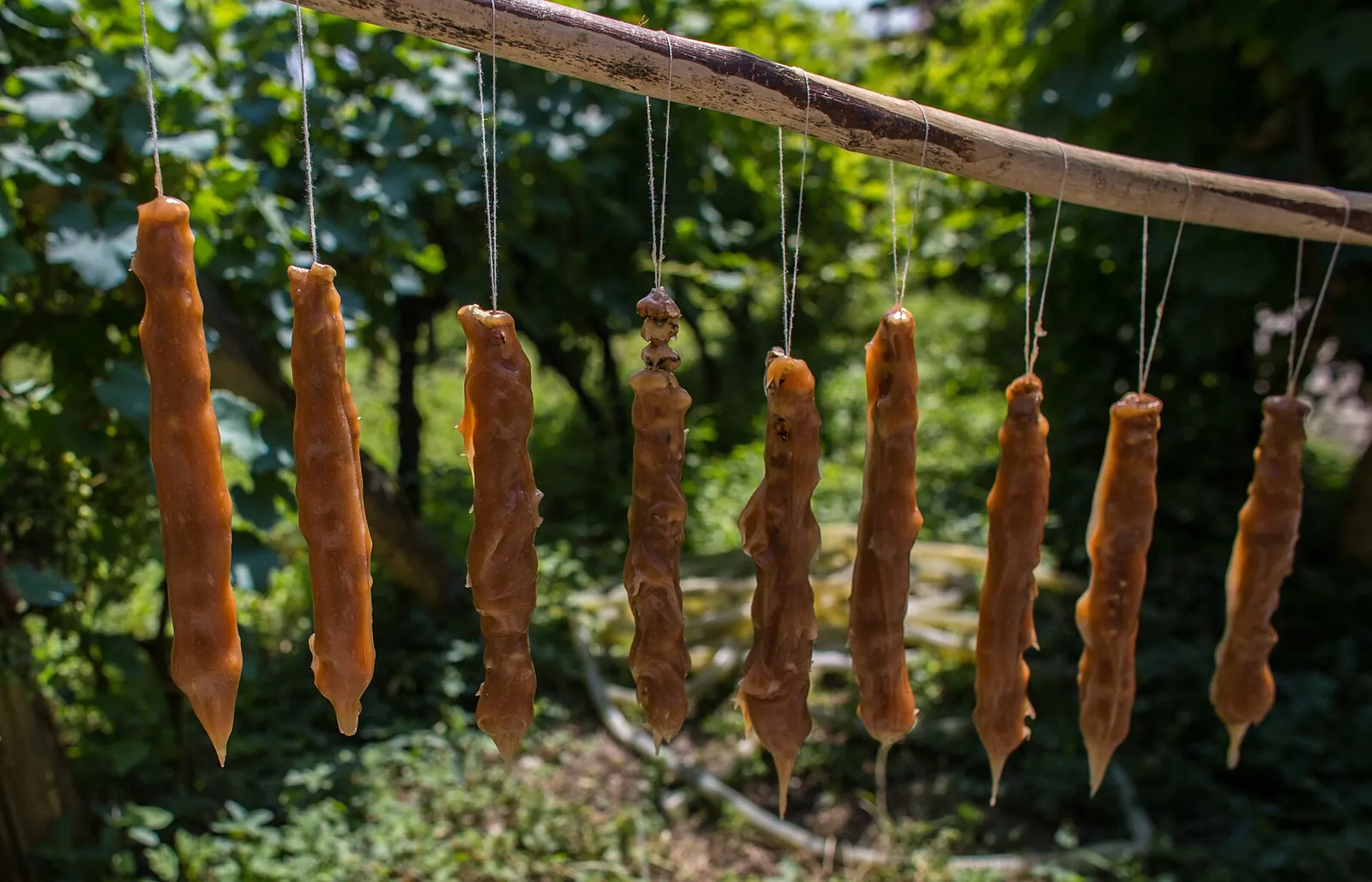
New Year is the main gift-giving occasion. Presents are exchanged on New Year's Eve, and children's gifts come from Tovlis Papa ("Grandfather Snow"), who wears white and comes down from the Caucasus mountains with sweets. Children may leave out churchkhela, a nut-and-grape-juice treat, for him. Families set up a chichilaki, a small tree carved from shaved hazelnut or walnut branches and decorated with fruit and sweets. A respected guest is chosen as the mekvle, the first visitor of the new year, who brings sweets for abundance. If you are asked to be the mekvle, it is an honor; arrive with sweets.
Orthodox Christmas (January 7)
The Georgian Orthodox Church follows the old Julian calendar, so Christmas falls on January 7. Many people join the Alilo procession, wearing costumes and carrying flags, and children are often given sweets. Some people avoid animal products before major religious festivals, so ask before bringing rich food gifts at that time.
Old New Year and the end of the season
The Old New Year, Basiloba, is celebrated on January 14, and chichilaki are traditionally burned on the day before Georgian Orthodox Epiphany (January 19) to leave the year's troubles behind. Early January is a slow time for business. See our Christmas gift guides for seasonal ideas.
Business gifting
In Georgian business, relationships matter, and hospitality may extend to long meals. Keep business gifts modest: souvenirs, books or small branded items are safer than expensive gifts. Remember that a gift from a Georgian counterpart may be meant as hospitality, not as an attempt to influence you. Arrive on time yourself and reconfirm appointments close to the date.
Georgia has anti-corruption laws, and public officials and many companies limit what they can accept. Keep gifts low in value, check the recipient's policy and avoid giving during tenders or negotiations. See our business gifts guide for general advice.
Frequently asked questions
What should I bring to a Georgian home?
Flowers in an odd number, imported sweets or chocolates, or a small gift from your country, plus something for the children.
When do Georgians exchange gifts?
Mainly on New Year's Eve, December 31, when Tovlis Papa brings children's presents. Christmas itself is on January 7.
What is a tamada?
The toastmaster at a Georgian supra. The tamada leads a series of toasts, often long and heartfelt, and guests follow his lead.
Do I have to drink at a supra?
No. Wine is offered often, but you can pace yourself, sip, or decline politely. Toasts are made with wine, not beer.
What is a mekvle?
The first visitor to a home in the new year, chosen for being respected by the family. The mekvle brings sweets and goodies to wish the household abundance.
Browse more country guides, including our guide to Turkey.
Sources
- Commisceo Global — Georgia: Language, Culture, Customs and Etiquette. commisceo-global.com
- Georgia National Tourism Administration — Two New Year's Eves and more. georgia.travel
- WhyChristmas.com — Christmas in Georgia. whychristmas.com
Image credits. Top image: Churchkhela - grape and nut dried on string in sun by Jon Gudorf Photography, CC BY-SA 2.0, via Wikimedia Commons · In-article image: Georgian Feast by rugbyxm, CC BY 2.0, via Wikimedia Commons
Spotted something out of date or a gift that's no longer available? Tell our editors — we review every correction.




