Gift etiquette in Burundi: hospitality, greetings and modest gifts
In Burundi, accepting hospitality and greeting elders properly matter more than any present. Here is what to bring, what to avoid and how to give it.
We independently research every pick. If you buy through our links we may earn a small commission, at no extra cost to you. Affiliate disclosure.
Quick answer
In Burundi, hospitality and greetings matter more than the price of a gift. If you visit a home, bring something modest that the household can share, greet the elders first, and accept the food or drink you are offered: refusing it is traditionally taken as an insult. Shake hands with your right hand while your left hand supports your right forearm as a sign of respect. Beer has long been part of social occasions and gifts, but only bring alcohol if you know your hosts drink.
- Host gift Something modest and shareable, about $10 – $30
- Greeting "Amakuru?" (what news?) — "N'amahoro" (it is peaceful)
- Handshake Right hand, left hand supporting the right forearm
- Languages Kirundi and French; Swahili in Bujumbura
Burundi is a small, mostly Christian country in East Africa's Great Lakes region, with smaller Muslim and traditional-religion communities. Kirundi is spoken across the country, and drumming is central to national culture: drums have long been treated as sacred, and the ritual dance of the royal drum is on UNESCO's intangible heritage list. Customs vary between families, towns and the countryside, so treat the points below as a guide and follow your hosts' lead.
What to give
Burundian social life centers on visiting, food and drink. Gatherings of almost any size include something to eat and drink, and when a baby is born or someone is ill, it is common for the wider community to visit. A modest gift the whole household can enjoy fits that spirit better than something expensive or personal.
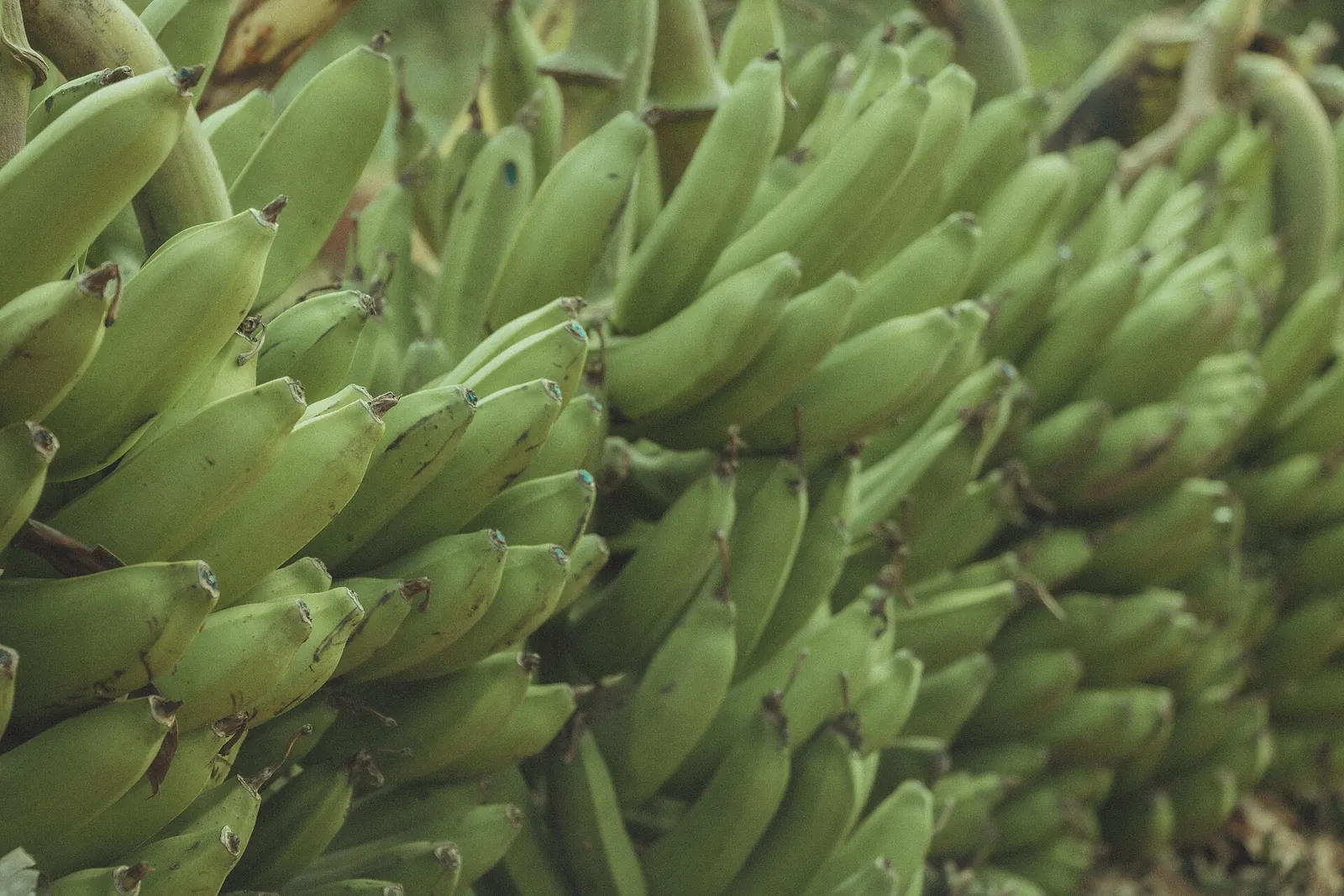
A food treat to share
Why it works: Fruit, cookies, sweets or a specialty from home can be shared with everyone in the house, which suits a culture where food is offered to every visitor.
Skip it if: your hosts are Muslim and it contains pork or alcohol.
Drinks for a celebration
Why it works: Beer is traditionally served at important occasions, and at the ceremony presenting a new baby the mother has traditionally received gifts of beer and money.
Skip it if: you do not know whether your hosts drink. Many families are devout Christians or Muslims, so soft drinks or a food gift are the safer default.
A small item from your home country
Why it works: A photo book, calendar or regional specialty gives you something to talk about without being extravagant.
Skip it if: it is valuable enough to create a sense of obligation.
Something for the children
Why it works: Children are central to Burundian family life, and a book, school supplies or a small toy includes the whole family.
Skip it if: you cannot bring enough for every child in the household.
For portable ideas, see our food gifts guide.
What to avoid
- Refusing food or drink. Declining hospitality is traditionally considered rude. Accept at least a little, especially on a first visit.
- Rushing the greeting. Greetings carry wishes for peace and good health and are how relationships are built. Ask after the family before getting to the point.
- Asking to hold a newborn. In many families a new baby is not shown to visitors for the first weeks, and strangers are not expected to touch or pick up the infant. Congratulate the parents and wait for an invitation.
- Insisting on eye contact. Traditionally, lowering the gaze shows respect, especially toward elders and people of higher status. Do not read it as coldness.
- Flashy or expensive gifts, which can embarrass your hosts or create an obligation.
- Politics and ethnicity. As a visitor, let your hosts lead the conversation and avoid these topics.
How to give and receive
- Greet elders first. Respect for elders is a core value. On a home visit it is customary to address the senior man or the elders of the household first.
- Shake hands respectfully. Use your right hand and lightly support your right forearm or elbow with your left hand, or shake with both hands. Friends and relatives may hug, kiss cheeks or touch heads, and people often keep holding hands while they talk.
- Learn a few greetings. In the morning, "Mwaramutse" is answered with "Ego turaho" ("yes, we are still here"). At any time, "Amakuru?" ("what news?") is answered with "N'amahoro" ("it is peaceful"). Younger people in Bujumbura may use Swahili greetings.
- Give and receive with your right hand or both hands, a widely observed courtesy that matches the respectful handshake.
- Read "yes" with care. Direct answers are not always customary, and a polite yes may not mean agreement. Ask open, friendly questions instead.
- Join in when beer is shared. At celebrations, homemade beer such as banana beer (urwarwa) may be drunk through straws from a shared pot. A small sip is a gracious way to take part; it is fine to decline alcohol politely if you do not drink, and to accept a soft drink instead.
Holidays and occasions
New Year, Christmas and Easter
Many Burundians celebrate Christian holidays, and New Year's Day is one of the biggest celebrations, with feasting, drumming and dancing. A food gift to share fits the moment. For Christian friends, Christmas is a family and church occasion; see our Christmas ideas.
Independence Day
Independence Day is July 1. It is a day for national celebrations rather than personal gifts.
Births
Births are major family events. After a period in which mother and baby stay at home, families hold a ceremony to present and name the child, and guests have traditionally brought gifts such as beer and money for the mother. If you are invited, ask a close friend of the family what is appropriate.
Weddings and funerals
Marriage traditionally involves bridewealth from the groom's family to the bride's, once cattle, goats and hoes and today often cash, clothing or furniture, and beer is served during marriage negotiations. As a guest rather than family, a modest gift or cash contribution is usually what is expected; ask a close contact. After a death, close relatives observe a mourning period that ends with a family ceremony.
Eid
Muslim families celebrate Eid al-Fitr and Eid al-Adha, whose dates change each year with the Islamic calendar. Sweets or food to share and a warm greeting are thoughtful gestures.
Business gifting
Allow time for greetings and polite questions about family before getting to business, use titles with senior people, and expect French to be the main working language alongside Kirundi. Gifts are not a documented part of business meetings in Burundi. If you want to mark a relationship, keep it small, such as a book about your region, and give it once a relationship is established rather than during negotiations. Avoid anything that could look like an inducement, especially for public officials, and follow your organization's gift policy and the anti-bribery laws that apply to you. Our business gifts guide has general advice.
Frequently asked questions
What should I bring when visiting a Burundian home?
Something modest and shareable, such as fruit, cookies or a small specialty from home. Bring alcohol only if you know your hosts drink.
Is it rude to refuse food in Burundi?
Traditionally, yes. Refusing food or drink can be taken as rejecting your host's hospitality, so accept at least a little.
How do you shake hands in Burundi?
With the right hand, often with the left hand supporting the right forearm to show respect. Greet elders first.
Can I bring a gift for a new baby?
Yes, but do not expect to see or hold the baby in the first weeks. Give the gift to the parents, or wait for the naming ceremony if you are invited.
Are business gifts expected in Burundi?
No reliable source says they are. Keep any gift small and follow anti-bribery rules.
See our Rwanda and Kenya guides for nearby East African customs, or browse all country guides.
Sources
- Countries and Their Cultures — Culture of Burundi. everyculture.com
- Waitematā District Health Board (eCALD) — Burundian Culture (cultural resource chapter). ecald.com
- Arizona Department of Health Services — Community Profile: Burundian. azdhs.gov
- Africa Faith and Justice Network — Greetings in Burundian culture. afjn.org
- Wikipedia — Culture of Burundi. en.wikipedia.org
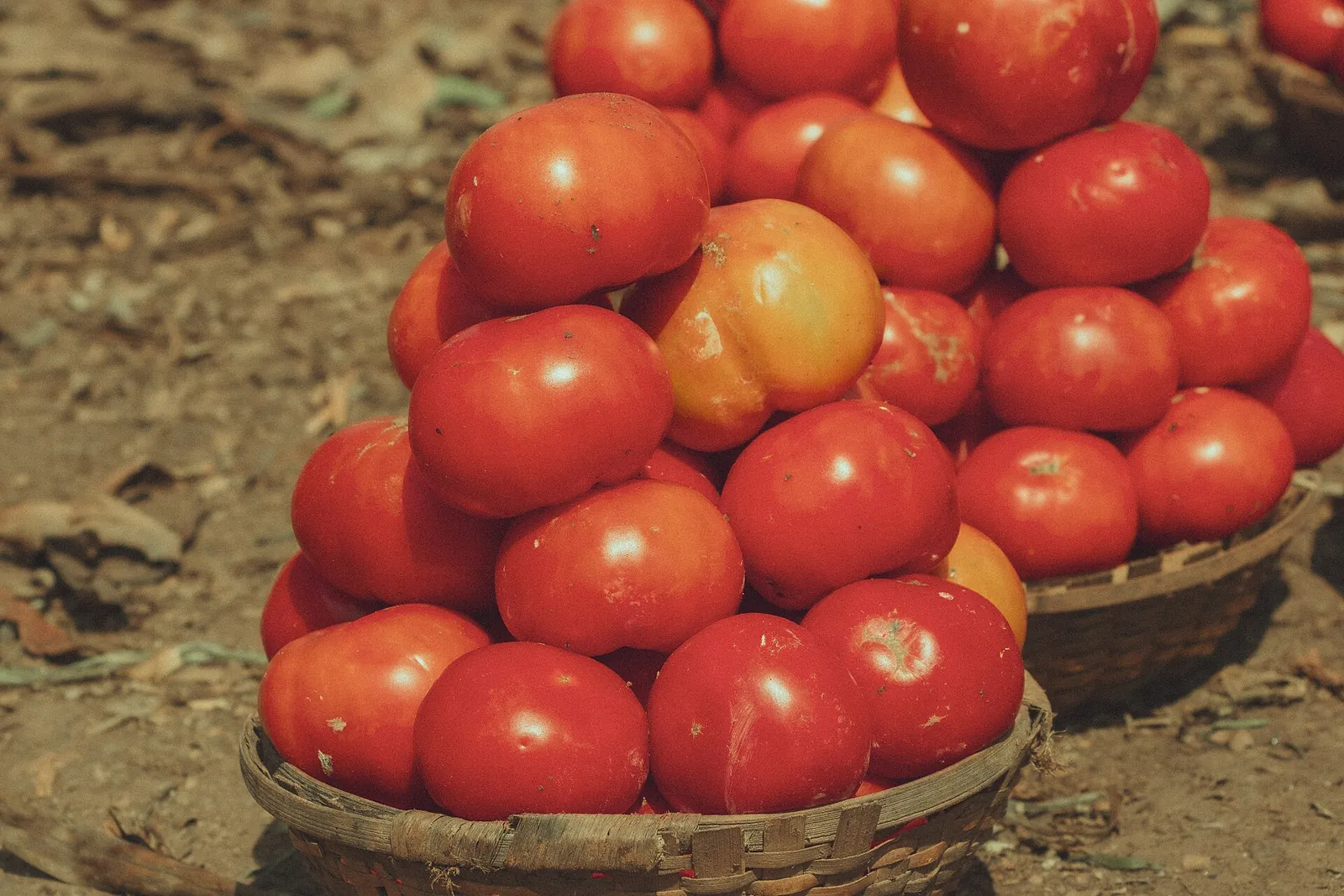
Image credits. Top image: Burundi fruits & legumes 01 by Edouard mhg, CC0 1.0, via Wikimedia Commons · In-article image: Burundi fruits & legumes 14 by Edouard mhg, CC0 1.0, via Wikimedia Commons
Spotted something out of date or a gift that's no longer available? Tell our editors — we review every correction.




