Gift Etiquette in Kenya: Host Gifts, Holidays and Polite Customs
In Kenya a modest, useful gift says more than an expensive one. Here is what to bring a host, how to hand it over, and how gifts work at Christmas, Eid and in business.
We independently research every pick. If you buy through our links we may earn a small commission, at no extra cost to you. Affiliate disclosure.
Quick answer
When you visit a Kenyan home, bring something small and practical: tea, sweets, pastries, flowers or, in rural areas, staples such as sugar or tea. Hand it over with your right hand or both hands, never the left hand alone. Skip alcohol unless you know your hosts drink, especially in Muslim households, and greet everyone in the room, starting with elders. Thoughtfulness matters far more than price.
- Host gift Tea, sweets, pastries, flowers; sugar or tea in rural areas
- Hand to use Right hand or both hands
- Careful with Alcohol, especially in Muslim homes
- Big gift times Christmas, Eid al-Fitr, weddings and family milestones
Kenya is home to dozens of ethnic communities and several faiths, and customs differ between Nairobi apartments, coastal towns and rural homesteads. According to the 2019 census, about 85 percent of Kenyans identify as Christian and about 11 percent as Muslim, with Islam most prominent on the coast (including Mombasa) and in the east and northeast. Smaller Hindu, Sikh and traditional-belief communities are also part of the picture. The tips below are general; when in doubt, follow your host's lead.
What to give
Hospitality is a core value in Kenya, and an invitation to someone's home is something to take seriously. Commisceo Global describes Kenyan gift giving as practical and thoughtful rather than extravagant, and a modest, useful gift usually makes a better impression than anything showy.
For a host
Pastries, sweets, flowers or a good packet of tea are all safe choices. Cultural Atlas notes that in rural areas guests have traditionally brought staples such as coffee, sugar, flour or maize, often in a woven bag called a kiondo. The host returns the bag at the end of the visit with something inside for the guest, since it is considered impolite to send a kiondo back empty. If someone hands you a filled bag as you leave, accept it graciously.
For friends, in-laws and families with children
Practical household items, books and good food from your home country work well for in-laws and close friends. If there are children in the house, school supplies or sweets are a kind addition. For elders, a quality version of something they use every day, such as tea, a warm blanket or a well-made kitchen item, shows respect without being flashy.
Quality tea, coffee or sweets
Why it works: Tea is offered to almost every visitor in Kenya, so a good packet of tea or a box of sweets is useful and easy to share.
Skip it if: you are visiting a tea or coffee farming family; bring something from your own region instead.
Pastries or a cake for the household
Why it works: Food is meant to be shared, and pastries are one of the host gifts Commisceo Global recommends.
Skip it if: your hosts keep halal and you can't confirm the bakery's ingredients; choose packaged sweets with clear labels.
School supplies or books for the children
Why it works: Practical items for children are widely appreciated, and they suit the useful-over-flashy spirit of Kenyan gifting.
Skip it if: you don't know the children's ages; sweets or a family game are easier to get right.
A well-made household item
Why it works: Shoes, household goods and other practical items are typical family gifts at Christmas, so a quality kitchen or home item fits naturally.
Skip it if: it is a novelty gadget with no everyday use.
Need more inspiration? Our food gifts guide has ideas that travel well.
What to avoid
- Giving or receiving with the left hand alone. Using the left hand by itself to pass items is considered improper. Use your right hand or both hands.
- Alcohol as a default gift. Many Muslims and some members of Asian communities abstain from alcohol and certain foods, and attitudes vary among Christian families too. Bring alcohol only if you know your hosts drink.
- Pork or non-halal food for Muslim hosts. If your hosts are Muslim, stick to clearly labeled sweets, fruit, tea or non-food gifts.
- Flashy or lavish presents. An expensive gift can embarrass your host or look like showing off. Modest and useful is the norm.
- Returning a kiondo empty. If a guest brought you something in a woven bag, send it back with a small gift inside.
How to give and receive
- Use the right hand or both hands to give and accept gifts, food and business cards.
- Greet everyone individually. Entering a room means greeting each person. Asking after health and family is part of a good greeting, and it shouldn't be rushed.
- Show respect to elders. When shaking hands with an elder or someone of higher status, many Kenyans support their right forearm with their left hand. Older men may be addressed respectfully as Mzee, and women are often called Mama.
- Accept the tea. Hosts usually offer tea, and accepting it signals that you accept their hospitality.
- Don't arrive early. Arriving before the stated time can make a host uncomfortable; Cultural Atlas suggests arriving a little after the agreed time for social visits.
- Expect a warm send-off. Many hosts walk departing guests some distance rather than saying goodbye at the door, so allow time to leave.
Wrapping is welcome but simple; see our gift wrapping ideas if you want a neat, low-key finish.
Holidays and occasions
Christmas (December 25) and Boxing Day (December 26)
For Kenya's Christian majority, Christmas is primarily a religious and family occasion. From late November many city residents travel upcountry to spend the holiday with relatives, and many churches hold a midnight vigil known as Kesha. Families gather around a festive meal, often featuring nyama choma (grilled meat). Expensive gifts are uncommon; practical items such as shoes, books, school supplies and household goods are typical, with toys and sweets for children in many urban homes. Charity to churches, orphanages and neighbors in need is also part of the season. Both December 25 and 26 are public holidays. For family gift ideas, see our Christmas guides.
Eid al-Fitr and Eid al-Adha (dates vary)
Eid al-Fitr marks the end of Ramadan and is a public holiday in Kenya, as is Eid al-Adha. Both follow the Islamic lunar calendar, so the dates change each year and depend on the sighting of the moon. Eid al-Fitr begins with congregational prayers, is preceded by obligatory charity to the poor (zakat al-fitr), and is a time for visiting relatives and friends and sharing sweet foods. If Muslim friends or colleagues invite you, sweets, dates or a box of pastries make a thoughtful contribution.
National holidays
Madaraka Day (June 1), Mashujaa Day (October 20) and Jamhuri Day (December 12, marking independence) are public holidays. They are civic celebrations rather than gift-giving days.
Business gifting
Kenyan business culture values titles, seniority and courtesy. Gifts are not required at a first meeting; build the relationship first. If you do give something, keep it modest and practical: a quality item from your home country, a book or a food gift the team can share. Present it with your right hand or both hands.
Be cautious with anything of high value, and especially with gifts to government officials. Anti-bribery laws in Kenya, and often in your home country, can apply to business gifts and hospitality, and many companies set their own value limits. Check both organizations' policies before giving. Our business gifts section has general guidance.
Frequently asked questions
What should I bring to a Kenyan host?
Tea, sweets, pastries or flowers are safe. In rural areas, staples such as sugar or tea are a traditional and welcome choice. Keep it modest and practical.
Can I give alcohol as a gift in Kenya?
Only if you know your hosts drink. Many Muslims and some other Kenyans abstain, so tea, sweets or a household item are safer defaults.
Which hand should I use to give a gift in Kenya?
Your right hand or both hands. Using the left hand by itself to pass items is considered improper.
Do Kenyans exchange gifts at Christmas?
Many do, but Christmas is mainly about church, family and food. Gifts tend to be practical, such as shoes, books, school supplies or household goods, with toys and sweets for children.
Is it rude to arrive early for a visit?
It can make your host uncomfortable. For social visits, arriving a little after the agreed time is usually fine; for business meetings, be on time.
Gifting elsewhere in Africa? See our guides to Nigeria and South Africa, or browse all country etiquette guides.
Sources
- Cultural Atlas — Kenyan Culture: Etiquette. theculturalatlas.org
- Cultural Atlas — Kenyan Culture: Greetings. theculturalatlas.org
- Cultural Atlas — Kenyan Culture: Religion. theculturalatlas.org
- Commisceo Global — Kenya Guide. commisceo-global.com
- The Star — Christmas in Kenya: where faith meets family and tradition. the-star.co.ke
- Wikipedia — Public holidays in Kenya. en.wikipedia.org
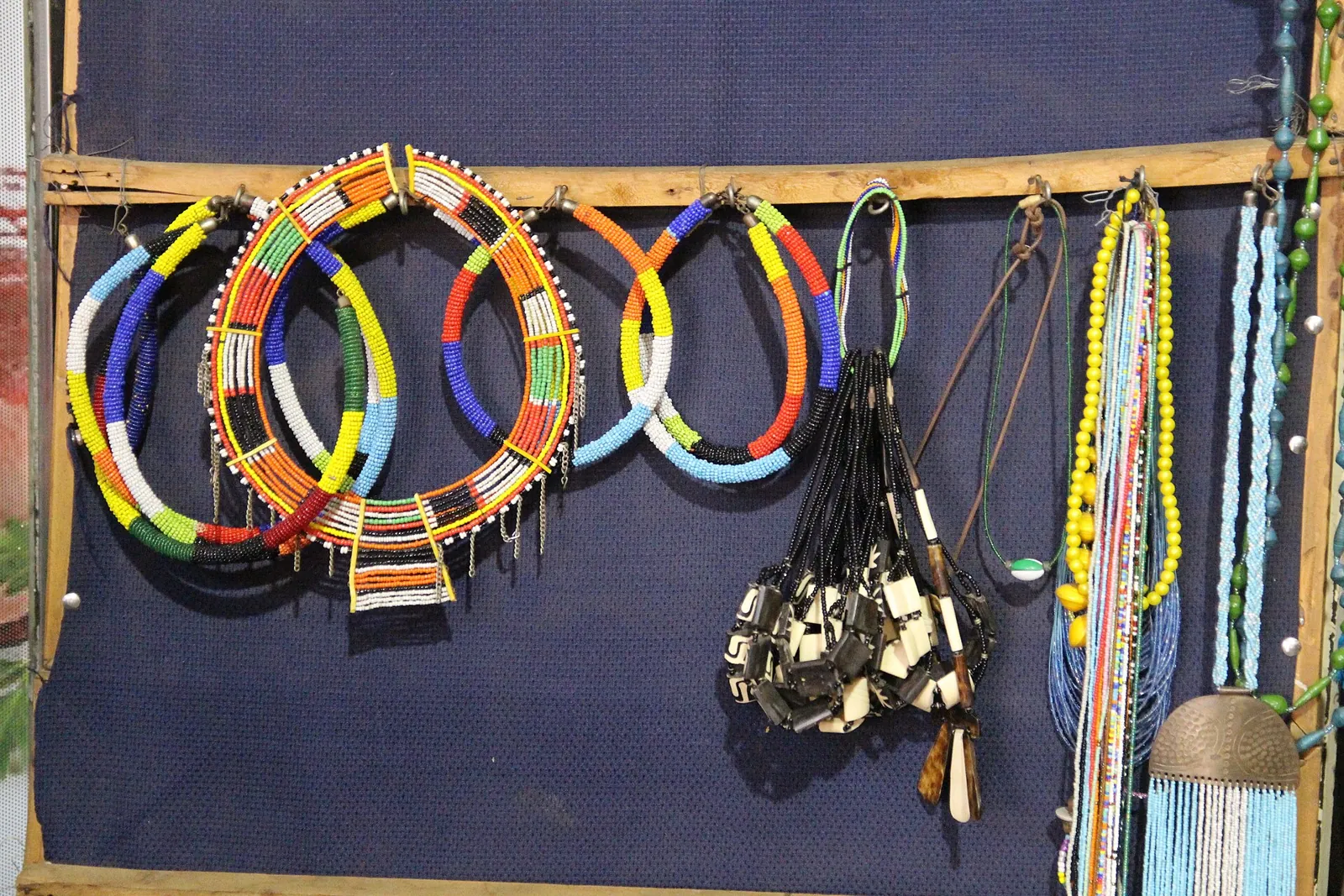
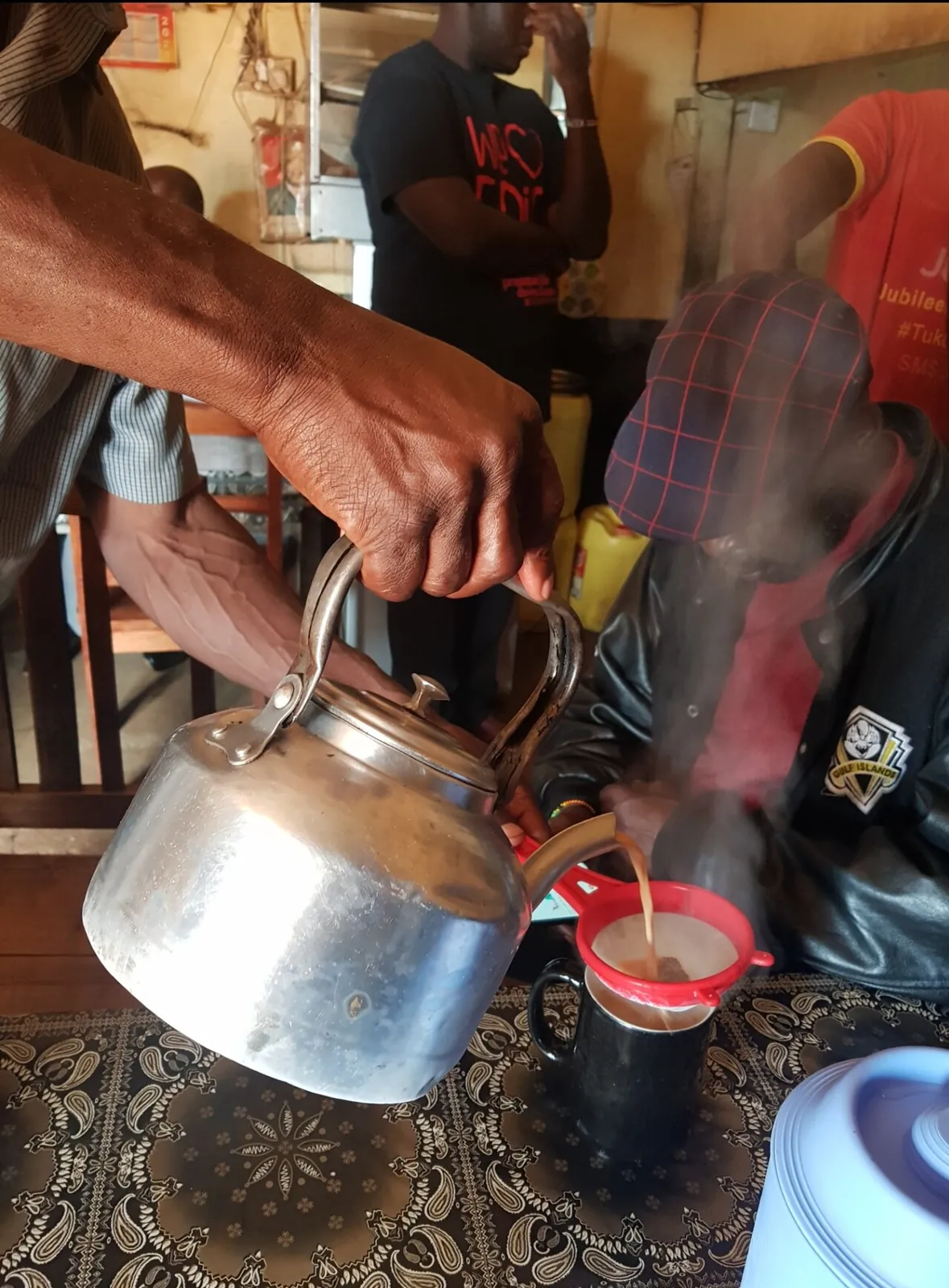
Image credits. Top image: Handcrafted beaded necklaces at Nairobi City Market in Kenya by Stowe14, CC BY 4.0, via Wikimedia Commons · In-article image: The Kenyan Chai by Mikkilynx, CC BY-SA 4.0, via Wikimedia Commons
Spotted something out of date or a gift that's no longer available? Tell our editors — we review every correction.